
A company’s structure—the way in which it is organized—can have a major impact on the way it performs. There are several models of corporate structure typically used in the business world, and they continue to evolve. The first consideration is whether power should be centralized at the top, with decisionmaking in the hands of a few key senior employees, or decentralized, with more power in the hands of staff, and with fewer people to go through for approval.
78%
of groups reach solutions to simple tasks faster in centralized structures
100%
of groups reach solutions to
complex tasks faster in decentralized structures
Choosing a structure
Most start-ups have a centralized structure. More complex structures either evolve or are designed as the company grows, depending on the nature and size of the business, the complexity of the work, any requirement for instant expertise, and the geographical location of parts of the business.
Centralized
Power rests in the hands of a few people, with a long chain of command.
- ❯ Power at the top
- ❯ Rigid
- ❯ Conventional
- ❯ Inflexible
- ❯ Slow response to change
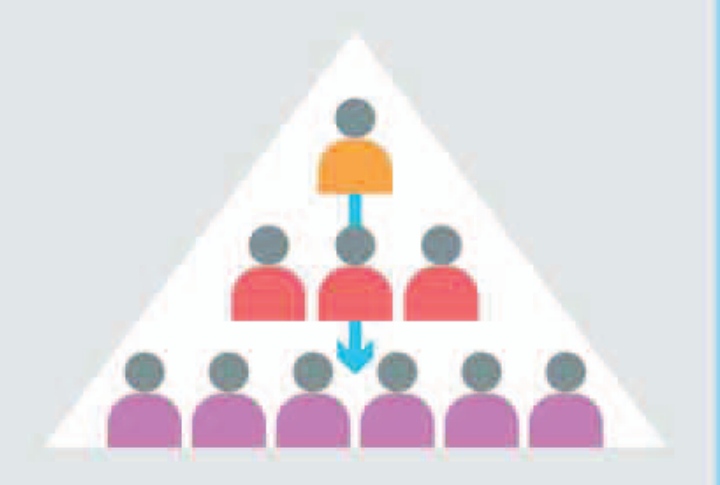
Functional
Good for strict control and formal relationships, as in the military.

Divisional
Suits companies with many global offices or product lines.
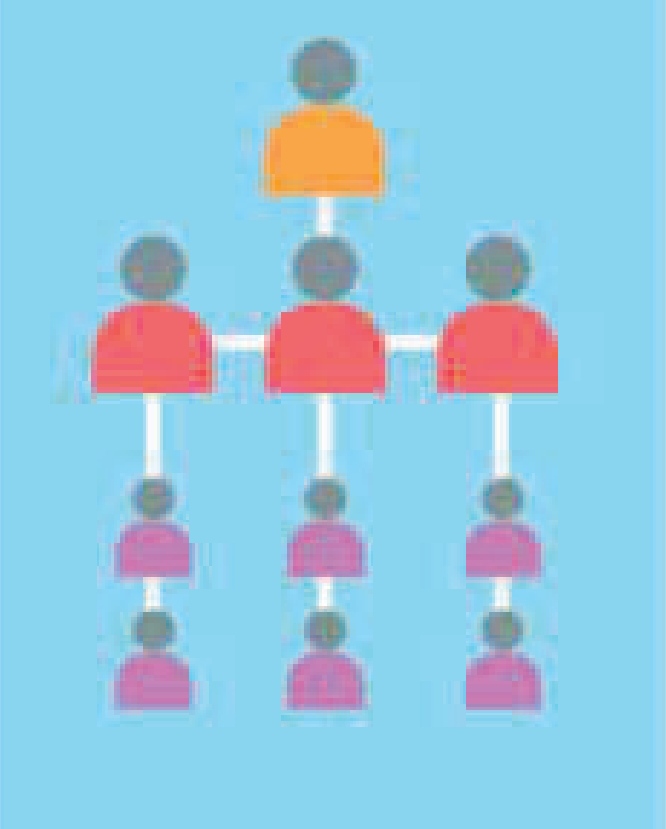
Matrix
Good for large corporations with complex projects in different locations.
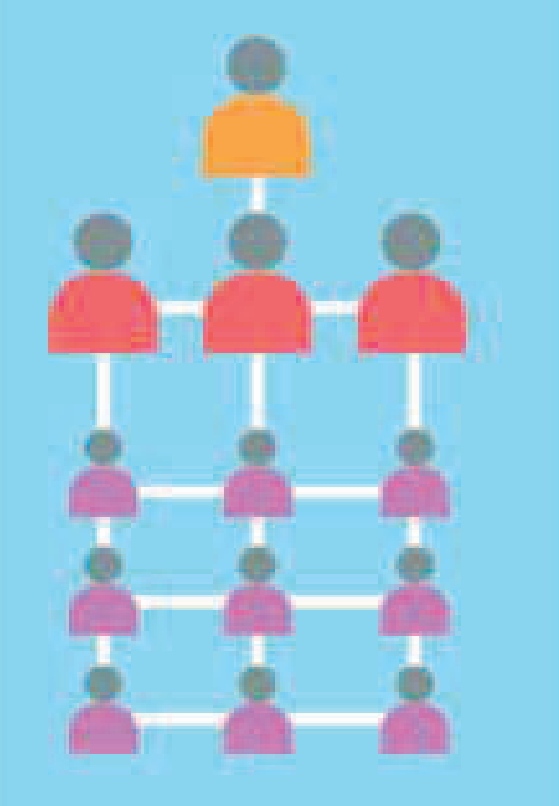
Network
Suits creative and technology companies in which everyone is online.

Team-based
For companies that rely on innovation and are customer focused

Decentralized
Power is spread through the company, and staff make their own decisions

- ❯ Power shared
- ❯ Organic
- ❯ Experimental
- ❯ Flexible
- ❯ Fast response to change
WARNING
When change is needed
Signs that a structure is not working include low morale and high staff turnover, no new products being developed, and profit suddenly accelerating or decelerating. Tools to amend poor structure include:
❯ Business process reengineering (BPR) Analyzing and redesigning the workflow within a company
❯ Altering the reporting line In a traditional solid-line reporting relationship, one line manager oversees goals and performance. It can be beneficial to switch to the weaker chain of a dotted-line reporting relationship, in which a manager sets some but not all the objectives.
 Vnotes Education