
Also known as compulsive hoarding, this disorder is characterized by the excessive acquisition of, and/or the inability or unwillingness to dispose of, large quantities of objects.
What is it?
Hoarding disorder may begin as a way of coping with a stressful life event. The individual with does not discard worn-out possessions, for fear either of needing them again or of something bad happening to other people if they get rid of anything. They store sentimental items because they believe that discarding them will keep emotional needs from being met. The individual continues to accumulate items even when space is running out. Hoarding can be hard to treat because the person does not see it as a problem and experiences such overwhelming discomfort at reducing the clutter that they avoid any attempt to do so. Alternatively, the person may be aware of the problem but too ashamed to seek help or advice. Hoarding may be part of other
disorders such as OCD , severe depression , or psychotic disorders . In assessment, the doctor questions the person about their feelings on acquiring objects and their overestimation of responsibility for causing harm by discarding items.
Living with hoarding
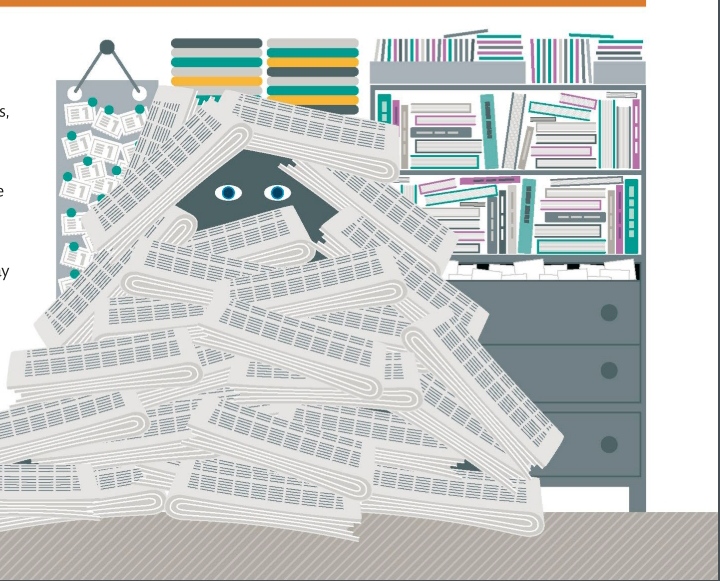
A person with hoarding disorder may let junk mail, bills, receipts, and heaps of paper pile up. The resulting clutter can pose a health and safety risk and makes it hard to move from room to room, which is distressing for the individual and affects their, and their family’s, quality of life. This may lead to isolation and impaired or difficult relationships with other people.
TREATMENT
❯ Cognitive behavioral therapy to examine and weaken the thoughts that maintain the hoarding behavior and allow adaptive or flexible alternatives to emerge.
❯ Lifestyle management at home to motivate reducing clutter for health and safety reasons.
❯ Antidepressants to decrease the associated anxiety and depression.
 Vnotes Education