

A good mentor can be a precious asset. To build a strong mentoring relationship, work creatively to optimize your learning and growth, and be clear about how both sides can benefit from the process.
When a person with greater knowledge or experience takes you
under their wing, it can make a positive difference to your life in a variety of areas. Mentoring is a key way for skills to be passed on, both inside and outside the professional sphere. A mentor can benefit you when you’re embarking on a new kind of activity, seeking help with life’s challenges, or trying to grow yourself creatively, intellectually, or professionally.
Finding a mentor
Good mentors don’t come along every day, so what’s the best way to recruit one? When seeking someone to be your guide, bear in mind the following factors:
■ Decide at the outset why you want a mentor. For example: do you need introductions in a particular field, a reliable critic of your performance, or someone to watch in action? Having a clear idea of your expectations can prevent disappointment.
■ Identify, and make use of, networking opportunities. Many industries offer mentoring programs: you might wish to find out where your colleagues found their mentors; look into places where the people you admire spend time and are open to socializing. Remember, no one mentor will “have it all”—to optimize your success, you will need multiple mentors.
■ When meeting people, be sensitive to their responses. If somebody doesn’t seem willing to help you, there’s no point in pushing—this will only alienate them. But don’t expect them to read your mind. Say clearly that you’d value any advice they can offer you. If they’re polite but vague, that’s probably a “no.”
■ Be open to unexpected connections. The right mentor for you might work in a field you hadn’t thought of, or have a very different personality from you. They don’t have to be the person you aspire to be yourself: all that matters is good rapport.
Maintaining the relationship
Once you’ve established a good connection with someone, put careful thought into how you can continue to get the best out of the mentor–mentee dynamic. Try out these methods:
■ Be reciprocal. Offer them any connections or introductions you can. Support and promote their work. Be prepared to assist them. A mentee with staying power knows to give something back.
■ Show initiative. It’s not very rewarding to mentor someone who seems too dependent. What a mentor values is a protégé with energy and enthusiasm, who is worth helping because they’ll make the best of what you give.
■ Accept what’s offered. Some mentors may not wish to provide emotional support, for example, but can still give good practical help. If you need something your mentor doesn’t want to give, look elsewhere to fill that need.
■ Finish the mentor–mentee dynamic when it feels right. If you’re no longer finding your mentor helpful, maybe it’s the natural time to move forward.
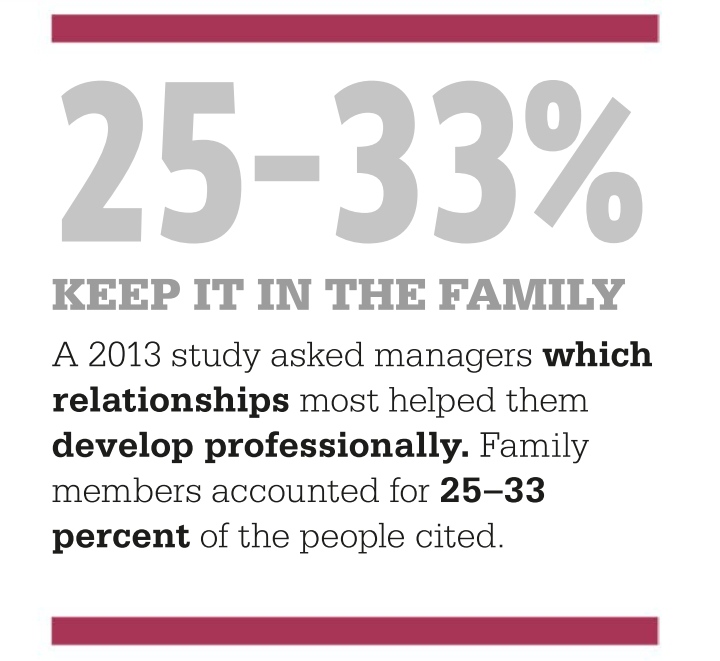
MENTORING CONSTELLATION
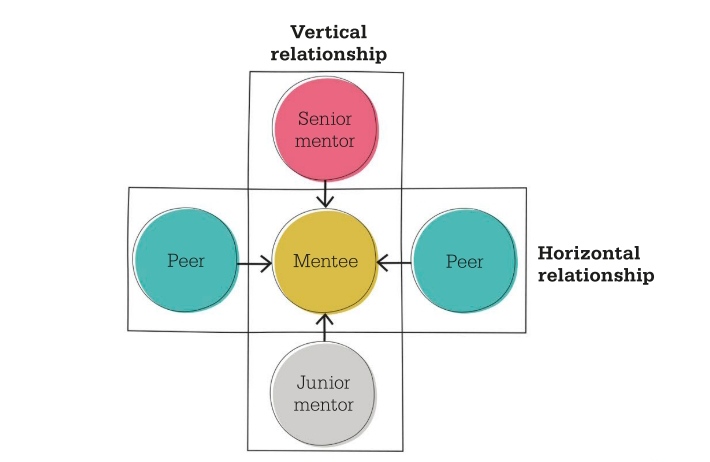
Support from those with more experience can obviously be valuable, but don’t overlook “sideways” and even “upward” mentoring. A 2013 US paper for the Center for Creative Leadership describes a “constellation” of relationships in which mutual support and guidance between equals, as well as backing from those below you in a hierarchy, can be just as fruitful as a top-down pattern.
90%
VALUE FEEDBACK A 2009 US study found that more than 90 percent of mentors thought it was important to encourage candid feedback from their protégés.
 Vnotes Education