
Every organization has a particular workplace environment, consciously or unconsciously shaped by the personalities, values, and behavior of the people leading it and working in it.
How it works
The organizational culture of every business is different, reflecting the ethos of the company, its workplace habits, and the image the company projects. It is also tied to the type of work that has to be done. In a high-stakes financial trading company, the pace and pressure of the work makes the atmosphere of the corporate environment crackle, whereas in a company relying on creativity for its products, the mood is likely to be more relaxed. The type of incentives offered to management and employees may also affect the workplace, resulting in either a competitive or a collaborative culture, or a mix of both.
NEED TO KNOW
❯ Control systems Used by managers to set standards and measure performance
❯ Leverage Power to influence a person or situation
❯ Paradigm Value system of goals, mission, and beliefs
Types of corporate cultures
Management experts have tried to explain how organizational cultures work. Charles Handy, a former professor at the London Business School, describes them in terms of four major types: power, task, role, and person.
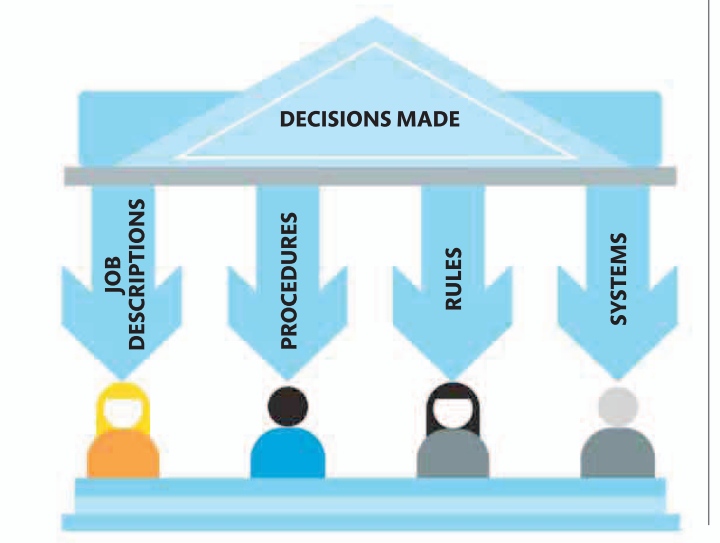
Role culture
Where a company is based on the structural support of
specialized roles. Each role is crucial and will persist even if the person occupying it leaves. Procedures and systems are strictly followed, as in a government department.
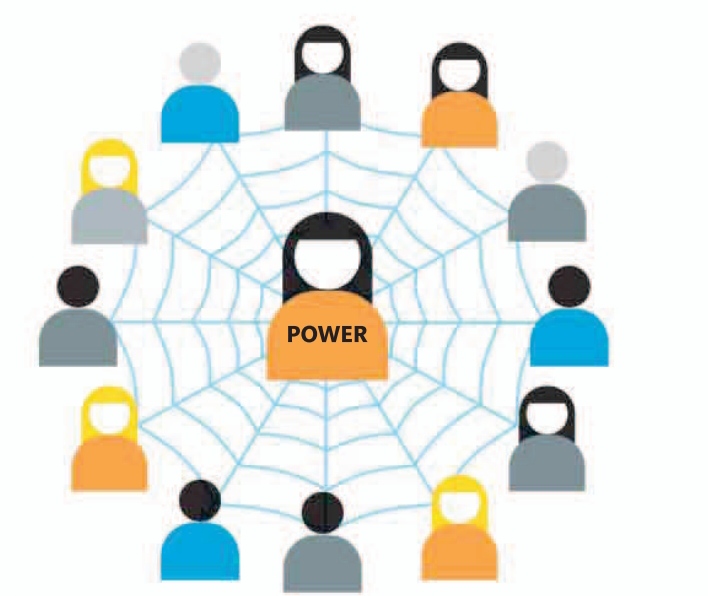
Power culture
Driven by a powerful individual at the center of the organization, who is relied on for decision-making and the company’s successes. Those closest to the center have most influence. Typical of a family-owned business.
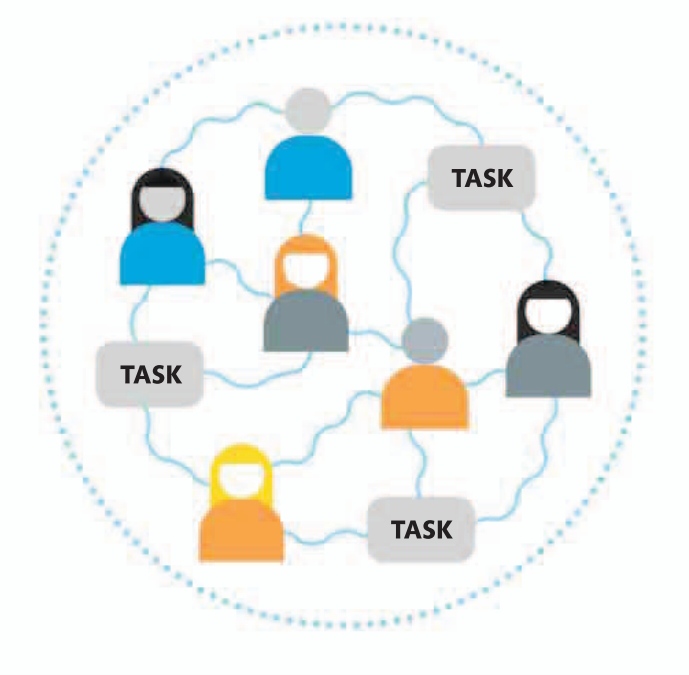
Task culture
Project-oriented work where a project’s completion is the motivating force. Relies on teamwork and individuals’ expertise, but results are more important than personal objectives. Found in technology companies, for example
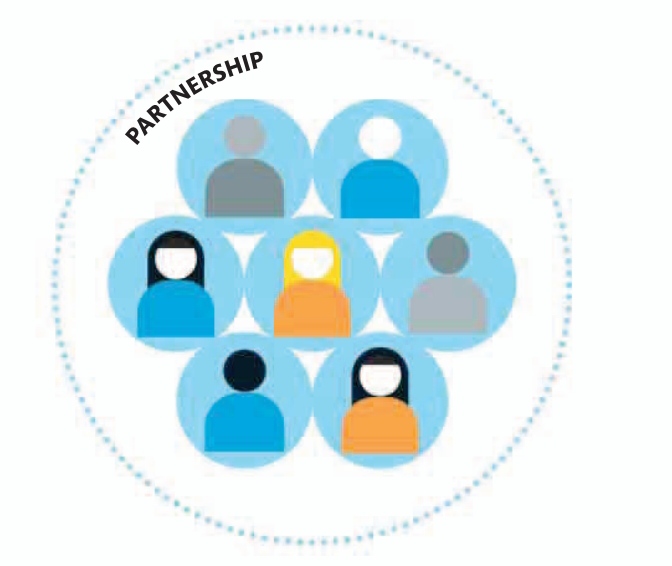
Person culture
Company power and influence is shared among individuals who work semi-autonomously. Individuals count for more than the company, which is made up of people with similar specialist training, such as in an architects’ practice.
WHAT SHAPES CORPORATE CULTURE?
Many factors reinforce a culture. To bring about change, the workforce needs to be inspired by different motivations, values, and types of role models.
Organization size Big business, or small company
Company structure Strict hierarchy, or power shared among many people
Founding values Includes origination myths and stories
Leaders Their personality and behavior
Symbols Titles, dress codes, interior aesthetic
Control systems Rewards, incentives, performance assessment
86%
of senior managers in global organizations agree that organizational culture is critical to success
 Vnotes Education
Leave a comment