1957 Soviet Union 1958 🇺🇸 USA 1962 🇬🇧 UK 1962 🇨🇦 Canada 1964 🇮🇹 Italy 1965 🇫🇷 France 1967 🇦🇺 Australia 1969 🇩🇪 Germany 1970 🇯🇵 Japan 1970 🇨🇳 China 1974 🇳🇱 Netherlands 1974 🇪🇸 Spain 1975 🇮🇳 India 1976 🇮🇩 Indonesia 1978 🇨🇿…
Managers are responsible for getting things done through other people. You need to accomplish assigned goals by delegating responsibility and authority to others. Empowering others through delegation is one of the most powerful managerial tools for increasing productivity.
Empowering others
Managers delegate by transferring authority and responsibility for work to employees. Delegation empowers employees to achieve goals by allowing them to make their own decisions about how to do a job. Delegation also helps develop employees for promotion opportunities by expanding their knowledge, job capabilities, and decision-making skills.
Delegating lets you focus on key strategic activities and can also lead to better decision-making
Feeling the benefits
Effective delegation is key for any manager. It will free up your time, allowing you to focus on big-picture strategic activities. It can also lead to better decisionmaking, because it pushes decisions down the organization, meaning that decision-makers are often closer to the problems. It also helps those you are managing develop their own decision-making skills and prepares them for future promotion opportunities.
The four components of delegation
ALLOCATION OF DUTIES : Before a manager can delegate authority, the tasks and activities that need to be accomplished must be explained.
DELEGATION OF AUTHORITY : Delegation is the process of transferring authority to empower a subordinate to act for you as a manager.
ASSIGNMENT OF RESPONSIBILITY : Managers should assign responsibility to the empowered employee for performing the job adequately.
CREATION OF ACCOUNTABILITY : Managers should hold empowered employees responsible for properly carrying out their duties. This includes taking responsibility for the completion of tasks assigned to them and also being accountable to the manager for the satisfactory performance of that work.
Letting go
Managers often have trouble delegating. Some are afraid to give up control, explaining, “I like to do things myself, because then I know it’s done and it’s done right.” Others lack confidence in their employees or fear that they may be criticized for others’ mistakes. While you may be capable of doing the tasks you delegate better, faster, or with fewer mistakes, it is not possible to do everything yourself. If you often feel that your team isn’t taking ownership of projects it may suggest that you are handing out tasks,rather than delegating responsibility. When you delegate, you should expect, and accept, some mistakes by those you delegate to. Mistakes are often good learning experiences. You also should put in place adequate mechanisms for feedback so you will know what is happening.
20% of your activity yields 80% of your results; try to do more of the 20% and delegate the 80%
You should expect and accept some mistakes by those you delegate to; mistakes are often good learning experiences
How to delegate
CLARIFY THE ASSIGNMENT : Explain what is being delegated, the results you expect, and the timeframe.
SET BOUNDARIES : Ensure that the delegatees understand precisely what the parameters are of the authority you are bestowing on them.
ENCOURAGEPARTICIPATION : Involve delegatees in decisions about what is delegated, how much authority is needed, and standards to be attained.
INFORM OTHERS : Let everyone who may be affected know what has been delegated to whom and how much authority has been granted.
ENCOURAGEDEVELOPMENT : Insist from the beginning that when delegatees come to you with a problem, they also bring a possible solution.
ESTABLISH CONTROLS : Agree on a specifictime for completion of the task, and set dates when progress will be checked and problems discussed.
Understanding and managing people who are similar to us can be challenging, but understanding and managing those who are dissimilar from us and from each other is tougher. As the workplace becomes more diverse and as business becomes more global, managers must understand how cultural diversity affects the expectations and behavior of everyone in the organization.
Understanding the changes
The labor market is dramatically changing. Most countries are experiencing an increase in the age of their workforce, increased immigration, and, in many, a rapid increase in the number of working women. The globalization of business also brings with it a cross-cultural mandate. With more businesses selling and manufacturing products and services abroad, managers increasingly see the need to ensure that their employees can relate to customers from many different cultures. Workers who believe that their differences are not merely tolerated but valued by their employer are more likely to be loyal, productive, and committed.
Capitalizing on diversity
Managers face many challenges capitalizing on diversity, such as: coping with employees’ unfamiliarity with native languages, learning which rewards are valued by different demographics, and providing career development programs that fit the values of different targeted groups. There are several ways for you to try to capitalize on diversity:
Communicate your objectives and expectations about diversity to employees through a range of channels, such as mission and value statements, slogans, creeds, newsletters, speeches, emails, and everyday conversations.
Recruit through nontraditional sources. Relying on current employee referrals usually produces a limited range of candidates. Try instead to identify novel sources for recruitment, such as women’s job networks, targeted newspapers, training centers for the disabled, urban job banks, and over-50s clubs.
Use diverse incentives for motivation. Most studies on the subject of motivation are by North American researchers—unsurprisingly— on North American workers. Consequently, these studies are based on beliefs that most people work to promote their own well-being and get ahead. This may be at odds with people from more collectivist countries, such as Venezuela, Singapore, Japan, and Mexico, where individuals are driven by their loyalty to the organization or society, not their own self-interest.
Tip
PRACTICE WHAT YOU PREACH First look into your heart and mind and root out any prejudice. Then, demonstrate your acceptance in everything that you say and do.
As Lee Iacocca, former CEO of Chrysler Corporation, said: “All business operations can be reduced to three words: people, product, and profit. People come first. Unless you’ve got a good team, you can’t do much with the other two.” Successful managers are those who create, work with, and manage successful teams.
Defining highperforming teams
A team is two or more people who meet regularly, perceive themselves as a distinct entity distinguishable from others, have complementary skills, and are committed to a common purpose, a set of performance goals, and an approach for which they hold themselves mutually accountable. High-performing teams engage in collective work produced by coordinated joint efforts that result in more than the sum of the individual efforts. Research and practical experience have shown that teams with many more than 12 members tend to lack cohesion and struggle to make fast and effective decisions.
Understanding team performance
WHO ARE WE?Sharing strengths, weaknesses, work preferences, and values allows the establishment of a set of common beliefs for the team, creating a group identity and a feeling of “what we stand for.”
WHERE ARE WE NOW? Understanding the current position means that a team can reinforce its strengths, improve on its weaknesses, and identify opportunities to capitalize on and threats to be aware of.
WHERE ARE WE GOING? Teams need to have a vision of the pot of gold at the end of the rainbow. They also need a mission, a purpose, and a set of specific team goals that they are all excited about.
HOW WILL WE GET THERE? Team members must understand who will do what and when to accomplish team goals, and must be clear about their job description, roles on the team, responsibilities, and areas of authority and accountability.
WHAT SUPPORT DO WE GET/NEED? Reviewing each member’s training and development needs can set the stage for individualtraining, counseling, and mentoring that will strengthen both the individual and the team.
HOW EFFECTIVE ARE WE? Regular performance reviews of quantity and quality outputs and the team process— with recognition and reward for success— ensure achievement of team goals and provide members with standards.
Achieving good teamwork
To help your teams perform to the best of their ability, create clear goals. All team members need to have a thorough understanding of the goals of the team and a belief that these goals embody a worthwhile result. This encourages team members to sublimate personal concerns to those of the team. Members need to be committed to the team’s goals, know what they are expected to accomplish, and understand how they will work together to achieve these goals. However, these goals must be attainable; team members can lose morale if it seems that they are not. To avoid this, set smaller interim milestones in the path to your overall goal. As these smaller goals are attained, your team’s success is reinforced. Cohesiveness is increased, morale improves, and confidence builds. As the manager of a team, it is your job to provide the resources and support that the members need to achieve success. Offer skills training where needed, either personally or by calling in specialists within your organization or outside training services.
Steering your team
Team members should all share in the glory when their team succeeds, but also share in the blame when the team fails. However, members need to know that they cannot ride on the backs of others. Identify what each member’s contribution to the team’s work should be and make it a part of his or her overall performance appraisal. To help monitor performance, select members of the team to act as participant–observers. While a team is working, the role of the participant–observer is to focus on the processes being used—the sequence of actions that takes place between team members to achieve a goal. Periodically, the participant–observer should stop the team from working on its task and discuss the process members are engaged in. The objectives of the participant–observer are to improve the team’s functioning by discussing the processes being used and creating strategies for improving them.
Setting standards
Create a performance agreement to record the details of what the team is aiming to achieve, what is required and expected of every team member, and what support will be available to them. Setting out the framework for team success clearly helps to ensure that there is a mutual understanding and common vision of the desired results, and emphasizes the standards that you expect from every team member.
Tip
CHANGE PERSONNEL If your teams get bogged down in their own inertia or internal fighting, rotate the members. Consider how certain personalities will mesh and re-form your teams in ways that will better complement skills.
6–12 members is the ideal number for a team to work at optimal effectiveness
CHECKLIST… Creating a team performance agreement yes/no
Have I identified what is to be done and when?
Have I specified the boundaries (guiding rules of behavior) or the means for accomplishing results?
Have I identified the human, financial, technical, or organizational support available to help achieve the results?
Have I established the standards of performance and the time intervals for evaluation?
Have I specified what will happen in performance evaluations and the consequences of not meeting the standards?
Job design refers to the way tasks are combined to form complete jobs. It involves trying to shape the right jobs to conform to the right people, taking into account both the organization’s goals and the employees’ satisfaction. Well-designed jobs lead to high motivation, high-quality performance, high satisfaction, and low absenteeism and turnover.
Defining jobs
Jobs vary considerably: a lifeguard, for example, will have very different day-to-day responsibilities than an accountant or a construction worker. However, any job can be described in terms of five core job dimensions:
Skill variety : the degree to which a job requires a variety of different activities so that the worker can employ a number of different skills and talents.
Task identity : the degree to which a job requires completion of a whole and identifiable piece of work.
Task significance: the degree to which a job has an impact on the lives of other people.
Autonomy: the degree to which a job provides freedom and discretion to the worker in scheduling tasks and in determining how the work will be carried out.
Feedback: the degree to which the worker gets direct and clear information about the effectiveness of his or her performance.
As a manager, you can maximize your team’s performance by enhancing these five dimensions. Skill variety, task identity, and task significance combine to create meaningful work. Jobs with these characteristics will be perceived as important, valuable, and worthwhile. Jobs that possess autonomy give workers a sense of responsibility for their results. Jobs that provide feedback indicate to the employee how effectively he or she is performing.
Skill variety, task identity, and task significance combine to create jobs that are seen as important, valuable, and worthwhile
Ways to design workby enhancing the fivedimensions
CREATE NATURAL WORK UNITS Design tasks to form an identifiable whole to increase employee “ownership” and to encourage workers to view their jobs as important.
ESTABLISH CLIENT RELATIONSHIPS
Building direct relationships between the worker and the client— the user of the product or the service that the employee works on—increases skill variety, autonomy, and feedback.
COMBINE TASKS Put existing fragmented tasks together to form larger modules of work. This can help increase skill variety and task identity.
EXPAND JOBS VERTICALLY Giving employees responsibilities formerly reserved for managers closes the gap between the “doing” and “controlling” aspects of the job, and increases autonomy.
IMPROVE FEEDBACK CHANNELS Feedback tells employees how well they are performing, and whether their performance is improving, deteriorating, or remaining constant. Employees should receive feedback directly as they do their jobs.
Tip
GET THE RIGHT PERSON FOR THE JOB
It is very difficult to completely change how a person performs, so try to match people to jobs that they are good at. This will make them most likely to achieve good results.
Teams are the cornerstones of most public and nonprofit organizations. Successful team leaders understand what makes a team effective and what can lead to failure. To be a successful manager, you need to be able to plan and design the work of your team, delegate tasks effectively, monitor progress, and motivate your team to excel.
Setting goals and planning
Planning is a key skill for any manager and starts with having a good understanding of the organization’s objectives. It involves establishing a strategy for achieving those goals using the personnel available, and developing the means to integrate and coordinate necessary activities.
Knowing your goals
Planning is concerned with ends (what needs to be done) and means (how those ends are to be achieved). In order to create a plan, managers must first identify the organization’s goals—what it is trying to achieve.
Planning and monitoring
Goals are the foundation of all other planning activities. They refer to the desired outcomes for the entire organization, for groups and teams within the organization, and for individuals. In the best organizations, employees and teams work closely with their managers to set their own goals and plan courses of action. Goals provide the direction for all management decisions and form the criteria against which actual accomplishments can be measured.
How to develop and implement a plan
Define your overall goals, by asking questions such as “Why do we exist?” and “What do we do?”
Thoroughly analyze your working environment, to identify opportunities you can exploit and threats you may encounter.
Use the results to set objectives that you want to meet. These will create a standard against which to measure your progress.
Formulate a plan to achieve those objectives—what needs to be done, by whom, and by when.
Implement the plan, clarifying roles and providing support.
Monitor your progress to make sure you are on the right track.
Setting your goals
There are five basic rules that can help you set effective goals. Always make your goals SMART: Specific, Measurable, Aligned, Reachable, and Time-bound.
Specific Goals are meaningful only when they are specific enough to be measured and verified.
Measurable Goals need to have a clear outcome that can be objectively assessed. They also need to have clear benchmarks that can be checked along the way.
Aligned Goals should contribute to the mission, vision, and strategic plan of the organization and be congruent with the values and objectives of the employee implementing them.
Reachable Goals should require you to stretch to reach them, but not be set unrealistically high.
Time-bound Open-ended goals can be neglected because there is no sense of urgency to complete them. Whenever possible, goals should include a time limit.
Tip
LOOK TO THE FUTURE Write down three SMART goals that you want your team to achieve in the next five years, and then plan how you will reach them.
Goals are the desired outcomes for the whole organization, for groups within it, and for individuals
A personal mission statement provides you with the long-term vision and motivation to manage yourself and others in your team according to your own values. It also allows you to establish your purpose and goals as a manager and sets a benchmark for self-evaluation.
Defining your future
Your personal mission statement spells out your managerial philosophy. It defines the type of manager you want to be (your character), what you want to accomplish (your contributions), and what principles guide your behavior (your values). It provides you with the vision and values to direct your managerial life—the basis for setting long- and short-term goals, and how best to deploy your time.
Setting out your philosophy
Make sure that your personal mission statement is an accurate reflection of your values, goals, and aspirations for success. A personal statement might read: “My career goals are to effectively manage my team to achieve respect and knowledge, to use my talents as a manager to help others, and to play an active role in this organization.” Another individual’s statement might have a very different focus: “As a manager in this creative firm, I want to establish a fault-free, self perpetuating learning environment.” Reevaluate your statement on a regular basis—annually, at least—to ensure that it still describes your overall vision for your future as a manager.
Setting and attaining your personal managerial goals
SEE THE FUTURE Develop a vision of what it will be like when you achieve your goals. Your vision of a desirable future can be a powerful motivating force.
EVALUATE PROGRESS Continually evaluate your performance against your mission statement. When things do not work out, be honest with yourself about why.
BE SMART Set goals that are Specific, Measurable, Attainable, Realistic, and Time-bound. You are much more likely to achieve goals that are well defined and within your reach.
REWARD YOURSELF Reward yourself for small wins. When you achieve incremental progress toward your goals, treat yourself to a reward, such as a night out or some recreational activity.
GET SUPPORT Develop a support group of people who will help you in achieving your goals. Your support group should include those with the resources you need to be successful.
SET YOUR GOALS Personalize your goals. You will be far more committed to goals that you have set yourself, rather than those that have been set for you by someone else.
Tip
LEARN FROM SETBACKS Things will not always work out as you have planned. When you face setbacks, be honest with yourself about what happened and why, and think carefully about whether you need to reevaluate your goals.
Values are stable and enduring beliefs about what is good, right, and worthwhile, and about the behavior that is desirable for achieving what is worthwhile. To be an effective manager, it is necessary to have a good understanding of what your values are and to act accordingly.
Defining values
Values are formed early in our lives, from the influence of our parents, teachers, friends, religious leaders, and media role models. Some may change as we go through life and experience different behaviors. Your values manifest themselves in everything you do and the choices that you make. If you are someone who particularly values promptness, for example, you will make sure that you always behave in ways that mean you are on time for appointments. The thought of being late will stimulate feelings of stress in you, and induce a subsequent adrenaline rush as you hurry to be at the appointment on time. As a manager, it is important for you to clarify your values, so that you can determine what your goals are and how you want to manage yourself and others to achieve them.
Clarifying yourpersonal values
It may sound strange, but one of the best ways to clarify your personal values and gain a clear understanding of what is important to you is to think about how you would like to be remembered in your eulogy. Sit quietly and consider how you want your friends and family to remember you, and what you want your work colleagues to say they thought of you. Also think of your broader contributions—how would you like to be remembered in the communities you are a part of? Make notes, and use the information you write down to identify the values that are most important to you.
Dealing with conflicts
It can be challenging when your personal values conflict with those of your organization, or when there are conflicting values between individuals or subgroups. Value differences can exist, for example, about how to perform jobs, the nature of reward systems, or the degree of intimacy in work relationships. Having a clear understanding of your own personal value set will help you to manage these conflict situations. If you are clear about your own values, you can act with integrity and practice what you preach regardless of emotional or social pressure. To address a conflict situation, first make sure you are aware of, understand, and are tolerant of the value differences held by the other parties. This will help you determine whether the value conflict is, in fact, irresolvable and will require personnel changes, or whether compromises and adjustments can be made to accommodate the different perspectives.
In focus
TYPES OF VALUE Values can be classified into two types: terminal and instrumental. Terminal values (your “ends” in life) are desirable ends or goals, such as a comfortable, prosperous life, world peace, great wisdom, or salvation. Instrumental values (the “means” to those ends) are beliefs about what behaviors are appropriate in striving for desired goals and ends. Consider a manager who works extra hours to help deliver a customer’s rush order. The attitude displayed is a willingness to help a customer with a problem. The value that serves as the foundation of this attitude might be that of service to others.
ASK YOURSELF… About your influences yes/no
Can I identify the individuals and the events that influenced the development of my value system?
Are these sources of influence still as important to me as recent events and people who influence me now?
Are my values still appropriate as guides of behavior in the world I live in today?
Should I consider changing some of my values to make them more relevant?
Managers tend to treat their staff according to assumptions they hold about what motivates people. These assumptions create self-fulfilling prophecies in the behavior of the staff. Managers reward what they expect, and consequently only get what they expect. Challenging your own assumptions is one of the first steps in becoming a better manager.
X-style managers
Prominent management theorist Douglas McGregor distinguished two management styles—X and Y— based on the assumptions held by managers about the motives of their staff. X-style managers believe that workers need to be coerced and directed. They tend to be strict and controlling, giving workers little latitude and punishing poor performance. They use few rewards and typically give only negative feedback. These managers see little point in workers having autonomy, because they think that the workforce neither expects nor desires cooperation.
Y-style managers
Y-style assumptions reflect a much more optimistic view of human nature. Y-style management contends that people will gladly direct themselves toward objectives if their efforts are appropriately rewarded. Managers who hold Y assumptions assume a great deal of confidence in their workers. They are less directive and empower workers, giving them more responsibilities and freedom to accomplish tasks as they deem appropriate.
Shaping the environment
Organizations that are designed based on X-style assumptions are very different to those designed by Y-style managers. For example, because they believe that their workers are motivated to help the organization reach its goals, Y-style managers will decentralize authority and give more control to workers than will X-style managers. A Y-style manager realizes that most people are not resistant to organizational needs by nature, but may have become so as a result of negative experiences, and strives to design structures that involve the employees in executing their work roles, such as participative management and joint goal setting. These approaches allow employees to exercise some self-direction and self-control in their work lives. In Y-style management, although individuals and groups are still accountable for their activities, the role of the manager is not to exert control but to provide support and advice and to make sure that workers have the resources they need to perform their jobs effectively. By contrast, X-style managers consider their role to be to monitor workers to ensure that they contribute to the production process and do not threaten product quality.
Tip
ANALYZE YOURSELF Honestly review every decision you make and every task you delegate. In each case, ask yourself what you assumed the staff involved would think, and how you expected them to behave. Remember that positive expectations help produce positive outcomes.
X and Y assumptions
X-STYLE MANAGERS
Employees inherently dislike work and will attempt to avoid it.
Employees must be coerced, controlled, or threatened with punishment to achieve goals.
Employees will shirk responsibility and seek formal direction.
Most workers place security above all other factors associated with work and will display little ambition.
Y-STYLE MANAGERS
Employees can enjoy work and can view it as being as natural to them as rest or play.
People will exercise selfdirection and self-control if they are committed to the objectives behind tasks.
The average person can learn to accept and seek responsibility.
Most workers place job satisfaction and career fulfillment high on their list of priorities.
An effective manager needs to behave in an active and assertive manner to get things done. Assertive managers are able to express their feelings and act with appropriate degrees of openness and candor, but still have a regard for the feelings and rights of others.
Understandingpersonality types
Assertiveness and the ability to express feelings are skills that people possess to different extents. Some are aggressive, direct, and blunt, and can appear domineering, pushy, or selfcentered. Some people tend to be passive, inhibited, and submissive; they bottle up their feelings and fail even to stand up for their legitimate rights. Passive individuals seek to avoid conflicts and tend to sublimate their own needs and feelings in order to satisfy others.
Assertive behavior foreffective management
Most people fall between the extremes of passive and aggressive. At these extremes, passive and aggressive behaviors hinder effective managerial relations because neither encourages openness. Effective managers need to be assertive, express their ideas and feelings openly, and stand up for their rights, and all in a way that makes it easier for those they are managing to do the same. The assertive manager is always sensitive to the needs of others; he or she does not seek to rule less assertive people. Trying to achieve dominance may produce short-term results but will not make the best use of the abilities of members of your team.
The assertive manager is straightforward yet sensitive to the needs of others
Becoming more assertive
STATE YOUR CASE Try beginning your conversations with “I” phrases, such as “I think,” “I believe,” or “I need.”
BE PREPARED Prepare for tricky encounters: have all the facts on hand, and try to anticipate the other person’s replies.
USE OPEN QUESTIONS
If you are finding it hard to get a person to talk to you, use open questions that cannot be answered with a simple “yes” or “no” answer.
VISUALIZE YOURSELF Try assertive role play with a trusted colleague, to help you see yourself as an assertive person.
GET PERSPECTIVE Try to see a situation from the other person’s point of view. Most workplace bullies, for example, are hiding their own insecurities or an inability to do the job.
BE PATIENT You’ll need time and practice to become comfortable with the new behavior. Recognize that those around you may initially be uncomfortable when you start to become more assertive.
ASK YOURSELF… Am I assertive enough? yes/no type
Does my response accurately reflect how I feel if I’m given a compliment about my work?
Am I able to speak up when I’m in a group of strangers? .
If others interrupt me when I am talking, can I hold my ground? .
Do I avoid being taken advantage of by other people?
Am I able to criticize others’ work if I think they might react badly? ..
Emotional intelligence (EI) is the ability to monitor and work with your and others’ emotions. It is measured in EQ, which is the emotional equivalent of IQ. Daniel Goleman—author of the best-selling Emotional Intelligence—and other writers suggest that a technically proficient manager with a high EQ will be more successful than a manager who has only a high IQ.
Understanding EQ
Your EQ is the measure of your ability to understand and interact with others and becomes more important the more people you deal with. EQ does not measure personality traits or cognitive capacity. Emotional intelligence can be developed over time and can be improved through training and therapy. Those with a high EQ will be better able to control their own emotions, while at the same time using them as a basis for action. Working with emotions, rather than being at the mercy of them, makes individuals more successful in dealing with the demands of the environment around them. They are better able to control impulses and deal with stress, and better at problem solving. All of these qualities help the individual perform more competently at work.
CHECKLIST… Applying emotional intelligence answer in yes/no format
Am I aware of my feelings and do I act accordingly?
Can I share my feelings in a straightforward, composed manner?
Do I treat others with compassion, sensitivity, and kindness?
Am I open to the opinions and ideas of others?
Can I decisively confront problem people?
Do I maintain a balance between my personal life and work?
Using EI at work
To be a successful manager in today’s business world, a high EQ may be more important than sheer intellectual or technical ability. A manager who leads a project team of diverse people will need to understand and interact successfully with others. Applying emotional intelligence at work means you are open to the ideas of others and can build and mend relationships with others. You are aware of your feelings and act accordingly, articulating ideas so that others can understand them, developing rapport, building trust, and working toward consensus. Managers who are attuned to their own feelings and the feelings of others use this understanding to enhance personal, team, and organizational performance.
Managing emotions
Emotional intelligence has two aspects: one inward facing and one outward facing. The first of these is your emotional self-awareness and your ability to manage your own emotions. The second is your degree of empathy, or awareness of others’ emotions, and your ability to productively manage relationships with others. Both inward- and outward-facing aspects of emotional intelligence are made up of a number of skills or competencies.
The fourcompetencies of emotional intelligence
RELATIONSHIP MANAGEMENT
Development of others
Inspirational leadership
Influence
Communication
Effecting change
Conflict management
Bond building
Teamwork and collaboration
INWARD COMPETENCIES
Emotional self-awareness
Accurate selfassessment
Self-confidence
SELF-MANAGEMENT
Emotional self-control
Trustworthiness
Conscientiousness
Achievement orientation
Adaptability
Optimism
Initiative
OUTWARD COMPETENCIES
SOCIALAWARENESS
Empathy
Organizational awareness
Service orientation
70% of managers value EQ more highly than IQ in their employees
Knowing yourself will give you valuable insights into your aptitude for managing others. It allows you to understand how you’re perceived by others, why they respond to you in the way they do, and how to get the best from them.
Developing self-awareness
Awareness of your emotions, personality, what you enjoy and dislike, what motivates you, and what comes easily or poses challenges is a key precursor to developing effective managerial ability. Quite simply, if you can’t manage yourself, you will not be able to manage anyone else.
Keeping moving
The best way to enhance your selfawareness is to learn in a systematic way from your own experiences. Start by reflecting on situations in your working life, your actions in response to them, and the outcomes of these events. Schedule a regular time to do this, either at the beginning or end of a workday, when you are not in the thick of the action. Give yourself space to reflect, and make sure you can be alone and uninterrupted for a significant period of time. Try to gain a better understanding of what happened and think about how you can learn from each situation.
Take time to reflect onsituations in your working life, your actions in response to them, and the outcomes of these events
Analyzing your performance
Assessing your progress toward your goals can help you gain a fuller understanding of your strengths and weaknesses. Whenever you make a key decision or take a key action, write down what you expect will happen. Then, every three or four months, compare the actual results with your expectations. If you practice this method consistently, it will help you discover what you are doing, or failing to do, that deprives you of the full benefits of your strengths, and will demonstrate areas in which you are not particularly competent and cannot perform adequately.
Tip
MAKE NOTES Use your journal to “think on paper” about what you have read about management in this or other books, or your experiences in management training programs.
In focus
It is important to have a person in your life who gives you honest, gut-level feedback, to help you gain perspective on your experiences and learn from them. This should be someone you trust enough to go to when you have real problems and ask, “Am I off base here? Am I crazy?” This person could be a partner, a mentor, a best friend, a coworker, a therapist, or a personal coach. Today, many organizations are providing their managers with 360-degree feedback, allowing them to receive insights on their strengths and weaknesses from other members of staff.
Keeping a journal
Keeping a journal is a good way to help you learn from experience. Journals are similar to diaries, but include entries that address critical aspects of your managerial experiences and reflect on interactions with bosses, employees, and team-mates. If you want to solicit feedback, post your journal as an online blog.
Journal entries could describe:
A good (or bad) way someone handled a situation
A problem in the making
The different ways people react to situations
Comments about insightful or interesting quotations
Anecdotes, newspaper articles, or even humorous cartoons
Your thoughts on people in the news, or in books or movies
The step up to a managerial role can be an exciting, but daunting, new challenge. Suddenly, you are responsible for making sure your team is working together, achieving results, and that overall your department is running smoothly. There is no single technique to becoming an excellent manager, but the Essential Manager’s Handbook provides indispensable advice on six of the key areas of management.
Lead your team
Managing People is essential to building a high-performing team, and in this section you will learn how to attain this goal. A successful manager must learn to set targets, plan work, delegate tasks, motivate employees, appraise performance, and solve problems. Managing people is a dynamic process that is always evolving to reflect the complex workspace, but by learning the core skills outlined in this section, you will be well prepared to accommodate future change. To run your team successfully, it is critical to be seen as a good leader. Leadership is the ability to create an environment where each individual feels totally committed to doing a great job. This section provides practical advice to help you to develop your leadership skills, allowing you to realize both your own and your team’s full potential.
Achieve your potential
Achieving this potential occurs through a combination of becoming more creative and confident, and improving your communication skills. In Achieving High Performance, you will be given the tools to understand yourself, and learn how to play to your strengths and overcome your weaknesses. The Effective Communication section of this book focuses on a wide range of topics, from planning a strategy to analyzing your audience, and will allow you to learn to communicate and listen well, both to your team and to your intended market.
Improve your business skills
A good manager also needs to be a successful presenter, as presentations have become an essential tool for business communication around the world. Whether you are delivering a formal speech, giving an informal address to your staff, or communicating with the media, the elements of great presentations are described in the Presenting section in clear, concise, and practical detail. Negotiating is challenging, complex, and exciting, and another important skill that all managers should master. This section outlines various techniques that can help to make you a more successful negotiator in every situation you face; from teaching you how to manage your own emotions, to understanding your negotiation style. Throughout this book, there are many features aimed at helping you to learn the essentials of being a manager quickly and efficiently. “Ask Yourself” boxes allow you to review your situation and assess how you can improve your skills, while “Tip” boxes provide expert advice. Case studies demonstrate real-life examples for you to learn from, and “Do’s and Don’ts” boxes provide at-a-glance advice on key topics.
Leadership is the ability to create an environment where everyone knows what contribution is expected and feels totally committed to doing a great job. Leadership is an essential skill for all successful managers to learn and practice regularly. This book explains the key techniques leaders use to release their own and their team’s full potential. It shows you how to think and take action with a leadership approach and to look at yourself and the world around you with a leadership focus. Practical advice is given to help you to develop the leadership aspects of your own role and to encourage leadership and initiative from everyone in your team. From taking up a leadership role to leading with confidence in difficult situations, this book prepares you step-by-step for all the challenges leaders face. The book is packed with advice to help you direct your energy toward building essential relationships and achieving the most important results that add value to your organization and identify you as a successful leader of people.
Instead of exploring the unconscious to shed light on the conscious mind, transactional analysis focuses on the three “ego states” of an individual’s personality
What is it?
Rather than asking the client questions about themselves, the therapist observes and analyzes how they interact. Then they help the client develop a strategy for operating from the adult ego state, rather than copying how their caregiver treated them when they were young (the parent ego state) or acting out how that treatment made them feel and behave as a child (the child ego state). Conflict occurs when a person operates simultaneously from different states, for instance, one part of their personality giving orders from their parent state and another part reacting defensively from their child state. Transactional analysis helps the client to recognize these three states and guides them toward using their adult state in all interactions. It helps the client communicate as they wish to, unhindered by patterns formed in childhood. The adult state is based in the present, and evaluates data from the child and parent states to draw a logical, intelligent conclusion that directs behavior.
PARENT Can be controlling and critical or nurturing and supportive
ADULT Makes rational choices in response to the present time
Both of these therapies are offshoots of Freudian psychoanalysis. The therapist uses empathy to understand the client’s unique perspective of life and create patterns of behavior that improve relationships.
What are they?
IN OBJECT RELATIONS, the therapist helps the client relinquish relationships from childhood and replace them with models of behavior appropriate to their adult life.
Both self psychology and object relations focus on experiences in a client’s early life as a way to understand and improve their adult relationships. The premise of self psychology is that children deprived of empathy and support in their early years cannot develop self-sufficiency and self-love as adults. The therapist fulfills the client’s urge to look to others to meet their needs, giving them the self-worth and self-awareness to carry into their own relationships. In object relations—the name for childhood relationships that the adult is repeating inappropriately—the aim is to use the empathy with the therapist as a platform for analyzing past interactions and emotions and applying new positive models of behavior.
Carl Jung expanded Freud’s ideas—he thought the unconscious mind went far deeper than the merely personal and was at the core of behavior patterns.
What is it?
Like his colleague Sigmund Freud, Jung considered that psychological distress occurs when the conscious and unconscious parts of the mind are unbalanced. But Jung thought that personal memories were part of a much larger whole. Jung noticed that the same myths and symbols occur across the world, whatever the culture. He thought these must be the result of shared experience and knowledge of the human species, remembered by everyone as what he called the collective unconscious. These memories, in the deepest layer of the unconscious mind, take the form of archetypes—instantly recognizable symbols that shape behavioral patterns. The conscious ego is the public image that a person presents to the world. Its archetype is the persona, identifiable as a person being on their best behavior. The darker aspects of the mind that most people hide Jung called the shadow. Further archetypes are the anima (female traits in men) and the animus (male traits in women), which often clash with the conscious ego and the shadow. To find the true self, all the layers of a person’s personality need to work in harmony. Whereas psychoanalysis delves into the top layer of the client’s unconscious, Jungian therapists explore all the layers. Their role is to help the client use the archetypes to understand and change their own behavior. Jungian therapists use techniques such as dream analysis and word association to reveal where the inner archetypes collide with outer-world experiences. This process of analysis enables the client to understand which layers of their mind are in conflict, and then make positive changes to restore the balance. Like psychoanalysis, this therapy is a fascinating journey into the mind and can take years.
NEED TO KNOW
❯ Word association The client says whatever comes into their mind when the therapist presents them with a word.
❯ Extrovert Someone whose attention is directed toward the outside world and other people; outgoing, responsive, active (even reckless), decisive.
❯ Introvert Someone whose attention is directed inward to their own thoughts and feelings; shy, contemplative, reserved, self-absorbed, indecisive.
The purposes of psychoanalysis and psychodynamic therapy as specific methods are similar—to integrate the unconscious and conscious mind—but the depths of the processes differ.
What is it?
The founder of psychoanalysis, Sigmund Freud, developed his “talking therapy” after working in Paris with Jean-Martin Charcot, a neurologist who discovered that his patients’ symptoms lessened after they talked about past traumas. In the early 1900s, Freud established techniques such as free association, dream analysis, and resistance analysis, still widely used today. Silences in therapy are often as meaningful as what is said. All psychoanalysis assumes that psychological problems stem from the unconscious; that unresolved issues or repressed trauma hidden in the unconscious mind cause symptoms such as anxiety and depression; and that treatment can raise these conflicts to the surface so the client can resolve them.Psychoanalysis often takes years, deconstructing and rebuilding the client’s entire belief system. It benefits those who are robust of mind, with an outwardly successful life, but are aware of long-term worries or torments, such as an inability to stay in a relationship. Psychodynamic therapy is less intense and focuses on present-day problems, such as a phobia or anxiety.
INTERPRETATION The therapist stays relatively quiet, reading between the lines of what the client says to help them overcome subconscious limitations.
THE THERAPIST The analyst listens but does not judge so that the client need not fear saying something shocking, illogical, or silly.
An umbrella term for all analytic therapies, psychodynamic therapy is also a method in itself. Analytic therapies follow the root aim of Sigmund Freud—to bring the unconscious mind into consciousness.
What are they?
The principle behind the psychodynamic approach is that the unconscious mind harbors feelings and memories, particularly from childhood, that shape thought patterns and behavior in adulthood. The therapist helps the client to talk about these often unwanted feelings and so draw them into the conscious mind. Burying unpleasant memories results in anxiety, depression, and phobias, and bringing them into the light of day gives the client the tools to resolve their psychological problems as an adult. Acknowledging buried memories helps the client to identify, confront, and ultimately change the defense mechanisms they have developed to avoid experiencing painful realities or facing unpleasant facts and unwanted thoughts. These (usually unconscious) mental strategies include denial (refusal to accept reality), repression (burying an unwanted thought or feeling),compartmentalization (mentally separating conflicting emotions or beliefs), reaction formation (acting contrarily to how the person feels), and rationalization (self-justifying an unacceptable behavior). In all psychodynamic therapies, the therapist listens to the client talking about their conscious problems while looking for patterns, behaviors, and emotions that hint at their subconscious feelings. The goal is to enable the client to deal positively with inner conflicts.
The session
All forms of psychodynamic therapy take place in a familiar, safe, respectful, nonjudgmental environment. Sessions are usually one-on-one and last 50–60 minutes.
DREAM ANALYSIS A means of accessing the unconscious, analyzing dreams can reveal hidden emotions, motivations, and associations.
RESISTANCE ANALYSIS Showing the client what, how, and why they are resisting in thoughts, ideas, or emotions can explain defense mechanisms.
FREUDIAN SLIP The client reveals what is really on their mind (their unconscious thought) by saying something they did not intend to.
THE CLIENT In traditional Freudian analysis, the client lies on a couch and cannot see the therapist. In more interactive forms, the client can see the therapist.
FREE ASSOCIATION The client talks spontaneously about whatever comes to mind, without editing what they say or attempting to give a linear structure. True thoughts and feelings emerge.
TRANSFERENCE The client’s unconscious conflicts surface in their relationship with the therapist. They redirect emotions and feelings, often from childhood, from themselves to the therapist.
Psychotherapies use a range of strategies to help people modify the thoughts, actions, and emotions that are harmful to their physical or mental health, and also to promote improved self-awareness.
Therapeutic action
Psychotherapies are often referred to as “talking therapies” because communication with a therapist is the key agent for change. The aim is to manage adversity; maximize potential; clarify thought; provide support, encouragement, and accountability; and cultivate peace of mind and depth of consciousness. Therapy seeks to improve a client’s understanding of themselves, others, and their relational dynamics. It may also be used to define personal goals and organize behavior into achievable systems.Psychotherapy can uncover old wounds and help a client understand how past negative experiences currently affect them in unhealthy ways. It can also help them change the ways they react to external stimuli, and how they internally process and interpret experiences, allowing them to move beyond current states of thought and behavior. Therapy can empower a client to explore their psyche and spiritual self and to achieve more satisfaction in their lives. It is designed to increase self-acceptance and self-confidence, and to diminish unhelpful negative or critical thinking.
Types of therapy
Therapeutic approaches and methods are as diverse and creative as the mind itself, and psychological progress can be achieved in many ways. The main types of therapy are categorized according to the philosophy on which they are based. Methods of delivery vary and might comprise individual sessions, group therapy, or online guidance and task completion.
PSYCHOANALYTICAL AND PSYCHODYNAMIC
These approaches are based on the concept that unconscious beliefs underlie maladaptive thoughts and behaviors. Gaining an insight into these beliefs can explain and relieve problems. The therapist and client also work to develop healthier ways of dealing with these previously repressed feelings, and to foster the client’s inner resources and capability to manage their troubles.
COGNITIVE AND BEHAVIORAL
These therapies stem from the belief that it is not the things that happen to a person that upset them, but it is the way they think about the things that happen to them, and the meaning that they assign to their experience, that upsets them. Cognitive and behavioral therapies show people that they hold the power to change the way they think about things, and the way they react and behave as a result of these thoughts.
HUMANISTIC
This approach prioritizes listening over observing. To this end, therapists use open-ended questions and qualitative tools to study personality and encourage the client to explore their own thoughts, emotions, and feelings. The therapist sees the client as inherently capable of and responsible for achieving personal growth, and not as a set of flawed unconscious drives.
SYSTEMIC
The “systems” approach enables people to work out issues arising from the interplay of relationships. Therapists can gain deeper understanding of problems by working with everyone in a system (family or group), hearing differing points of view, and watching people interact. This allows people to explore their identity as part of a larger group, and also has the advantage of strengthening their community network—useful for issues that worsen with isolation, such as addiction.
ROLE OF MEDICINE The brain and behavior exert a continual reciprocal influence on one another. Medication can alter brain chemistry to improve mood, concentration, memory, and motivation; increase energy; and decrease anxiety. This improved functioning can alleviate the symptoms of mental illness and enable positive behavioral change.
GROUP THERAPIES
12-step program The 12-step model is a group therapy approach specifically used to tackle addictions (such as to drugs, alcohol, or sex), and compulsive behaviors like eating disorders. An essential part of overcoming addictions or compulsions is support from and connection to a community. Group therapy reduces isolation and associated shame, shows people that they are not alone in their struggle, and provides a network for support and accountability.
SHARING EXPERIENCES in a group allows people to give and receive support and feedback, and to pool strategies for change
Self-help groups These support groups focus on self-disclosure. Whereas some groups have a professional lead, others are peer-led. Shared experience is valued over professional knowledge.
28% of people in the UK have consulted a psychotherapist
Scientific research increasingly links our mental health with physical health, and psychologists in this field have developed tools for assessing, and improving, our mind‑body connection.
Making the connection
Health psychologists explore how a person’s state of mind (someone, for example, suffering from the day-to-day experience of stress) affects their body, and they find ways to improve a person’s physical health by helping them change the way they think. This may involve changing their lifestyle, social network, and attitude and perceptions. Health psychologists work in a variety of roles—in the community to help vulnerable and sick people, advising public authorities on health policy, and in hospitals.When assessing an individual, the psychologist looks at all the factors that may contribute to an illness or a problem, and devises a strategy for change. This might include identifying behaviors that damage a person’s health, such as smoking or poor diet; encouraging positive behavior such as exercise, a healthy diet, oral hygiene, health checks, and self-examination; improving sleep practices; and scheduling preventive medical screenings. Health psychologists may also promote cognitive behavior changes that give the person more control over their life.
Managing health conditions
Health psychologists can help when people are diagnosed with conditions that require hospitalization or prolonged treatment, such as cancer, or alcohol or drug addiction. The psychologist will assess what can be changed to help improve the person’s ability to cope mentally with physical pain or discomfort and the potentially life-changing impact of their condition. A diverse range of strategies are also employed to aid rehabilitation. On the psychological front, health psychologists work to build and maintain a patient’s self-esteem and motivation, training them to think more positively. Rallying the support of friends, family, and other health professionals is part of this process. On the physical side, they may implement alternative therapies, such as yoga and acupuncture, to enhance a patient’s well-being, help control cravings, or overcome depression. They may also recommend regular exercise, a nutrition program, or vitamin therapy.
Biopsychosocial model
Health psychologists use this model to assess three different forces meshing like a honeycomb in a person’s life: biological (the impact of physical traits); psychological (thought patterns and attitudes); and social (the influence of life events and other people). Psychologists recognize that these three forces can have either a positive effect or a negative effect on health and well-being.
FORCES FOR HEALTH
BIOLOGICAL A healthy diet, exercise, a life free from addictions, time to relax, and no genetic predisposition to illness.
PSYCHOLOGICAL Stress management, positive thoughts, resilience, mental discipline, and giving and receiving love.
SOCIAL The support of social groups such as friends, family, and religious or other communities, along with access to medical care and health education.
FORCES AGAINST HEALTH
PSYCHOLOGICAL Stress; anxiety; poor coping skills; negative thoughts; and pessimistic, suspicious, or overly aggressive personality.
BIOLOGICAL Poor diet, a genetic predisposition to illness, smoking, pollution, and excessive alcohol or drug
SOCIAL Loneliness; poverty; exploitation; and exposure to violence, abuse, or relationship trauma.
RATING MENTAL HEALTH
When a formal assessment is needed, psychologists use a questionnaire to rate or measure an individual’s state of mind, differentiating between psychological health and emotional well-being.
Psychological health questions
❯ Mood Is your mood generally positive?
❯ Positive relationships Do you have friends or positive emotional ties?
❯ Cognitive function Can you properly think and process information?
Emotional well-being questions
❯ Anxiety Do you suffer from anxiety?
❯ Depression Are you depressed?
❯ Control Do you feel you have lost control or cannot control your feelings?
HOW STRESS AFFECTS THE BODY
Stress is nature’s way of alerting people to danger, putting their bodies into primitive “fight-or-flight” mode . The brain produces a cocktail of chemicals in response to stress, triggering changes throughout the body.
NERVOUS SYSTEM Headaches, irritability, nervousness, heightened sensitivity
CARDIOVASCULAR SYSTEM Fast heartbeat, raised blood pressure
RESPIRATORY SYSTEM Rapid, shallow breathing as muscles tense
GASTROINTESTINAL SYSTEM Diarrhea, nausea, constipation, stomach pain, heartburn
MUSCULOSKELETAL SYSTEM Muscle aches and pains, especially in neck, shoulders, and back
REPRODUCTIVE SYSTEM In women: irregular periods, reduced libido; in men: impotence
Psychologists working in the area of health aim to improve the mental and associated physical health of individuals, specific groups, and the wider population. This involves devising and delivering therapies to prevent and treat mental disorders, and to promote general wellness. They also play a role in evaluating how therapies improve health and which are the most effective. This influences the way psychological treatments are delivered at both the individual and public level.
Roles of a psychologist
Whether working independently, as part of an interdisciplinary health-care team, or in a research institution, psychologists are concerned with improving mental health and general well-being. Their different roles reflect the varied ways of achieving this goal for individuals or groups.
Health psychologist
What do they specialize in? These specialists look at how people deal with illness and the psychological factors that influence their health. They may research and deliver strategies to improve health and prevent disease, for example, promoting weight loss or stopping smoking, or may help individuals manage specific illnesses such as cancer or diabetes.
Who would benefit from their help?
❯ Chronically ill patients needing help adjusting to a serious illness or managing pain.
❯ Population groups needing lifestyle advice to prevent disease.
❯ Health-care providers wanting to know how to improve their services.
❯ Patient groups such as diabetics, who need advice to help them manage their condition.
Where would you find them?
Hospitals, community health settings, public health departments, local authorities, research institutions.
Qualifications
Doctoral level of education, followed by practical training, and continuing professional development.
Clinical psychologist
What do they specialize in?
These psychologists help people to deal with mental and physical health issues such as anxiety, addiction, depression, and relationship issues. After clinically assessing an individual using tests, discussion, or observation, they will provide appropriate therapy.
Who would benefit from their help?
❯ People with anxiety or depression in need of individual or group therapy sessions.
❯ Children with learning difficulties or behavior problems.
❯ Substance abusers who need help to tackle their addiction.
❯ PTSD sufferers in need of therapy to overcome past traumatic events and experiences.
Where would you find them?
Hospitals, community mental health teams, health centers, social services, schools, private practice.
Qualifications
Doctorate in clinical psychology.
Counseling psychologist
What do they specialize in?
These specialists help people facing difficult life issues, such as bereavement or domestic violence, as well as those with mental health disorders. They build a strong client relationship to effect change, and may also undergo therapy to inform their practice.
❯ Children experiencing social, emotional, or behavioral problems, or who have suffered any type of abuse.
❯ Sufferers of stress who can be helped to address underlying problems.
❯ Bereaved individuals needing emotional support and guidance.
Where would you find them?
Hospitals, community mental health teams, health centers, social services, industry, prisons, schools.
Qualifications
Doctoral level of education, followed by practical training, and continuing professional development.
PSYCHOEDUCATION
Increasing people’s awareness of living with mental health issues has become a key part of the therapeutic process. Whether delivered individually, in groups, or electronically via the Internet, psychoeducation helps those with mental disorders better understand their condition and the treatments, and also helps their families, friends, and caregivers provide more effective support. Having detailed information allows people to take better control of their lives and take positive steps to deal with their symptoms. It also improves a person’s compliance with treatment and can play a role in reducing the stigma often associated with mental health disorders.
WHO CAN PROVIDE TREATMENT?
Many mental health specialists can deliver psychological assessments, therapies, and counseling, but only some can prescribe medications to treat disorders.
Psychologists These professionals perform psychological assessments and deliver a range of talking or behavioral therapies, depending on the needs of the individual or group.
Psychiatrists These are medical doctors who specialize in the treatment of mental disorders. They are licensed to prescribe psychiatric drugs as part of a patient’s treatment.
General medical professionals Doctors (GPs and hospital consultants) and advanced psychiatric nurses can prescribe drugs or other therapies.
Other mental health specialists Social workers, psychiatric nurses, and counselors may deliver therapy alone or as part of a mental health team.
More than 75% of GP appointments in the US are attributed to issues related to stress and anxiety
These are disorders in which individuals display persistent and consistent unhealthy patterns of thinking, behavior, and social functioning.
What are they?
Individuals with PD have difficulty not only understanding themselves, but also relating to other people. PD is different from other mental illnesses due to its enduring nature and the fact that it cannot be compared to a physical illness. The individual’s behavior varies noticeably from the norm in society, but they may manage their own life without medical help in a way that someone with an extreme condition such as schizophrenia cannot. PD often goes hand in hand with substance abuse , depression , and anxiety. The precise causes of personality disorders are not known, but risk factors appear to include a family history of a personality or other mental disorder; an abusive, unstable, or chaotic early life; or a diagnosis of severe aggression and disobedience in childhood. Variations in brain chemistry and structure may also play a role. There are 10 defined PDs and they are considered to fit into three clusters based on broad similarities within each group. A doctor does not usually attempt a diagnosis of PD until early adulthood. For a diagnosis to be made, the symptoms must cause day-to-day problems with functioning and subjective distress, and the person must display some symptoms of at least one of the types.
Cluster A: odd/eccentric
A person with a Cluster A personality disorder shows patterns of behavior that most onlookers would regard as odd and eccentric, has difficulty relating to other people, and fears social situations. The individual may not believe that they have a problem. This group includes three personality disorders: paranoid, schizoid, and schizotypal.
Paranoid PD
person is extremely distrustful and suspicious.
❯ They think other people are lying to them, trying to manipulate them, or passing on shared confidences.
❯ They find hidden meanings in innocent remarks.
❯ They have problems maintaining close relationships, often believing that a spouse or partner is unfaithful despite a lack of evidence, for instance.
❯ Their suspiciousness and hostility may be expressed in overt argumentativeness; recurrent complaining; or quiet, hostile aloofness.
❯ The person’s hypervigilance for potential threats makes them appear guarded, secretive, devious, and lacking in tender feelings.
Schizoid PD
❯ The person appears cold, detached, and indifferent to other people.
❯ They prefer to take part in activities alone.
❯ They have little desire to form close relationships of any kind, including sexual ones.
❯ They have a limited range of social expression.
❯ They cannot pick up social cues or respond to criticism or praise.
❯ They have limited ability to experience pleasure or joy.
❯ They are more likely to be male than female.
❯ They may have a relative with schizophrenia
Schizotypal PD
❯ The person becomes very anxious and introverted in social situations, even familiar ones.
❯ They make inappropriate responses to social cues.
❯ They have delusional thoughts, attaching undue and misguided significance to everyday events. For example, they may be convinced that a newspaper headline contains secret messages for them.
❯ They may believe in special powers such as telepathy or their own magical ability to influence another person’s emotions and actions.
❯ They may have unusual ways of speaking, such as making long, rambling, vague statements or changing the subject partway through.
PEOPLE WITH PD often do not see themselves as having a problem so seeking treatment is rare.
TREATMENT
❯ Paranoid PD Schema-focused cognitive therapy to enable links between problems, for example, emotions from childhood memories and current life patterns; also uses cognitive techniques to develop new appraisals. However, high dropout rates from treatment occur, even if sought, due to difficulty in building rapport and trust between therapist and patient.
❯ Schizoid PD Cognitive behavioral therapy or lifestyle support to reduce anxiety, depression, angry outbursts, and substance abuse; social skills training; medication prescribed for low mood or psychotic episodes. However, treatment is rarely sought.
❯ Schizotypal PD Long-term psychotherapy to build a trusting relationship and cognitive behavioral therapy to help with identification and reevaluation of irrational thoughts; medication prescribed for low mood or psychotic episodes.
Cluster B: dramatic/emotional/erratic
A person suffering from a Cluster B personality disorder struggles to regulate their feelings. They are usually overly emotional and unpredictable and display behavior patterns that others see as dramatic, erratic, threatening, and even disturbing. This creates a vicious cycle, as people are uncomfortable near them, so social and personal relationships are difficult to achieve and maintain, which in turn intensifies the initial symptoms.
PSYCHOPATHY
Sometimes considered a subset of antisocial personality disorder (below), psychopathy is one of the hardest disorders to diagnose and is largely resistant to treatment. Psychopathy presents as a specific set of personality traits and behaviors. Mental health professionals can use Robert Hare’s Psychopathy Checklist-Revised (PCL-R) to diagnose the disorder by scoring an individual on 20 listed traits with a value of 0, 1, or 2. A score of 30 and above in the US, or 25 and above in the UK, results in a diagnosis of psychopathy. Interpersonal traits include grandiosity, deceit, and arrogance; emotion-based traits, lack of guilt and empathy; and impulsive traits, sexual promiscuity as well as criminal behaviors such as stealing. Individuals lack inhibition and do not learn from experience. They can seem charming at first, but their inability to feel guilt, empathy, or love, along with the presence of casual, reckless attachments and behavior, quickly becomes evident. Many traits—especially the ability to make clear, emotion-free decisions—can be found in successful individuals, particularly in business and sports. Most psychopaths are men, and the disorder is unrelated to the society or culture they come from.
Antisocial PD
❯ The person manipulates, exploits, or violates the rights of others.
❯ They see other people as vulnerable and may intimidate or bully them without remorse. They can be aggressive, even violent.
❯ Their behavior is often criminal; they lie and steal, and use aliases to deceive people.
❯ They disregard their own and others’ safety.
❯ They are consistently irresponsible and impulsive and have no concern for the consequences of their actions.
❯ They blame other people for problems they encounter.
❯ The disorder becomes evident in late teens and often dissipate by middle age.
Borderline pd
❯ The person has a fragile self-image.
❯ They are emotionally unstable (also called affect dysregulation), with severe mood swings and frequent, intense displays of anger.
❯ They have intense but unstable relationships with other people. ❯ They fear being alone or abandoned and have long-term feelings of emptiness and loneliness, leading to irritability, anxiety, and depression. ❯ They have disturbed patterns of thinking or perception (called cognitive or perceptual distortions).
❯ They act impulsively, with a tendency to self-harm and suicidal thoughts
Histrionic PD
❯ The person is self-centered and regularly seeks attention.
❯ They dress or behave inappropriately, and draw attention to themselves through physical appearance.
❯ Their emotional states rapidly shift, which makes them appear shallow. ❯ They are excessively dramatic, with exaggerated displays of emotion. ❯ They constantly seek reassurance or approval.
❯ They are suggestible (easily influenced).
❯ They believe that their relationships are more intimate than they are.
❯ They may function at a high level in social and work environments.
Narcissistic PD
❯ The person has an exaggerated sense of selfimportance, expects to be recognized as superior, and exaggerates their talents.❯ They are preoccupied with fantasies about success, power, brilliance, beauty, or the perfect partner. ❯ They believe they can associate only with people of equal importance. ❯ They expect special favors and unquestioning compliance from others and take advantage of them to get what they want. ❯ They are unwilling and unable to recognize anyone else’s needs and feelings.
❯ They believe they are envied.
TREATMENT
❯ Antisocial PD Cognitive behavioral therapy ; however, person may seek help only when ordered to do so by court because of their criminal behavior.
❯ Borderline PD Dialectical behavior and mentalizationbased therapies combining psychodynamic , cognitive behavioral , systemic , and ecological approaches, and art therapy . Group psychotherapy if symptoms are mild; coordinated care program for moderate-to-severe symptoms.
❯ Histrionic PD Supportive and solution-focused psychotherapy to enable emotion regulation; however, treatment is difficult as individual often exaggerates ability to function.
❯ Narcissistic PD Psychotherapy to help the person understand the cause of their emotions and regulate them.
Cluster C: anxious/fearful
This group of personality disorders is characterized by worried, fearful thinking or behavior. A person with one of these disorders struggles with persistent and overwhelming feelings of fear and anxiety and may show patterns of behavior that most people would regard as antisocial and withdrawn. Cluster C includes dependent, avoidant, and OC (obsessive compulsive) PDs. A psychiatric assessment is needed to differentiate between dependent (below) and borderline PD , because the two share some symptoms.
Dependent PD
❯ The person fears being on their own and having to fend for themselves. ❯ They constantly try to please and avoid disagreeing with people, because they are afraid of disapproval. ❯ They are oversensitive to criticism and pessimistic.
❯ They lack self-confidence, suffer from self-doubt, belittle their abilities and assets, and may describe themselves as “stupid.” ❯ They display needy, passive, submissive, and clinging behavior, and may tolerate abuse. ❯ If a close relationship fails, they urgently seek another one.
❯ They are often unable to start tasks for fear of failure.
Avoidant PD
❯ The person fears criticism, disapproval, or rejection so strongly that they find it difficult to make connections with people. ❯ They are extremely cautious in creating friendships.
❯ They are reluctant to share personal information or feelings, which can make it difficult to maintain the relationships they do have. ❯ They avoid any work activities that involve interpersonal contact. ❯ They stay away from social situations because they strongly believe they are inadequate and inferior.
❯ They worry constantly about being “found out” and others rejecting, ridiculing, or shaming them.
Obsessive compulsive PD
❯ The person is preoccupied with orderliness, perfectionism, and mental and interpersonal control.
❯ They are rigid and stubborn in pursuit of their principles. ❯ They are so devoted to work that they neglect friends and other activities, so they do not form or maintain meaningful social relationships. ❯ They are overconscientious and scrupulous and may miss work deadlines because they persistently aim for perfection.
❯ They are inflexible on matters of morality or ethics.
❯ They are unable to discard worn-out or worthless objects even when they have no sentimental value.
10% the estimated percentage of the global population affected by some form of personality disorder
Tics are sudden, painless, nonrhythmic behaviors that are either motor (related to movement) or vocal. A disorder may be diagnosed when tics occur repeatedly and are apparently unconnected to the environment or situation.
What are they?
Tics—small, uncontrollable movements or sounds— are not usually serious and normally improve over time. However, if they persist they can be frustrating and interfere with everyday activities—especially if the person has more than one tic. Changes in the parts of the brain that control movement are thought to cause tics. There is probably a genetic predisposition, too. Taking drugs such as amphetamines or cocaine can trigger tics, as can medical conditions, including cerebral palsy and Huntington’s disease, or psychological disorders such as ADHD and OCD . Tics are more common in children, but they can begin in adulthood. Statistics vary regarding the prevalence, with 0.3–3.8 percent of children described as having severe tics. Treatment may not be needed if a tic is mild; lifestyle management, such as avoiding stress or tiredness, is often all that is required.
Simple and complex tics
Tics take many forms. Some affect body movement and others are verbal. They may be simple or complex. A simple tic affects a small number of muscle groups, for example, blinking or clearing the throat. A complex tic involves coordinated patterns of several muscle groups, such as blinking in combination with a shoulder shrug, facial grimace, and spontaneous shouting.
This is a condition characterized by multiple tics, named after George de la Tourette, who first described it in 1884. For a condition to be classified as Tourette’s syndrome, the tics must last for at least a year and at least one must be vocal. Most individuals have a combination of motor and vocal tics, which can be both simple and complex. The syndrome often runs in families. Tourette’s syndrome is thought to be linked to TWISTING THE BODY problems with a part of the brain called the basal ganglia, or possibly to a childhood throat infection caused by a streptococcal bacteria. The first stage of diagnosis is to check other possible causes of the symptoms such as allergies or poor eyesight. A neurologist or psychiatrist then rules out conditions such as ASD before referring the person for psychotherapy. In a third of cases, the tics reduce, become less troublesome, or disappear over a 10-year period.
ADVANCE WARNINGS
Most people have an unusual or uncomfortable feeling before the tic occurs. Individuals often describe this as a rising tension that only the tic itself can release. Some people can suppress their tics for a short period, until the urge to do it becomes too strong, which may result in a more severe tic.
WARNING URGE
Burning sensation behind eyes
Tension in a particular muscle
Dry throat
Itching
NEED TO RELEASE TENSION
TIC
Blinking
Twitching individual muscle
Grunting
Twitching body
TREATMENT
❯ Behavioral therapies widely used for Tourette’s to expose the unpleasant feelings that precede the tic and encourage a response that stops it.
❯ Habit reversal training to teach use of incompatible behaviors in place of the tic, so planned intentional movements compete with the tic and prevent it.
❯ Lifestyle management such as relaxation techniques and listening to music to reduce frequency of tics.
❯ Antidepressants or anti-anxiety medication to support behavioral interventions if needed.
“The rhythm of music is very, very important for … patients with Tourette’s.”
This range of conditions affects a person’s ability to receive, send, process, and/or understand verbal, nonverbal, and visual concepts and may be apparent in hearing, language, and/or speech.
What are they?
The four main conditions are language, childhood fluency, speech-sound, and SCD (social communication disorders). They are often complex. Some are apparent in babies and toddlers, whereas others may not become obvious until a child is at school. The causes are wide-ranging. Communication disorders may develop of their own accord or stem from a neurological illness. They can be genetic—20–40 percent of children with a family history of speech and/or language impairment have communication disorders. Prenatal nutrition may be involved. Psychiatric disorders, ASD , Down syndrome, cerebral palsy, and physical problems including cleft lip or palate and deafness may limit a person’s ability to communicate.
How are they diagnosed?
To maximize a child’s development potential, early intervention is important; some conditions require lifelong management. A speech and language specialist takes a case history, including information about family background, medical conditions, and information from teachers and caregivers, to prepare a treatment plan.
CAUSES OF COMMUNICATION DISORDERS
More than one causal factor may be involved and the effects can range from mild to profound.
LANGUAGE DISORDER
The child does not understand others (receptive disorder) or cannot communicate thoughts (expressive disorder) or both (receptive-expressive disorder).
❯ Baby does not smile or babble in response to parents, and only has a few words by 18 months.
❯ Child does not play with others and prefers to be alone. May become shy and distant.
❯ Child has difficulty swallowing, affecting ability to speak.
CHILDHOOD FLUENCY
The child stammers or stutters, repeating words or parts of words, and prolonging speech sounds.
❯ Speech can become blocked as if child is out of breath.
❯ Child uses distracting sounds such as throat clearing or head and body movements to disguise their problem.
❯ Anxiety is increasingly evident as child tries to hide disorder.
❯ Child avoids public speaking as anxiety worsens the stutter.
SPEECH–SOUND DISORDER
The child has difficulty articulating sound patterns and mispronounces words beyond expected age range.
❯ Unclear speech, common in young children, continues beyond the age of eight.
❯ Child unable to produce correct sound patterns even though they can understand speech, so cannot make themselves understood by others.
❯ Limited understanding of rules of speech sounds is apparent.
SCD
The child cannot process verbal and visual information simultaneously.
❯ Child cannot adapt language to suit situation, so can be dogmatic, dominating, and inappropriate when talking to adults or peers.
❯ Child lacks nonverbal communication skills such as taking turns in conversation or other group activities.
❯ Child cannot greet people as they have little or no interest in social interaction.
IMPACT ON THE CHILD
Errors of thinking and communication affect daily interactions. Children become anxious, with low self-confidence.
❯ Developmental milestones are delayed as children learn through communication.
❯ Social isolation occurs because child does not initiate interaction and cannot make friends. May become target of bullies.
❯ Behavioral issues arise as child adopts avoidance techniques and may become aggressive if they cannot resolve speech difficulties.
SOCIAL COMMUNICATION DISORDER OR AUTISM SPECTRUM DISORDER?
SCD (social communication disorder) has many symptoms in common with ASD (autism spectrum disorder). Assessment must rule out ASD before doctors diagnose the child with SCD and establish a treatment plan.
Social communication disorder
Children with SCD find it difficult to learn the basic rules of conversation: how to start one, listen, phrase questions, stay on topic, and know when it is over. SCD can occur alongside other developmental issues such as language impairment, learning disabilities, speech-sound disorder, and ADHD
Autism spectrum disorder
Children with ASD find it hard to relate to people, emotions, and feelings. As with SCD, this can result in communication difficulties, impaired social skills, and altered sensory and visual perception. But ASD has an additional defining characteristic of restricted or repetitive behaviors.
TREATMENT
❯ Speech and language therapy essential to help language skills, speech-sound production and rules, fluency, and nonverbal gestures; for stutterers, support to control and/or monitor rate of speech and breathing.
❯ Positive behavior therapies to improve the relationship between behavior and communication.
❯ Family therapy, special educational support, and environmental adaptations to support language development.
An individual with this eating disorder persistently eats substances that are not food, such as dirt or paint. It can lead to serious complications if the substance is dangerous when ingested.
What is it?
Children and adults with pica may eat, for example, animal feces, clay, dirt, hairballs, ice, paint, sand, or metal objects such as paper clips. It is more common in children than adults—between 10 and 32 percent of children age 1–6 years are affected by pica. The odd eating behavior can create complications such as lead poisoning or intestinal damage from sharp objects. For a doctor to diagnose pica, the pattern of behavior must last for at least one month. After a medical examination to rule out causes such as nutrient deficiency or anemia as the root of the unusual cravings, a specialist health professional evaluates the presence of other disorders such as developmental disabilities or OCD .
RARER EATING DISORDERS
Irregular eating habits, eating unusual items, distress or avoidance around eating or mealtimes, or concerns about body weight or shape characterize eating disorders.
TREATMENT
❯ Behavioral therapies to associate healthy eating with positive reinforcement or reward. Positive behavior support to address aspects of family and home environment and minimize recurrence.
❯ Medication to enhance dopamine levels; supplements to remedy any nutrient deficiencies.
With this condition, a person regularly overeats to cope with low self-esteem and misery, although in fact the persistent, uncontrolled binge eating makes depression and anxiety worse.
What is it?
A person with binge-eating disorder regularly eats large amounts quickly when not hungry, alone or secretly, and feels shame and self-disgust after a binge. They feel they have no control over how much and how often they eat. Low self-esteem, depression, anxiety, stress, anger, boredom, loneliness, dissatisfaction with the body, pressure to be thin, traumatic events, and a family history of eating disorders are all factors that increase the risk of developing it. The disorder can also develop after the person follows such a strict diet that they are left very hungry and have food cravings. It is the most common eating disorder in the US. A GP may diagnose the disorder from the person’s weight gain—the most common physical effect.
Bingeing cycle
People with a bingeeating disorder are using food as an instant, albeit negative, way to relieve emotional pain instead of finding positive methods of tackling the underlying cause. The result is a perpetual cycle of eating, relief, depression, and yet more eating.
Anxiety rises and depression sets in as eating provides only short-lived “pain” relief.
Relief from increasingly distressing feelings comes only with thoughts of food.
The need to eat to relieve depression grows in urgency; the person plans a binge, often buying special foods for that purpose.
The person eats large amounts of food rapidly (regardless of degree of hunger), often in secret, may be in a dazed state while eating, and may feel uncomfortably full afterward.
Anxiety drops as eating temporarily numbs the feelings of stress, sadness, or anger.
Low mood returns with self-disgust because of the guilt and shame associated with binge eating.
TREATMENT
❯ Psychotherapy in groups or one-on-one.
❯ Self-help programs through books, in online courses, as part of a support group, or supervised by a health professional.
A serious eating disorder, bulimia is characterized by a person controlling their weight through severely restricting intake, then binge eating and purging the body of the food.
What is it?
People with bulimia have an abnormal fear of putting on weight and so become obsessed with food and dieting. Unlike those with anorexia , they are usually at or near a normal weight for their height and build. However, like a person with anorexia, they have a distorted self-image and believe they are too fat. A person with bulimia may often appear tense or anxious and behave furtively, rapidly consuming large amounts of food in secret before disappearing to the bathroom to make themselves vomit. This behavior is a mechanism for coping with life events—although in fact it makes daily living a struggle—and is linked to depression, anxiety, and social isolation. Pressure to conform to body shapes promoted by the fashion and beauty industries and a family history of bulimia increase the risk. Bulimia is more common in females, but incidence in males is rising. Puberty and selfconsciousness are often triggers, and boys and girls in their teens are especially vulnerable to bulimia if teased as an overweight child. Bulimia can cause irreversible damage to the heart, bowels, teeth, and fertility. Treatment depends on the severity of the condition, and recovery can be a long process.
Binge−purge cycle
The person has a low self-opinion and sees losing weight as a way of gaining selfworth. They may also exercise fanatically to burn off the additional calories and avoid social occasions that involve food.
Causes
❯ The individual may have a caregiver who thinks looks are important and criticizes their weight or appearance.
❯ The person may want to take control of an aspect of their lives, particularly if recovering from a traumatic event.
❯ Images of celebrities with flawless, thin bodies trigger the start of a strict diet.
❯ Despair sets in when the person cannot keep to the diet.
Physical effects
❯ Frequent weight gain and loss.
❯ Bad breath, stomach pain, sore throat, and damaged tooth enamel from acid levels in vomit.
❯ Dry skin and hair, hair loss, brittle nails, lethargy, and other signs of poor nutrition.
❯ Heart strain, hemorrhoids, and weak muscles from misuse and overuse of laxatives and diuretics.
❯ Irregular/absent periods in females.
❯ Feeling bloated and/or constipated.
❯ Calluses on the back of hands from induced vomiting.
PEOPLE WITH BULIMIA feel as if they have no control over eating habits, which increases their fear of weight gain.
TREATMENT
❯ Psychotherapies such as group therapy, self-help, or one-on-one cognitive behavioral therapy or interpersonal therapy.
❯ Antidepressants prescribed along with therapy.
❯ In-patient treatment needed in extreme cases.
1.5% of American women have or have had bulimia in their lifetime
With this serious emotional disorder, a person wants to weigh as little as possible. They develop an aversion to food and their appetite reduces as they eat less and less.
What is it?
A person with anorexia becomes so afraid of gaining weight that they cannot eat normally. They may take appetite suppressants, laxatives, or diuretics (to remove body fluid), or make themselves vomit after meals (bulimia nervosa, pp.92−93), but they may also binge (binge-eating disorder, p.94). Many factors can trigger anorexia. Pressures at school, such as exams or bullying (particularly if the focus is on body weight or shape), can contribute, as can occupations such as dancing or athletics where being thin is considered “the ideal.” The disorder can also be a response to stress in childhood or lack of control over life events, such as losing a job, relationship breakdown, or bereavement, which makes the person exert excessive control over internal processes that are within their power. Anorexia affects more females than males. Many of those who develop it share personality and behavioral traits. They are often emotionally controlled, have a tendency toward depression and anxiety, find it difficult to handle stress, and worry excessively. Many individuals set themselves strict, demanding goals. They may have feelings of obsession and compulsion, but not necessarily OCD . Living withanorexia can make it hard to maintain relationships. It can also have an irreversible impact on the body and cause infertility or serious pregnancy complications.
How is it diagnosed?
The GP, clinical psychologist, or specialist health professional asks the individual questions about their personal and family history, weight, and eating habits. The person needs treatment as early as possible to reduce the risk of complications. In most cases, the treatment plan involves psychotherapy and individually tailored advice on eating and nutrition. Recovery can take years.
Symptoms of anorexia
All symptoms relate to self-esteem, body image, and feelings, and divide into three main categories: cognitive (feelings and thoughts), behavioral, and physical.
Cognitive symptoms
❯ Expresses a fear of gaining weight and becomes obsessed with body shape.
❯ Believes that being thin is good and is convinced that they are overweight.
❯ Measures self-worth in terms of body weight and shape.
❯ Obsesses about food and the perceived negative consequences of eating.
❯ Becomes irritable, moody, and unable to concentrate (partly due to hunger), which impacts school or work.
Behavioral symptoms
❯ Behaves obsessively around food and diets, and counts calories excessively. Avoids “fatty” foods and/or eats only low-calorie foods. May skip meals.
❯ Avoids eating in front of others, and/or purges after eating.
❯ Lies about how much they eat.
❯ Repeatedly weighs themselves or checks their body shape in the mirror.
❯ Exercises obsessively.
❯ Becomes socially withdrawn.
Physical symptoms
❯ Obvious weight loss.
❯ Irregular or absent periods in females.
❯ Poor dental health and smelly breath due to persistent vomiting.
❯ Soft, fine, “downy” hair growing on the body, while head hair falls out.
❯ Has difficulty sleeping but is very tired.
❯ Is weak, light-headed, and dizzy.
❯ Has stomach pains, and is constipated and bloated.
❯ Has swollen hands and feet.
TREATMENTS
❯ Multidisciplinary care team, including a GP, psychiatrists, specialist nurses, and dietitians to ensure that a person gains weight safely and to support family and close friends.
❯ Cognitive behavioral therapy to help the person understand and explain their problem and see it as a cycle of triggers, thoughts, feelings, and behaviors. Therapist and patient collaborate on interventions that break the chain of thoughts maintaining anorexia.
❯ Cognitive analytic therapy to examine the way the person thinks,feels, and acts, as well as the events and relationships that underlie their past experiences—often in childhood.
❯ Interpersonal therapy to resolve problems with attachment and relating to other people.
❯ Focal psychodynamic therapy to explore how early-childhood experiences may have affected the person.
❯ In-patient treatment for severe cases; supervised weight gain through strict daily routines and eating plans, often including group therapy for peer support.
This is an often short-term, dissociative disorder in which a person becomes separated from their personal memories following stress, trauma, or illness.
What is it?
Dissociative amnesia is often linked to overwhelming stress, such as witnessing or suffering from abuse, an accident, or a disaster. The resulting severe memory loss often affects specific recollections, such as a certain period during childhood, or something associated with a friend, relative, or peer. Alternatively, the amnesia may focus on a traumatic event, for example, a crime victim may have no memory of being robbed at gunpoint, but can recall details from the rest of that day. A person may develop generalized memory loss and may not remember their name, job, home, family, and friends. They may disappear and be reported missing. They might even create a totally new identity, fail to recognize people or places from their past life, and be unable to explain themselves—this is known as a dissociative fugue. Clinical diagnosis will involve completing assessment questionnaires that help identify a trigger and enable the individual to capture and rate their symptoms. Physical checks and psychological examinations are also carried out to exclude other medical causes of memory loss.
Memory recovery
Most cases of dissociative amnesia are shortterm, and while memories may temporarily fall away, they often return suddenly and completely. The recovery may happen on its own, after being triggered by something in the person’s surroundings, or in a therapy session.
TREATMENT
❯ Psychotherapies, such as cognitive behavioral therapy, dialectical behavior therapy, eye movement desensitization and reprocessing, family therapy, and art therapies such as hypnosis or mindfulness meditation can help the person understand and deal with the stress that triggered the disorder, and learn coping strategies .
❯ Medication, such as antidepressants, may be prescribed for the depression or psychosis that can be associated with the amnesia .
These are two related dissociative disorders. Depersonalization makes a person feel disconnected from their thoughts, feelings, and body, whereas derealization makes them feel disconnected from their environment.
What are they?
The feelings that result from these two conditions can be very disturbing and seriously interfere with a person’s ability to function. Some people fear they are going mad, or become depressed, anxious, or panicky. People with depersonalization describe feeling like a robot and not in control of their speech or movement, as if they are an outside observer of their own thoughts or memories. They may also feel that their body is distorted. With derealization a person can feel alienated and disconnected from their surroundings. In some, the symptoms for these disorders are mild and short-lived, whereas in others they may persist for months or even years. Little is known about what causes these disorders, but biological and environmental factors may play a role. Some people appear to be more prone to them, because they are neurologically less reactive to emotions or they may have a personality disorder (pp.102–107). The disorders can be triggered by intense stress, trauma, or violence. If symptoms are present, a clinical assessment will include a full medical history and physical examination to rule out illness or side effects of medication, and questionnaires will be completed to identify associated symptoms and possible triggers. An individual is diagnosed with depersonalization and/or derealization disorder only when they persistently or repeatedly suffer from distorted perceptions of detachment from themselves or their environment. Many people experience a temporary feeling of dissociation from their thoughts or surroundings at some point in their lifetime, but fewer than 2 percent of people will be identified as having one, or both, of these disorders.
Out-of-body experience
A person can be so dissociated from reality that they feel as if they are observing themselves in a movie and cannot relate to the individual in the real world.
TREATMENT
❯ Psychotherapies, particularly cognitive behavioral therapy , psychodynamic therapy , or mindfulness meditation can help a person understand why the feelings occur, learn coping strategies to manage the situations that trigger them, and gain control over symptoms.
❯ Medication, such as antidepressants , can be prescribed to treat any associated disorders, including anxiety and depression.
In this rare and severe condition, a person’s identity is fragmented into two or more distinct personality states. The parts do not join up into a whole.
What is it?
A person with DID has a splintered identity, rather than a growth of separate personalities, which is why the name of the condition was changed from its previous term of multiple personality disorder. The individual feels as though they have different people within (called alters). Each alter has its own persona, with its own pattern of thinking and communicating, even down to different handwriting and physical requirements, such as wearing glasses. Someone with DID finds it hard to define what they are like, and may refer to themselves as “we.” They have no control over when and which alter takes over, and for how long.
Dissociative experiences
An individual with DID uses dissociation—disconnection from the world around them—as a defense mechanism. They may feel as if they are floating away, watching themselves from outside. As if in a movie, the person observes rather than feels their emotions and parts of their body. The world around a person affected by DID may seem unreal and hazy, with objects changing appearance. The individual has significant and frequent gaps in memory, unable to recall personal information in a way that is more extreme than forgetfulness. They may not remember people, places, and events in their lives from the distant and recent past, yet vividly relive other things that have happened. The person has moments of absence while carrying out day-to-day activities and may travel somewhere but be unable to remember how they got there. The person regularly experiences symptoms of personality change and dissociation. These symptoms are thought to be a way of coping that often goes back to severe and prolonged trauma experienced in childhood, but the dissociation disrupts everyday life long after the trauma has ceased. Affected individuals continue to use the dissociation as a way of coping in all stressful situations in later life.
How is it diagnosed?
If a specialist suspects DID, they will complete mental health questionnaires that capture and rate the person’s symptoms. The aberrant and inexplicable behavior that characterizes DID is distressing and confusing for the individual and impacts negatively on work, social life, and intimate relationships. DID often exists alongside anxiety and depression, panic attacks, OCD , hearing voices, and suicidal feelings.
Identity alteration
Each alter, as the identity fragments of someone with DID are called, has distinct patterns of perception and personality that recur and take control of the individual’s behavior. Typically the personalities know each other and communicate, sometimes criticizing one another. The transition from one to another is sudden and the person has no control over which one is in charge, but certain stressors can make a particular alter emerge.
SWITCHING BETWEEN ALTERS
Different name can denote a switch to the thinking patterns of another alter.
Different appearance, for example, hair color or clothing style, can change the host’s persona
The host identity is the one main alter that a person may feel is most like them. This host identity may not remember facts about their personal history when a different alter is in control.
Change of role can enable a view of life events from another standpoint.
Another gender or age changes memories or perceptions of events.
Opposing attitude from the host’s Identity provide a different prospective on life events
A younger self may talk like a childlike way or even be unable to talk
8−13 the typical number of identities in people with dissociative identity disorder
The process of data warehousing involves information from a company’s internal system, such as invoices and sales logs, as well as data from outside sources, being filed away in an electronic vault.
How it works
The data warehouse is a repository that holds the company’s sales and operational history, as well as relevant economic and trade information from other sources. The data goes through three stages before it is stored in the warehouse, which makes it usable for analytical purposes. Once stored, the data may be accessed by all areas of a company—from accounts and operations to sales and marketing.The data is often used to assess beliefs and intuitions about the business. For example, the marketing manager of a power tools company might presume that 25–35-year-old men are more likely to purchase their products than women in the same age bracket. The manager would test this belief by analyzing sales data and customer records accessed from the data warehouse.
Warehousing process
The data stored is regularly updated. When the business requires information from the warehouse, it is transformed into an accessible format and analyzed using software tools.
Tapping data sources The information a company collects includes online transaction processing (OLTP) data, historical data, and data from external sources.
OLTP Includes transactions such as sales and refunds recorded via OLTP
HISTORICAL DATA Repository of past sales information
EXTERNAL DATA Includes government statistics on business
EXTRACT, LOAD, TRANSFORM (ELT)
Staging data The ELT process converts raw data into a usable format.
USABLE FORMAT
USABLE FORMAT
Storing data The data is stored in three sections: metadata, summary data, and raw data.
METADATA Information relating to the data itself
SUMMARY DATABusiness activity information
RAW DATA The original form of the information
Accessing data Using software, the data can be analyzed and retrieved in three ways: via online analytical processing (OLAP), reporting tools, and data mining.
OLAP Accesses data to answer specific questions
REPORTING TOOLS Presents data as tables or graphs
DATA MINING Finds detailedpatterns in data for analysis
WHO USES THE DATA WAREHOUSE?
The key departments of a company can access the data warehouse to find out how they are performing. The method in which the data is formatted and stored makes it possible for them to seek answers to questions relevant to them. Typical questions various departments might ask include:
FINANCE “What was profit margin on product sold in a region?”
MARKETING “How did online ad compare to poster ad campaign?”
SALES “What are average sales of product by region?”
HUMAN RESOURCES “How much have we spent on contract staff this year?”
Capturing key data is a priority for any business seeking to understand the marketplace. However, the task requires the use of innovative strategies to circumvent consumer sensitivity about privacy issues.
How it works
There are a number of methods companies use to collect customer data. When there is contact between a customer and the company, marketers can use the opportunity to gather as much information as possible. This might happen at the point of sale in a store or online, where marketers are able to observe customer behavior. Marketers may also choose to solicit information directly by asking their customers to fill in registration forms and conducting telemarketing calls or customer surveys.
Collecting data to create consumer profile
Digital marketing and e-commerce have accelerated the rate at which customer information is gathered. Some methods require the customer’s input, such as questionnaires that appear online. Others, such as website tracking, are possible without the need to contact the customer.
Surveys Gather customer feedback via email, text, or mail, and face-to-face questionnaires.
Social media View customer’s profile information on social media.
Observations Study customer’s behavior while they shop in a store or online.
Website trackers Track website visitor’s movement around a site and see what attracts interest.
Customer research Conduct research on existing customers or on those who fit the customer profile.
Competitions Use competitions to collect information, from opinions to demographic data
Contact center Monitor customer calls and store data on preferences and purchase history.
Transactions Ask questions at checkout—in the store, online, or on the phone.
TECHNOLOGY AT THE CHECKOUT
In this technological age, businesses have the means to learn about their customers without bombarding them with questions. Retailers, for example, typically use three methods in stores to capture information about the customer.
Loyalty program A company may collect information by inviting customers to register for a loyalty program that offers an incentive. A loyalty program also helps track customer preferences.
Point of sale software Computer software programs that track a customer’s purchases are available, allowing marketers to tailor offers to their spending habits.
Mobile technology The use of smartphones enables marketers to compile data, for example the frequency of customer visits and the amount of time they spend in the store.
WARNING
Data collection errors
❯ Barraging Using a customer’s data to bombard them with information on products viewed or sites visited
❯ Overlooking technical flaws Failing to integrate apps properly, leading to inconsistency (and errors) in collecting customer data
❯ Using only automated systems Neglecting the opportunity to strengthen relationships with customers by communicating with them personally
The rise of digital marketing strategies means that marketers are working more closely with IT specialists to develop the best ways of launching and managing online publicity campaigns.
How it works
Marketers need to know how to use technology to increase revenue. At the same time, chief information officers (CIOs) are adapting to changes in external technology. This has led to an increasing overlap between the marketing and IT departments, and to the emergence of a new hybrid professional role—the marketing technologist (see below).
Convergence of marketing and IT
Communicating with customers online has become a vital part of many businesses. As a result, marketing relies so much on IT that in some companies marketing teams spend more money on technology than their IT departments do.
Marketer
Must grasp technology required to execute and track online campaigns.
Areas of overlap
Digital marketing Developing a technology program for publicity campaigns
Real-time transactions Installing a system for recording and tracking online sales as they happen
Big data Locating key statistics from vast amounts of online information to improve marketing
Data analytics Using advanced tools to gather and analyze data for developing future marketing strategy
Mobile technology Understanding and keeping up to date with advances in mobile applications and e-commerce potential
Data storage Building infrastructure and software for storing and retrieving sales, campaign, and customer history
Social media Developing the best methods for increasing online traffic via social media channels
Tracking Following a customer through the online engagement and sales process
IT person
Must find or develop software tools to implement and manage online campaigns.
RISE OF THE MARKETING TECHNOLOGIST
Online marketers rely on software to monitor and analyze campaigns, generate content, and extract data. The job of the marketing technologist, who has knowledge of both marketing and IT, requires a broad knowledge base.
IT OPERATIONS
DATA AND ANALYTICS
SOFTWARE PROGRAMMING
WEBSITE ARCHITECTURE
MARKETING SOFTWARE
SOCIAL AND MOBILE
PLATFORMS
CONTENT MARKETING AND SEO
NEED TO KNOW
❯ MarTech Annual business conference that focuses on overlap of marketing strategy and technology
❯ Actionable metrics Measurement of campaign results which enable businesses to make informed decisions
❯ Vanity metrics Measurements of campaign results that appear positive but are not meaningful
❯ Growth hacking Low-cost online marketing techniques, such as using social media to improve sales
More cutting-edge than business intelligence (BI), business analytics (BA) allows advanced statistical analysis of data, which is used to help make future business decisions.
How it works
BA takes a scientific approach to interpreting information. Businesses use BA’s advanced software tools to analyze information about past or current trends and behavior to predict a future scenario. Unlike business intelligence or predictive analytics that analyze current and past data, BA allows businesses to forecast with a high degree of confidence. BA can be applied on a macro level to get a broad view of future business performance and on a micro level to assess, for example, the likelihood of individuals in niche markets making purchases.
Business analytics process
A skilled analyst interprets the raw data using BA tools. The results influence the business actions that will be taken in the future.
Raw data (in)This includes company records (past and current customer data and transaction histories) and external data (economic, trade, and industry reports).
Predictive modeling Software program that predicts patterns of behavior and the likelihood of specific sets of customers, or even individuals, making a purchase.
Pattern matching Process of trawling through large quantities of data to find patterns between variables, which can be applied to other sets of data.
Data visualization Formulation of graphs depicting the results of data analysis; graphs may rank data, group common attributes, and compare relationships.
Data mining Use of computerized processes and software programs to find relevant patterns in large sets of data.
Analysis(out) Software tools are used to process and study raw data. Analysts interpret results and make forecasts that help future business decisions.
BUSINESS INTELLIGENCE AND BUSINESS ANALYTICS
The example of a 5 percent sales dip shows how BI and BA can be used to examine and understand the situation.
Business intelligence
❯ Type of data investigation Results reveal past and current event in the business.
❯ Questions answered What has happened in the business in the past and what is happening currently?
❯ Tools used Reporting, dashboards, scorecards, online analytical processing (OLAP)
Business analytics
❯ Type of data investigation Examines past event in the business, and applies the patterns discovered to a future scenario.
❯ Questions answered Why did it happen? Will it happen again? What can we do to stop it from happening again?
❯ Tools used Statistical analysis, data mining, pattern matching, predictive modeling
DATA USEFULNESS
Some data is more useful than other data; value is determined by the extent to which marketers can use it to make confident forecasts. Methods of interpreting data are increasingly sophisticated.
Predictive analytics Program that conducts advanced analysis of data to forecast future outcome
Monitoring Process that uses software to show what is currently happening in a business, providing real-time results to help key operations make decisions
Statistical analysis Software that organizes and investigates every piece of relevant data and interprets it to show trends and patterns
Reporting Method that draws on historical data to provide a general overview, revealing, for example, how the business performed in a given year
93% of IT executives in Brazil say that their business could be improved by using big data analytics or intelligence
Business intelligence (BI) is an umbrella term referring to the variety of software applications companies use to access and analyze the massive amounts of raw data they have at their fingertips.
How it works
BI relies on software programs and computerized systems for collecting and integrating data in order that a business can report on its activities, both past and present. The tools allow staff to pull relevant data from the company database. The marketer then views the information on a computer screen using a data visualization tool known as a dashboard, which can also be used for real-time monitoring of business operations.
Business intelligence process
BI tools allow retrieval of specific relevant data by specifying the terms of the intelligence they need (such as real-time sales compared to previous year’s sales).
Collect source data Company gathers raw data via several operation systems.
SUPPLY CHAIN MANAGEMENT (SCM) Data from SCM sources
ENTERPRISE RESOURCE PLANNING (ERP) Manages company data
WEB LOGS Data relating to activity on corporate or e-commerce sites
TRANSACTIONAL DATABASE Data of current commercial transactions
CUSTOMER RELATIONSHIP MANAGEMENT (CRM) Data from CRM sources
EXTERNAL DATABASE Information gathered from sources outside the company
Extract, transform, load: ETL process
ETL system pulls raw data from the source, formats it, and loads it for use.
ETL SYSTEM Migrates raw data to data warehouse
Translates data codes
Transposes data columns and rows
Splits and separates information
Creates data archives
Store data Business uses data warehousing to integrate and bank data in a readily accessible form.
DATA WAREHOUSE Flexible access to data
Data from across organization
Data from outside organization
Current data
Historical data
Retrieve and analyze Staff can fetch data to answer specific questions about what is happening in the company.
SPREADSHEETS Form primary BI tool to display data (basic or advanced)
OLAP CUBES Online analytical processing cubes enable 3-D analysis of three variables on spreadsheet
DATA MINING Allows the sifting of data to find patterns and relationships
REPORTING TOOLS Help users develop and produce reports
TRACKING SALES
This dashboard shows the sales a company actually makes as a percentage of expected sales.
Digital dashboard
Displays regularly updated business results using customized graphics.
NEED TO KNOW
❯ Star schema Simplest format of online analytical processing (OLAP) in data warehouse
❯ Data quality (DQ) Condition of company’s master data, which should be complete and accurate
❯ Slice and dice Process in which large amounts of data are broken down to help analysis
14% the increase in sales per employee if data usability is improved by 10%
Monitoring the marketplace and making sense of the vast quantities of data available has become a priority for businesses; the data is crucial for digital marketing, which is taking on increasingly sophisticated forms. Most businesses have a system in place for managing information—and the most successful ones use data not only to monitor day-to-day performance at every level, but to predict future outcomes and plan accordingly.
External
Outside the business, data flows in from production, supply chain, sales outlets, partners, and customers.
Production
SupplyChain
Sales outlets
Legal system The legal system ensures the use of data adheres to privacy and other laws.
Partner
Customer
Internal
Operations
Finance
Human Resources
Marketing and IT The marketing and IT departments are at the center of information management. They are responsible for collecting and analyzing data, and then reporting their findings to executives.
Analysis
Forecast
Executives
TRANSFORMING DATA INTO DECISIONS
With relevant data easily accessible a business can identify its strengths and weaknesses in order to improve its processes and operations, as well as its customer relationships.
Source raw data Gather customer data.
Store information Store data via data warehousing.
Access knowledge Retrieve data with business intelligence tool.
Gain insight Examine data using business analytics.
Make decisions Plan and budget for future outcome.
7% of organizations employ a chief digital officer
The knowledge within a company that is used to improve business performance is known as its intellectual capital.
How it works
Every business has capital, which refers to the physical, tangible assets that appear on the balance sheet of its financial statements. A business also has intellectual capital—the knowledge and skills inside the company. This collective knowhow is hard to quantify and measure, but it is essential to a company’s ability to generate revenue. For instance, management must provide training and a handover period for new staff so that human capital does not go down when people leave the company, taking their expertise with them. Management academics have identified three main kinds of intellectual capital: human, structural, and customer.
Human capital
The combined talents of the staff and T I executives employed by the business. It includes skills and abilities, drive, creativity, and innovativeness, all of which can be quite hard to measure.
Top talent
Human intellect
Volume of practical experience
Customer capital
Goodwill developed between a company and its customers, reflected in customer loyalty to the business and its products. This relational capital can be extended to suppliers, but is very hard to quantify.
External links
Market relationship
How long relationship last
Structural capital
The support structures developed and held by the company, including its own software, databases and other information systems, patents, copyrights, and trademarks. Structural capital is non-physical, so it can be hard to assess.
Organizational routine
Innovation
Internal link
MEASURING INTELLECTUAL CAPITAL
Various different methods have been developed to quantify and measure a company’s intellectual capital.
Watson Wyatt index A survey conducted every two years in public companies to assess the value of human capital and HR practices.
Intellectual capital monitor Matrix that measures the past effects, present power, and future potential of the intellectual capital in a company.
FIVA Framework of intangible value areas (FIVA): an eight-step system used to calculate the worth of a company’s intellectual capital.
Knowledge capital scorecard Method developed by New York University professor Baruch Lev to rate a company’s intellectual capital and assess its contribution to a company’s success.
NEED TO KNOW
❯ Strategic capital A company’s knowledge of its market and the business model needed for success
❯ Intellectual property Creations or inventions that are legally recognized as belonging to a particular entity or individual on a balance sheet
❯ Intangible capital All knowledge assets belonging to a business or organization; can be audited under various systems
“The only irreplaceable capital an organization possesses is the knowledge and ability of its people.”
Many organizations gauge the effectiveness of the amount they spend on marketing campaigns by measuring the return they make on marketing investment, which is commonly known as ROMI.
How it works
A subset of ROI (return on investment), ROMI is one of the key calculations businesses use to work out the effectiveness of the money they spend on marketing. ROMI is measured by comparing the revenue gained against the investment made in marketing, and is used to assess online campaigns, in particular. This calculation, however, only reflects the direct impact of marketing investment on a business’s revenue and fails to take into account other gains, such as the word-of-mouth effect on social media, which is more difficult to quantify than the more clear-cut response received from advertising or direct mail. As a result, many digital marketers now factor lag time or brand awareness into their ROMI calculations in order to quantify less tangible benefits and target future campaigns more effectively.
ROMI in practice
The diagram shows how a commercial air-conditioning company might use ROMI to measure the performance of a marketing campaign. The company spends $2,100 on a direct-mail promotion, which it aims at offices in three major cities to generate sales leads and secure new contracts. The direct-mail brochure contains a contact form offering a 10 percent discount to new clients who respond to the promotion within a specified period of time.
Results
LONG-TERM BENEFITS OF MARKETING INVESTMENT
Some aspects of marketing investment are difficult to measure immediately. The benefits of providing excellent customer service, for example, or investing in research to help marketers retain customers, may not be evident right away but will reap long-term profits.
NEED TO KNOW
❯ 4P3C1E framework Method that uses several variables to calculate effectiveness of marketing campaign
❯ Success metrics Use of standard measure (metric) to help manage marketing process and to assess its performance
Existing customers help businesses generate the majority of profit and growth through making additional sales and referrals, and so retaining these customers is a high priority for marketers.
Measure customer retention level Track how many customers repeat purchase or buy more products.
How it works
There are two stages to the process of customer retention: measuring the current rate of retention, and applying strategies to manage and improve it. Practices include identifying the most valuable customers and nurturing relationships with them. The least valuable or most costly customers may be dropped if they show little development potential.
Identify satisfied customers
Customer referral Measure the number of referrals an individual customer generates.
Loyalty Pinpoint customers who are active in the brand’s loyalty program.
Identify the dissatisfied
Defection Find out why certain customers have left and which competitor they have gone to.
Complaint analysis Examine written customer complaints and call-center records.
Introduce retention improvement strategy
Early warning systems Anticipate any problems and alert customers in advance.
Recovery programs Apologize for any mistakes and make amends to woo dissatisfied customers back.
Customer feedback surveys Listen to customers and identify people at risk of defecting.
Loyalty programs Reward customers with improved incentives for staying loyal.
Boost customer service service Offer employees incentives to build customer relations.
Monitor and measure by analyzing
Customer satisfaction Assess rate of customer complaints and recommendations.
Attrition rate Calculate the number of customers retained (existing), lost (exiting), or gained in a given period.
Revenue targets Measure revenue targets against cost of customer retention efforts.
Upsell and cross-sell leads Identify customers who may buy larger products, or related items.
Net promoter score ® Use management tool to gauge how likely a customer is to recommend company to others.
Customer retention savings Calculate savings made in marketing spend by retaining existing customers.
TOP FIVE REASONS FOR LOSING A CUSTOMER
Senses indifference from provider
Dissatisfied with product or service
Unhappy with price
Lured by competition
Natural attrition (death, relocation)
NEED TO KNOW
❯ Customer lifetime value (CLV) Measure of the amount customer will contribute to company revenue in the long term
❯ Customer retention rate (CRR) The number of customers retained over a given period, expressed as a percentage
❯ Customer acquisition cost (CAC) The amount company spends to gain a customer; also called cost of customer acquisition (COCA)
The process of turning a customer’s interest into a sale is called lead conversion. The task requires not only a sales pitch to promote the product or service, but also an approach tailored to the customer.
How it works
Sales and marketing departments are responsible for generating sales income for a company. The first step is to locate or identify potential customers—lead generation. The second step is to make contact with those potential customers and entice or persuade them to buy—lead conversion. A sales pitch is used to convert leads into customers. However, nowadays the stereotypical spiel delivered by an overzealous salesperson has been largely replaced by more sophisticated tactics, such as live chat on shopping websites, which inform customers and invite them to participate in a dialogue, rather than simply pestering them.
Raw lead Potential customer— perhaps a website visitor, or a suitable person who can be approached by cold-callingq
Suspect Raw leads show their interest by remaining on website or by not ending phone conversation with cold-caller.
Prospect One step away from becoming a customer, prospects need a final enticement to convince them to buy the product.
Inactive Prospect isn’t ready to buy immediately, but shows enough interest to suggest they might buy in the future.
Customer Raw lead has committed to buy; focus is now on retaining the customer and enticing them to make repeat purchases.
Dead lead Lead will not convert, but may be worth trying to revive in future.
Online lead conversion
A strategy is required for steering website visitors through every step of the lead-converting process. It is often presented as a funnel. Once visitors have arrived at a website, they are enticed to click on a “call to action” (CTA) button, which takes them farther into the funnel.
THREE CLASSIC SALES PITCHES
High concept Catchy introduction that captures the vision or key idea of a product or business; intended to grab attention and interest
Elevator Short summary (under a minute long) that explains the why, what, and how of a business or product
20-minute deck Presentation that explains the product or business in detail; how it can serve the need a prospective customer may have
NEED TO KNOW
❯ Lead scoring System used to measure the readiness of leads for conversion
❯ Sales pipeline Visual tracking of the number of leads, suspects, and prospects at each stage in order to monitor sales process
❯ Lead nurturing Informal contact with a lead designed to gradually win them over as a customer
❯ Cost per touch Measurement of the cost of sales labor each time a lead is “touched” (contacted)
For a business to grow, one of its basic goals is to acquire new customers. Lead generation is the strategy it uses to locate, target, and nurture leads (potential customers).
How it works
The purpose of generating leads is to find consumers who may need or want to buy the product a business is selling. Sales teams do not want to waste resources on people who have no interest in the product in the first place, so the process of lead generation helps to define and capture the potential customers who seem most inclined to become actual customers—known as high-quality leads. To generate leads, marketing and sales departments typically collaborate on a campaign, offline or online, designed to identify and recruit promising customer prospects. Acquiring contact information is the first part of the process. Converting leads into sales is the next step.
Lead-generation process
Generating leads is a multi-step process that involves sales, marketing, and customer service teams working together to plan, design, produce, test, and refine a campaign.
Plan the approach Set goals and parameters, including expected return on investment (ROI) and number and quality of leads.
REVIEW OBJECTIVESCheck that they are realistic; compare with previous efforts.
PLANNING Ensure that sales, marketing, and customer service are working together.
AUDIT Assess current lead generation.
SYSTEMATIZE Integrate customer relationship management (CRM) software to manage the leads.
Identify target customer Define the characteristics of the customer the business is aiming to capture in as much detail as possible.
Design campaign Craft a multi-channel message to entice the lead to opt in and give contact information.
BIG IDEA Devise a compelling message to engage and entice leads.
RESEARCH A certain which media and touch point are most effective.
Produce campaign Create and deliver materials for each medium involved in the campaign.
SEO/PPC Integrate search engine optimization (SEO) efforts and pay-per-click spend
EMAIL BLASTS Include a benefit for the recipient and a call to action
TELEMARKETING Review key message and call script with customer service team.
Trade show invite potential lead to visit the company and meet face to face.
ADVERTISING Generate broad interest with ads on selected media.
Test campaign Monitor the initial hours and days of the campaign and make any corrections that are needed.
Measure Track and measure the response from the various campaign activities to gauge effectiveness.
RESPONSE RATES Tally how many leads have been generated so far.
QUALIFIED LEADS Determine percentage of initial contacts with purchase capability.
CONVERSION RATES Calculate percentage of web visitors converted to leads.
ANALYZE PERFORMANCE Identify adjustments needed to keep campaign on track.
Refine Fine-tune the filtering process to ensure that leads being generated are high quality and likely to buy.
B2B LEAD GENERATION
Most businesses selling to other businesses (B2B) identify lead generation as one of their most important digital marketing priorities. But which tactics do they find most effective?
TOP FIVE STRATEGIES FOR LEAD GENERATION
❯ Create content such as a viral video or a newsworthy business report that takes leads to a sign-up page.
❯ Use both online and offline channels, as most customers will respond to just one channel.
❯ the customer touchpoint— the point at which a customer comes into contact with the product—before, during, and after purchase. Touchpoints may range from online reviews to billing.
❯ Tailor the call to action to the channel, such as inviting trade show visitors to enter a competition.
❯ Design effective opt-in web forms to capture data, such as asking customers to sign up for updates.
NEED TO KNOW
❯ Owned media Channel owned by a business, such as a website, blog, or social media profile
❯ Attention, interest, desire, action (AIDA) Model for effective marketing messages
❯ Cost per lead (CPL) Amount it costs the company to acquire one potential customer
A brand is defined by the characteristics that mark a particular product. Branding is used to communicate a product’s qualities to a consumer, and create a lasting bond between supplier and customer.
How it works
When a supplier develops a brand, it creates a defined set of values, expressed in product imagery, colors, logo, slogan, jingles, promotional imagery, and association with high-profile individuals or characters. The brand works for both the supplier and the customer, aiming to eliminate uncertainty and risk and to convey key attributes. Social media helps to promote brands—for example, 29 percent of Facebook users follow a brand and 58 percent have “liked” a brand.
The branding cycle
There are typical stages to branding a product. In order to rebrand (redevelop) a product, the supplier starts over at the beginning.
Develop the concept Marketer focuses on positioning (where brand sits among competition in terms of function and look) and building a consistent and clear personality.
The overall goal of sales and marketing teams is to generate customer contact and convert it into revenue. This is the core of business development, and it involves a continual process of drawing in potential customers, enticing them to purchase, and keeping them engaged. During this process, marketers and sales people use a range of strategies and channels to attract customers and to earn their long-term commitment to a brand and product.
Collaborative process
Marketing departments generate brand identity while sales teams do the selling. Working together, they aim to take potential customers on a journey from brand awareness to repeat sales, communicating the message through various channels.
Build brand awareness Target customer groups with content and/or ad campaigns to inform them about the brand and its values. This will lay the foundation for a long-term relationship.
Generate leads Use a combination of inbound and outbound marketing strategies to entice potential customers to seek out the brand
Convert leads into sales Once potential customers are interested, entice them to buy with targeted messages, offers, and well-designed e-commerce sites.
Retain customers Follow up sales with efficient delivery, excellent customer service, and personal contact to reinforce positive customer relationships.
Review effectiveness Track marketing spend on each channel and analyze results to gauge return on marketing investment (ROMI).
Develop intellectual capital Nurture talent and foster creativity in order to optimize ongoing marketing efforts.
BUSINESS DEVELOPMENT STRATEGIES
Business development is reliant on growth. Sales and marketing teams can increase long-term profitability by building up a customer base and then trying to retain it. There are several ways to ensure that the customer base remains buoyant.
❯ Chart customer journey from before to after sale
❯ Think of ways to reduce cost of sale and increase customer satisfaction
❯ Integrate sales processes with marketing to gain and retain customers; think about ideal customer
❯ Monitor and evaluate these processes regularly
15% of companies have specialized business development staff who are not involved in sales
SEO is a process marketers use to acquire traffic from search results on search engine sites. SEO software tools are available to help the user create web pages that will appear at the top of search engine listings.
How it works
Companies that have a web presence must ensure that their website has a high ranking on search engine listings. To achieve this, they frequently use SEO tools to monitor where their website appears when keywords are searched for, and take steps to keep it moving up the search results page. Some of the important measures marketers take include coming up with the right keywords, linking to other websites, and generating content that includes frequently searched keywords or phrases, so that their website remains relevant to a wide variety of search queries. Search engines offer pay-per-click, a service that places a company’s listing at the top of a search results page. Every click generates a fee payable to the search engine.
SEO process
Keyword research Use SEO tools to research the most popular keywords.
❯ Brainstorm keywords
❯ Find words in top engines
❯ Test traffic using words
Keyword selection Use a combination of intuition and analysis to choose words.
❯ Think of key phrases
❯ Avoid overused words
❯ Try variations of a word
Competition analysis Check competitors’ rankings to ascertain how to rise above them.
❯ See ranking with SEO tool
❯ View rival web links
❯ Find top-ranked domain
Link-building Add links from related websites to point back to own site.
❯ Link to high-profile sites
❯ Contribute to forums
❯ Ask partners to link
Reporting and tracking Use tools to track traffic and report on website ranking.
❯ Focus on quality of visits
❯ Check server reports
❯ Tally sales from searches
Keyword revision Monitor search results from current keyword selection and make adjustments.
❯ Make sure terms aren’t broad
❯ Avoid specialized words
❯ Alter word order
SEO spider Software that crawls the internet, adding content to search engine databases
SEO TIPS
Avoid single words because multiple-word phrases rank higher.
Add blog to offer content that search engines will pick up.
Use reputable sites with relevant content to link back to your site.
Monitor search statistics using Google Keyword Tool, for example.
Prioritize good content and update it regularly with keywords.
Give headings keywords that relate to content on page.
NEED TO KNOW
❯ Robot.txt Text file that stops web crawler software, such as Googlebot, from crawling certain web pages
❯ Search algorithm Step-by-step calculation that looks for clues to decide on search rankings
❯ Metadata Information that describes stored data – data about data
❯ Cloaking Technique for improving SEO by making some web content invisible
❯ Panda and Penguin Two updates to how Google calculates its website rankings, preventing unfair rankings from SEO tools
Businesses post information articles on web logs, or blogs, as a way to attract consumers to their websites. They may blog on their own website or rely on independent bloggers to achieve this goal.
How it works
Unlike a conventional website, a blog is a site that consists purely of informational posts or entries that appear in chronological order, starting with the most recent. Blogs first started appearing in the mid-1990s, when new web tools made it possible for non-experts to publish material online. This type of web content has since become one of the most common sources of information and opinion on the internet. Although it was once only individuals who published blogs, many are now commissioned or professionally edited and produced by the company’s marketing department.
Blogging process
Marketers may use SEO tools to gain insight into what’s being talked about online, which helps them to determine the most suitable topics for blogs. Many companies have the in-house talent to create blog content.
Select key word or question Determine key word, phrase, or question that appeals to the target audience.
Create content Base content on key word/ question, and ensure that it gives readers valuable insight into the chosen topic.
Add links Cite industry experts and research reports; add photos or videos, and provide links to the original sources.
Post Publish blog entry on internet using web software or specialized corporate blogging platforms.
Syndicate/share Submit blog to syndication sites and share with social media networks, such as Facebook, Twitter, Instagram
Track and measure Monitor key blog statistics, such as the number of unique visitors and the number that sign up for RSS feed and email.
Blogging vital statistics
Top five statistics to track
❯ Number of visitors Potential customers visiting blog and their route in—via links or direct entry
❯ Bounce rate Share of visitors who leave site within 10 seconds
❯ Pages per visit Number of pages viewed by visitor
❯ Conversions Proportion of visitors who subscribe to blog
❯ Keywords Common words visitors use to find blog site
Three blogging mistakes
❯ Obsession with SEO Although SEO is important, focus should be on publishing quality content
❯ Omitting facts Posts should offer factual information, not just opinion or repackaged content
❯ Lack of legibility Poorly designed blogs with unclear typography will discourage customers from reading content
NEED TO KNOW
❯ Disclosure Statement of whether blog is sponsored, or if reviewed products are given to blogger or were independently bought
❯ Splog Spam blog containing fake articles designed to increase the search engine rankings of specific websites
Podcasting/vidcasting
Businesses may post audio or video files on the internet to attract and engage website users; the goal is to convert first-time users into subscribers. Once consumers engage with podcasts or vidcasts, companies try to sell products either through advertising on the podcast or the podcast download page, or by sponsoring the podcast or vidcast to create brand reinforcement.
Podcasting/vidcasting process
In order to get commercial results from a podcast or vidcast, a company needs to create and publish interesting and informative content.
Capture content Decide on topic, and create an outline, then film video for vidcasts or record audio material for podcasts.
Process content Edit video footage or audio track for background noise, mistakes, repetitions; test and edit further, if necessary.
Select correct format Save podcasts in MP3 format; save video in small-screen format; compress file size for optimal download speed.
Publish contentn Embed and publish content on new post. Use app to generate feed address; submit to iTunes or other platform.
Tracking Count number of subscribers; use web feed services to access user location, level of interaction, and other statistics.
BUSINESS BLOGGING AND PODCASTING ETHICS
Independent online reviewers often collaborate with businesses, which is beneficial to both. However, business promotion on blogs/podcasts is not regulated like advertising, and ethical boundaries can become blurred.
NEED TO KNOW
❯ Vodcast Alternative term for vidcast (both short for videoon-demand broadcasts)
❯ Rich site summary (RSS) Format used for frequently updating text, audio, and video content online
❯ Mobcast Podcast that is created and published on a cell phone
Outbound marketing interrupts consumers to promote a product or brand, but inbound marketing needs consumers’ permission—they have to seek out information that leads to the marketing message.
How it works
Before the rise of the internet and the phenomenon of social media, most marketing strategies were outbound. In other words, marketers pushed messages at consumers by interrupting them with advertisements or direct mail. The same principle applies to outbound marketing that appears on the internet, with pop-up ads interrupting the content the consumer wishes to access. However, because consumers from all over the world now use the internet to search for information and entertainment, marketers have adopted inbound strategies instead, providing content that draws the consumer to the brand or product, rather than pushing marketing messages at them.
Pros and cons
Marketers interrupt consumers with hundreds of outbound marketing messages every day, but they also use subtle inbound marketing tactics to attract consumers. Each strategy has its advantages and drawbacks.
Company
Inbound
Pros
❯ Campaign results can be forecast and measured
❯ Marketing material is easier to create
❯ Campaigns can be tightly controlled
Cons
❯ Customer conversion rates are low❯ Marketing campaigns are expensive to create
❯ Effects of campaign are often short-lived
bound
Pros
❯ More likely to draw customers with long-term interest in the brand❯ Non-intrusive approach preferred by customers
❯ Cost-effective compared with outbound campaigns
Cons
❯ Response from market may take longer ❯ New content must be generated regularly to keep customer interested ❯ Campaign results can be difficult to measure
NEED TO KNOW
❯ Push or interruption-based Alternative marketing terms used to describe outbound marketing
❯ Pull or permission-based Alternative marketing terms used to describe inbound marketing
60% of marketers have added inbound marketing to their existing outbound strategies
Inbound marketing lures customers by offering them appealing content, and engaging with them. The approach pulls customers into a relationship with a brand rather than “pushing” them into making a purchase, which is how advertising works. Inbound marketing is also known as permission marketing as potential customers are giving a business permission to communicate with them. In other words, they are actively interacting with the company or brand.
Inbound marketing process
Content forms the core of inbound marketing. It includes text, images, and video that consumers seek out online, especially on social media sites, or in person at events, such as trade fairs, and share with their network of friends, family, and colleagues. Potential customers respond to inbound marketing because the business or brand is offering interesting and relevant information, entertainment, or content with emotional value. Businesses expect this interaction to culminate in a sale, or create brand recognition that leads to a sale.
Exploration Publish and actively promote content; use search engine optimization (SEO) to attract consumers online
Search engines, social media networks, web publishers, and third-party blogs
Decision-making Ensure that content captivates potential customers or solves problems for them; encourage two-way communication
Company website, blog, podcast, community, and interactive tools
Purchase Entice interested site visitors to become customers; make shopping online an easy and positive experience
E-commerce process, product, price, discount, and promotion
Advocacy Provide excellent customer service; spur customers to make recommendations and share on social media
Customer championing of product or service
Top types of content marketing
1. Blogs
2. How-to guides
3. Images
4. Infographics
5. Videos
6. Testimonials/reviews
7. Case studies
8. Internet memes
9. Email newsletters
10. E-books
11. Podcasts
12. Twitter chat
13. Newsjacking (giving content to news media)
INBOUND MARKETING STRATEGIES
Offline
❯ Optimize retail space Provide a well-designed physical environment that will both draw customers in and encourage them to come back.
❯ Engage media Generate press releases to gain media coverage. Focus on topics of real interest, especially ones that can be backed up by statistics and research.
❯ Interact face to face Conduct events in stores that provide a new experience/benefit to customers; rent a stand at a trade event and offer key information.
Online
❯ Post blogs Update company blog with appealing content to attract visitors.
❯ Create podcasts Produce content relevant to customers searching for information; engage experts to add value.
❯ Produce other content Post articles, photos, and videos on social media sites; target influential users to encourage viral sharing.
❯ Apply search engine optimization (SEO) Fill search engine listings with key phrases that answer specific questions; add inbound links from popular sites.
NEED TO KNOW
❯ Top of funnel marketing (TOFU) Offers content to grab the initial attention of potential customer
❯ Middle of funnel marketing MOFU Offers more detail and encourages participation
❯ Bottom of funnel marketing (BOFU) Attempts to win a sale with low pricing, offers, or via customer recommendations
The strategy of relationship marketing is to develop and manage a trusting, long-term association with customers and other markets that have links with the company.
How it works
Relationship marketing aims to replicate the type of interaction that village stores once had with their customers, offering a high level of personalized service to win them over for a lifetime. While small, local businesses naturally work this way, large corporations have now changed their focus from making the sale to relationships, and from short-term reward to long-term gain. The marketer can extend the network beyond the engaged customer to include employees, suppliers, and others.
Six markets model
Relationship marketing has established a strategy for communicating with the customer. This strategy defines six markets—not just traditional customer markets—where companies should direct their marketing efforts.
Influence markets To maintain good public relations, the company works with regulators and consumer or environmental groups.
Supplier markets Building a relationship of collaboration with suppliers makes good commercial sense.
Referral markets Customers can be word-ofmouth advocates for a company. Related businesses may also refer trade.
Internal markets A company’s employees are its internal customers, working together to represent its goals, mission, and strategy.
Recruitment markets To attract the best employees, a company may market itself by offering incentives to staff.
Customer markets The main marketing focus is on customers, but activities are based more on building long-term customer relationships than on acquiring new customers.
CASE STUDY
Starbucks The strategy of coffee-shop chain Starbucks exemplifies effective relationship marketing. Centered on core customer and internal markets, it also involves suppliers, referrals, and recruitment (employee) markets.
Marketing to customers
❯ Social media
❯ Business crowdsourcing
❯ Familiarity with customers
❯ Loyalty program
❯ Reward card app
❯ Mobile payments
Marketing internally
❯ Barista training
❯ Tech development opportunities
Marketing to employees
❯ Stock options
❯ Medical insurance
❯ Partnership
Marketing to suppliers
❯ Fairtrade programs
❯ Quality control
NEED TO KNOW
❯ Key account management (KAM) System that coordinates departments in a businessto-business (B2B) company to serve big clients
❯ Frequency marketing Promotion aimed at increasing repeat sales by rewarding customers for repeat purchases
❯ Direct response (DR) Marketing that invites consumers to respond directly to the advertiser, by mail, telephone, or email
❯ Transaction marketing Strategy that aims to persuade customers to make additional one-time purchases at the point of sale
“Ignore the human element of marketing at your own peril.”
Sensory marketing targets multiple senses to sway purchasing decisions. Based on research showing how the brain responds to sensory input, this type of marketing acts covertly on the customer.
How it works
Sensory marketing is most obviously used by the food and drinks industries, but its use extends to diverse products and services: computers designed with tactile materials, hotels scented to relax customers, and even fireworks displays featuring edible confetti. Typical channels for sensory marketing include field marketing (in-store events, samples, and person-to-person sales), direct mail, and product delivery. For online businesses, however, finding a way to use it remains a challenge.
Sight Technology is making advances with this, the most stimulated sense in marketing, by using optical illusions, digital effects, 3-D, and 360-degree photography
Smell Customers are willing to pay more for a product sold in an environment that is scented appealingly
Taste Taste sensations can be enhanced or subtly altered by combining them with touch, sight, and especially the closely linked sense of smell.
Touch Marketers use 2-D and 3-D textural print techniques for promotional materials and packaging, as well as to sell products with tactile appeal.
Hearing Sound is more effective than sight in triggering the brain areas that process emotions
Attitude, memory, behavior, and mood
The sensory input results in a short- or longterm effect on attitude, memory, behavior, and mood. This can be influenced by the intensity of sensory data and by using it to stimulate more than one sense at the same time.
Perception The brain receives stimuli from one or more senses.
Emotion Sensory stimuli tap into the store of emotional memories, as Cognition both are processed by the same area of brain.
Cognition After processing sensory stimuli, the brain embeds memory, regulates emotion, and makes decisions.
NEED TO KNOW
Sensory testing Assessment of products by panel members with exceptional sensory perception
Haptic technology Invention that simulates touch through vibrations on computers
3-D marketing An immersive form of consumer marketing
81% of consumers born from 1980 to 2000 value experience over material items
By involving customers directly in the development of a brand, marketers hope to build a strong two-way relationship with customers and win long-term loyalty.
How it works
Engagement marketing harnesses several online and offline strategies to draw a customer’s interest and get them talking about products and services. This contrasts with the more traditional style of marketing in which a brand concept and product proposal are presented to the customer as fixed, to be either accepted or rejected. Engagement marketing, on the other hand, encourages customer input so that they feel closer to the brand. The goal is to lure potential customers to the website with an initial experience, and then work hard to keep them there.
Start with a “wow” experience Provide interesting, informative, or entertaining content to draw potential customers to a web page.
Entice to stay in touch Offer incentives to visitors ATTRACT when they sign up for email updates and newsletters.
Virtual engagement Design every aspect of a website to maintain visitor interest so people return for new content.
Events Use previous customer feedback to decide on best content for publicity events.
Social visibility Post interesting and relevant content on social media, and encourage dialogue.
New prospects Offer incentives to existing customers for recommending product or sharing content
Sale Once customer makes purchase, follow up with after-sale call, full of feel-good reinforcement.
Actual engagement Encourage customers in the real world to use product, meet and speak with sales staff, and interact with other customers.
NEED TO KNOW
❯ “Sticky” customers Consumers who are loyal to a company and return to make more purchases
❯ Decision simplicity Ease with which consumers can find trustworthy information about a product
❯ Churn rate Percentage of customers that cut ties with the company in any given time period
❯ WOM Word-of-mouth marketing, which relies on satisfied customers recommending products to others
Using the internet, marketers can connect directly and instantly with current and potential customers to build brand recognition, collect data, and encourage word-of-mouth recommendations.
How it works
Unlike traditional offline marketing, digital marketing gives a business direct, two-way communication with customers. Digital marketing employs some conventional approaches, such as “pop-up” or “banner” ads on web pages, but it also relies heavily on the power of social media for raising awareness of a product or brand. This makes it harder to measure return on investment. Digital marketing is often used in conjunction with traditional marketing techniques, a hybrid known as “tradigital” marketing.
Tradigital in practice
A new health club is launched using a tradigital approach to marketing. TV ads are aired with a call to action to visit the gym’s website and schedule a free workout with a fitness trainer. Print ads feature a coupon or a QR (quick response) code to scan and present at the health club for a free trial. At the club, members get free Wi-Fi access. The Wi-Fi landing page has a link to the gym’s free app. The club may also use pop-up ads, podcasts, email, and text messaging to attract or retain members.
Before the digital age, marketers relied exclusively on non-digital channels, such as TV, radio, and print media, as well as direct mail, events, and cold-calling, to convey their message to the consumer.
Traditional marketing process
Small and large businesses use a range of conventional marketing channels, and often integrate them with digital marketing strategies.
Events Staging sports activities, themed displays, parades, or exhibits to promote a product, cause, or brand.
TV Promoting sales through TV ads, program sponsorship, or product placement.
Face-to-face Approaching customers directly to create brand awareness or persuade them to buy a product.
Telemarketing Calling potential customers who have an identifiable need for a product with a sales pitch.
Direct mail Mailing catalogs or circulars to a targeted list of consumers, often promoting special offers on products.
Brochures and flyers Promoting through mailing or locally hand-distributing printed materials to promote businesses.
Radio Using commercial slots on radio to promote products either locally or nationally, depending on the station’s reach.
Product samples Offering free samples of a product to customers, giving them the opportunity to try it before making a purchase—an effective way to launch new products and build a customer base.
Billboards Renting large outdoor advertising spaces to market products. Cost depends on the size of space, its visibility, and the amount of traffic that passes the location.
Newspapers and magazines Buying space in print media to run advertisements, or creating advertorials to market products or services.
Networking Interacting with other people at special events to develop professional contacts.
Two fundamental choices traditionally face marketers: whether to try to sell a product with broad appeal to as many people as possible, or to focus on selling a tailored product to a defined group.
How it works
Both niche and mass marketing strategies offer businesses the potential to make a high return on investment. A niche approach generally works on the basis of lowvolume sales at a premium price to a specific group of consumers, while a mass approach tends to use heavy promotion to a wider audience and aims to achieve high-volume sales. In reality, businesses tend to mix up both approaches, launching a niche product and then expanding it to a mass market. Marketers also use internet channels to promote the same product to different groups of customers within a mass audience.
Niche market
❯ Business targets a select group of consumers with specific need and wants.
❯ Customers often prepared to pay a premium price for an uncommon product.
❯ Sales volume of niche product low, so does not benefit from production economies of scale (manufacturing large quantities to decrease the unit cost of production).
Mass market
Who and how
❯ Business targeting a large group of consumers with generalized wants and needs.
❯ Requires high marketing spend to promote products, which must be widely distributed.
❯ Marketplace often crowded with other competitors selling a similar product.
HYBRID APPROACHES
Using social media to identify and reach more than one target market, marketers have developed hybrid approaches that are more flexible than conventional niche or massmarket positioning of products.
Mass market An unfocused strategy that aims at the broadest customer base.
Large segment Channels marketing resources to one large segment of the mass market.
Adjacent segment Once large segment is fully penetrated, product expands into related segment.
Multi segment Markets to several segments at once, with a customized strategy for each.
Small segment Markets to a small segment with few competitors, if resources are limited.
Niche segment Focuses marketing resources on a specific group of customers.
Mass customization Customizes a strategy for each sub-segment within the mass market.
NEED TO KNOW
Coined by Wired magazine editor Chris Anderson, the term “long-tail marketing” takes its name from a demand curve (see below) depicting products with low demand or sales volume—niche products—that continue to sell and make profit over time.
Every product launch requires strategic planning to make sure messages about a new product reach the right types of consumers, are communicated through the most effective combination of channels, and have the most relevant content and style. Once marketers have researched the market and defined their target audience, they face several key decisions on how to make their approach.
Types of approaches
Whom to target and how to go about it are crucial to success. Marketers may use several complementary approaches to different groups of potential consumers.Rather than sending the same message via different media, they usually adjust the tone and style of the marketing pitch to suit the channel as well as the target consumer.
The big choice
The first decision is whether to go for a narrow, specialized market or to appeal to as large an audience as possible.
How to tell the customer
Marketers often get the best of both worlds by using traditional and online channels in varying styles.
Traditional channel allied with a dominating style. “Let me tell you,” it blares.
Digital channel allied with a soft approach. “Let me woo you,” it whispers.
Sensory marketing “Wake up and smell the roses.” It seduces the customer with sights, sounds, and smells.
Engagement marketing “Come dance with me.” It entices the customer to collude in product sales.
Relationship marketing “Let’s be friends.” It builds a rapport with its audience of consumers
Making a move Turning the buying transaction into an experience the consumer enjoys can help sell a product.
85% of all purchasing decisons in the US are made or influenced by women
In order to make decisions about who to sell their product to, marketers try to identify distinct groups of consumers with similar wants and habits who together form a “segment” of the market.
How it works
Marketing departments use a strategy of market segmentation to find the potential customers who are most likely to buy a particular product, thereby increasing the chances of a successful product launch. They divide a broad group of consumers into subgroups based on many factors, including age, lifestyle preferences, location, family structure, household income, and occupation. This process narrows down a potentially huge market into segments, allowing marketers to identify the ones more inclined to buy a given product. For example, after applying this strategy, a company trying to launch premium-price organic baby food realizes that instead of marketing to all women who have young children, it should aim its product at working mothers with children under six months, above-average incomes, and an interest in healthy eating.
Defining market groups
To establish different consumer groups, marketers create five segments and focus on each individually. Besides identifying groups by geography and demographics, marketers also explore psychology to ascertain how consumers behave, so that they gain a better idea of which products might appeal to which consumer groups.
Behavioral
Focuses on behavioral patterns when it comes to shopping. Understanding this helps marketers adapt campaigns to target specific groups. Potential focus areas include:
❯ Brand loyalty
❯ Regularity of purchases
❯ Credit card usage
❯ Typical expenditure
❯ On- or offline shopping
❯ Heavy product user
Sociographic
Identifies individuals’ connections on social media, or membership of political and other groups, helping marketers learn about consumers’ passions and interests. Potential focus areas include:
❯ Group memberships
❯ Number of friends on social media
Psychographic
Focuses on consumer’s interests, values, and opinions to help marketers develop relevant messages and find the right media channels to target a segment. Potential focus areas include:
❯ Risk taker
❯ Charitable
❯ High achiever
❯ A tendency towards expensive tastes
❯ A preference for email contact
Geographic
Concentrates on a customer’s place of residence, so that any product launched is made relevant to their environment. Potential focus areas include:
❯ Post code
❯ Continent
❯ City
❯ Neighbourhood
❯ Population density
❯ Climate
Demographic
Uses basic consumer data, such as gender or age, to accurately categorize needs and target products appropriately. Potential focus areas include:
❯ Income
❯ Nationality
❯ Family size and age
❯ Ethnic background
❯ Occupation
❯ Religion
NEED TO KNOW
❯ Baby Boomers Section of population born between 1946 and 1964
❯ Generation X People born between 1966 and 1980
❯ Millennials Section of population born between 1980 and the early 2000s
“Market segmentation is a natural result of the vast differences among people.”
Promotion is necessary for generating interest in and sales of a product or service. A complex and expensive part of the marketing mix, it involves communicating to customers and influencers such as peer groups.
How it works
The primary purpose of promotion is to boost sales by attracting new customers, while enticing existing ones to try out something new. Most companies use a number of communication activities to inform and remind their target audience of a product’s benefits . One of the long-term benefits of communicating with customers is that it helps to build brand loyalty.
Customer service Provides customers with information about the product; offers updates and special deals.
Personal selling Interact with customers face to face and tailor sales messages to their needs.
Advertising Run ad campaigns through media channels most likely to reach target market, and stick to budget appropriate for the product.
Direct marketing Send product offers and information directly to the potential consumer, via mail or email.
Sales promotion Entice customer with offers, free samples, gifts, competitions, packaging, and point-of-sale displays.
Public relations Generate positive interest in the company by sponsoring events and charities, or pitching news content to media.
Interactive marketing Build long-term relationships with customers using twoway communication, especially online.
NEED TO KNOW
❯ Integrated Marketing Communication (IMC) Promotion of the same brand message across all media channels
❯ MarCom (Marketing Communication) Full range of promotional activities used to reach out to the market
Knowing where customers shop, where a product is sold, and how efficiently goods can be delivered to the consumer—called “place” in marketing terms—is essential to sales success.
How it works
Whether a company sells goods or services, customers must be able to find and buy those products as easily as possible. Businesses have to decide on the best sales outlet and sales channel to get their products to customers in a way that benefits both parties. A sales outlet is the place where a product is sold, suchas stores, catalogs, or e-commerce sites. Sales channels are the merchants, agents, and distributors who take a product from the seller and bring it to the consumer.
PROS AND CONS OF USING INTERMEDIARIES
Main distribution channels
A product reaches the marketplace through one of four main types of distribution channels. The most suitable distribution channel is usually dictated by where customers prefer to buy the product.
Producer A producer chooses the distribution channel, or a combination of channels, that will maximize the number of customers it can reach while keeping costs as low as possible.
Selling direct to consumers Product is sold directly by the producer, online, or through a mail-order catalog, and delivered to customer without intermediary.
Example E-commerce site selling vitamins; they are sent to customer by mail or delivery service.
Selling through retailers Goods are delivered by producer directly to retail outlets; retailer adds a markup onto the price they pay to producer.
Example Electronics company distributes its television sets to a chain of retail stores.
Selling through wholesalers and retailers Products are distributed in two stages: by producer to wholesaler and then wholesaler to retailer.
Example Farmer sells apples to wholesaler, who sells them on to supermarkets.
Selling through an agent Products are distributed in three stages: from producer to agent, from agent to wholesaler, and then on to retailer.
Example Chocolatier in France uses import agent in Japan to sell its products to wholesalers and on to retailers.
NEED TO KNOW
❯ Channel margin The cost intermediary adds to producer’s selling price, which is added to price paid by customer
❯ Push strategy Method in which producer promotes products to wholesalers, wholesalers to retailers, and retailers to customer
❯ Pull strategy Use of advertising and promotion to sell to customer
Price is a crucial variable of the marketing mix: it generates revenue, while product, promotion, and place yield costs. Pricing may also be the marketer’s most potent tool because even minor tweaks affect returns.
How it works
To set the price of a product, marketers adopt a pricing strategy based not only on the actual cost of production but also on the perceived attractiveness of the product to consumers. If consumers think a product has a high value, they will be prepared to pay more for it, but if they believe the value of the product is low they will look for the cheapest price among competing products. A business must also take into account the price charged by rival organizations, particularly in competitive markets. Setting a price above that charged by competitors can only work if the product is superior to others.
Pricing strategies
A number of different strategies can be used to determine the price of a product. Cost-plus pricing is a retail markup used by many companies to ensure a profit is made. For example, adding a markup of 50 percent to a product that costs $2 to make means that every unit will sell for $3, generating a $1 profit.
Pricing matrix: price vs. quality
A product’s quality affects its price tag— the higher the quality, the more money consumers will pay for it—but marketers use strategies that play on the interaction between price and perceived quality.
Low quality
Economy
❯ High prevalence Manufacture a product that is very similar to others in the same category.
❯ Low price Undercut competitors’ pricing and gain a larger share of the market.
❯ Minimal marketing Keep the marketing and branding spend as low as possible.
Skimming
❯ High launch price Charge more than usual in the short term while a product is seen as unique.
❯ Correct timing Set a higher price when the business has a temporary advantage in the marketplace, before competing products appear.
❯ Price adjustment Reduce the price once competitors enter the market, or to draw more customers.
High quality
Market penetration
❯ Low price Charge the lowest price possible in order to lure customers away from competitors.
❯ Price adjustment Increase the price to a normal level once the product has a loyal following.
❯ High price Charge as much as the market will pay for an item.
❯ Unique value Apply premium prices to products that have no comparable substitute, such as famous brand-name goods.
❯ High production cost Charge a premium price because a product is customized and offers no savings through volume manufacturing.
Other pricing strategies
Psychological pricing Manipulate a customer’s emotions, appealing to their thrifty side or desire for prestige.
Bundle pricing Offer several products for an overall price, providing better value than buying separately.
Geographic pricing Charge different prices for the same product in different locations.
Non-pricing strategies Avoid adjusting the price to attract sales, promoting superiority of product instead.
PRICING MARKUP COMPARISON
Different industries adopt different approaches to markups. A markup of two to five times the cost is typically applied to drinks served in bars and restaurants. The highest markup is usually applied to the second-cheapest bottle of wine on the wine list, as people tend to avoid the cheapest item.
NEED TO KNOW
❯ Price, value, and cost Price refers to the amount a product sells for; value refers to the product’s actual worth; cost is the amount that has been spent to manufacture the product.
5% increase in price is worth more than a 5% increase in market share
Every successful product launched on the market experiences growth followed by decline. To maximize profitability, business managers must recognize and manage each stage of the product’s life span.
How it works
There are typically six identifiable stages in a product life cycle, with the product’s rate of growth measured by time and revenue. Most businesses have more than one product on the market at any time, and strategic manipulation of the portfolio of products at their different stages in the cycle is crucial to maintaining business growth. The life of older products may be prolonged by extension strategies, but if they are no longer grabbing new market share, the business must consider launching new products in order to continue generating revenue.
Introduction Sales are typically low and cost per customer is high as the market takes time to accept the new product.
Launch Business outlay is high due to product development costs and marketing budget. There is no return on investment.
Growth Sales increase and the cost per customer falls as profits rise. There are more customers—and more competitors.
Saturation Sales peak and the cost per customer is at its lowest. Profits are now high and competition is intense.
Withdrawal The product is phased out as sales stall or continue to fall. The business introduces a replacement product before the old one is withdrawn.
Diffusion of innovation (consumer uptake) %
Marketers identify five distinct customer types according to how quickly they pick up on a new product.
PORTFOLIO ANALYSIS
Rising stars Products with a high market share in a high-growth market; they require a big marketing spend to keep them growing.
Cash cows Products with a high market share in a low-growth market; they generate money to support rising stars.
Problem children Products with a low market share in a high-growth market; they need a big marketing spend.
Dogs Products with low market share and low growth; they may stay in portfolio to keep customers happy.
NEED TO KNOW
❯ Extension strategy Revival of a product by rebranding, or repackaging, repricing it, or finding new markets
❯ Portfolio analysis Each of a company’s products measured by growth rate and market share to determine marketing spend
❯ Product life cycle management (PLM) Tracking of product data from inception to withdrawal
6 months the length of time a product can be labelled as “new
A vital step in the process of deciding how to market a product is defining how it is distinct from the competition—what is unique about it and what are the qualities that make it better than rival products.
How it works
Before a company launches a product, the marketing department has to decide how to position it in the marketplace compared to competitors’ products. To determine the positioning of a product, marketers must define the most important features and values of the product or brand, and clarify how it is different from similar types of products offered by competitors. They also need to identify the criteria that customers are most likely to use when choosing a particular product or brand. With this information the marketers can then create a product positioning matrix or map.
Product positioning maps
Marketers commonly create a perceptual “map,” using a product’s two most important attributes, presented as variables on an x and y axis, to work out where to position it. Attributes may include price, quality, status, features, safety, and reliability. Once the map is labeled, existing products are placed on it to reveal the best position or gap for the proposed launch.
Product positioning template
The map shows how marketers position competing products in the marketplace according to the price/quality variables (the most commonly used) to identify a gap for the new product.
Breakfast positioning map
The positioning of the various breakfast foods has been determined by the speed at which the food is prepared, measured from slowest to fastest, and the price of each food type, from the least expensive to the most expensive.
FOUR POSITIONING STRATEGIES
❯ Value positioning A product plotted on the map so that it has an attractive price while delivering good functional qualities
❯ Quality positioning A product that is located on the map on the basis of its perceived quality or superiority.
❯ Demographic positioning A product mapped according to its appeal to a specific population segment, such as consumers with a particular occupation.
❯ Competitive positioning A product that is very similar to those of competitors, relying on correct pricing to find a viable position in the marketplace
“Positioning is not what you do to a product. (It) is what you do to the mind of the prospect.”
The goods and services a company sells are its product. A product can be defined in terms of features, design, size, packaging, service type, return policies, and warranties, together intended to meet the customer’s needs.
How it works
Consumers can be said to buy benefits rather than products. For the marketer, the product itself is that benefit to the consumer, as packaged and presented.Marketers identify the goods and services they sell in three or five product levels, with the benefit at the core. The marketer’s job is to translate and communicate each product level as an offer to the consumer.
Total product concept: three product levels
From a marketer’s perspective, a product is more than the end commodity bought by a customer. It is a total product concept with several layers of benefit, and these must be conveyed to the consumer.
Actual product Packaging, brand name, quality level, design, and additional features that set it apart from rival products
Augmented product Additional benefits, such as delivery and credit, warranty, after-sales service
Core product Product’s basic function and its core benefit to consumer
Variation: five product levels
This variation on the total product concept is more detailed. It introduces two more levels by breaking down the actual product level into a generic and an expected product, and also includes an extra level of benefit—the potential product.
Core product Product’s core benefit to consumer
Generic product Basic functional benefits
Expected product Additional desirable benefits
Augmented product Extra features and benefits
Potential product Future, improved version
NEED TO KNOW
❯ Personal branding Promoting oneself as a product with a distinct brand personality
❯ Fast-moving consumer goods (FMCGs) Sold quickly and at relatively low unit cost, such as food and household products
42% of new product launches can be expected to fail
The successful marketing of a product depends on the consideration of four key elements—the product itself, its price, how it is promoted, and where it is sold. This combination is called the marketing mix, and it is used as a tool for planning product launches and campaigns. Before focusing on the marketing mix, marketers need to define the target market for their product by determining which groups of customers are most likely to purchase it.
The 4Ps and 4Cs of the marketing mix
First proposed in 1960, the classic marketing mix tool contains the 4Ps: product, price, promotion, and place. In the 1990s, these were recast as the 4Cs, which emphasized the customeroriented dimension of the tool.
Commodity
❯ Has the product been specifically engineered and designed to meet and exceed customer expectations?
Product
❯ Is the product the right design, size, and color to appeal to customers?
❯ What are its unique features? How does it compare with competitors?
Price
❯ What is the value of the product to prospective customers?
❯ What is the usual price point for this type of product?
Cost
❯ How much will the product cost the customer, and will it be seen to represent a good buy?
Communication
❯ What is the most meaningful way to get marketing messages to customers and provide them with useful information?
Promotion
❯ What combination of marketing and media channels will be most effective?
❯ When is the best time to run promotions?
Place
❯ Where should the product be sold—stores, online, or catalogs?
❯ Where do competitors sell, and is there a way to stand out in the same place?
Convenience
❯ How easy is it for busy customers to find and buy the product?
The 7Ps of the marketing mix
Some marketers use a more detailed model of the marketing mix, which has three additional elements.
❯ Product
❯ Price
❯ Place
❯ Promotion
❯ People Does the business employ the right people to deliver optimum service to customers?
❯ Physical environment Does the design and layout of the business premises appeal to customers?
The 7Cs of the marketing mix
This model offers a customerfocused variation of the 7Ps, adding three more elements to the 4Cs.
❯ Commodity
❯ Cost
❯ Convenience (or Channel)
❯ Communication
❯ Corporation How do company structure, stakeholders, and other competitors affect marketing?
❯ Consumer What are the customer’s needs and wants? Is the product safe? What product information is available?
❯ Circumstances Can the business deal with external factors, such as laws, weather, economy, culture?
DEFINING THE MARKET
In order to establish a marketing strategy for the product they are introducing to the marketplace, businesses have to define the customers they aim to sell to by researching and segmenting the market.
Market research
❯ Identifies gaps in the market for the launch of new products
❯ Measures customer reactions to new offers and campaign messages
Market segmentation
❯ Breaks down the market into smaller customer groups with similar needs
❯ Allows more focused campaigns with a greater chance of success
“ Product, promotion, and place create value. But price harvests value.”
Capital gearing is the balance between the capital a company owns and its funding by short- or long-term loans. Investors and lenders use it to assess risk.
How it works
Most businesses operate on some form of gearing (also called financial leverage). They partly fund their operations by borrowing money, via loans and bonds, on the condition that they make regular repayments of a fixed amount to the lender. If the level of gearing is high (in other words, the business has taken on large debt), some investors will be concerned about its ability to repay and see this as an insolvency risk. However, if the amount of operating profit is more than enough to repay interest, high gearing can provide better returns to shareholders. The optimum level of gearing for a company also depends on how risky its business sector is, how heavily geared its competitors are, and what stage of its life cycle it is at.
Low gearing
Company has less debt
Company has more equity Low proportion of debt to equity, also described as a low degree of financial leverage. Equity comes from:
❯ Reserves (retained profits)
❯ Share capital
Equity finance (shares)
Pros
❯ Does not have to be repaid
❯ Shareholders absorb loss
❯ Good for start-ups, which may take a while to become profitable
❯ Angel investors share expertise
❯ Low gearing seen as a measure of financial strength
❯ Low risk attracts more investors and boosts credit rating
Cons
❯ Shared ownership, so company has limited control of decisions
❯ Shared profit in return for investors risking their funds ❯ Legal obligation to act in the interests of shareholders
❯ Heavy administrative load
❯Complex to set up
High gearing
Company has more debt
High proportion of debt to equity, also described as a high degree of financial leverage. Typical examples of debt are:
❯ Loans
❯ Bonds
Company has less equity
Debt finance (loans)
Pros
❯ If the company makes a profit, it can reap a larger proportion
❯ Paying interest is tax deductible
❯ Does not dilute ownership
❯ Company retains control of decisions
❯ Repayment is a known amount that can be planned for
❯ Quicker and simpler to set up
❯ Small business loans at favorable rates may be available to start-ups
Cons
❯ Loan must be repaid
❯ Interest must be paid, even if operating profit shrinks
❯ Debt may be secured on fixed assets of company
❯ Unpaid lender can seize assets and force bankruptcy
❯ Lenders first to be paid in the event of insolvency
❯ High gearing considered a measure of financial weakness
❯ High risk may put off investors and adversely affect credit rating
Gearing ratio calculation Analysts and potential investors assess the financial risk of a company with this calculation, presented as a percentage.
Low gearing A software company is going public. Its ratio of 21.2 percent tells investors that it has relatively low gearing and is well positioned to weather economic downturns.
High gearing A water utility is the only water provider in the area, with several million customers. The ratio of 64 percent is acceptable for a utility company with a regional monopoly and a good reputation.
NEED TO KNOW
❯ Interest cover ratio An alternative method of calculating gearing—operating profit divided by interest payable
❯ Overleveraged A situation in which a business has too much debt to meet interest payments on loans
❯ Deleverage Immediate payment of any existing debt in order to reduce gearing
The capital market is a global financial marketplace for trading long-term securities—bonds with a maturity of at least a year, and shares. It is where governments and businesses can raise funds and investors make money.
The structure
The capital market encompasses the debt capital market, where bonds are sold, and the stock exchange, where shares are sold. Both have a primary and a secondary market.
Capital market
Primary market
The market issues new bonds and shares, with investment banks overseeing the trading. It is also known as the new issue market (NIM).
GOVERNMENTS SELL BONDS
COMPANIES SELL BONDS AND SHARES
BONDS SHARES Sold on debt capital market (bond market)
SHARES Sold on debt capital market (bond market) Sold on stock exchange (equity capital marke
INVESTORS
Secondary market
Investors buy bonds and shares from other investors, not from issuing companies. The cash proceeds go to an investor, not to the underlying company or entity
BONDS
SHARES
Individual investors buy and sell shares and bonds previously issued on the primary market
WHAT IS A BOND?
A bond is a debt security that a company issues to investors. By buying bonds, an investor is effectively loaning money to the issuers, who in return agree to pay interest to the investor. A bond has a set term of maturity (a limited number of years of validity) and until that time the interest is paid to the investor annually. When the bond matures, the issuer repays the original sum of the loan to the investor. Companies or governments issue bonds to raise money that can then be put back into the business or used to fund government.
Bonds or shares: pros and cons
Bonds (debt investments)
✓Sellers are contractually obliged to pay interest✓Bonds are less risky: debt capital markets are less volatile than stock exchanges; if the issuing company has trouble, bondholders are paid before other expenses and before compensation to shareholders ✗ Buyers of bonds have no stake in the company
✗ Buyers cannot access principal sum until bonds mature
Shares (equity)
✓Buyers of shares gain a stake in the company
✓Sellers of shares have to pay dividends, although these can be reduced or suspended if the company feels it is necessary
✗ Shares are more risky: changes in company profits and in the economy as a whole can cause share prices to rise and fall; if the company fails, the shares become worthless
How do bonds work?
Bondholders effectively buy a slice of a larger loan with each bond, for which they receive interest, along with the original sum on maturity. Issuing, buying, and selling bonds takes place in the debt capital market. The marketplace has several functions: it offers bonds and other types of loans to investors; it operates as a fixedincome market, because the issuer is required to pay regular interest; and it enables companies and governments to raise long-term funds. Overall, the debt capital market is much larger than the stock exchange (equity capital market), where shares are bought and sold. It attracts investors because bonds provide more protection from risk than shares. There are various types of bonds, some safer than others—the risk lies in whether the issuer will be able to pay the interest and repay the principal sum on maturity. A secured bond is backed by an asset, such as property; an unsecured bond is not and so carries more risk. Both bonds and shares may be referred to as securities. The term describes the share or bond itself, and the certificate of ownership or creditorship that gives the holder the right to receive a dividend, in the case of shares, or interest payments, in the case of bonds.
TYPES OF BONDS
Government bonds are the safest type of bond since governments in developed capitalist economies are unlikely to default on interest payments on the loan or on the principal sum.
Corporate bonds
Secured bonds are secured by the assets of a company, making them a less risky investment than shares. Examples include equipment, trust certificates, and mortgage bonds
Unsecured bonds are not backed by pledged collateral and are a riskier investment—if the company fails, investors are paid only after secured bonds have been paid out. Because they are more risky, investors expect a higher return (interest) on their investment.
Investing in the debt capital market
A company wants to raise $100 million to finance growth but does not wish to issue further shares. Instead, it raises the money by issuing bonds on the debt capital market.
Company issues bonds The company issues 1 million bonds at $100 each. Each bond effectively acts as a loan between the investor and the company.
Investors buy bonds Each bond has a set maturity date of 10 years and a 7 percent interest rate, with a face value of $100. During the 10 years, the company can use the money as capital.
Investors receive annual interest Each year, the company pays an investor $7 (7 percent of $100) for each bond bought, in return for using the principal sum as capital to fund its business. After 10 years, the investor has received a total of $70 interest per bond.
Mature bond is repaid Once the bond reaches its date of maturity, in this case 10 years, the original sum of money, $100, is repaid to the investor. So the investor receives a total of $170, including interest, over the full term, in return for the original $100 investment.
NEED TO KNOW
❯ Debt instrument Official term for bond or other long-term debt
❯ Convertible bond Bond that can be converted into shares of the issuing company, or cash
❯ Warrant Security that allows the holder to buy stock in a company at a fixed price for a certain period of time
❯ Callable bond Bond that gives the issuer the right to redeem it before maturity
❯ Non-callable bond Bond that cannot be redeemed or sold back to the issuer before maturity but continues to provide interest
$100 trillion the estimated value of global debt markets
When a company goes public, it sells shares to investors, who become part-owners in return for capital investment. The number and type of shares bought by each investor determines the size of their ownership.
How it works
Before floating on a stock exchange, a company undergoes a valuation process to set the initial price of its shares. This process involves the directors, prospective investors, and an investment bank, which is appointed to assess the company’s value. Together, they reach a decision on the most financially viable price for the shares that will be offered on the exchange. Upon going public, a company issues ordinary shares to investors as the basic unit of ownership, commonly referred to as a stake in the business. A company may also issue shares privately, rather than publicly to investors via the stock exchange, to retain greater management control.
A share of the pie
Ordinary shares, issued by all companies when they go public, are the most common type of shares. There are also other share types, which give the company more flexibility to control rights available to different shareholder groups. Most shares are sold on the stock exchange, but non-voting and management shares are issued directly to holders. Different types of shares entitle the holder to different rights.
Company shares
Issued directly
Management shares Issued (usually given not sold) to owners and members of company management, who have:
✓Extra voting rights, so control of company stays in the same hands
Non-voting shares Issued to employees, who:
✓Receive a part of remuneration in the form of dividends
✗ Have no voting rights
✗ Receive no invitation to attend annual meeting
Solid bia stock exchange
Common stock Shareholders:
✓Share in the company dividends ✓Share in the company’s assets ✓Have right to attend AGM✓Have right to vote on important company matters such as appointment of directors
✓Receive the company’s annual report and financial statements
Preferred stock Shareholders:
✓Receive fixed dividend, paid ahead of any dividends paid out to ordinary shareholders✓Take priority in receiving a share of any assets left after debts are paid if company is insolvent
✗ Have fewer, if any, voting rights
RAISING MORE SHARE CAPITAL
After the initial sale of shares, when a company goes from private to public, the business can raise additional funds by issuing more shares. There are three main ways to do this:
❯ Rights issue entitles existing shareholders to buy additional shares from the company within a set time frame, before they are offered to other buyers.
❯ Public issue is a process by which the company issues a new allotment of shares to sell to the public on the stock market.
❯ Private placement is a practice by which the company sells its shares (or other securities) directly to private investors, usually large institutions, bypassing the stock exchange all together.
NEED TO KNOW
❯ Flipping Buying and quickly reselling IPOs for a large profit
❯ Redeemable shares Shares that may be later bought back by the issuing company for a cash sum
698% the increase in share price of IPO VA Linux Systems in one day on the New York Stock Exchange, in 1999
Establishing share value
The forces of supply and demand set the price of shares. Companies issue only a limited number of shares to the public, which can then be bought and sold on the stock exchange. Demand for those shares is determined by whether investors think the company has good future economic prospects. If investors believe that the company is primed for substantial growth, they will want to buy shares in it, which consequently drives up the share price.
Rising value of shares
Financial market observers believe that the emphasis on optimizing the value of shares for shareholders began in 1976, when the idea of maximizing profit for shareholders became a priority. Since then, the market has experienced a general upward trend with occasional deep dips. The graph tracks the average value of all shares on London’s FTSE from 1964 to 2013.
SPLITTING SHARES
A company occasionally carries out a “share split” to its existing shares. This increases the total number of shares, although the combined value of shares stays the same. A share split allows a company to lower the price of its shares to bring them in line with the price of competitor shares. The share split is usually a two-for-one or three-for-one increase, whereby the shareholder sees the number of their shares double or triple.
SHARE PRICE TOO HIGH A company listed on the stock exchange has seen its share price increase so that its shares now cost more than its competitors’. The high price puts off investors.
SHARES SPLIT The company decides on a share split. It halves the price of each existing $3 share, so each share is now worth $1.50.
SHARE CERTIFICATES ISSUED It issues new share certificates to holders, doubling shares held: a shareholder with 1,000 shares at $3 each now has 2,000 at $1.50 each. Total worth is still $3,000.
SHARE VALUE ALIGNED The value of shares is now similar to that of competitors. The price encourages new investors to make a purchase.
NEED TO KNOW
❯ Bear market Market that has seen decline of 20 percent over a period of 2 months or more
❯ Bull market Market where share prices are rising and investor confidence is high
❯ Market correction Short-term decline in share prices to adjust for an overvaluation
25% the drop in share value over four days during the Wall Street Crash of 1929
What is a dividend?
Shareholders in a company are usually entitled to a payment of cash from its profits. The company pays a dividend sum on every share it has issued, but it is up to the company’s board to decide how much profit to reinvest and pay out. Investors may look at a company’s rate of dividend payout, along with its capital growth, to gauge its financial health and decide whether to invest in it. Investors who rely on shares for income are likely to invest in companies that reliably pay out dividends. In a good economic climate, they win twice—the dividend provides income and the capital value of the shareholding increases. However, there is always a risk that the value of shares will go down, and companies only pay dividends if they have made a profit. Paying dividends is a good way for a company to attract investors. It is essentially a reward for putting money into a company so that it can fund its existing output and develop and expand the business.
How it works
Shareholders usually receive a dividend if the company in which they hold shares has retained enough profit in that financial year to make the payment. The decision to make a payment is made by the board of directors. The dividend might be paid every quarter (four times a year), or in two parts—an interim dividend may be made partway through the year, with the final dividend paid just after the end of the financial year.
Announcing retained profits At the end of the financial year, the company announces its retained profits: the sum it intends to keep for reinvesting or paying off debts rather than pay out as dividends.
Making the decision for dividends The board of directors makes a decision on whether there is enough to warrant a dividend payment, and if so, how much. It records details of each payment in dividend vouchers.
Keeping funds for growth The company keeps some of its profit to put back into the business. It needs to strike a balance between pleasing investors and expanding its operation.
Making the payment Most dividends are cash dividends. Sometimes companies distribute stock dividends, issuing more shares instead of cash to shareholders.
Paying taxes Shareholders must declare dividends on their tax return and pay taxes on them.
INTEREST RATES AND DIVIDENDS
When interest rates are low, shares with high dividend payouts become extremely attractive to investors because they provide a better return than investments that yield an interest payment. This economic climate encourages companies to pay out top-rate dividends and so attract as many investors as possible, which in turn increases the share value. Conversely, when interest rates are rising, investors may prefer to put their money into fixed-income assets, which will pay high rates as a result of the hike without the risk attached to buying shares.
HIGH INTEREST RATES Investors are attracted to pay into fixed-income assets, such as deposit accounts.
LOW INTEREST RATES Investors are attracted to buy shares as dividends give a good return for their money.
NEED TO KNOW
❯ Dividend yield ratio Measure of how much a company pays out in dividends relative to the price of each share
❯ Dividend per share Sum paid on each share after retained profits have been calculated
❯ Dividend payout ratio Percentage of a company’s net income that is paid out in the form of dividends
1602 the year the Dutch East India Company became the first company to issue stocks and bonds
When a company changes from private to public, it offers shares for sale to members of the public. This process is known as going public and enables the company to raise money for growth.
How it works
The process by which an organization goes public (also known as flotation) marks the end of its life as a private company, after which it is no longer owned by a small number of shareholders or company members. A company may choose to go public when it needs capital to finance growth. Going public usually happens over several months; the company makes legal and financial preparations before the final stage, when it releases company shares for sale, either to selected investors or to the general public, or to a combination of both. Each share represents a “stake” in the company, and the money that the company receives from the sale of shares becomes capital, or wealth, which it now owns.
Ways to list on a stock exchange
There are three primary ways to take a company public, each of which has different associated costs. The type of public offering that a company chooses will be determined by its size and how much capital it needs to raise.
Introduction A company joins a new stock exchange without raising capital, but by trading its existing shares. To do this, over 25 percent of the shares must already be in public hands (on other stock exchanges) and no one shareholder can own a majority of shares.
Placing Select groups of institutional investors are invited to buy shares. This involves fewer costs than undertaking a full public share offering (see below) but the amount of capital that can potentially be raised is limited since there are fewer shareholders.
Initial Public Offering(IPO) Institutional and private investors are invited to subscribe to or buy from the first round of shares that the company issues. This is the most expensive way to go public, but allows for a company to raise large amounts of capital.
Stock exchange A financial market in which company securities (stocks and shares) are bought and sold according to current market rates.
TEN LARGEST IPOS IN HISTORY
When a well-known private company undertakes an IPO, there is fierce competition between investors to buy its shares, and record-breaking activity can ensue. This graph shows the largest IPOs until 2014, based on proceeds from shares sold on the first day they went public.
WARNING
❯ Underestimation If the initial valuation of shares by the underwriters is too cautious, then the company will fail to realize the true value of its stock
❯ Overestimation If underwriters overestimate the value of shares newly on the market (new issue), it may flop due to lack of demand
❯ Volatility Share prices in the first few days of an IPO may fluctuate dramatically due to political or economic events
20%the typical minimum annual growth potential of public companies in the US
A closer look at IPOs
An Initial Public Offering (IPO) is the first time that shares in the company are offered for public sale. It is the most common way for a private company to go public if it needs a large injection of capital to fund major expansion. There are other reasons for going public—for example if a government wants to privatize a state-owned company, such as a national railroad, or if the members of a large family-owned enterprise want to sell their stake.
The IPO process
Before a company can issue shares, it has to be listed on a stock exchange where trading (the buying and selling of shares) can take place. The company must then fulfill the criteria necessary to secure investors. This process is lengthy, subject to strict financial regulations, and is extremely expensive to undertake. Only once all stages of the process are complete can the share offering be officially declared on a stock exchange.
1 Meet the qualifications The specific requirements are set by the stock exchange where the company plans to list. Listing conditions vary between exchanges, but typically demand:
Pretax earnings above a certain level
Three years of audited financial statements
Ability to pay the annual listing fee
1 Appoint underwriters These financial professionals will be responsible for buying and selling the shares to the public.
3 File a prospectus This document contains information about the offering, the business, and its financial history, and proposed plans. Details are still subject to change.
4 Promote the share offering Company representatives, as well as the underwriters, visit national and international destinations to pitch to potential investors.
5 Set the final offer price After ascertaining market conditions and the anticipated demand, the company decides the price and the number of shares to issue. It is then ready to launch the offering.
6 Sell on the stock market The IPO is officially declared a few days after potential investors receive the final prospectus. The declaration is made on a set day after the exchange has closed, and the shares are available for trading the following day.
NEED TO KNOW
❯ Large cap Listed company with market capitalization of more than $10 billion
❯ Mid cap Listed company with market capitalization of between $2 billion and $10 billion
❯ Small cap Listed company with market capitalization of between $250 million and $2 billion
$16.6 trillion the total market capitalization of companies listed on the New York Stock Exchange*
When business growth or unforeseen expenses cannot be met using internal sources of financing, such as retained profit, organizations must rely on finding funds from lenders or investors.
How it works
External financial support comes in various forms, including bank loans and issuing shares. The available sources of outside financing depend on the amount a company requires, and whether the money is needed to resolve a short-term issue, such as cash flow, or for the long-term growth of the business. While short-term financing is easier to secure, finding larger sums for an expansion is more challenging. A company that is either already listed on a stock exchange or is preparing to enlist will be able to raise the capital through the sale of shares. However, an unlisted company may struggle to raise a comparable amount. A company with a large amount of debt will also find it hard to raise funds, since lenders or investors will see the business as risky.
Raising external financing
Generating funds from external sources can be a challenge, especially when securing investors. However, revenue does not necessarily need to take the form of a loan. There are a number of strategies that can be implemented through working with external parties in order to provide a company with good working capital.
Short-term financing
A range of financial agreements that help provide a company with immediate funds can be made with outside parties as a way of raising cash short-term.
Bank line of credit Borrow from business checking account up to an agreed limit, with interest typically at a high rate.
Debt factoring Sell unpaid invoices to an external source for an agreed amount in order to receive immediate payment minus a commission fee.
Invoice discounting Borrow money against sales invoices customers are yet to pay (again, often at a disadvantageous rate).
Long-term financing
Putting effective measures in place to provide ongoing revenue is essential for a company’s long-term growth.
Shares Raise capital by issuing shares to finance growth. The company then retains less profit, as it pays dividends to shareholders, who also benefit from any capital gains in the company’s value
Borrowing Secure long-term loans from banks and other financial institutions, usually on better terms than a bank line of credit.
Finance leases Sell expensive assets such as computers to finance companies to release capital, and then lease them back.
Rent-to-own agreements Pay for expensive assets, such as vehicles, in installments. Overall cost may be higher, but capital is not tied up.
DEBT FACTORING PROCESS
To get money immediately, a company sells unpaid invoices (accounts receivable) to a third party, known as a “factor.” The factor advances the company a major portion of the amount, retains the rest until the account is paid, then charges a fee.
Company negotiates an agreement in which its unpaid receivables (invoices) are sold at a discount to a “factor.”
Company sends invoices out to customers, and copies these to the factor. Customer now owes payment to factor.
Factor pays company an agreed percentage of the invoices (typically 80–90 percent) within a few days of receipt.
Customer pays factor the invoice amount after 30 days (or more if terms of payment are longer).
Factor pays remaining invoice amount to company, minus a fee (usually 2–5 percent of the invoice amount).
NEED TO KNOW
❯ Term loan A bank debt repaid over a set period of time
❯ Loan note A form promising payment to the holder at an agreed future date
❯ Eurobond A bond issued in a currency other than the currency of the country in which it is issued
80% of external corporate financing is provided by domestic banks
Most companies prefer to secure funding from their own internal resources, rather than either take on debt through borrowing or give up a stake in the company by issuing shares, both of which cost more.
How it works
When a business needs funds, or capital, to pay for expansion or investment in order to maintain its current operations, it is faced with two choices: either find the money from outside sources, or find the money from within the organization itself. Since there are costs attached to bringing in funds from external sources, such as interest that has to be paid on a bank loan, the business managers must weigh up the opportunity cost of using its own funds—the profit it could earn by investing those funds—against the cost of financing.
Company
Raising internal financing
Whether a company’s need for additional funds is long- or short-term, steps can be taken to increase the level of funds within the company.
Short-term financing
For businesses wishing to raise funds without recourse to external sources, there are three main strategies they can implement to maximize the amount of cash available for day-to-day operations and capital expenditure.
Tighten credit control Actions include chasing debtors so that invoices are paid on time; ensuring new customers are creditworthy by conducting strict credit checks; and setting a 30-day payment term
Delay payment Large suppliers may offer a discount for early payment, but they may also allow a company longer terms for payment, boosting cash levels in the short term.
Reduce inventory It is expensive for a business to retain a large inventory of unsold goods. Cutting the inventory back reduces storage costs, the cost of production, and replacement of goods that go out of date or become obsolete.
Long-term financing
For a business needing long-term financial help, its own resources should act as the primary support.
Retained profits A portion of profits may be pumped back into the business. A company may also decide to sell assets to raise cash.
USING PROFITS TO FUND EXPANSION
A company seeking to grow may choose to fund the expansion with its profits. This option offers both advantages and disadvantages.
Pros
❯ The use of profits means that no interest payment has to be made, unlike on money that is borrowed
❯ Existing owners and directors are able to retain full control over the business, rather than sharing it with new investors
❯ The company is able to keep a low debt profile, which will appeal to future investors and lenders
Cons
❯ Profits can take time to build up sufficiently to fund expansion
❯ Withholding dividends may upset some shareholders who prefer to receive the profit as dividends
❯ Lost opportunity to earn funds from investing profit rather than spending it
THE RECENCY BIAS
When a company receives timely payments for its invoices, this helps maintain its levels of funds. Interestingly, invoices issued right after completion of work tend to get paid sooner than those invoices that are sent later. A theory called recency bias explains this phenomenon: the brain prioritizes recent events over those that occurred longer ago.
44 the average number of days it takes a limited company in the UK to pay a 30-day invoice
When a company needs additional funds, it can use either internal or external sources, or both, depending on whether it seeks large amounts of funding for long-term growth, such as an expansion, or smaller amounts for short-term expenses, such as to cover operating costs. In addition, the number of external sources available depends on whether the business is well established or whether it is relatively new and without much of a track record.
Sources of financing and capital
When considering the prospect of raising financing, the financial directors will first evaluate the financial health of the company. They will then decide what proportion of the company will be funded by equity (the company’s own reserves of cash and money raised from issuing shares) and what proportion will be funded by borrowing money from an outside source, such as a bank, so that the company takes on debt.
EVALUATING CAPITAL STRUCTURE
When investors consider buying shares in a company, they look at its capital structure to assess the future prospects of the business. The capital structure refers to the percentage of a company’s finances made up of funds from shares and earnings, called equity, and the percentage made up from borrowed funds, or debt. When evaluating capital structure, investors consider the following:
❯ As a general rule, companies with more equity than debt are considered less risky to invest in because their assets outweigh their liabilities. So a company with significantly more equity than debt has a low debt-to-equity ratio and is generally seen to be a low-risk investment.
❯ A company with significantly more debt than equity has a high debt-to-equity ratio and is more risky as an investment.
❯ Debt is not always bad. If interest rates are low a company could take on more debt to fund expansion, as long as the revenue it makes from the borrowed funds is greater than the interest payable. So although this company may be more risky, it may also have greater potential for growth—this is known as “gearing.”
Debt and loans
Institutional lenders Money loaned by large financial bodies, such as banks.
FUNDS IN THE FORM OF A LOAN FROM AN OUTSIDE SOURCE
Equity
Profit from business activities Proceeds of the core business.
Shareholders’ stake in company Payment received for shares in the company.
DIVIDENDS—PAID ONLY WHEN A COMPANY MAKES ENOUGH PROFIT
Bonds
Investor lenders Payments made by bondholders.
59% of US financial managers say financial flexibility is the most important factor in deciding how much debt the company takes on
For keen observers of financial statements, warning signs that indicate fraudulent business activities may be detected in overly optimistic statements and evasive attitudes of senior management.
How it works
Public companies are required to have their annual financial statements audited (checked) by an independent auditor. It is typically during this process that any financial shenanigans— creative accounting tricks used to manipulate the figures and improve the performance of a company in its financial statements—and outright fraudulent activity is uncovered. It is the auditor’s job to ensure that business records and statements are accurate and have been honestly reported. Auditors carry out a systematic examination of the company’s records and may identify any irregularities that may indicate fraud. If evidence of fraud is found, the next step is to involve forensic accountants and criminal investigators, who may prosecute the perpetrators.
Red flags indicating fraud
Auditors may be alerted to fraud by a number of recognized warning signs or “red flags”; these may be either directly to do with the behavior of the CEO or other top executives, or in the form of irregularities within the financial statements.
Suspicious figures on financial statements
❯ Cash flows that are negative for three quarters, then suddenly and dramatically become positive
❯ Sudden increase in gross margin, at odds with industry average and company’s previous performance pattern
❯ Large sales to companies with dubious track records
❯ Sales recorded before they have been made
❯ Made-up, nonexistent sources of revenue
❯ Expenses moved from one company to another, or classified as assets
❯ Ongoing, long-term growth of earnings per share
❯ High payments to executives compared to base salary
CEO behavior
❯ Evasive behavior by executives over important financial details
❯ Attempts by CEO to steer auditors away from certain documents
Technicalities
❯ Late entry of sales or earnings adjustments
❯ Missing approvals or signatures
❯ Photocopied documents presented in place of originals
How to detect fraud
Procedures should be in place to hold accountable anyone who handles expenses. When these fall short, internal and external auditors need to take more drastic measures.
Applying ratio analysis to reveal key long-term trends
Setting up confidential hotline for current and past employees or others with knowledge of the company
Using element of surprise, such as undertaking an aggressive internal audit without prior warning
Conducting a surprise cash count to determine whether current cash flow matches statements
Data mining with auditing software to detect any mismatch between past patterns and current statements
NEED TO KNOW
❯ Asset stripping Selling off the assets of a company for a profit to raise funds, often resulting in the closure of the business
❯ Tunneling A particular type of fraud in which assets and funds are illicitly transferred to management or shareholders
Predicting future business performance is necessary to estimate probable sales, income, costs, and profitability and thus gain investment and maintain confidence in the company.
How it works
Forecasting success or failure relies on historical data—financial statements, financial ratios, and Key Performance Indicators—that reflect business operation and can be tracked over time. The tracked and monitored data can provide an early warning system for potential problems. For small businesses and start-ups, accurate forecasts provide a basis for raising external financing, while for larger companies, this information provides an indication of financial strength for investors and markets. Predictions may range from conjectured costs and revenue to complex financial models. One of the most frequently used predictive models for forecasting business success is the Z-score model, devised by Edward Altman, a New York University finance professor, in 1968.
Forecasting with Z-score models
Realizing that traditional financial ratios, such as the ratio of costs to revenue, created only a partial picture of a business’s financial performance, Altman devised a set formula that combined four or five key ratios to give a Z score. The model has proven 90 percent accurate in predicting business failure over one year, and 80 percent accurate over two years.
Corporate success
Efficiently run companies with a healthy balance between assets and liabilities, and profit and debt inspire confidence in investors.
Working capital / total assets A measure of liquidity: the more working capital in a company, the more it is able to pay its bills.
Market value of equity / book value of total liabilities A measure of the market confidence in the company: a ratio of less than one means the firm is worth less than it owes—it is insolvent.
Retained earnings / total assets A measure of leverage: a high ratio indicates profits are funding growth; a low ratio indicates growth is financed by debt.
Earnings before interest and taxes / total assets A measure of return on assets: it gauges operating income generated by assets.
Sales / total assets A measure of efficiency: the sales generated by the assets.
Finding the Z score
Each of the above ratios is multiplied by a specific value, to give them weighting; results are added together to give Z score
❯ A score of 0.2 or lower means the company is highly likely to fail.
❯ A score of 0.3 or higher means the company is unlikely to fail.
Signs of corporate failure
There are many signs that a company is doing badly and perhaps sliding into insolvency. These signs make investors nervous, which is likely to lower share price if they start selling their shareholding. However, most companies that fail are in profit, but run out of cash.
Low cash flow seen in continued fashion of decline in cash holding on Balance sheet over consecutive years
Selling assets to pay off debt
Cuts to employee benefits
Reapeted devidend cut to shareholders
Top management resigning and taking jobs elsewhere
Low profitability, seen in consistent downslide in profit on profit-and-loss statements from consecutive years
High borrowing, high interest payments, and dwindling revenue
Bankruptcy occurs if the company cannot pay its debts
NEED TO KNOW
❯ Ohlson O score Alternative to Z score for predicting failure
❯ Overtrading When a company’s sales grow faster than its finance
❯ Undertrading When a company trades at low levels compared to its finance levels
❯ Zeta analysis Secondgeneration Z-score model
20% the predicted profitability increase from 2013 to 2017 for organizations using performance measurement to make business forecasts
Lenders, investors, analysts, internal management, and other interested parties calculate financial ratios to decipher what financial statements are really saying about the state of a business.
How it works
Financial ratios are used to assess the financial standing of a business and identify any problem areas that might affect its future prospects. The process involves comparing two related items in the financial statement, such as net sales to net worth or net income to net sales, and using those ratios to measure the relative performance of the company. There are many different ratios to choose from, depending on the purpose—for example, whether the purpose is to measure the company’s ability to provide a good return to shareholders, its capacity to handle debt, or the efficiency with which it operates. The ratios can also be used to compare a business with its competitors or in comparison to specific benchmarks within the company to determine how consistent its financial results are.
Top financial ratios
These are some of the ratios most commonly used by people involved with assessing businesses. They are best considered comparatively and in the context of the economic climate. The ratios are for analyzing established companies, usually public ones with shares traded on the stock exchange—start-ups and small-tomedium enterprises generally do not have a full enough range of figures to provide any kind of reliable guide.
Profitability ratios
These are used to see how effective a company is at generating profit. Profitability ratios may mirror investment valuation ratios. One example is the operating profit margin ratio. A high ratio is good, as it indicates that a high proportion of revenue (gross income) converted into operating income (profit minus costs).
Other profitability ratios
❯ Return on equity (ROE) is measured as net income after tax / shareholders’ equity. The higher the ratio, the greater the profitability, but not if a company is relying too heavily on borrowing.
❯ EBITDA to sales ratio is measured as EBITDA (earnings before interest, taxes, depreciation, and amortization) / revenue. It gauges the profitability of core business operations. The higher the margin, the greater the profits.
Efficiency ratios
These show how efficiently the company uses its assets and resources to maximize profits. An example is the sales revenue to capital employed ratio, which indicates a company’s ability to generate sales revenue by utilizing its assets. Similar ratios can examine how quickly the company settles its bills and invoices
Other efficiency ratios
❯ Accounts receivable turnover ratio is measured as net credit sales / average accounts receivable. It shows how efficiently a company turns sales into cash. The higher the ratio, the more frequently money is collected.
❯ Inventory turnover ratio is measured as the cost of goods sold / average inventory. It shows how efficiently a company manages its inventory level. A low ratio usually equates to poor sales.
Liquidity ratios
This group of ratios reveals whether or not a company has enough cash or equivalent assets to meet its debt repayments. An example is the working capital ratio (also a measure of efficiency), which indicates whether a company has enough short-term assets to cover its short-term debt.
Other liquidity ratios
❯ Cash ratio is measured as total cash (and equivalents) / current liabilities. It shows whether a company’s shortterm assets could repay its debts. A high ratio is seen as favorable.
❯ Quick ratio (acid-test ratio) is measured as current assets minus inventories / current liabilities. It shows how easily a company can repay shortterm debt from cash. The higher the ratio, the more easily it can pay.
Solvency ratios
While liquidity ratios look at a company’s short-term ability to meet loan repayments, solvency ratios indicate the likelihood of a company being able to continue indefinitely with enough cash or current assets to pay its debts in the long run. An example is the debt to equity ratio.
Other solvency ratios
❯ Interest coverage ratio is measured as EBIT (earnings before interest and tax) / interest expense. It indicates how easily a company can pay the interest on its debts. The higher the ratio, the more easily they can pay.
❯ Debt ratio is measured as total liabilities / total assets. It indicates the percentage of the company’s assets that are financed by debt. A low ratio is considered favorable.
Investment valuation ratios
Thes ratios are typically used by investors to gauge the returns they are likely to get if they buy shares in a company. An example is the dividend payout ratio. It indicates how well earnings support the dividend payments—more mature companies tend to have a higher payout ratio.
Other investment valuation ratios
❯ Net profit margin ratio is measured as profit after tax / revenue. Another measure of a company’s profitability, it is also useful for comparing a company with competitors. The higher the ratio, the more profitable the company.
❯ Price to earnings ratio is measured as market value per share / earnings per share. It indicates the value of the company’s share price. A high ratio demonstrates good growth potential.
WARNING
Investors beware Ratio analysis must be used over time—at least four years—to understand how a company has reached its current position, not just what the position is. For instance, if debt has suddenly gone up, it could be because the company is branching out into new areas of potential profit, or to limit the damage of a poor past decision.
10–14% the minimum return on investment (ROI) needed to fund a company’s future
Key performance indicators (KPIs), or key success indicators (KSIs), are based on a company’s goals and vary depending on the company and industry. KPIs are usually stated in a company’s annual report.
How it works
KPIs are the non-financial measures of a company’s performance—they do not have a monetary value but they do contribute to the company’s profitability. Any company department can adopt KPIs to gauge its performance. A KPI for an accounts department might be the percentage of overdue invoices, as this will help determine the department’s efficiency. This is an example of a lagging indicator—it is an outcome and therefore easy to measure, but not straightforward to influence. Companies also look for leading indicators, which are focused on inputs and easier to change. A leading KPI for the accounts department might be the percentage of purchase orders raised in advance.
Corporate KPIs
KPIs can be set up as dashboards on computers so that they can be checked frequently. These dashboards show examples of KPIs specific to departments in a company. Having set their KPIs, the departments are subject to managerial review, which could result in action if KPIs are sub-standard.
Sales and marketing
Net promoter score (NPS—how many Number of customer complaints; customers would recommend company); customer retention rate; customer lifetime value (total amount of money generated by one customer)
Accounting
Number of retrospectively raised purchase orders; finance report error rate (measures the quality of report); average cycle time of workflow; number of duplicate payments
Customersservices
Number of customer complaints; customers would recommend company); customer retention rate; customer lifetime value (total amount of money generated by one customer) customer satisfaction (measured over time); average email response time; number of products sold compared to total sales calls made
Human resources
Economic value of an employee’s skill set; employee satisfaction levels; revenue per employee; rate of employee turnover
Operations
Project cost (difference between budgeted cost and actual cost of work); time taken to get a product to market; optimally running operations
Environment and sustainability
Waste recycling rate; size of carbon footprint; size of water footprint (amount of water usage); energy consumption
BALANCED SCORECARD SYSTEM
This strategic system offers a different way of monitoring a company’s performance. It was proposed by Robert Kaplan and David Norton at the Harvard Business School in the 1990s, and Harvard Business Review has cited it as one of the most influential business ideas of the last 75 years; it is estimated that over 50 percent of large companies in the US, Europe, and Asia use the approach. The Balanced Scorecard consists of four ways to view an organization’s performance:
Learning and growth Employee training and corporate culture
❯ Business processes Includes specific measurements for monitoring daily performance ❯ Customer perspective Customer satisfaction
❯ Financial perspective Traditional financial data
31% of companies use a computer dashboard to monitor KPI measurements
There are two main ways of measuring a company’s performance: financial and non-financial. To assess financial performance, a company calculates financial ratios. To assess other areas of the business, a company examines its key performance indicators (KPIs), which help management and staff evaluate performance and how it can improve. KPIs also enable interested outsiders, such as investors, lenders, or analysts, to decide whether to invest in the business.
Financial and nonfinancial categories
Any company that publishes a financial report will be required to set out key figures on the revenue generated and the expenses incurred during the course of its activities. These figures can be compared using mathematical calculations called financial ratios. However, financial ratios alone may not give an accurate vision of the company’s future prospects. Non-financial ratios, or key performance indicators, do not measure financial performance, but they do reveal other important characteristics of a company that will ultimately affect its profitability, such as customer loyalty and research and development (R and D) productivity.
Tracking for forecasting
Financial and nonfinancial measures can be used forecasts company Performance and track fraud.
Financial measures
Financial ratios
❯ Used by investors and lenders to gauge financial health of an organization: if it’s likely to survive economic slump, and what prospects it has for future growth
❯ Standard set of ratios used by the financial industry
❯ Calculated based on figures provided in financial reports
Non financial measures
Key performance
❯ Used internally and by investors, as they appear in financial statement
❯ May be calculated daily or even more frequently for internal use
❯Companies can set diverse KPIs to reflect future goals
❯ Unique to each company
TREND ANALYSIS USING PERFORMANCE MEASUREMENTS
A comparison of either financial ratios or KPIs between companies in the same industry and across time is often used to track a company’s performance. Current ratios are calculated by dividing current assets by current liabilities: the higher the ratio, the more liquidity a company has.
CURRENT RATIO COMPARISON OVER TIME Fast-food chain A is shown to be a consistently better performer over time, and so has the most solid financial standing of the three companies.
THE BIGGER PICTURE
Some professional services companies, such as multinational PwC, undertake quarterly surveys, interviewing senior executives to find out how optimistic they are about their sector and the wider economy. Such surveys help companies measure their own performance objectively.
69% of multinationals link performance measures to future financial results
For a business to achieve its goals, it needs to have a process that measures the contribution and performance of each individual against those goals.
How it works
The way in which tasks are done is becoming as important as what tasks are done, as organizations recognize the importance of creating the right culture to enable workers’ performance. For any company, effective evaluation of the performance of employees should be strategic and is aimed at ensuring the maximum productivity of individuals, teams, and the organization as a whole.
Traditional performance management cycle
Performance management is an ongoing, continuous process. Some companies are now moving away from traditional performance management to “crowdsourcing” as a way for managers to collect, evaluate, and share information on employee performance.
Individual goals Set personal goals to align with business strategy
❯ Business goals drive tasks and activity.
❯ Culture enables teams and individuals to deliver.
❯ HR policies give clear benchmarks.
Discussion Ongoing communication on standards of work and behavior to improve working relationships
Coaching Feedback on performance to help individuals work efficiently
Appraisal Formal feedback from the line manager, with an opportunity for individuals to contribute
Rewards Promotions and pay raises in line with performance
A WIN-WIN SITUATION
Evaluating performance is good for both the business and the individual.
Business
❯ Aligns individual goals with company goals.
❯ Offers consistent approach, with benchmarks.
❯ Continuously enables improvement.
❯ Fosters the right behaviors and relationships.
Individual
❯ Understands what is expected of them.
❯ Has the skills to deliver on these expectations.
❯ Is supported to fill any gaps in capability.
❯ Is given feedback and allowed to discuss goals.
NEED TO KNOW
❯ Balanced scorecard Framework to measure performance against strategic goals, devised by Kaplan and Norton
❯ Competencies Defined behaviors and attributes that individuals must have to perform effectively at work
❯ Performance appraisal Process via which individual employee and their manager can discuss performance and development
Placing the right person in the right job is vital for the success of the organization—this is the process of recruitment and selection. Technology is changing traditional hiring pathways.
How it works
The human resources function manages the process. Increasingly, line managers are involved as well because the tools are often accessible via company intranet. Recruitment starts with the company identifying a vacancy— the need for someone to do a job, and pulling together information about the exact nature of the role. Aspects to consider include the job’s purpose, tasks required, and the outputs or deliverables of the job holder, as well as how the role fits into the organization’s structure. This information forms the basis of a job description and person specification. The search can then begin. The company’s own website, recruitment agencies, commercial job boards, and advertisements in the press are traditional ways of attracting the attention of people outside the organization. Internetbased routes are now common too. Today, application forms are often directly submitted online, triggering automatic responses and sorting of candidate details.
Job description and person specification
Clear written statement of the role, including job title, purpose, duties, responsibilities, scope, and reporting structure, as well as competencies and qualities required. It is used in the recruitment process to provide a clear guide for both applicants and interviewers.
Person specification Summarizes the necessary or desired criteria for candidate selection, including required skills and/or competencies for the role, experience, and educational qualifications.
Internal search Looking at internal resources first creates opportunities for career development and progression, improving employee engagement and retention.
Personal recommendation Some companies encourage existing employees to introduce friends as candidates.
External search Increasingly, companies and candidates use professional networking sites such as LinkedIn and social media such as Facebook or Twitter. External candidates diversify the workforce but cost more to attract.
Applications The curriculum vitae (CV) or résumé is the essential document, often with a cover letter. Companies may use an application form instead.
Selection After HR has drawn up a shortlist, candidates are assessed by individual faceto-face interviews, group assesssment, and psychometric testing.
Appointment Companies may ask for references and/or request a medical examination for the chosen candidate. The employment offer is a legally binding contract that sets out the terms and conditions of the job.
NEED TO KNOW
❯ Psychometric tests Often used as an initial screening method, these aim to assess attributes such as intelligence, aptitude, and type of personality, using verbal and non-verbal reasoning tests and behavior questionnaires.
From the moment a company starts the process of recruiting an employee to the time that person leaves the company, the individual is in a cycle that is managed by the human resources (HR) department.
How it works
People are a significant cost to any organization—and of great value. Many CEOs talk about staff as their most important asset, and US industrialist Henry Ford famously said: “You can take my factories, burn up my buildings, but give me my people and I’ll build the business right back again.” The HR department is there to ensure that the right people are in the right roles so that the company can deliver the business strategy and maintain its competitive edge. The complexity of the business influences the stages in the HR cycle, but the basic elements are the same.
Recruit
A business identifies the need to fill a role, and attracts applicants. CVs are assessed and interviews held to find the best candidate.
Employ
Once terms are agreed and a contract signed, the candidate becomes the company’s employee.
Reward
An induction program explains the new role and introduces the team. HR gives a briefing on pay, tax, and benefits such as leave, insurance, and pensions.
Manage performance
The company sets targets and helps individuals to improve performance so they contribute to business results and get the most out of their job.
Develop
The business has processes to help people improve their skills, competencies, and knowledge, through formal or informal learning, both on and off the job.
Transition
The company helps its employee to move into a new role, which may be in another business it owns…
Exit
…or to leave the company, which may be through resignation, redundancy, or retirement.
NEED TO KNOW
National employment laws Employment practice is regulated by a raft of laws— for example, in the US federal Equal Employment Opportunity laws prohibit any discrimination on the grounds of sex, race, disability, age, sexual orientation, or religion at any stage of the employment cycle.
“Hire people smarter than you and get out of their way.”
The human resources (HR) department is responsible for all policies and processes relating to the people employed by a business. To help the business achieve its goals, HR has to make sure that it employs the right people with the right skills, treats them consistently and fairly, and has a supporting framework to drive and deliver the required level of performance.
HR framework
The starting point for any decision in an organization is its business goals. HR supports the delivery of these goals by ensuring that there is a staffing strategy to support the business plan. Typically, an HR framework sets out a people strategy including the competencies of the people who best suit the organization. This is then implemented in a range of areas, from recruitment and selection to learning and development. HR professionals work closely with business leaders and line managers to design and implement HR systems that back up strategic business goals.
Business goals
Business goals are the driver for every business decision, and HR polices support them.
SELECTION AND RETENTION
SUCCESSION AND TALENT PLANNING
PERFORMANCE MANAGEMENT
LEARNING AND DEVELOPMENT
REWARDS AND BENEFITS
EMPLOYEE
ENGAGEMENT
Values and culture HR helps to determine principles, conduct, and how tasks are done in a business.
Organization design HR formulates the structure and formal reporting relationships that define a company’s shape.
People and performance HR is responsible for employees’ welfare and their contribution to business goals.
ESSENTIAL PEOPLE SKILLS
As well as recruiting effectively and ensuring that employees deliver, HR plays a role in nurturing essential people skills across the organization
Relating to others
❯ Some people are natural leaders, but most leaders can benefit from objective thinking about the leadership strategy they wish to follow.
❯ Even in flattened, team-based hierarchies, team leaders need to develop leadership skills to guide and support their teams.
❯ Despite the revolution in technology, people remain vital to organizations, as skills and knowledge are central to success. As a result, HR has an expanding role. One example is Google, which calls its HR function People Operations (POPS) and treats its staff as a valuable asset, offering a range of attractive perks to “find them, grow them, and keep them.”
Managing projects
❯ Project management is an essential skill for managers at all levels, whether they are running regular day-to-day activities or special projects.
Negotiating
❯ The ability to negotiate successfully is an essential skill. Awareness of strategies and styles is key to success.
A stakeholder is anyone who is affected by the performance of the company, while shareholders own one or more shares in a company, which makes each of them a part-owner of the company.
How it works
Because shareholders part-own the company, they have the right to vote on how it is managed and to receive a share of its profits. All shareholders are stakeholders, since the performance of the company has a direct impact on the value of the shares they own: when the company does well, the share value rises, and when it performs badly, the share value falls However, stakeholders can also be non-shareholders— individuals or groups who have an interest in what the company does or whose financial situation depends on the company. Some stakeholder groups are interested in a company mainly for its ethical treatment of workers, sustainable approach to the environment, and attitude to society. These are known as environmental, social, and governance (ESG) criteria.
Stakeholders’ areas of interest
Stakeholders have no direct involvement, but believe that companies have a responsibility to the communities they operate in, to respect the environment, human rights, and animal welfare.
Nongovernmental organizations
❯ Contribution to enviromental and social causes
❯ Legal compliance
Community
❯ Impact on local inhabitants
❯ Concern for broader social welfare
Stakeholders with economic and ESG concerns
Stakeholders use ESG—a recognized part of policy and reporting for most companies—to evaluate corporate behavior and to determine future financial performance. Concerns range from profits to ethics.
Government
❯ Tax payments
❯ Legal compliance
Shareholders
❯ Ability to pay dividend
❯ Increase in share value
Customers
❯ Quality product
❯ Good value
❯ Customer service
Trade unions
❯ Treatment of workers
❯ Fair pay, benefits, and working conditions
Suppliers
❯ Ability to pay debt
❯ Enough liquidity
Employees
❯ Pay and benefits
❯ Longevity of the company
❯ Employment prospects
Lenders
❯ Ability to repay loans
❯ Integrity of management
❯ Financial strengths of the company
Stakeholders in action
Compared with other stakeholders, shareholders have the most interest in the financial performance of a company. They are also forced to take an interest in how seriously the company takes its corporate social responsibility (CSR), whether or not they are socially and environmentally conscious themselves. Several high-profile cases have shown how stakeholder reaction has caused a significant decline in share prices. By using social media, stakeholders can generate a storm of public disapproval, leading to angry consumers and nervous investors
Almost every organization has a structured arrangement of levels for members, from the board of directors at the top to junior employees at the bottom. There is a trend toward reducing the number of levels.
How it works
There are five levels in the conventional corporate structure with a line of authority from top to bottom. The chief executive officer (CEO) is the highest-ranking person in the company, reporting to the board of directors and sometimes also sitting on the board. Reporting to the CEO are a number of highlevel executives, known as C-level executives—their job titles begin with a “C” and end with an “O.” Below the C-level is management, in tiers that differ from company to company, with employees forming the bottom level. As well as skilled and unskilled employees, there may be staff on fixed-term contracts, taken on for the duration of a project or for a set length of time, and casual temporary workers.
C-LEVEL VARIATIONS
The range of C-level positions varies for each company. In addition to the three top posts, there may be:
CAO Chief Administrative Officer
CIO Chief Information Officer
CTO Chief Technology Officer
CPO Chief Product/Production Officer, responsible for overseeing product development and production
CMO Chief Marketing Officer, responsible for marketing strategy and business development C-level positions are evolving, adapting to market conditions and business priorities. New roles are emerging while some traditional roles are disappearing. The role of COO, for example, is less popular in modern organizations. Some of the new roles include:
CPO Chief Privacy Officer
CSO Chief Sustainability Officer
CDO Chief Digital Officer
CKO Chief Knowledge Officer
CCO Chief Customer Officer
C-suite executives
These are the most senior jobs in the company, with the CEO at the top, the COO and CFO traditionally on the next level down, and other C-positions below that. In many companies, the C-level positions have equal authority and all report directly to the CEO.
CHIEF OPERATING OFFICER (COO) Responsible for day-to-day operations; reports to CEO and acts as second in command
CHIEF EXECUTIVE OFFICER (CEO) Decides on corporate policy and strategy
CHIEF FINANCIAL OFFICER (CFO) Manages company’s financial risk; reports to CEO
Mid-level management
Responsible for overseeing specific functions in the organization, the most senior managers at this level head up different departments or divisions. These managers are often called directors (not to be confused with the board of directors) or, in the US, vice-presidents. The exact job titles, and the number of midlevel managers, vary depending on the company.
MARKETING MANAGER Directs marketing department day to day
OPERATIONS MANAGER Oversees operations division; may also direct production department
R AND D MANAGER Heads up research and development (R and D) of new products
FINANCE MANAGER Puts CFO’s plans or directions into action, instructing junior managers
Junior management and other employees
Team leaders, such as supervisors and assistant managers, implement management plans. They also coordinate teams of skilled and unskilled workers in, for example, production, customer service, and sales to carry out the core tasks needed for the company to function efficiently and profitably.
SUPERVISORS AND TEAM LEADERS
NON-MANAGEMENT EMPLOYEES
Flattening hierarchies
The trend in management over the past few decades has been to eliminate layers from company hierarchies, which means they are becoming flatter—in other words, there are not as many levels to go through in order to reach the top. One example is the role of chief operating officer (COO), which has been disappearing in recent years. Between 2000 and 2012, there was a 10 percent decline in the number of Fortune 500 (an annual list of the top US corporations compiled by Fortune magazine) companies with COOs. Only 38 percent of the 500 have a COO position now. CEOs have also eliminated layers of middle management, and in the US there was a 300 percent increase between 1986 and 2003 in the number of division heads reporting directly to the CEO. Sometimes companies decide restructure the other way round instead —from flat to tall—by eliminating a number of senior management posts and replacing them with a greater number of junior supervisory roles. 500 have a COO position now. CEOs have also eliminated layers of middle management, and in the US there was a 300 percent increase between 1986 and 2003 in the number of division heads reporting directly to the CEO. Sometimes companies decide restructure the other way round instead —from flat to tall—by eliminating a number of senior management posts and replacing them with a greater number of junior supervisory roles.
NEED TO KNOW
❯ Span of control Number of employees reporting to a manager or other senior level; the greater the span of control, the more workers reporting to an individual above
❯ Line position Job role with responsibility for achieving the goals of the organization
❯ Staff position Job role providing expertise to assist someone in a line position
Tall vs. flat hierarchies
There are pros and cons for both types of hierarchy, and each company has to find the number of levels, and positions within each level, that suits the nature of its business.
Tall hierarchy
The traditional model is suitable for a formal chain of command as, for example, in the army.
❯ Several layers from top to bottom
❯ Fewer employees reporting to each manager; close supervision possible
❯ More room for career advancement because there are many levels to rise through
Flat hierarchy
This looser model is more flexible and suitable for companies that foster creativity.
❯ Only a few layers so mid- and low-level management are merged
❯ Large number of employees reporting to each manager; close supervision not possible
❯ More freedom for employees to make their own decisions
Public companies are required by law to appoint a board of directors to provide oversight.
How it works
All companies must have at least one director. If a company goes public and issues shares, it is legally required to have a board of directors. The board is made up of experienced business advisers who provide independent oversight of the company for shareholders and are mandated by law to govern the company responsibly. Board members may come from within the company or be independent outsiders, and should cover a range of expertise— such as legal, financial and marketing— or have specialized industry knowledge. Networkers are also highly prized for their ability to build connections with influential figures in the corporate and governmental spheres. From within their ranks, the board elects a chairman, vice-chairman, secretary, and treasurer.
Shareholders evaluate
Any person or institution that has bought shares in a publicly listed company is a shareholder. The board works for the shareholders, who effectively own the company.
Board of directors
The board of directors of a publicly listed company sits between the company and its shareholders.
Secretary
Appointed by The board Responsible for
❯ Publicly representing the company’s policies and leading board meetings
Treasurer
Appointed by The board Responsible for
❯ Presenting yearly accounts
❯ Leading audit committee
Chairman
Appointed by The board Responsible for
❯ Publicly representing the company’s policies
❯ Leading the board, conducting board meetings
❯ Determining the composition of the board
❯ Mentoring and monitoring the CEO or managing director (MD)
❯ Communicating with shareholders
Vice-chairman
Appointed by The board Responsible for
❯ Standing in for chairman
❯ Undertaking special projects for chairman
❯ Assisting chairman in balancing experience, personality, and age of directors on board
Directors
Appointed by The board Responsible for
❯ Determining strategy
❯Monitoring achievement of implemented policies
❯ Appointing managers
❯ Accounting for company’s activities to shareholders and other stakeholders
Company
Responsible for day-to-day production, sales and marketing operations, and finance. The company reports to the board via its chief executive officer (CEO), who executes the board’s decisions.
CEO
Balancing the board
The board has three clear areas of responsibility: developing business strategy, advising the company, and overseeing how the firm is run. Selecting the right mix of directors to fulfill these functions is crucial. Board members may come from inside or outside the company. Those who work for the company (executive or internal directors) have more expertise in running the business, but independent members (non-executive or external directors) are better placed to offer perspective, scrutinize the actions of company executives, and call them to account. When potential conflicts of interest arise between management and shareholders, independent directors can weigh decision-making in favor of acting in the company’s best interests. The ideal balance is a hot topic in corporate governance. In US companies, CEO and chairman roles have traditionally been combined, but following a spate of corporate scandals, the roles are now more often vested in two individuals. In Europe, keeping the roles separate has long been seen as best practice.
NEED TO KNOW
❯ NEDs Non-executive directors, also known as independent, external, or outside directors
❯ Executive directors Board members who also work for the company—not to be confused with the term executive director when used as a title for the CEO
❯ Model Business Corporation Act Developed by the American Bar Association, this model is used as the basis for corporate governance in the US
PROS AND CONS OF CEO AS CHAIRMAN
Pros
❯ Strong, central leadership Decisions hold fewer conflicts.
❯ Efficiency CEO/chairman can implement board decisions swiftly.
❯ Expertise CEO has company and industry knowledge (a CEO may become chairman after retirement).
❯ Balance of power Established hierarchy between CEO/chairman and other directors reduces risk of conflict on the board.
Cons
❯ Lack of transparency Conflicts of interest/corruption are more likely.
❯ Reduced objectivity Board headed by CEO is unable to monitor CEO’s work objectively.
❯ Higher remuneration Combined role generally commands higher pay than two separate individuals.
❯ Mentoring Chairman who is also CEO cannot offer independent mentoring and support for the role.
Board structure variations
Independent board of directors
The board sits between shareholders and company. The CEO is the main channel of communication between board and company, while the chairman is the principal conduit between shareholders and board. This structure gives the board most independence.
CEO as chairman
A setup in which the company’s CEO serves as the board’s chairman. While this offers less independent scrutiny of finances, strategy, performance, and pay, it avoids duplication of roles. This setup is found in US corporations and in many small- and medium-sized companies in other countries.
Senior management as directors
A structure in which senior managers also sit on the board. The chief financial officer (CFO) is appointed board treasurer and the chief operations officer (COO) is vice-chairman. In some countries (Germany, for example), employees must be included on the board by law.
Two-tier board
An arrangement that is made up of separate supervisory and executive boards. The supervisory board is composed of outside directors, led by a chairman. The executive board comprises senior managers, including the CEO. The two boards always meet separately.
Determining a company’s hierarchy—including how many layers of power it has, and how many staff to appoint at each level—is one of the biggest challenges of modern management. In family-run businesses, positions are usually filled by family members who answer to the head of the family. The emergence of public companies has meant that company ownership is separated from management, so that shareholder interests are prioritized.
Who’s who in an organization
Stakeholders and shareholders
Stakeholders are anyone with a vested interest in the company. Shareholders are stakeholders who have bought stock in the company.
Board of directors
The board of directors makes sure the company is run profitably to provide returns to shareholders. The board votes in a chairman, who is sometimes also the chief executive officer (CEO).
C-suite executives
The top level operates the company day to day and sets strategy. All titles of top management begin with a “C” for chief. Senior managers are headed by the CEO.
Mid-level management
Division and department heads are usually called directors or managers. Jobs at this level are often the first to go when a company downsizes or restructures.
Junior management
Supervisors, managers, or team leaders directly manage groups of employees carrying out specific tasks. Examples include a head nurse or foreman.
Non-management employees
The lowest ranks of the organization: skilled and unskilled workers carry out core tasks needed for the company to operate.
STRUCTURAL WHYS AND WHEREFORES
Overtime pay Managerial staff who are not paid for overtime hold exempt positions. Non-exempt positions usually belong to non-managerial staff who are paid by the hour and qualify for overtime pay.
Who bosses whom When one manager has formal authority (decisionmaking power) over another, it is called vertical specialization. Horizontal specialization means several managers have equal authority.
A company’s ownership may undergo a change, which can be driven either externally, known as a management buy-in, or internally, known as a management buy-out.
How it works
In a management buy-in (MBI), a group of managers or investors from outside the company raises the funds to buy a majority stake in the company and then takes over its management. This type of action occurs when a company appears to be either undervalued or underperforming. In a typical management buy-out (MBO), the company’s existing management team purchases all or part of the company they work for. Despite the name, MBOs are not restricted to managers, and they can include employees from any level of the organization who wish to make the transition from employee to owner.
BUY-IN MANAGEMENT BUY-OUT (BIMBO)
In this type of transaction, the existing management of a company stages a buy-out, but additional external management is brought in by financers to strengthen the company’s leadership and to provide expertise in particular areas that might be lacking in the original team.
Buy-in
Some companies, such as investment banks or venture capitalists, can make sizable profits by purchasing undervalued businesses and transforming them.
Buy-out
A buy-out allows a large company to sell off a part of the business it no longer wants or helps a small business owner to retire or move on.
NEED TO KNOW
❯ Earnout A percentage of the purchase price paid to the sellers after acquisition if the business has performed as expected
❯ Leveraged buy-out Acquisition of a company using equity and borrowed money, with company as collateral for loan





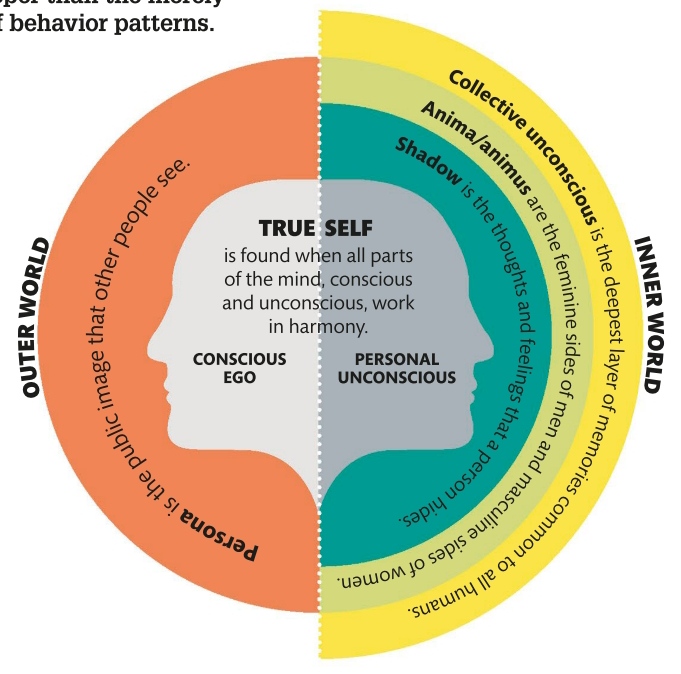

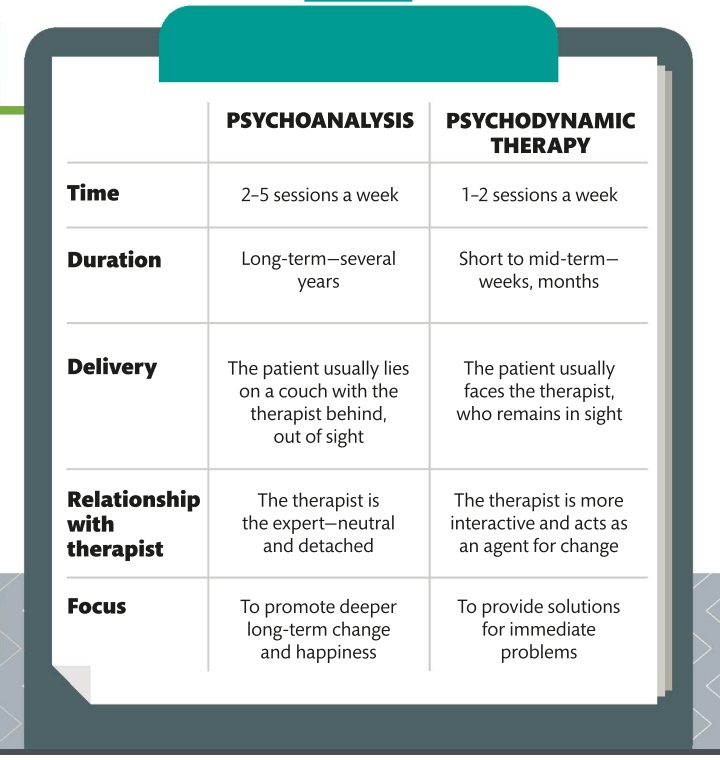





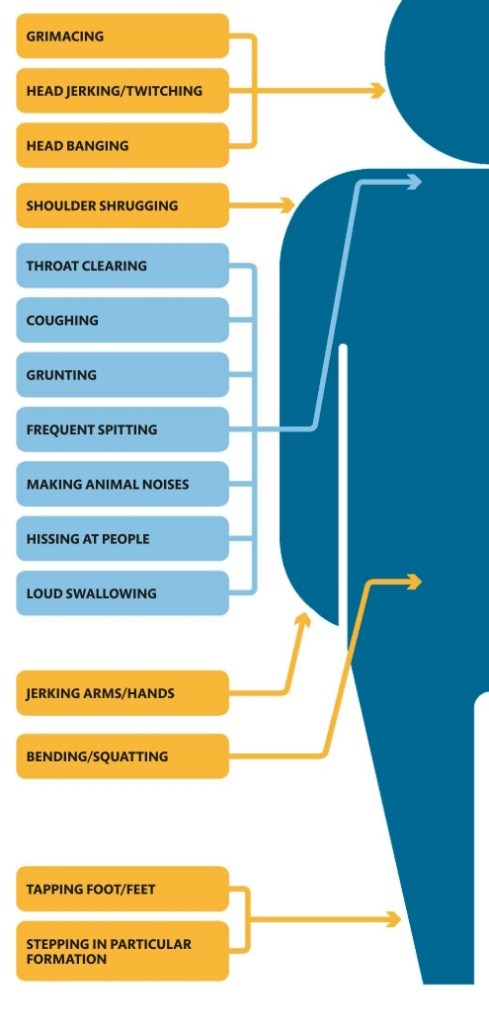
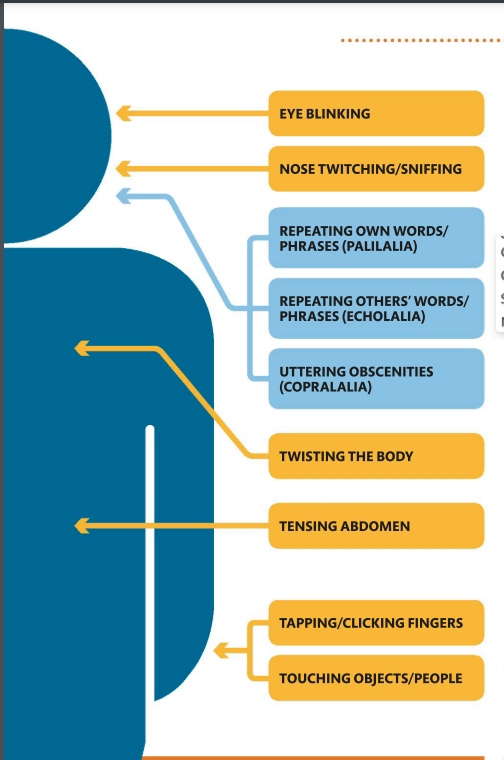

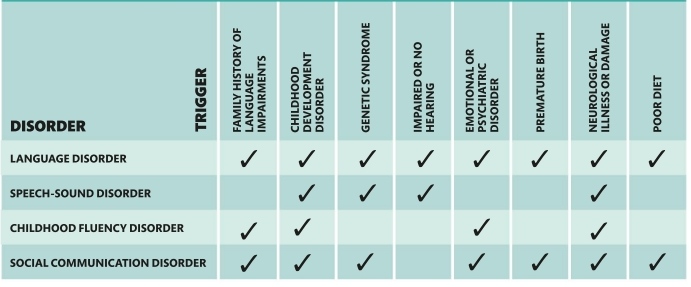

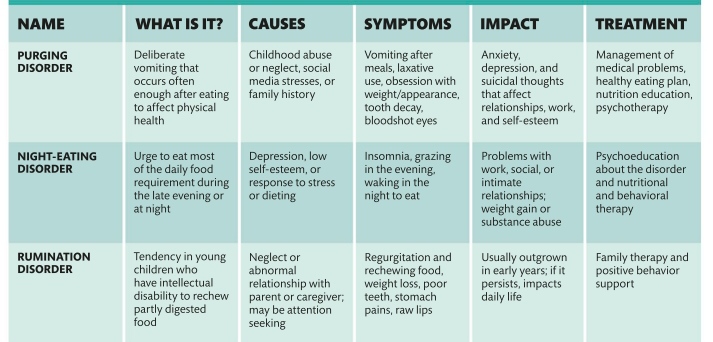

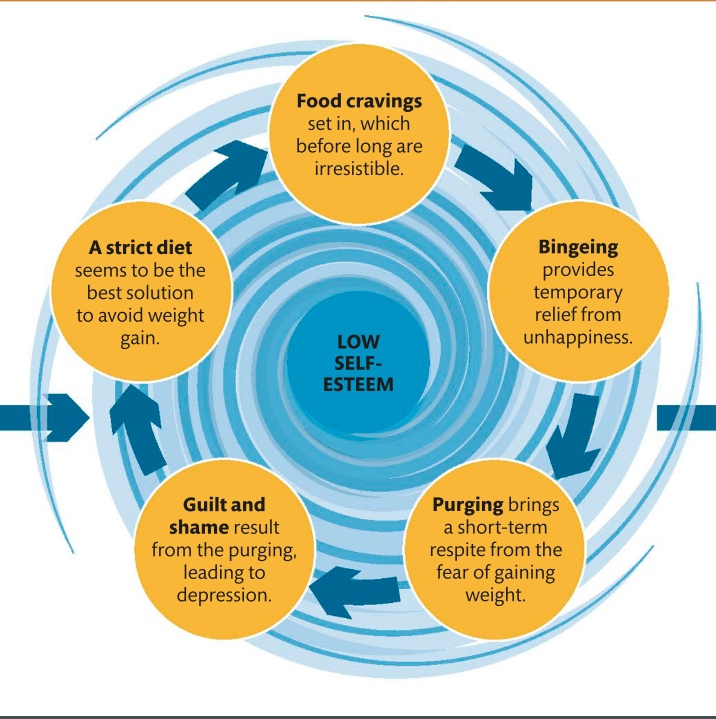



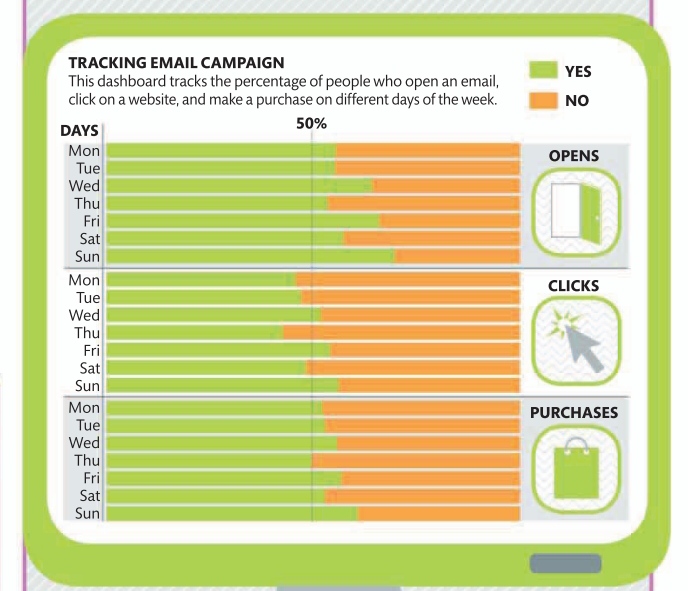

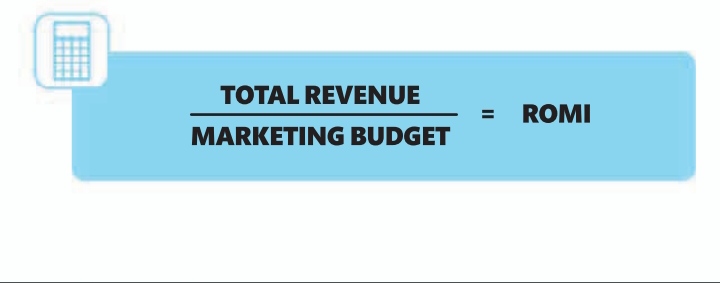
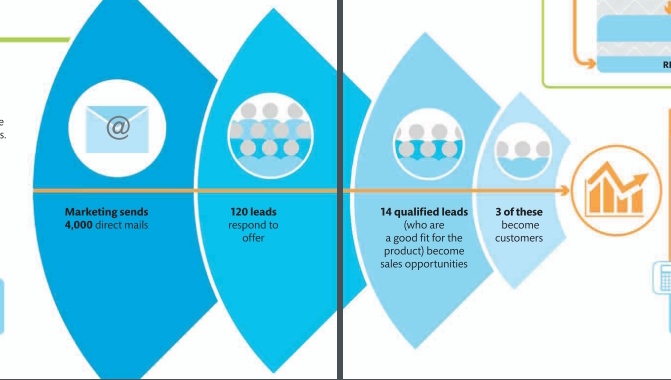
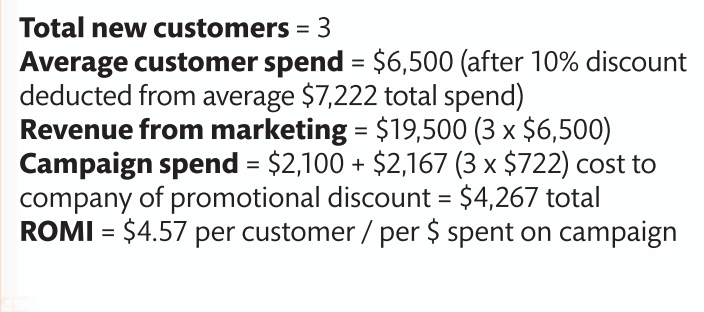
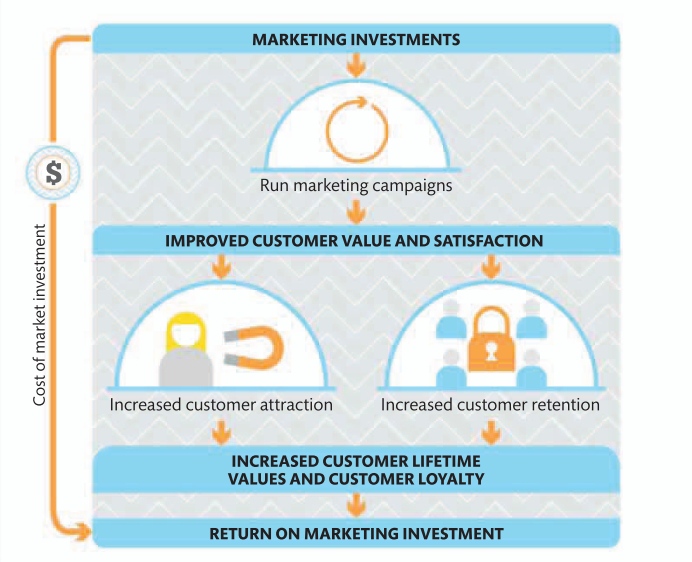


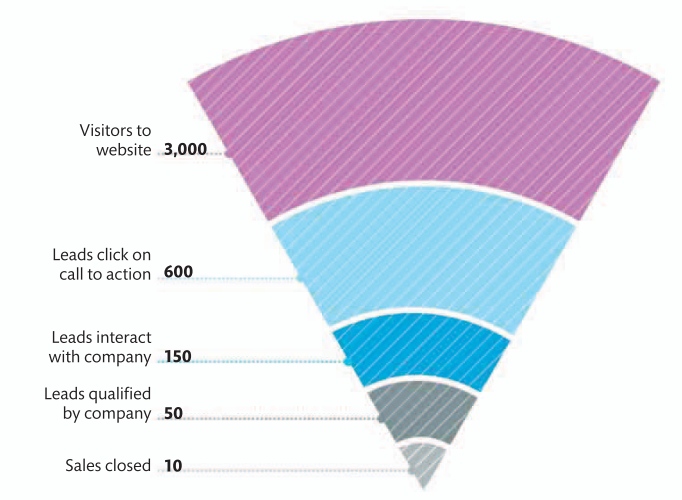

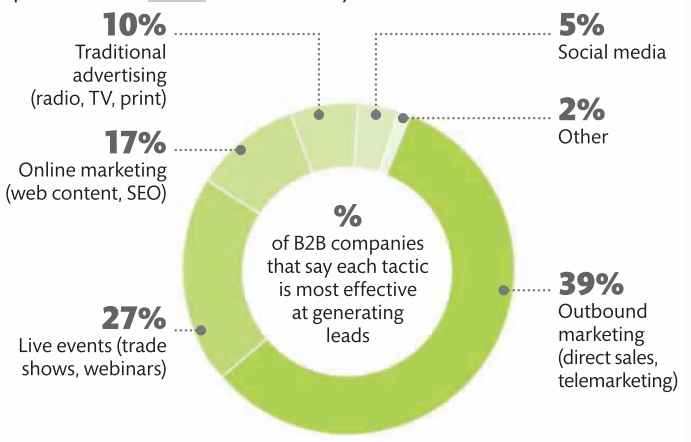

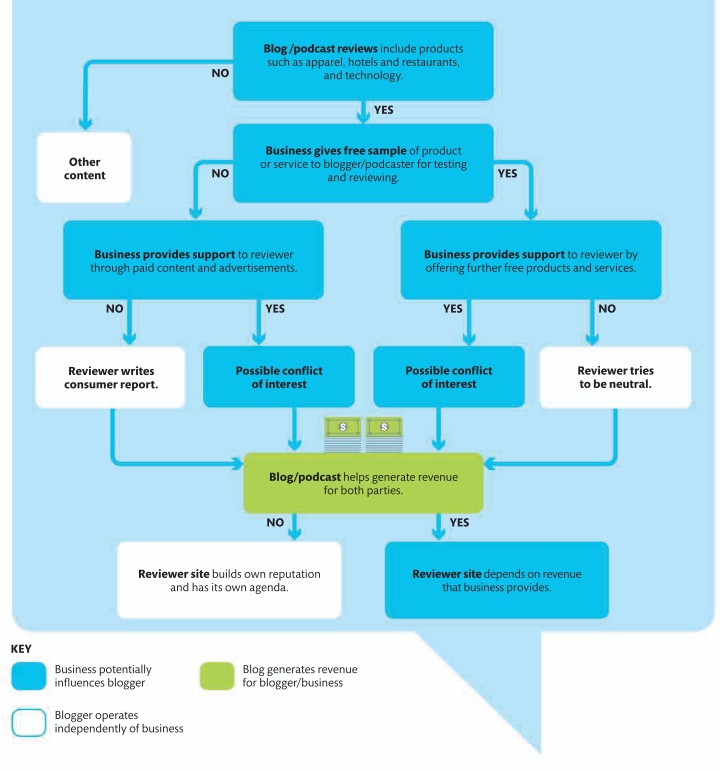

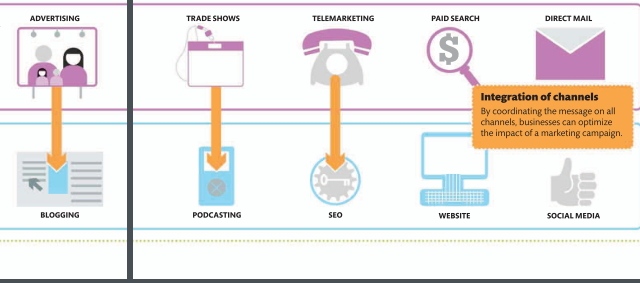

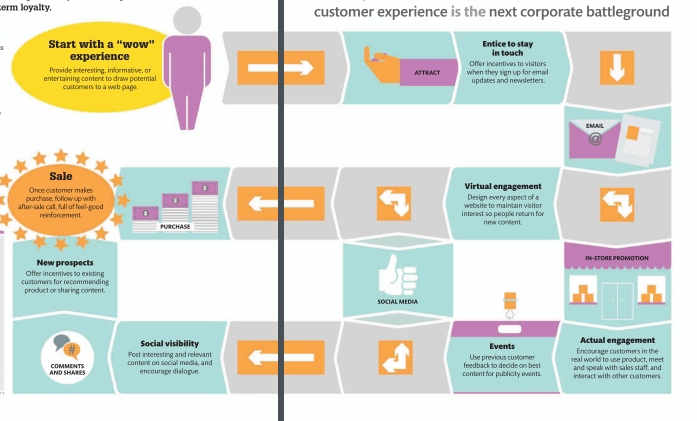

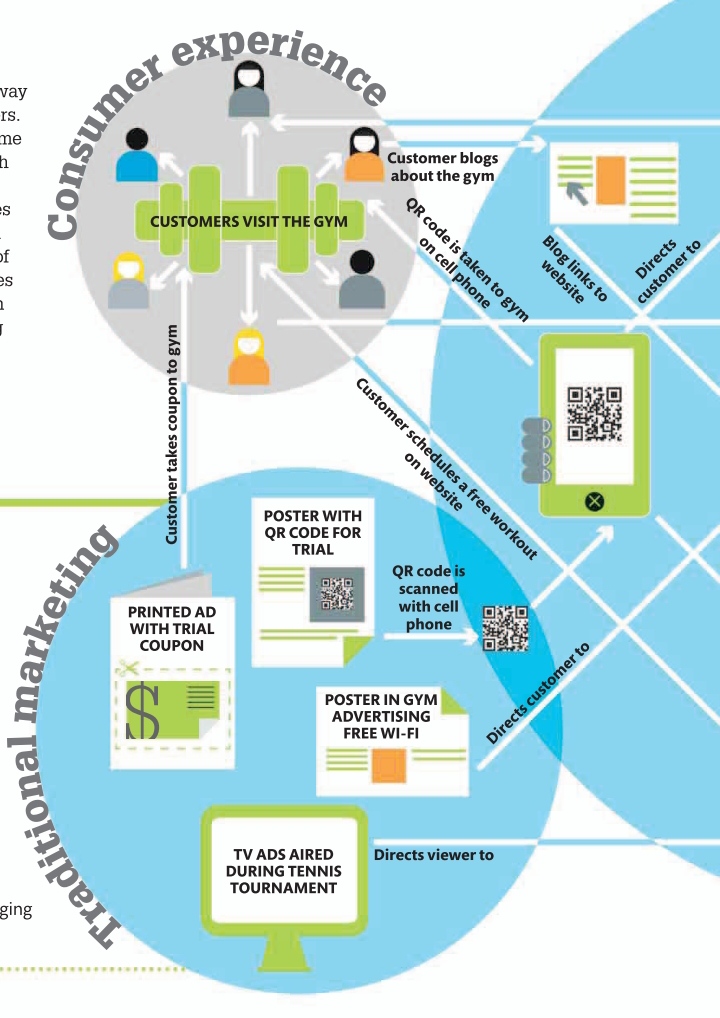
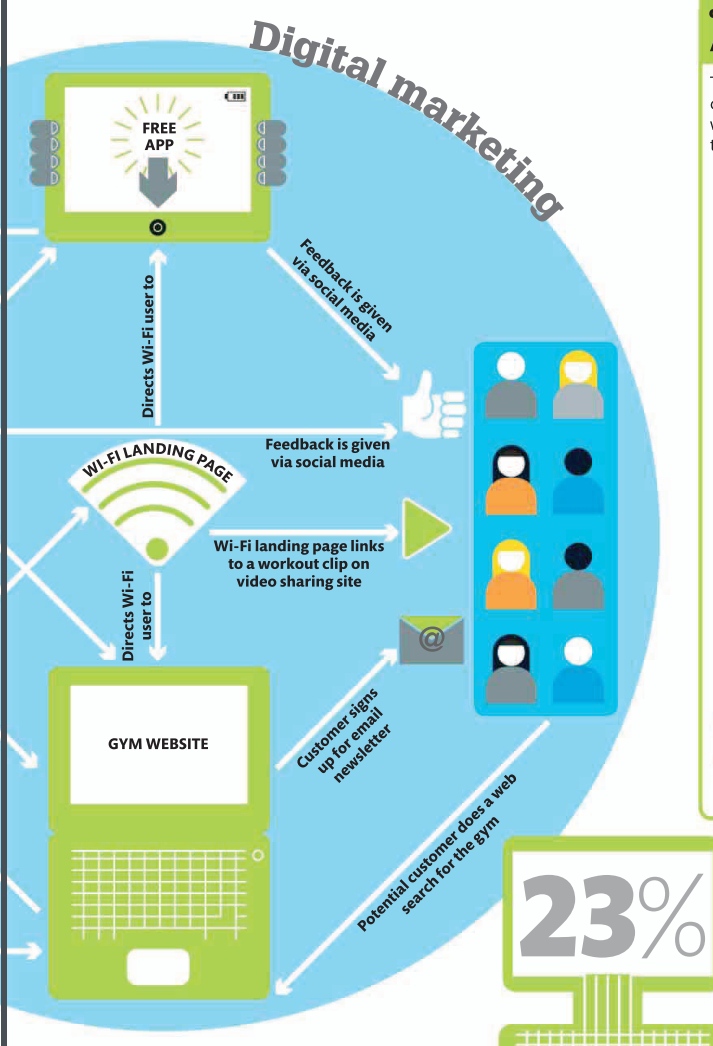

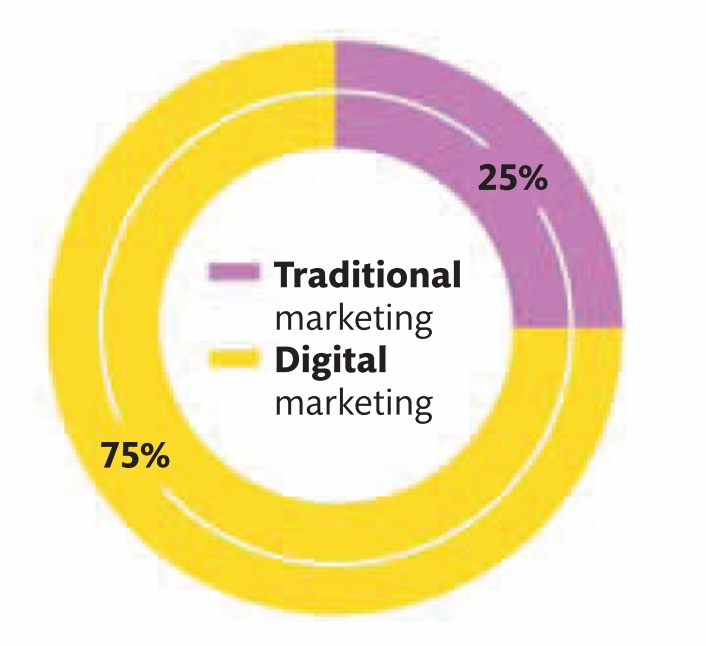

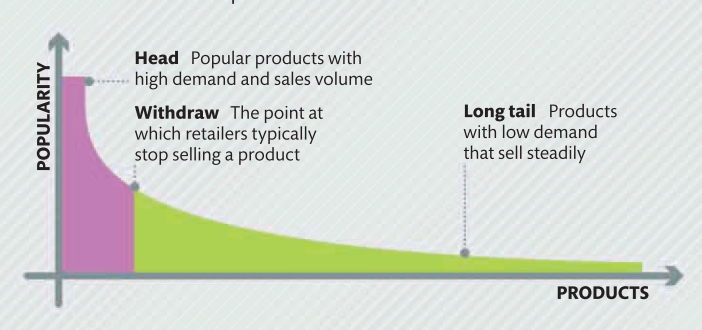

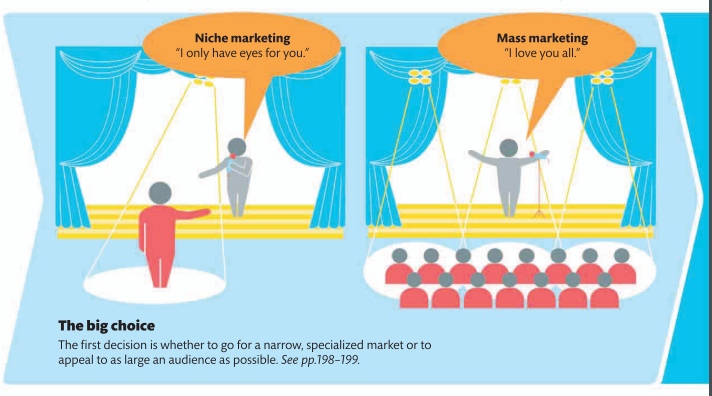

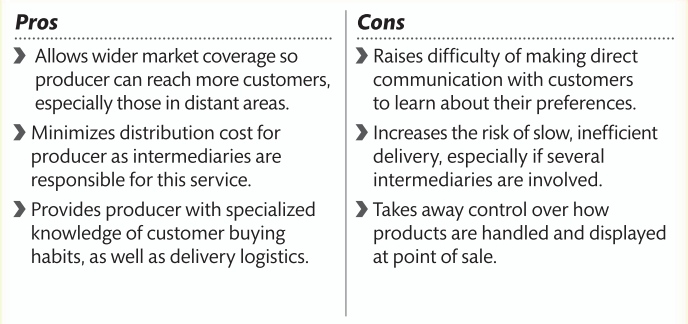


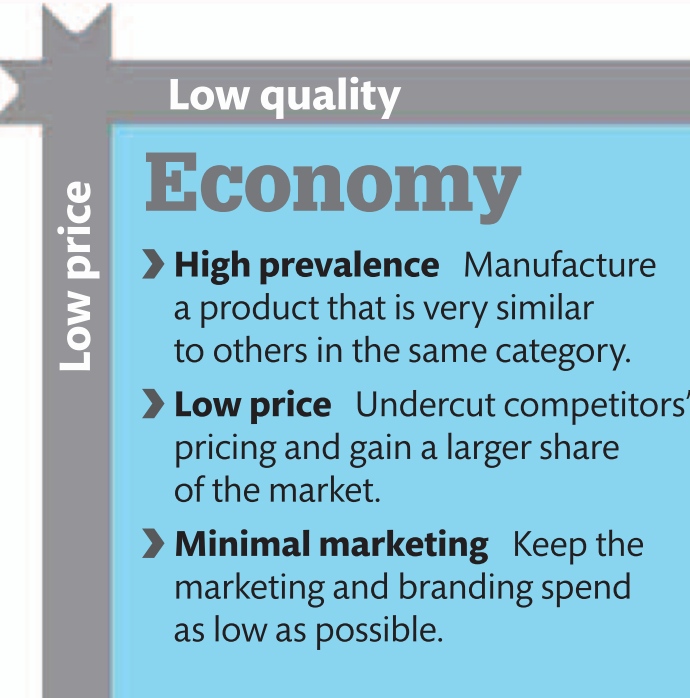

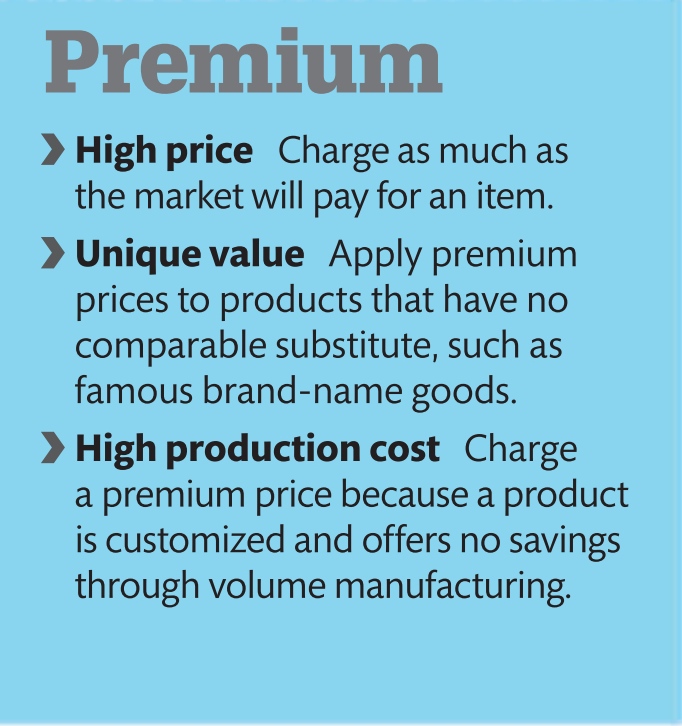
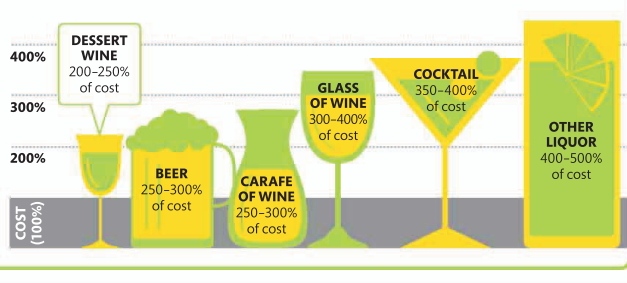

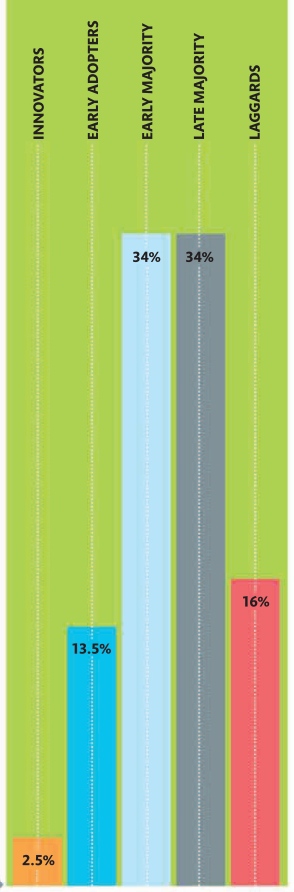

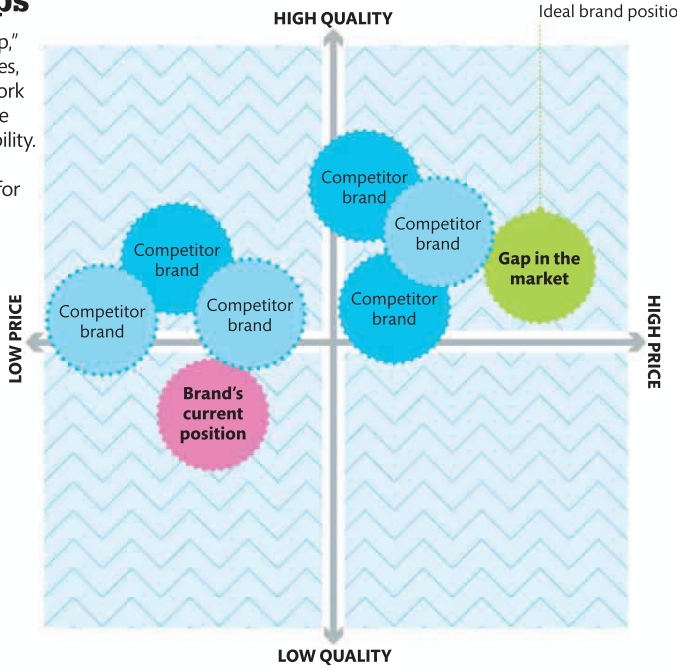
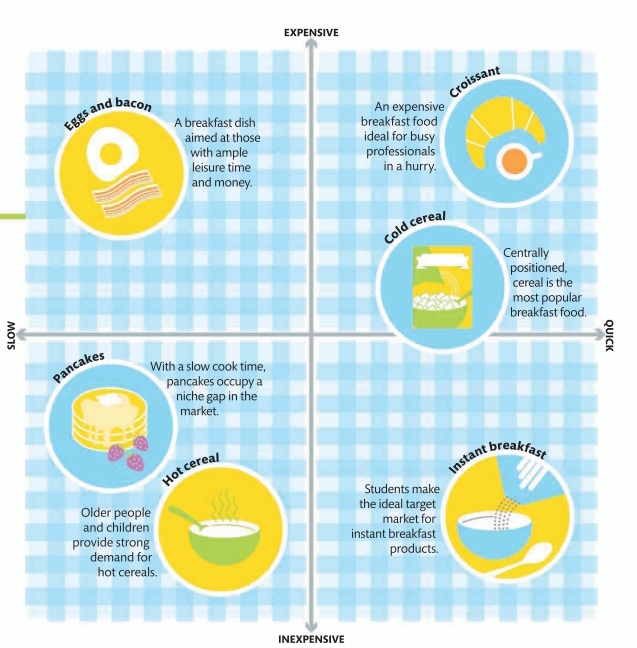

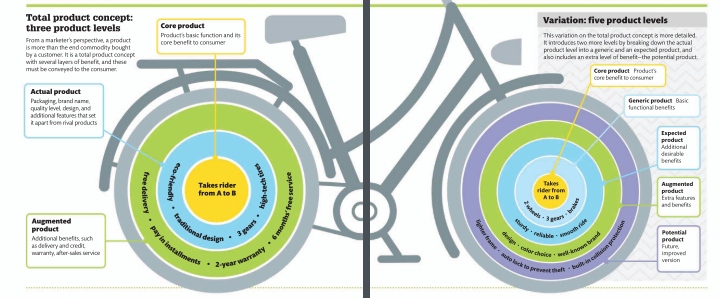

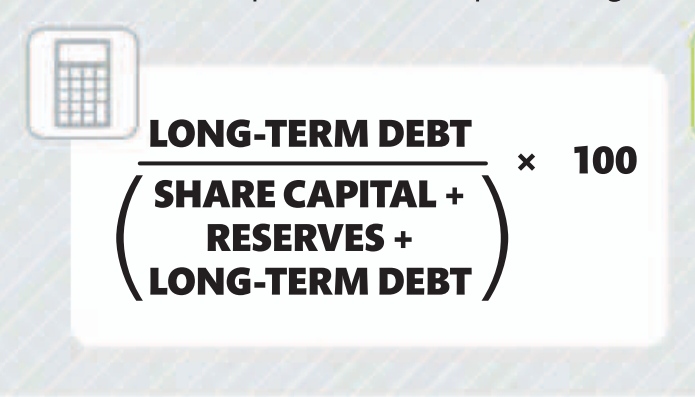
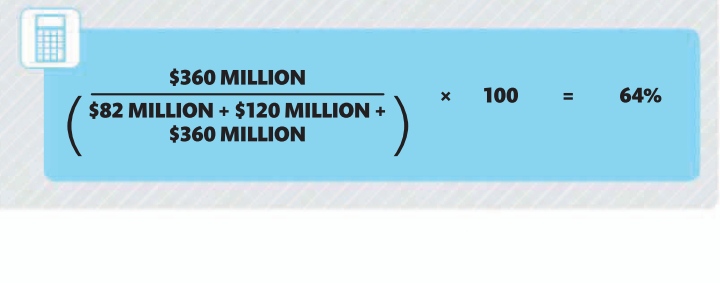

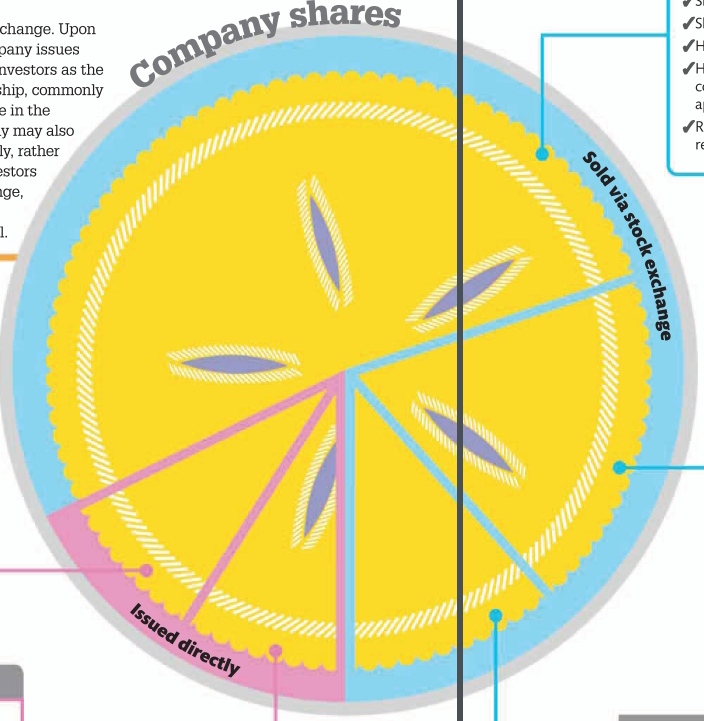
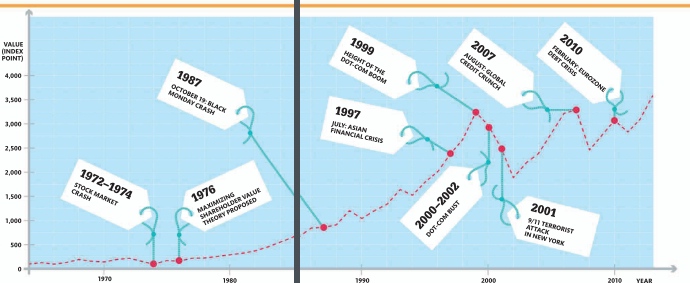

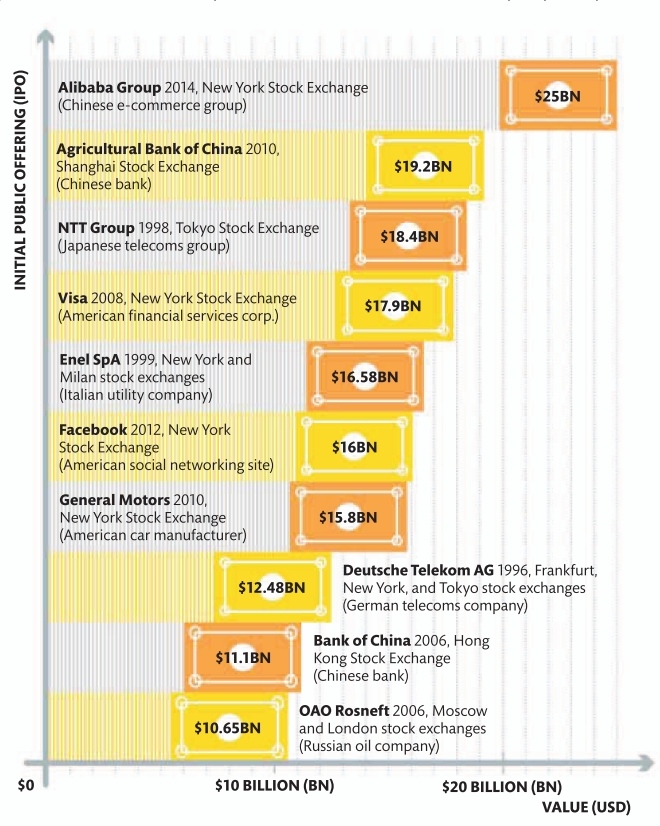

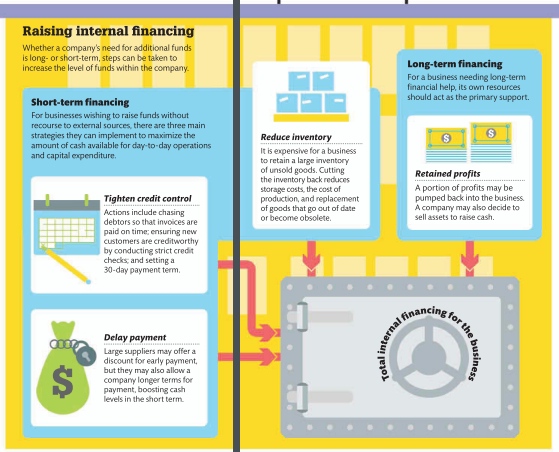
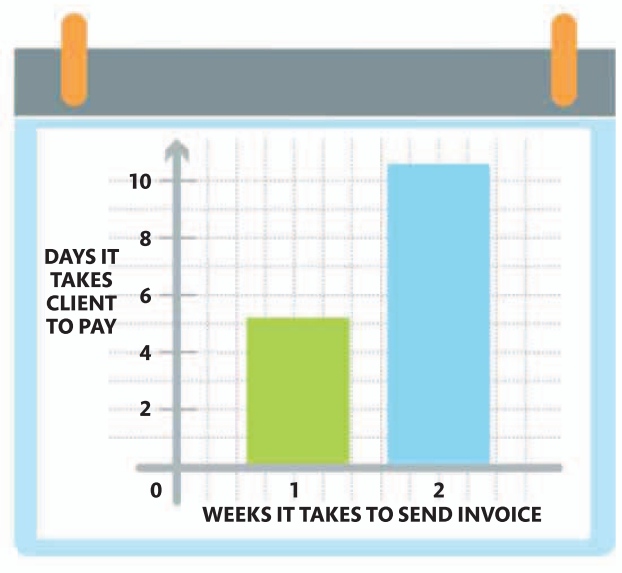

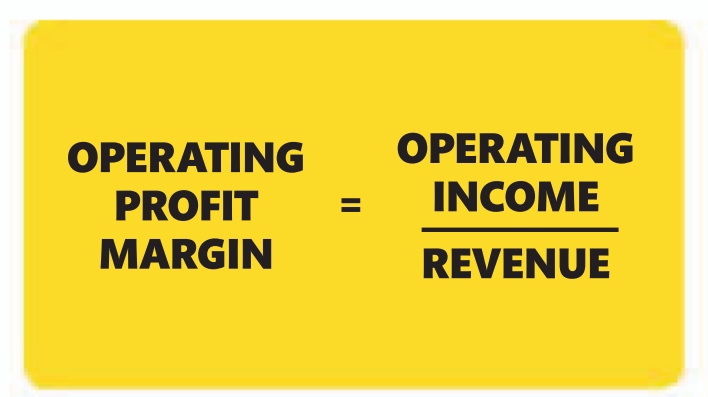
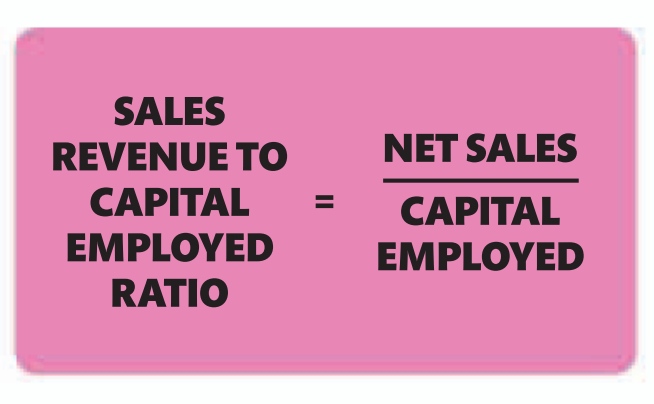
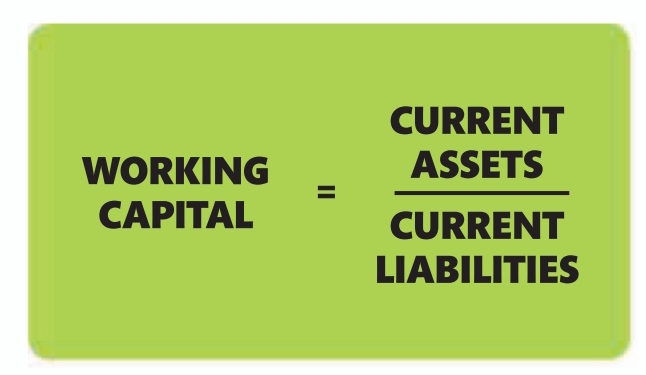
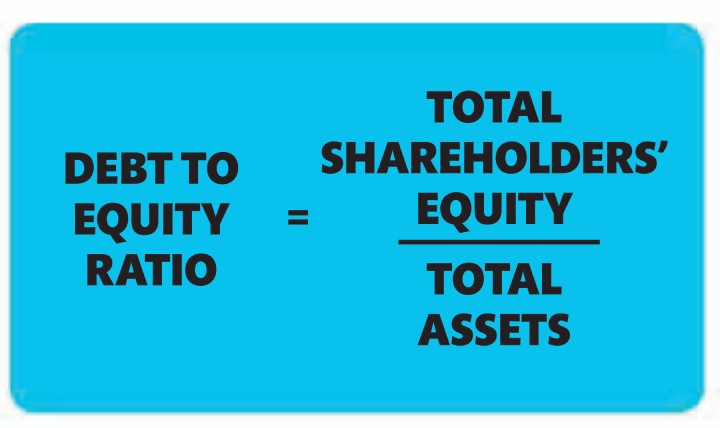
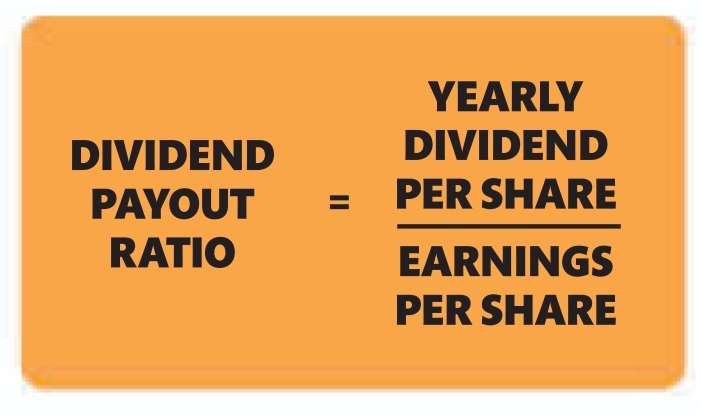

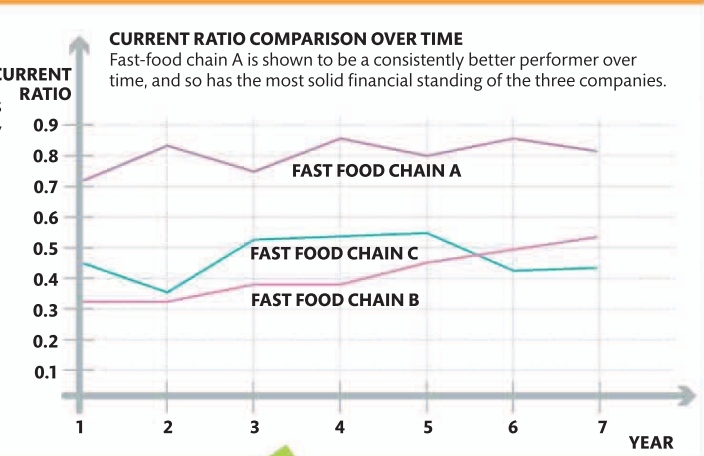

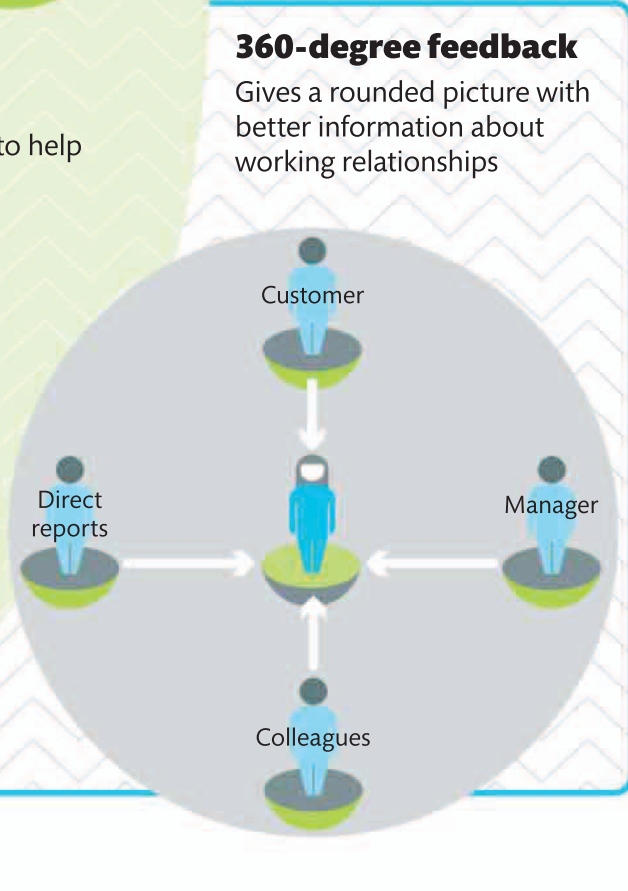

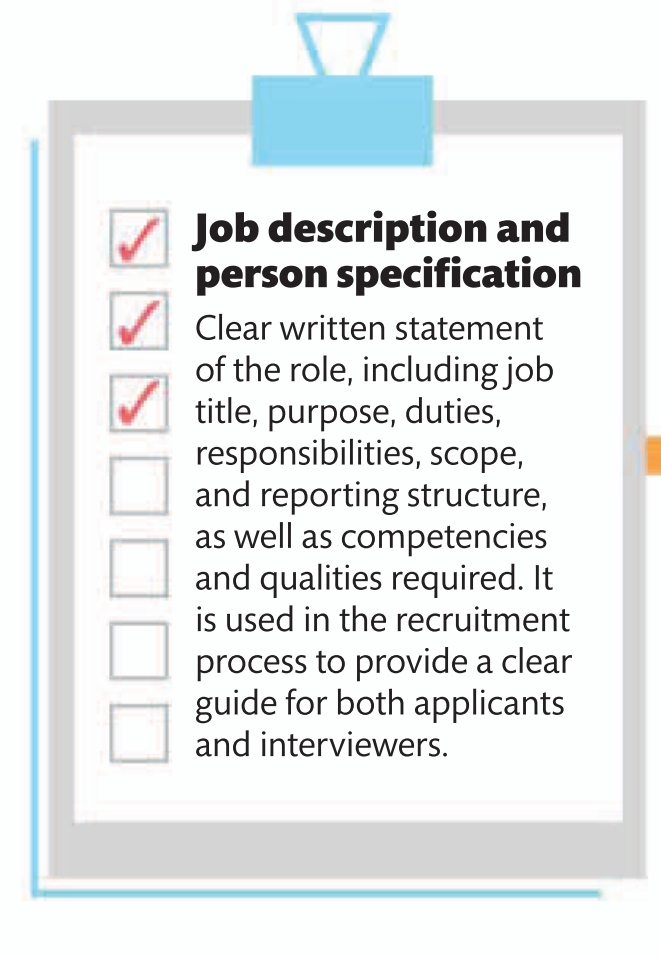



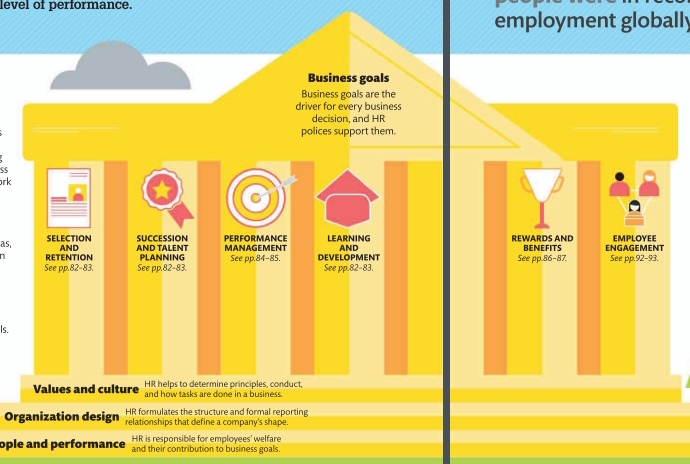

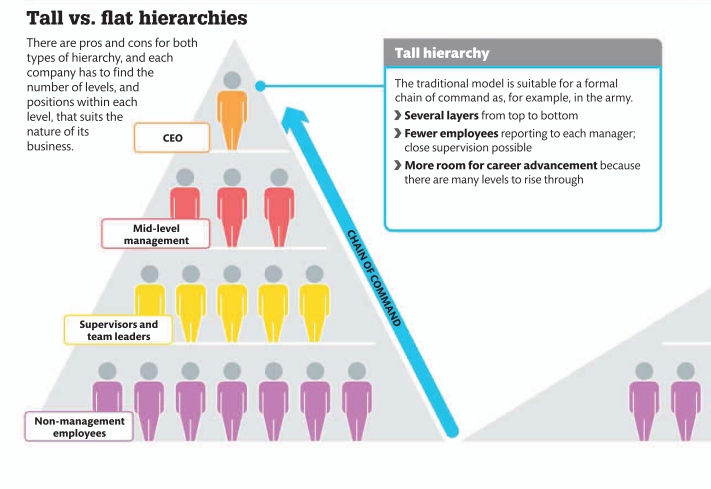
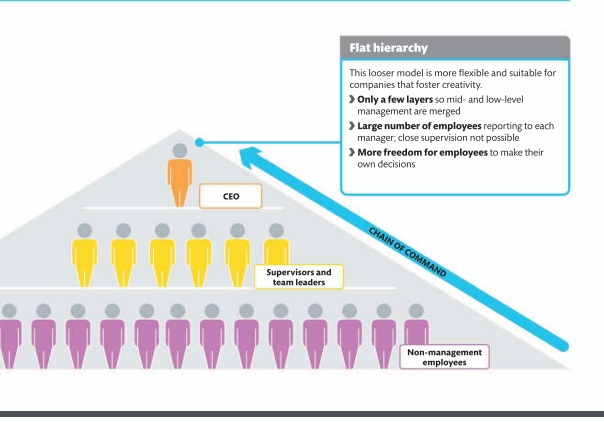

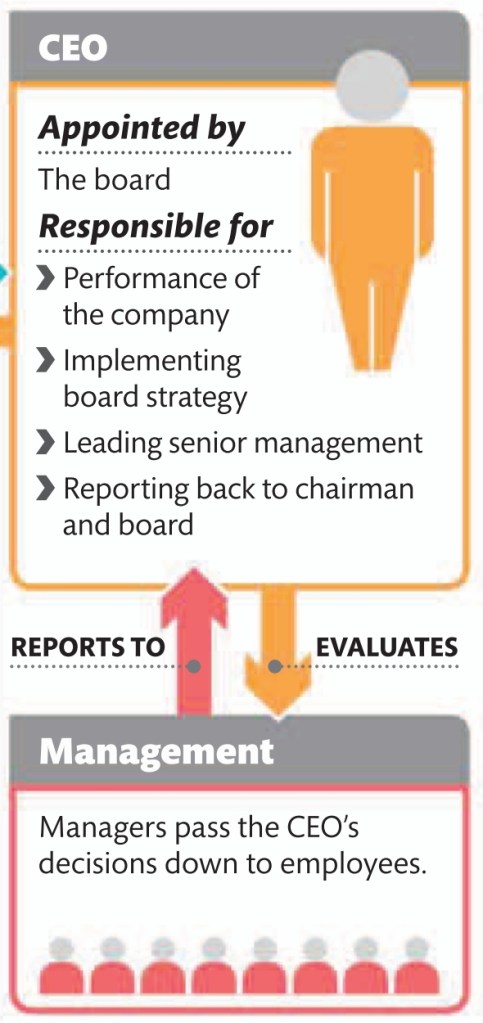
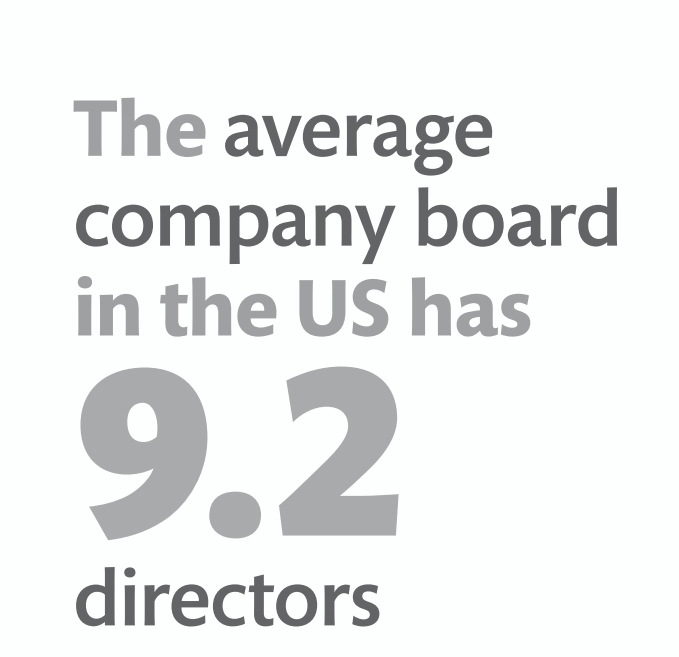
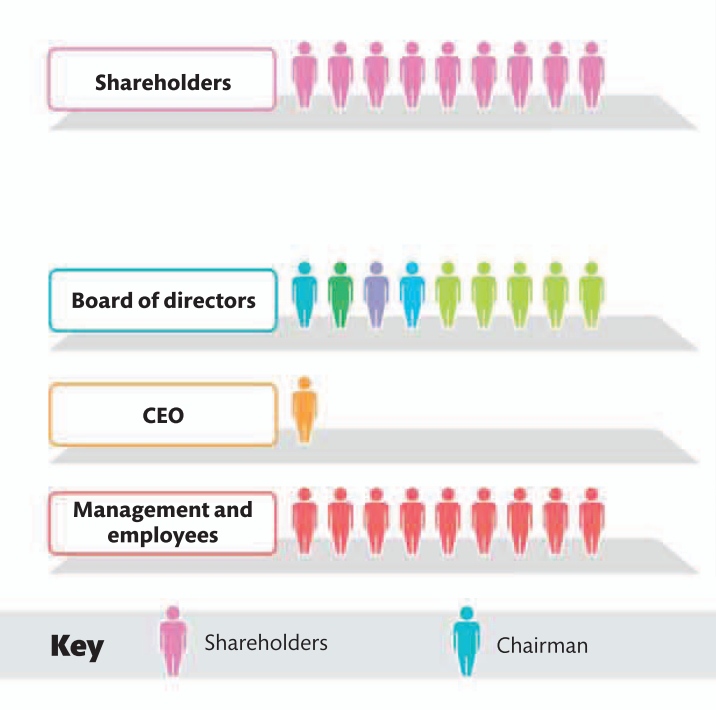
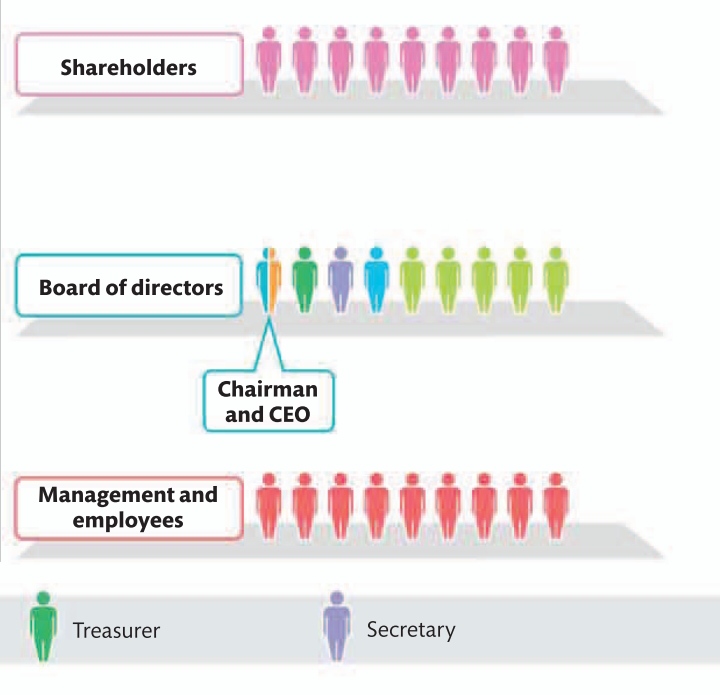
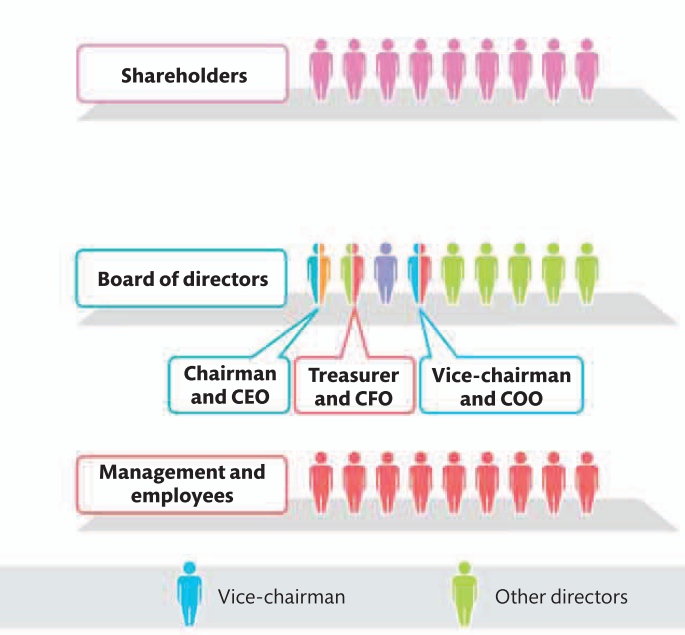
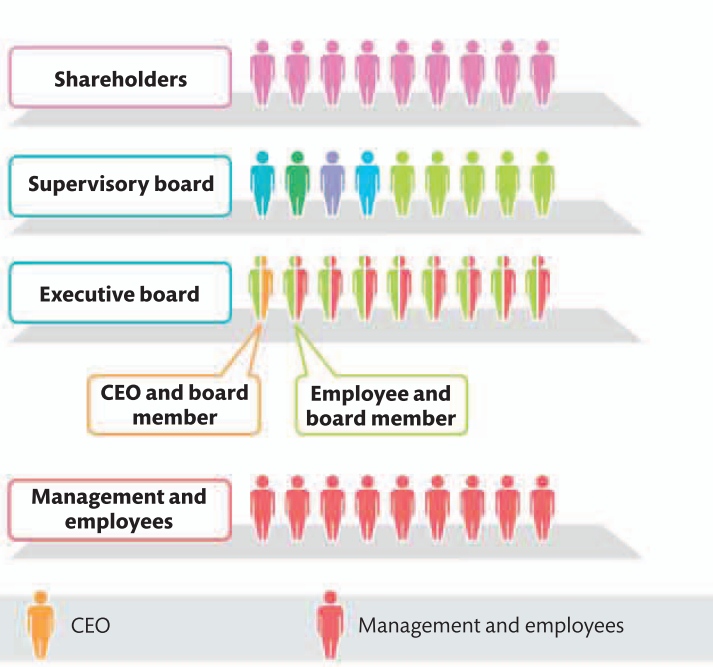









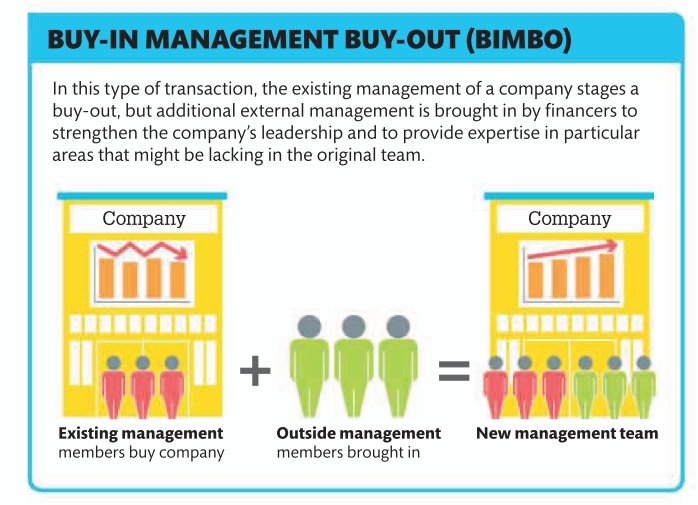
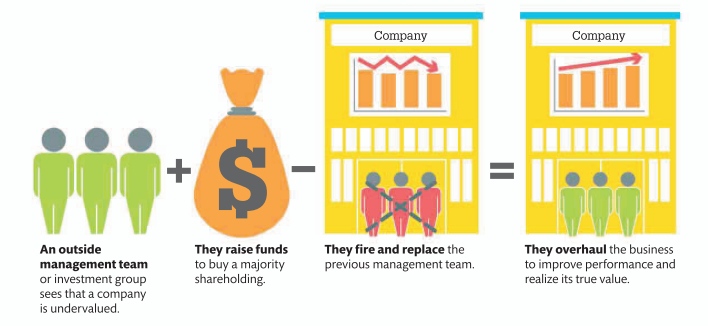
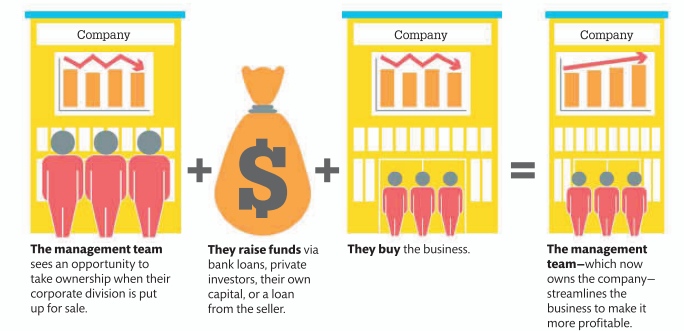
 Vnotes Education