
As a leader, you are likely to be inundated with communications, requests, new tasks, and initiatives. Recognizing—and focusing on— what is really important is critical to your success and that of your team; it is vital that how you spend your time reflects your priorities.
Managing your time
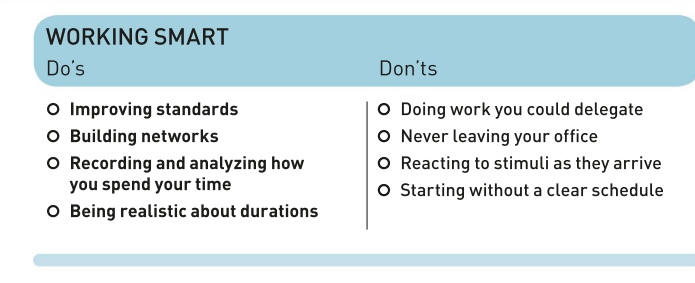
It is easy to get distracted from key tasks by less important, but nonetheless urgent activities. Prioritizing your actions is something you should schedule in every day, and approach with discipline. A simple solution is to write a “to do” list at the end of each day. Scrutinize this list, assessing each item against your vision, values, and key objectives; then, number each item in order of priority. Alternatively, try categorizing your tasks more systematically under the four headings shown below.
How to prioritize tasks
HIGH URGENCY: LOW IMPORTANCE
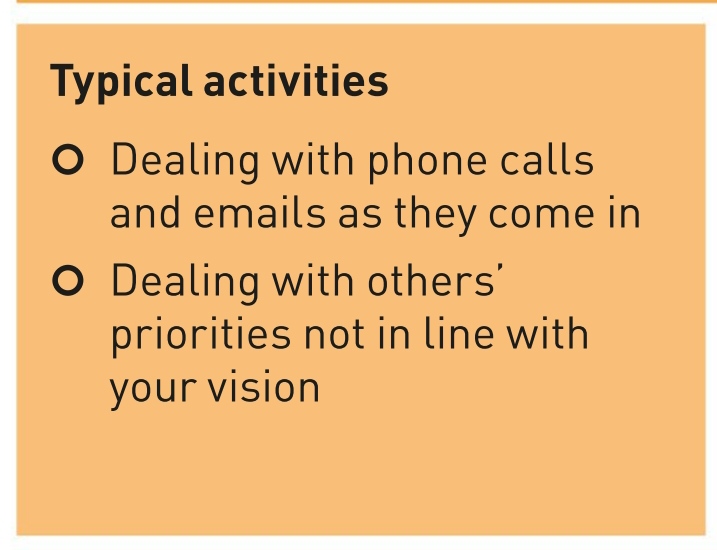
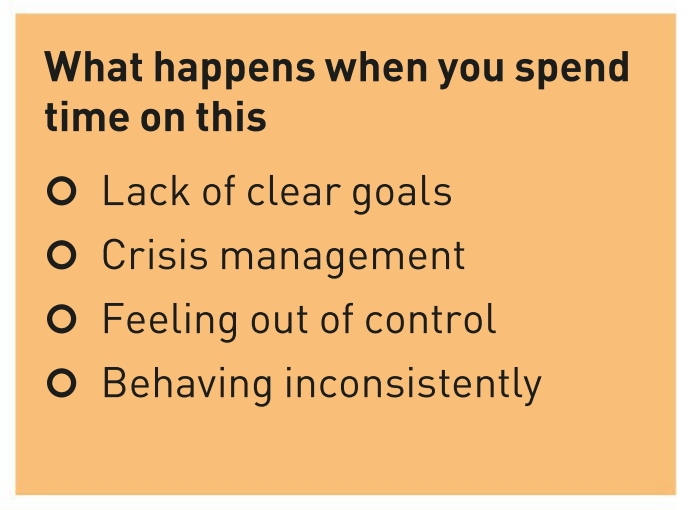
Action delegate it
LOW URGENCY: LOW IMPORTANCE
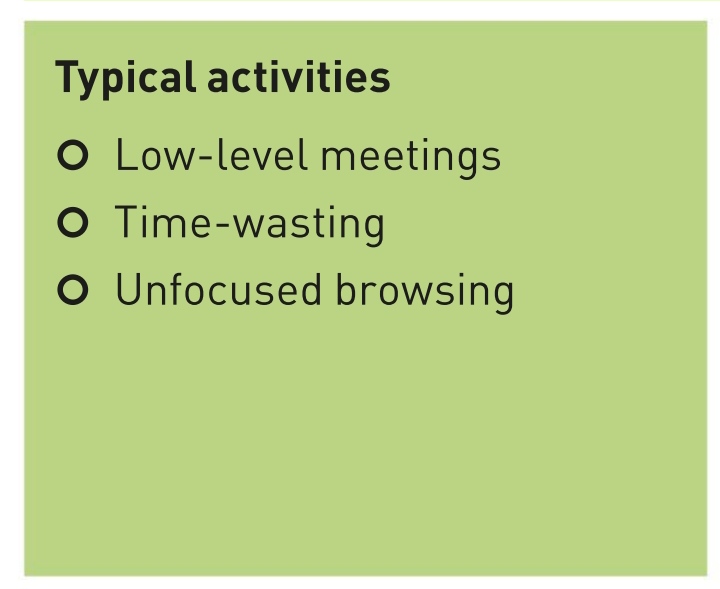
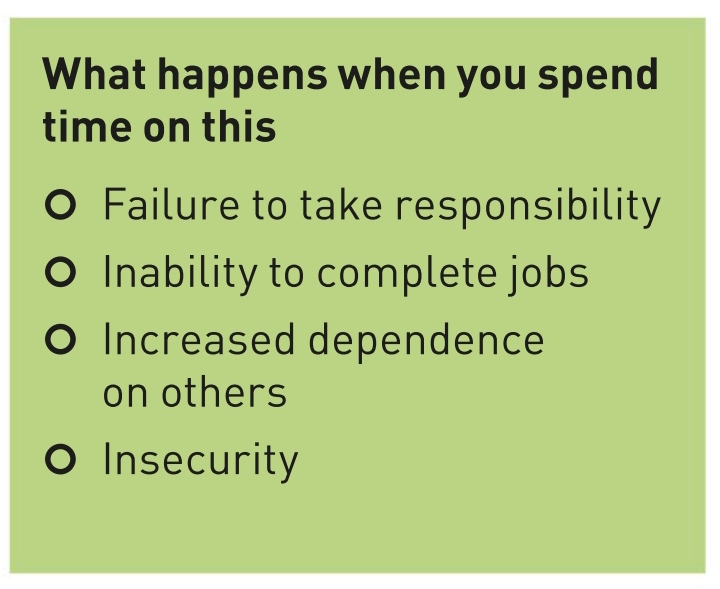
Action: Leave it
HIGH URGENCY: HIGH IMPORTANCE
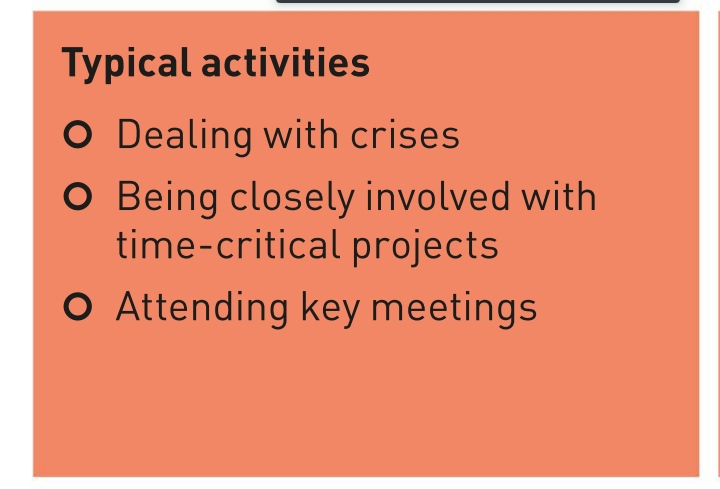
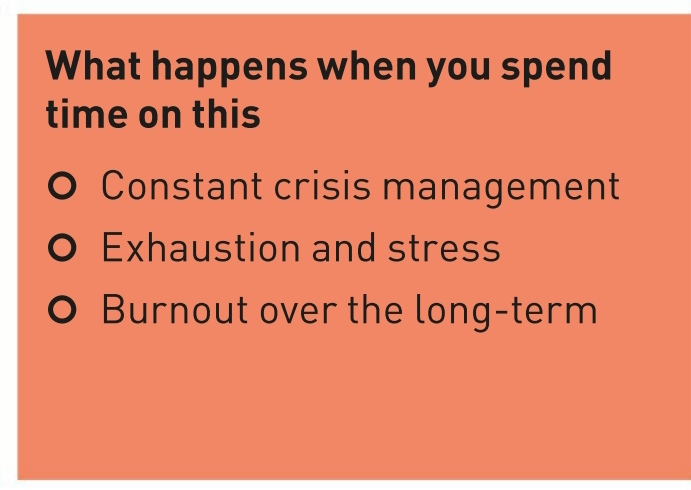
Action: Do it now, but review your time planning
LOW URGENCY: HIGH IMPORTANCE
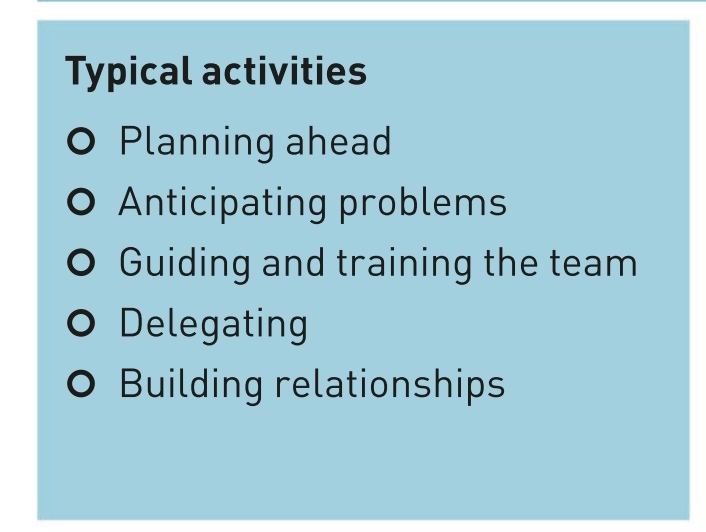
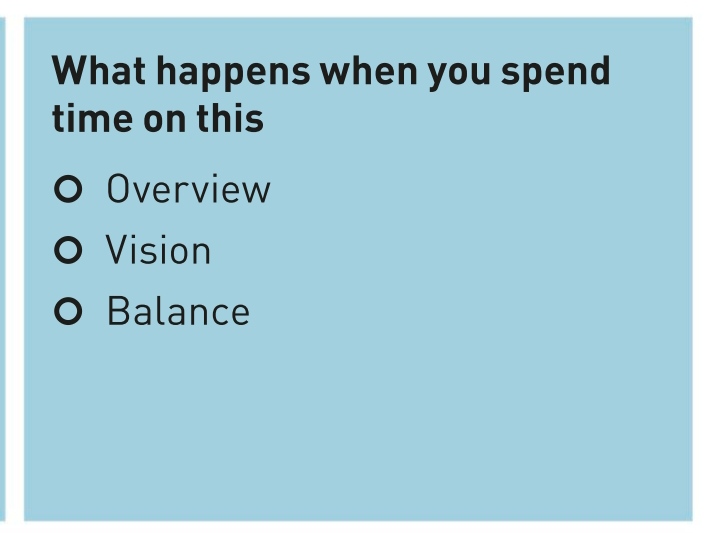
Action: Schedule it
Getting back on track
Missed or delayed deadlines and recurring problems that you never seem to get around to fixing are symptoms of faulty time management. If the root cause is not addressed, your work life could soon run out of control, sapping your energy and stifling your creativity. Stop, take some time out, and refocus your thoughts. Plan in some time to address strategic activities, and think what and how you could do to improve delegation within your team.
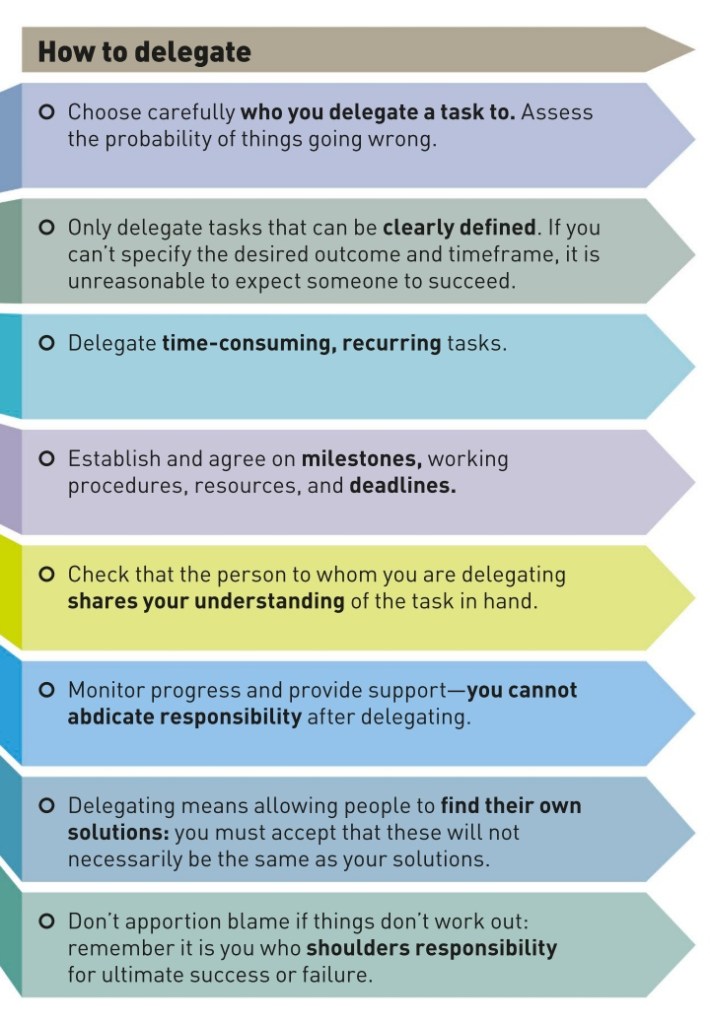
Delegating successfully
Delegation is a critical leadership skill, and one that—when done well—has
great benefits for you and your team. It liberates your schedule, makes members of your team feel valued,and develops capabilities in people throughout the organization. Delegating well requires more than just handing a task over to a subordinate, there are many issues you need to consider carefully before you act.
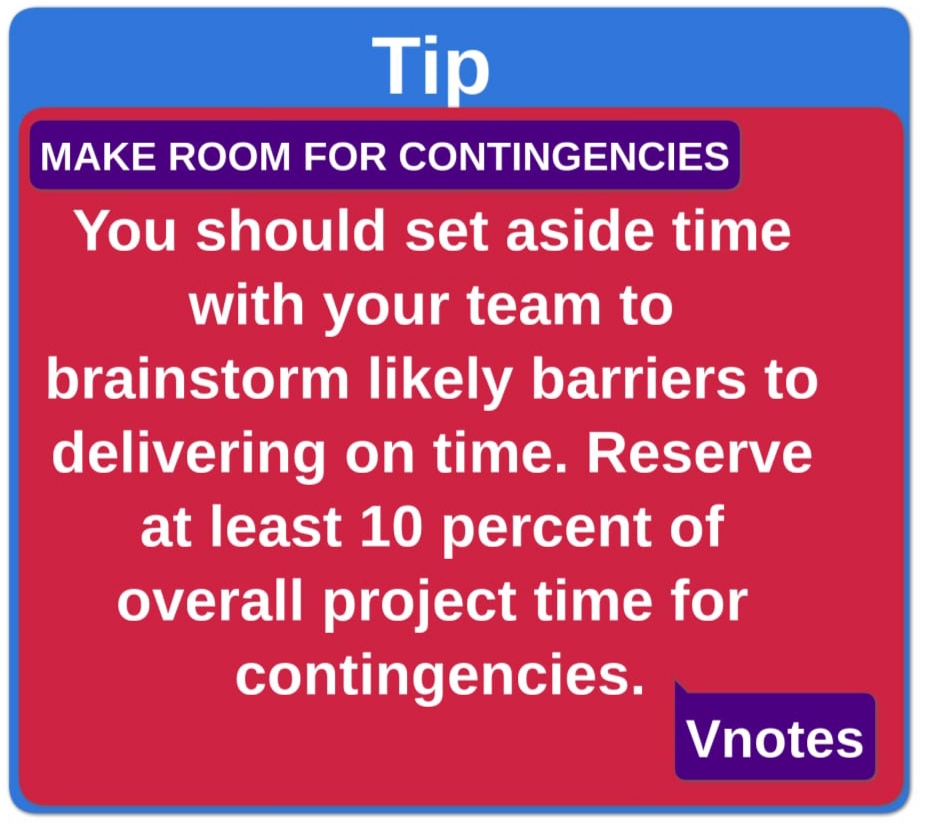
Reserve at least 10 percent of overall project time for contingencies
Selecting personnel
To identify the best member of your team to take on a particular task, try using a “Plan to Delegate” table, such as the sample at right, to give a degree of objectivity when making a decision. To use the Plan to Delegate table:
- • List all members of your team.
- • Devise your criteria for choosing someone—those on the sample table are a good starting point.
- • Rate each member of your team for all criteria from 1–10.
- • Add the scores.
- Add comments on the amount and type of training, development, or support each individual needs.
type of training, development, or support each individual needs.
When you carry out this exercise, the best fit candidate is not always the most obvious. You may have developed the habit of just asking one experienced and skilled team member to do jobs for you. However, others on the team may have more time to devote to the task, and will benefit from the experience and responsibility.
70%
of managers find it difficult to delegate

 Vnotes Education
Leave a comment