
Every experience generates a memory—whether it lasts depends on how often it is revisited. Intricate neural connections allow memories to form, and these can strengthen, aiding recall, or fade away.
What is memory?
A memory is formed when a group of neurons fire in a specific pattern in response to a new experience— these neural connections can then refire in order to reconstruct that experience as a memory. Memories are categorized into five types (right). They are briefly stored in the short-term (working) memory but can fade unless the experience is of emotional value or importance,in which case it is encoded (below) in the long-term memory. In recalling a memory, the nerve cells that first encoded it are reactivated. This strengthens their connections and, if done repeatedly, solidifies the memory. A memory’s component parts, such as related sounds or smells, reside in different areas of the brain, and in order to retrieve the memory all of these brain parts must be activated. During recall a memory can merge accidentally with new information, which fuses irrevocably with the original (known as confabulation). Endel Tulving explained memory
as two distinct processes: storing information in long-term memory, and retrieving it. The link between the two means that being reminded of the circumstances in which a memory was stored can act as a trigger to recall the memory itself.
TYPES OF MEMORY
❯ Episodic memory Recalling past events or experiences, usually closely linked with sensory and emotional information.
❯ Semantic memory Retaining factual information, such as the name of a capital city.
❯ Working memory Storing information temporarily; capable of holding between five and seven items at any one time; also known as short-term memory.
❯ Procedural (body) memory Using learned actions that require no conscious recall, such as riding a bicycle.
❯ Implicit memory Bringing back an unconscious memory that influences behavior, such as recoiling from a stranger reminiscent of someone unpleasant.
CASE STUDY: BADDELEY’S DIVERS
Studies by psychologists indicate that in retrieving memories humans are aided by memory cues. British psychologist Alan Baddeley conducted an experiment in which a group of divers were asked to learn a list of words—they learned some words on dry land and some underwater. When they were later asked to recall the words, most divers found recall easier in the physical environment in which they had first memorized them, so it was easier to remember the words learned underwater when they went underwater. Baddeley’s experiment suggested that context itself could provide a memory cue. Similarly, when a person goes to collect an object from another room but on arriving cannot recall what they were looking for, often returning to the original room triggers that memory cue.
How memories form
The process of laying down (encoding) a memory depends on many factors. Even once encoded a memory can take two years to be firmly established.
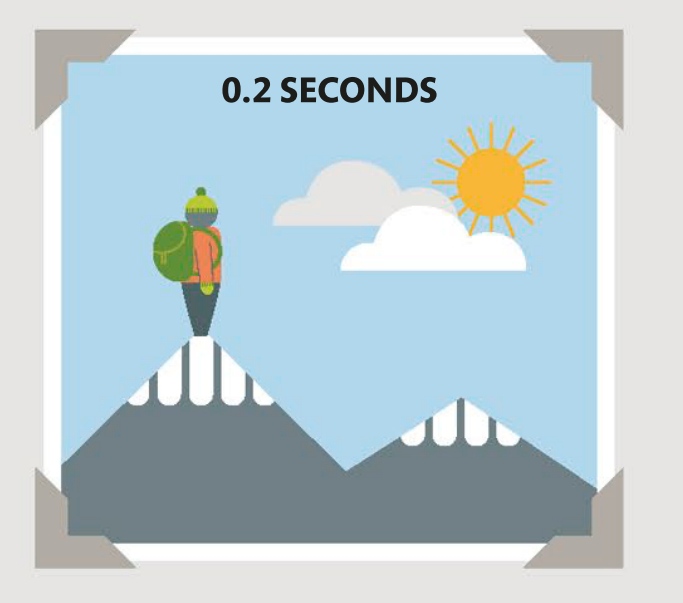
1. Attention Focusing attention on an event helps to solidify the memory: the thalamus activates neurons more intensely, while the frontal lobe inhibits distractions.
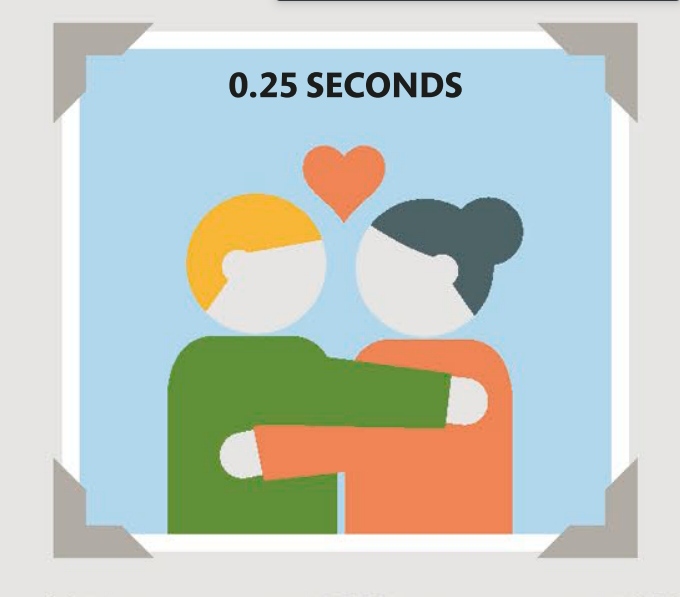
2a. Emotion High emotion increases attention, making an event more likely to be encoded into a memory. Emotional responses to stimuli are processed in the amygdala.
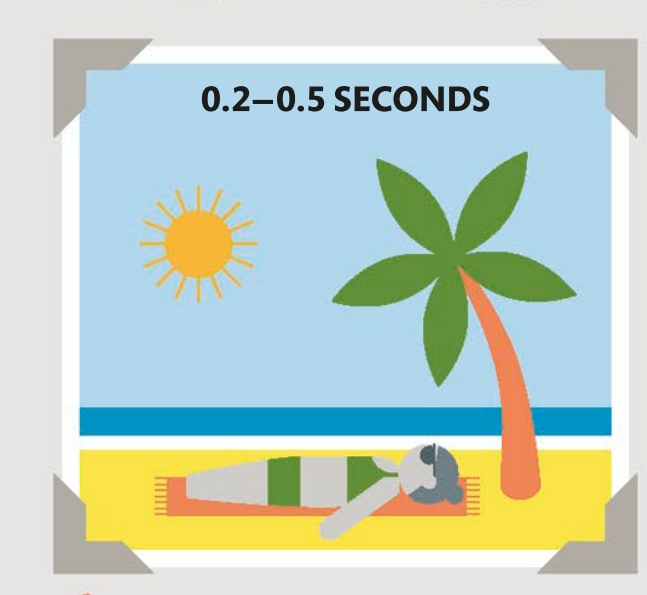
2b. Sensation Sensory stimuli are part of most experiences, and if of high intensity they increase the chances of recollection. Sensory cortices transfer signals to the hippocampus.

3. Working memory Short-term memory stores information until needed—it is kept active by two neural circuits that incorporate the sensory cortices and the frontal lobes
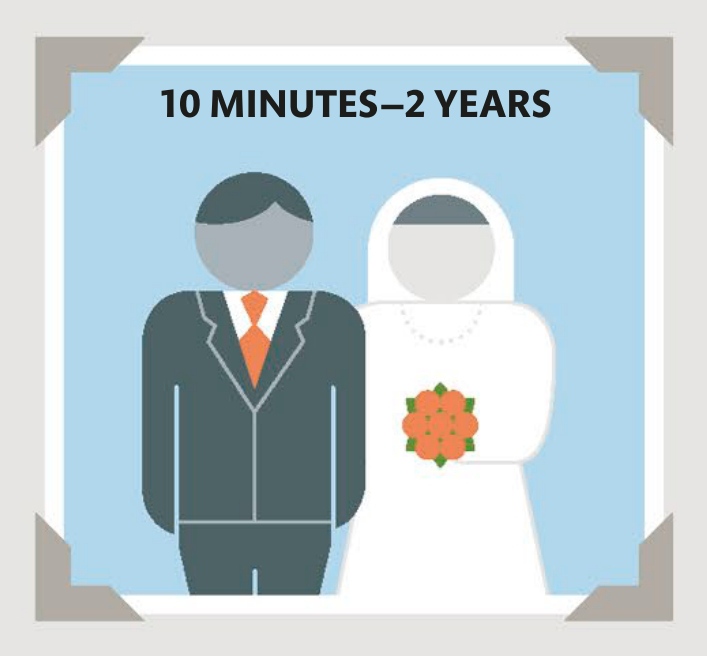
4. Hippocampal processing Important information transfers to the hippocampus, where it is encoded. It can then loop back to the brain area that first registered it, to be recalled as a memory.

5. Consolidation The neural firing patterns that encode an experience carry on looping from the hippocampus to the cortex—this firmly fixes (consolidates) it as a memory.
“Memory is the treasury
Cicero, Roman politician
and guardian of all things.”
 Vnotes Education
Leave a comment