
Also known as post-concussion syndrome, this is a degenerative condition of the brain characterized by physiological and psychological disturbances following closed head injuries.
What is it?
CTE is most often seen in service personnel or people who take part in high-impact contact sports, such as football, rugby, or boxing, and there is no cure. Physical symptoms include headache, dizziness, and pain. Psychological symptoms are memory loss, confusion, impaired judgment, impulse-control problems, and even hallucinations. An individual may become aggressive and have difficulty maintaining relationships. Signs of Parkinson’s and dementia can emerge later. The disturbances may develop early, or emerge years after the head trauma. A preventive approach is advisable, with the use of protective headgear and the introduction of rules that disallow contact above chest or shoulder height in sport. At the moment it is possible to
diagnose CTE only after death. Tests, brain scans, and biomarkers are being developed to help identify the condition earlier.
Cumulative effect of head injury
Multiple blows to the unprotected skull can lead to irreversible injury. In a study of 100 people with mild head injury, 20–50 showed symptoms of CTE three months after the initial injury, and about 1 in 10 still had problems a year later.
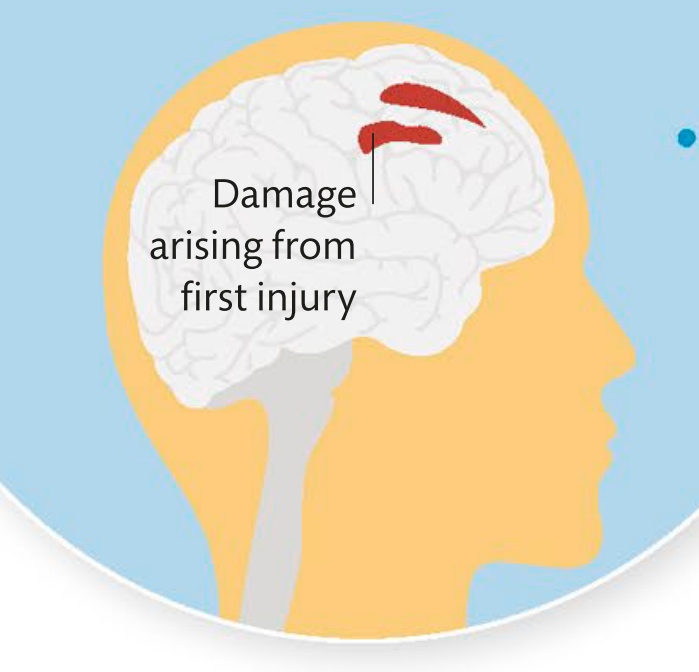
1.A blow to a healthy brain
can cause concussion but a person is likely to recover completely.
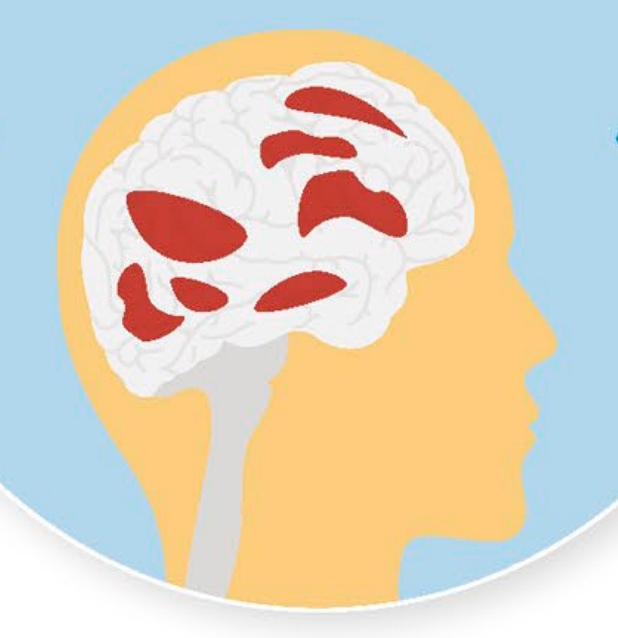
2.The initial injury can leave a vulnerability, so the brain is less
able to recover from a second one.
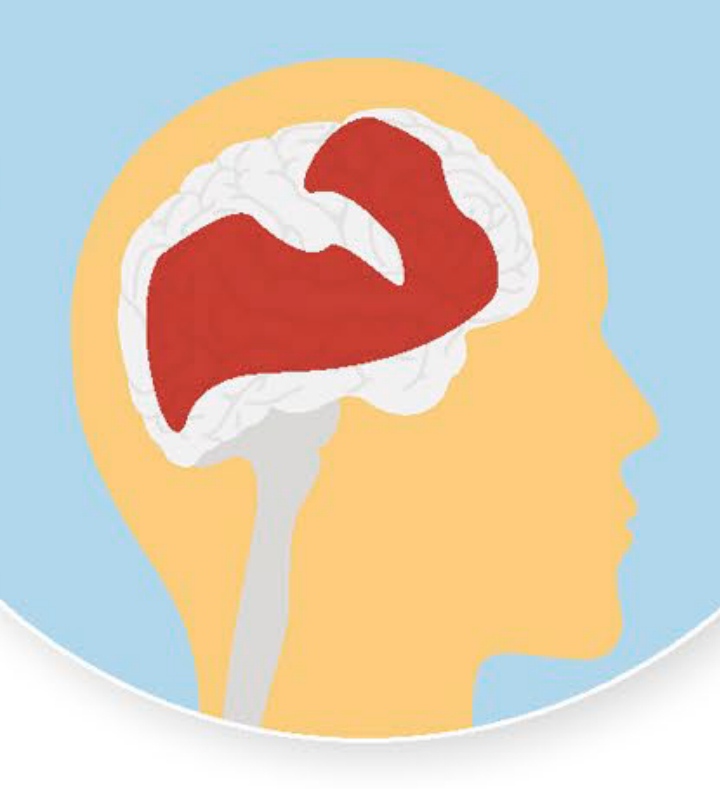
3.After three or more blows the brain is more susceptible to
widespread, permanent damage.
CTE was identified in 99% of former US National Football League players
 Vnotes Education
Leave a comment