
Also known as compulsive gambling, this is an impulse-control disorder that exists when a person repeatedly gambles despite the significant problems or distress it causes themselves and others.
What is it?
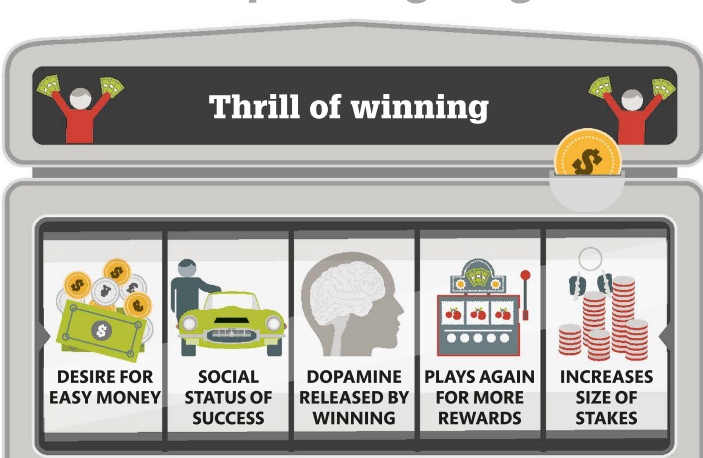
The thrill of winning releases dopamine from the reward center in the brain. For some people the act of gambling becomes addictive and they need ever bigger wins to achieve the same thrill. Once a gambling disorder takes
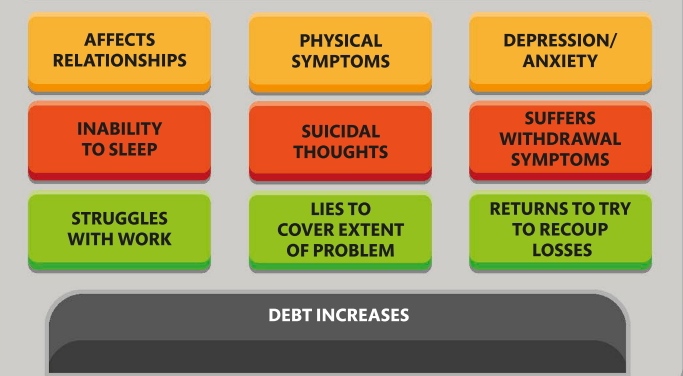
hold, the cycle is difficult to break. The disorder may start from desperation for money, the need to experience the highs, the status associated with success, and the atmosphere of a gambling environment. The person can become irritable if they attempt to cut down, and then may gamble because of the distress. Severe disorders can take hold through a financial desperation to recoup lost money. Even when the person finally wins again, it is rarely enough to cover losses. Aside from significant financial loss, excessive gambling can impact badly on relationships. It can also cause anxiety, depression, and suicidal thoughts. Physical signs can include sleep deprivation, weight gain or loss, skin problems, ulcers, bowel problems, headaches, and muscle pains. Because most people do not admit they have a problem, a major component of treatment is helping them to acknowledge it. The true prevalence of the disorder is not known because so many hide their habit.
TREATMENT
❯ Cognitive behavioral therapy to help people learn to resist the beliefs and behaviors that maintain the disorder.
❯ Psychodynamic therapy to help grasp the meaning and consequences of the behavior.
❯ Self-help groups and counseling to help understand how the behavior affects others.
1%of the American population are pathological gamblers
 Vnotes Education
Leave a comment