
Determining a company’s hierarchy—including how many layers of power it has, and how many staff to appoint at each level—is one of the biggest challenges of modern management. In family-run businesses, positions are usually filled by family members who answer to the head of the family. The emergence of public companies has meant that company ownership is separated from management, so that shareholder interests are prioritized.
Who’s who in an organization
Stakeholders and shareholders
Stakeholders are anyone with a vested interest in the company. Shareholders are stakeholders who have bought stock in the company.
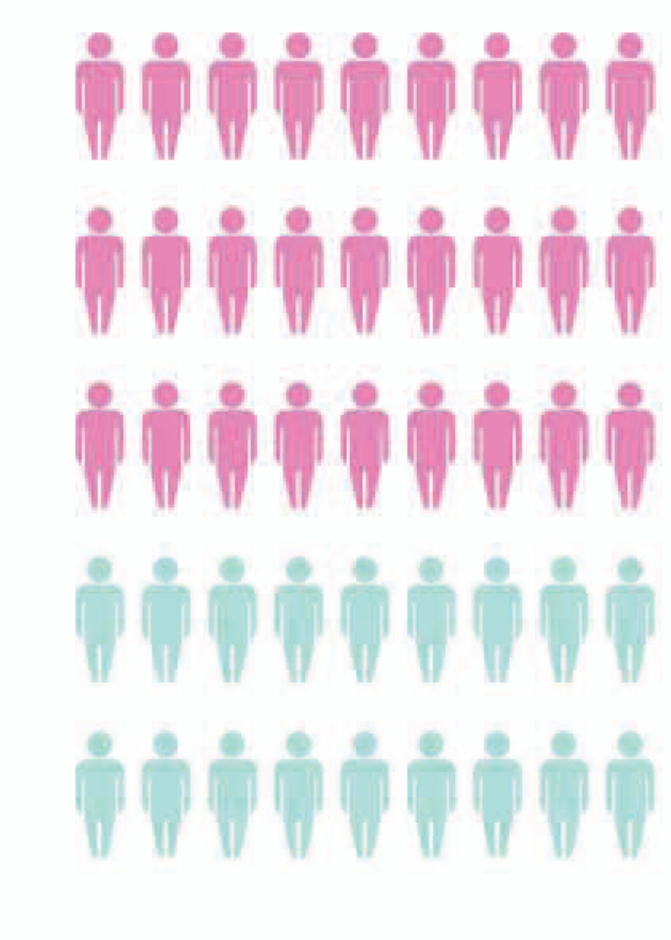
Board of directors
The board of directors makes sure the
company is run profitably to provide returns to shareholders. The board votes in a chairman, who is sometimes also the chief executive officer (CEO).
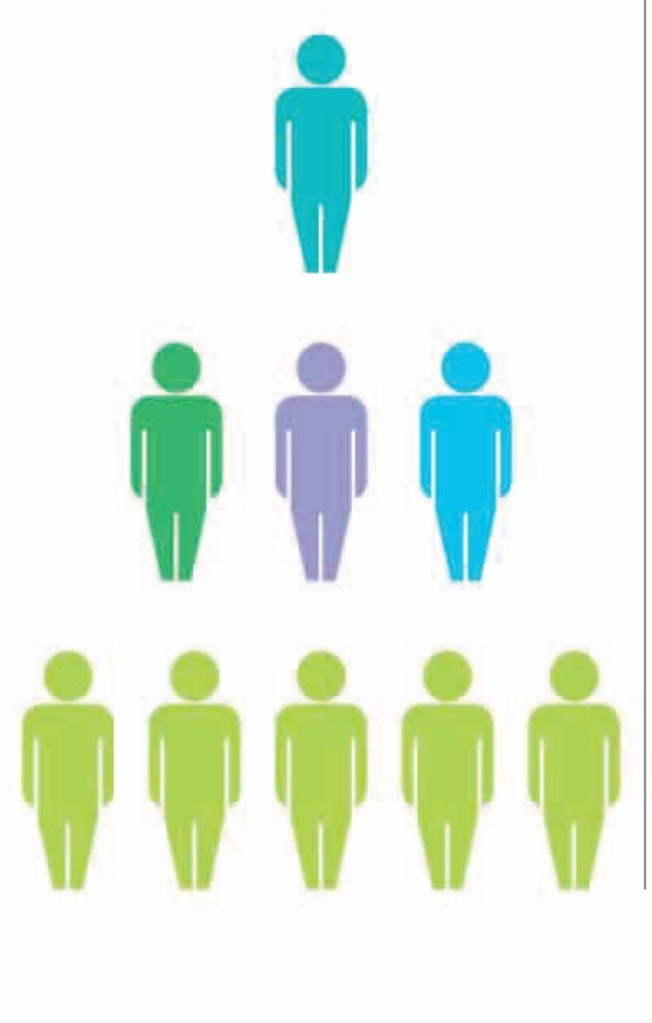
C-suite executives
The top level operates the company day to day and sets strategy. All titles of top management begin with a “C” for chief. Senior managers are headed by the CEO.
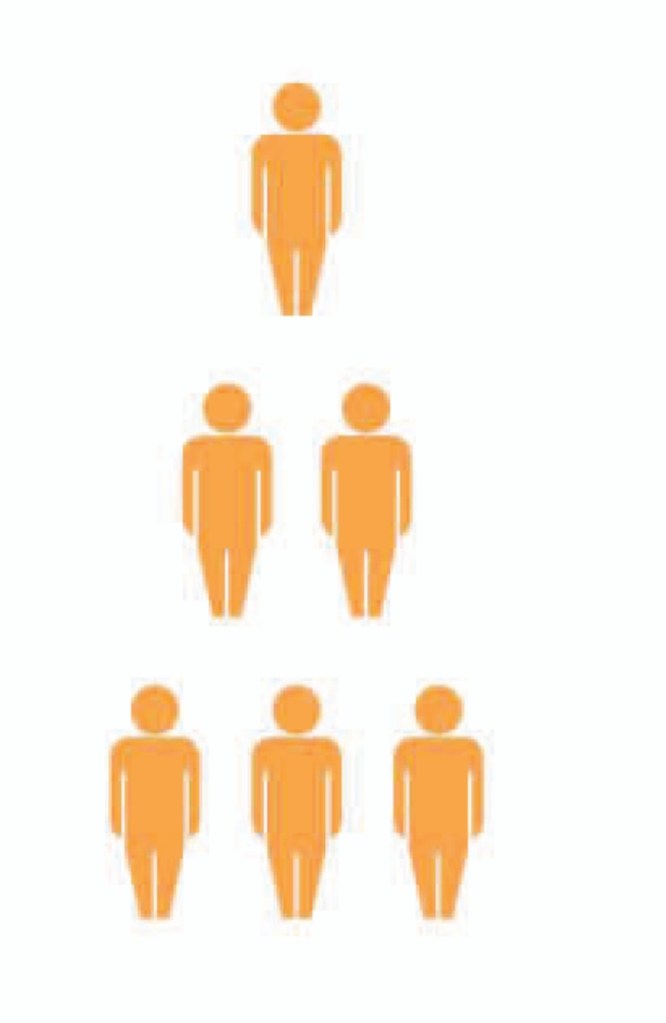
Mid-level management
Division and department heads are usually called directors or managers. Jobs at this level are often the first to go when a company downsizes or restructures.
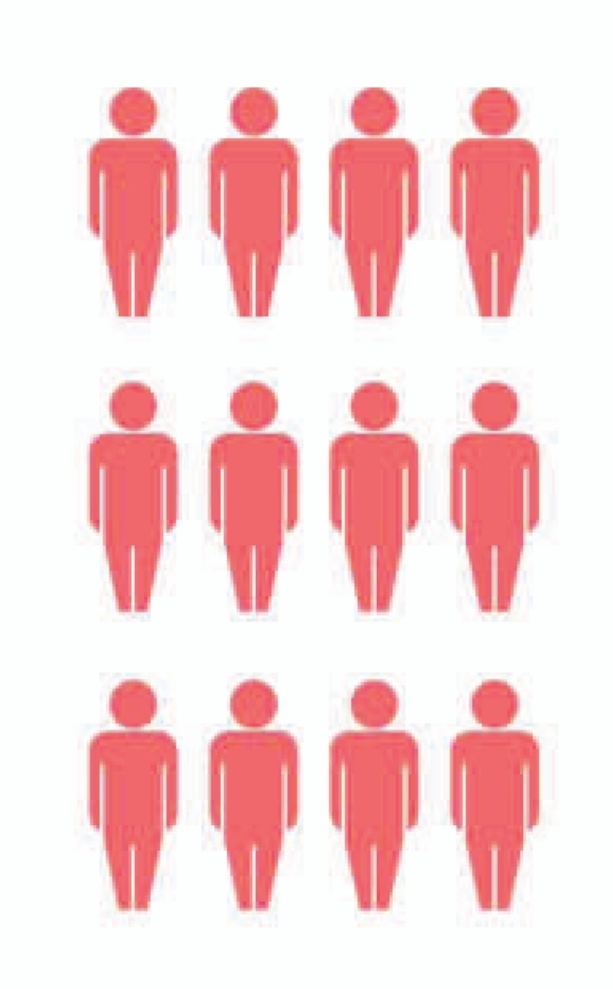
Junior management
Supervisors, managers, or team leaders directly manage groups of employees carrying out specific tasks. Examples include a head nurse or foreman.
Non-management employees
The lowest ranks of the organization: skilled and unskilled workers carry out core tasks needed for the company to operate.
STRUCTURAL WHYS AND WHEREFORES
Overtime pay Managerial staff who are not paid for overtime hold exempt positions. Non-exempt positions usually belong to non-managerial staff who are paid by the hour and qualify for overtime pay.
Who bosses whom When one manager has formal authority (decisionmaking power) over another, it is called vertical specialization. Horizontal specialization means several managers have equal authority.
 Vnotes Education
Leave a comment