
Outbound marketing interrupts consumers to promote a product or brand, but inbound marketing needs consumers’ permission—they have to seek out information that leads to the marketing message.
How it works
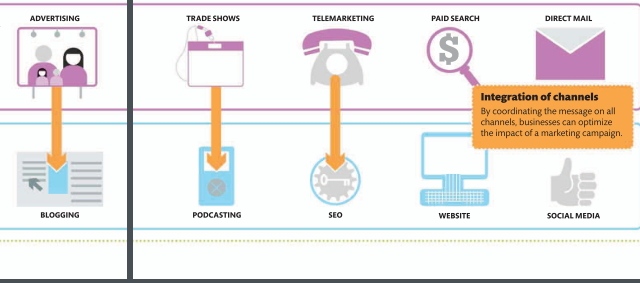
Before the rise of the internet and the phenomenon of social media, most marketing strategies were outbound. In other words, marketers pushed messages at consumers by interrupting them with advertisements or direct mail. The same principle applies to outbound marketing that appears on the internet, with pop-up ads interrupting the content the consumer wishes to access. However, because consumers from all over the world now use the internet to search for information and entertainment, marketers have adopted inbound strategies instead, providing content that draws the consumer to the brand or product, rather than pushing marketing messages at them.
Pros and cons
Marketers interrupt consumers with hundreds of outbound marketing messages every day, but they also use subtle inbound marketing tactics to attract consumers. Each strategy has its advantages and drawbacks.
Company
Inbound
Pros
- ❯ Campaign results can be forecast and measured
- ❯ Marketing material is easier to create
- ❯ Campaigns can be tightly controlled
Cons
- ❯ Customer conversion rates are low❯ Marketing campaigns are expensive to create
- ❯ Effects of campaign are often short-lived
bound
Pros
- ❯ More likely to draw customers with long-term interest in the brand❯ Non-intrusive approach preferred by customers
- ❯ Cost-effective compared with outbound campaigns
Cons
❯ Response from market may take longer
❯ New content must be
generated regularly to keep customer interested
❯ Campaign results can be difficult to measure
NEED TO KNOW
❯ Push or interruption-based Alternative marketing terms used to describe outbound marketing
❯ Pull or permission-based Alternative marketing terms used to describe inbound marketing
60%
of marketers have added inbound marketing to their existing outbound strategies
 Vnotes Education
Leave a comment