Companies that want to expand through a merger or acquisition may decide on a strategy of either horizontal or vertical integration, combining businesses involved in similar or dissimilar activities.
How it works
Companies can choose from several strategies when they merge or are part of an acquisition. Two of the most common are horizontal and vertical integration. Horizontal deals are always done between competitors that produce similar types of products, such as cars or mobile phones, and often share—or compete for—the same suppliers and clients. As a result of merger or acquisition, the newly formed company can make cost savings in production, distribution, sales, and marketing. Vertical deals are usually between businesses involved in the same industry but at different stages—for example, a computer maker and a component manufacturer. These deals can be upstream (toward the market) or downstream (in the direction of operations and production).
Integration models in practice
In these hypothetical examples, a cluster of printers, publishers, and bookstores merge or acquire each other in horizontal or vertical deals that aim to strengthen their market position, take advantage of economies of scale, and exploit synergy.
Horizontal integration
Two publishing companies, both involved in the process of book creation but with different areas of specialization, agree to a merger deal to gain a larger market share.
PUBLISHER AB
Publisher A, a general publisher, acquires specialized academic Publisher B to strengthen its textbook division.
PUBLISHER A
PUBLISHER B
Vertical integration
A publisher acquires two related businesses— a printer and an online bookstore—so that it can have greater control over production of its books and their route to market.
MERGER AND ACQUISITION TYPES
Conglomerate Combining two companies with nothing in common: for example, in 1985, tobacco-producer Philip Morris purchased General Foods, a new line of business unconnected to legal wrangles around smoking.
Market extension Combining two companies that sell the same products but in different markets: for example, in 1996, the Union Pacific Railroad Company acquired the Southern Pacific Rail Corporation to link railroads in adjacent US regions.
Product extension Combining two companies that sell different but related products in the same market: for example, in 2014, Microsoft bought Nokia’s mobile-phone unit to address flagging PC sales and its weakness in the mobile device market.
While a merger results in a bigger company, a divestiture reduces the size of a business by breaking it down into smaller components or divisions, which are then sold off or dissolved.
How it works
The typical scenario for a divestiture is a company that is struggling to pay off debt it has taken on to expand into new areas of business that are not yet profitable. To save the rest of the company from the burden of debt, management decides to start a divestiture. Generally, the goal is to shed the least profitable areas of operation, or from the potential buyer’s point of view, those which have promise but are not yet profitable. The process of restructuring by divestiture is designed to free the company of divisions with low return, to reduce debt and financing requirements, and to give the shareholders a stronger return. The market price of the parent company’s shares often bounces back strongly and its spin-off companies may thrive too.
Divestiture in practice
Smith Industries Inc. is one example of an industrial paint conglomerate that has grown rapidly over the past five years, due to an increase in profits from its expanding sales in China. It diversified into agricultural chemicals, textiles, and biotechnology, and set up a separate division for each. Share prices fell in response to poor financial performance.
SUCCESSFUL SPIN-OFFS
Mondelez The spin-off of Kraft Foods owns snack foods Oreos, Ritz, and Trident.
Coach Sara Lee food’s spin-off makes luxury leatherware.
Expedia Media company IAC hived off online travel to Expedia.
The shareholders benefit
Shareholders in the original company also receive the same percentage holding in shares from the three new companies.
One company becomes four
The three divisions are sold off to separate investors and become three separate companies. Shares for each are sold on the stock market. The parent company is reduced to its core business. Its share price rebounds.
NEED TO KNOW
❯ Spin-off New company formed as the result of a divestiture; also called a hive-off
❯ Tracking stock Special type of shares issued by a parent company for the division or subsidiary they will sell; tracking stock is tied to the performance of the specific division rather than the company as a whole; also known as targeted stock
❯ Letter of intent Letter stating serious intention to do business, often concerning M and A
❯ Reverse merger Not to be confused with a divestiture, this is a quick and cheap method for a private company to go public by buying a shell stock— a public company that is no longer operating because it went bankrupt or was simply closed.
❯ Demerger Term commonly used in the UK for divestiture
52% the potential rise in a parent company’s share price following a divestiture
Two of the quickest ways to accelerate expansion are for a business to buy out another—an acquisition—or to amalgamate with another business in a merger.
How it works
Mergers and acquisitions (M and A) is a general term used to describe the ways in which companies are bought, sold, and recombined. In the case of either a merger or an acquisition, two separate legal entities are unified into a single legal entity. While a merger combines two companies on a reasonably equal footing to create a new company, which will make both parties better off, an acquisition is usually a purchase of a smaller company by a larger one. This benefits the company making the purchase but may not necessarily benefit the target company. M and A can be friendly or hostile—agreed to or imposed.
REASONS TO PURSUE M AND A
❯ Improved economies of scale Wider operations streamline production and sales. ❯ Bigger market share Combining the existing markets expands share of the total market.
❯ Diversification A different product lineup gives the chance to cross-sell or create more efficient operations if the products are complementary.
FRIENDLY AND HOSTILE
❯ The target company’s board of directors and management agree to be bought out.
❯ The acquiring company makes an offer of cash or stock to the target company’s board and management. ❯ The stock or cash offer is set at a premium level.
❯ Because the offer is above actual market level, shareholders usually agree to it.
❯ The acquiring company bypasses management and goes straight to the target company’s shareholders.
❯ The target company’s management fight the deal.
❯ The buying company convinces shareholders to vote out the management (a proxy fight) or it makes an offer to shareholders to buy shares at an above-market price (a tender offer).
NEED TO KNOW
❯ Pacman strategy The target company tries to take over the very company attempting the hostile buyout
❯ Swap ratio An exchange rate between the value of the shares of two companies when merging
❯ Defensive merger Undertaken to anticipate a merger or takeover attempt that threatens a company
❯ Economies of scale Benefit to company of M and A expansion
Both private and public companies regularly change hands—they are bought, sold, and restructured to reflect changing business conditions. These deals all come under the umbrella term of mergers and acquisitions (M and A). Acquisition financing is usually needed to pay for the purchase of another company, often in the form of a loan or venture capital.
How to acquire a company
A company is typically acquired in one of two ways—either by a management team or by another company. When a company is buying, the result can be a merger, in which two companies join forces, an acquisition (outright purchase), or a divestiture, in which part of a company is hived off and sold. Management team purchases are often funded by private equity.
Management team acquiring
Private equity firms look for companies to buy and then sell their shares when profits have maximized. They fund the management team
Buy-out
The existing management team buys out the company they work for.
Buy-in
An external management team buys into the company.
Divestiture Part of company is split off to form new company; may become acquisition target
Another company acquiring
Companies may want to expand by joining with another business.
Merger The company combines with another company.
Acquisition
Horizontal The company buys another company that makes similar products.
Vertical The company buys another company that makes different products.
SIZING UP M AND A’S
Measuring a big deal
The corporate world categorizes acquisition deals according to the capitalization size (the value of the company’s shares).
Due diligence
Before any company sale, the potential buyers see a detailed report prepared by lawyers, covering key aspects of the target business.
❯ Financial Identifies problem areas that could affect the future value of the company.
❯ Legal Gauges possible legal risks attached to corporate status, assets, securities, intellectual property, and employee reshuffling.
❯ Commercial Includes industry trends, market environment, the company’s capabilities, and the competition.
❯ Environmental Uncovers potential liabilities such as land or water contamination and estimates remediation costs.
Starting a new venture can be a long process. Business (also called venture) accelerators and incubators are specialized organizations devoted to developing and supporting start-ups.
How it works
Business accelerators and incubators provide expertise and connections in the formative stages of a business in return for a percentage of ownership. They are two separate types of services. Business accelerators are short-term programs that offer wide-ranging support including mentorship, business advice, and connections to potential sources of financing. Business incubators, on the other hand, provide a supportive environment in which fledgling start-ups can develop, with technical assistance, working space, and networking opportunities.
Business accelerators
Suited to start-ups that have limited financing, accelerators offer short–term (one to three months) boot camps. Clients include web and software developers.
Seed capital
Networking
Accounting and financial services advice
Help with bank loans, funds and guarantees programs
Introduction to potential partners
Link to potential investors
Access to mentors and advisory boards
Marketing advice
Management of intellectual property
Business incubators
Often sponsored by nonprofit organizations, incubators tend to be longer term (one to five years) and cater for a variety of clients, many science-based.
Start-up introduced to incubator
Start-up pays incubator % of equity in the business. It may also pay rent to share part of the incubator’s work space. In return, it receives a range of benefits.
NEED TO KNOW
❯ Incubator networks Collaboration of incubation centers, research facilities, and science parks ❯ Virtual business incubator Online hothouse for start-ups
33 months the average time US start-ups spent in an incubator, during 1999–2002
Almost every new enterprise needs funding to get it going, and to keep afloat until it turns a profit. Financial help is at hand from a variety of sources, suitable at different stages of start-up growth.
How it works
Capital for new enterprises comes from two main sources: lenders and investors. Lenders, such as banks, provide debt capital in the form of a loan that is returned with interest. Investors, such as business angels and venture capitalists (VCs), provide equity capital in the form of a share in the business that may include a proportionate share of control and rewards. Both types of funding can be corporate—from a company—or more quirky and alternative, such as crowdfunding.
Types of start-up funding
Corporate, traditional, and substantial funding comes largely from banks and VCs, while smaller sums come from more personal sources.
Lenders
Investors
Grants
Lenders
Debt capital most often takes the form of loans paid back with interest.
Term loan Paid back regularly over a set period of time
❯ Bank Offers either personal or business loans ❯ Government Offers low-interest start-up loans ❯ Credit union Cooperative that gives members low-interest loans ❯ Peer-to-peer (P2P) lending Unsecured personal loans ❯ Friends and family May give interest-free loans
Bank overdraft or credit card Interest charged monthly if balance not paid in full
❯ Bank or credit company Financial organization that makes loans to commercial ventures
Factoring/invoice discounting Unpaid invoices sold at a discount to a company that collects them for commission
❯ Factors and discounters Companies that offer advance on unpaid invoices, for a profit
Investors
Equity capital is paid to the start-up in return for a share of the business.
Founders, friends, family (FFF) May buy shares in the company rather than lending money
Crowdfunding Large number of supporters, each contributing a small amount of money, usually online
Business angels Investors who give favorable terms because their focus is on the company’s success rather than profit
Venture capitalists (VCs) Companies that provide capital for new businesses in the hope of making a profit
Grants
Financial awards and prizes are provided by public bodies.
Local, national, global Funded by a local authority, government initiative, or international charity
NEED TO KNOW
❯ P2P lending Loans made between individuals over internet ❯ Crowdfunding Debt or equity raised via internet platforms
SUPER ANGELS
❯ What they are Serious investors in technology start-ups. Facebook was funded by super angels, some of whom are now famous in their own right. ❯ Who they are Former Silicon Valley professionals who invest their personal money in new ventures. ❯ How they differ from ordinary angels and venture capitalists (VCs) Funding level straddles the two, often reaching millions of dollars as what started out as a hobby becomes a profession. ❯ Pros and cons Super-angel investing acts like a magnet to other investors, but individual super angels can rarely provide the full funding of a VC.
Alternative models
Since the start of the economic downturn that started in 2008, several innovative and more personal types of funding, such as crowdfunding and peer-to-peer (P2P) lending, have evolved and blossomed on the internet. All involve the principle of raising small amounts of money from large numbers of individuals who pool their resources to provide the loan or equity needed.
CREDIT ANALYSIS CRITERIA FOR LENDING
Life cycle of investment
The key to successful funding is to choose the right type of finance at each stage of a company’s early growth. Start-ups usually begin modestly, with self-funding and help from friends, family, and anyone else who is prepared to take a high risk. Crowdfunders and business angels are amateurs willing the entrepreneur to succeed, while venture capitalists become interested when the level of risk goes down and they can expect a healthy profit in return for injecting substantial funds. Public markets such as stock exchanges may step in as sales soar and success looks probable. At all stages, investors will conduct credit analyis to asses a company’s ability to repay its debt.
5–10% of small and medium-sized enterprises in the UK need no start-up funding
Writing a business plan is one of the most important steps in developing a start-up. The plan sets out the new business’s goals, market analysis, and projected income and profit.
How it works
Before a start-up entrepreneur can write a business plan, they need to have done enough research to identify a clear opportunity in the market for the product or service, and to define how the proposed new business will be uniquely positioned to capture that market, given the services or products offered. An outline of existing finances and an accurate projection of sales and profit are essential components, especially if seeking external funding.
Key elements
Preparing a business plan can take several weeks, and it is worth doing thoroughly. It is a vital document for securing funding, so the financial forecast must be both realistic and accurate. If showing it to others, pare the executive summary down to two pages, write it in plain English, and explain any technical terms.
Executive summary
Fill in this section last, bearing in mind that it may be the only part a busy person reads:
❯ Business summary Company structure, name, product or service, and customer profile ❯ Business goals Three objectives over one, three, and five years ❯ Financial summary Expected sales and costs, and funding ❯ Elevator pitch Two-minute talk to sell your idea to a customer
Business background
Provide details of each person in the business:
❯ Experience Relevant work carried out to date ❯ Qualifications Credentials, such as diploma in horticulture for a gardening service ❯ Training Past and future, including business skills such as assertiveness
Products and services
Describe what the business is going to sell:
❯ Product or service With a picture if product is new ❯ Range If more than one, such as garden design and maintenance ❯ How it is different What makes the product or service stand out from the crowd?
The market
Set out specific details of your potential market:
❯ Typical customer Businesses or individuals and their profile; local, national, or international ❯ Market research What the local market is for similar products or services
Marketing strategy
Choose about three of these methods:
❯ Word of mouth
❯ Advertising
❯ Business literature
❯ Direct marketing
❯ Social media
❯ Website
Competitor analysis
Show how the business idea compares with the competition:
❯ Table of competitors Who and where they are, what they sell and for how much, how good they are ❯ SWOT analysis Including how to remedy any weaknesses and combat known threats, such as a garden center opening nearby ❯ USP Unique selling point of the product or service
Operations and logistics
Describe from start to finish how the business will run day to day:
❯ Supply and delivery How the goods or service will get from A to B ❯ Equipment Details of transportation, office items, and premises ❯ Payment, legal, and insurance How customers will pay and how that translates into salaries; compliance with the law
Costs and pricing strategy
Work out how much the product or service costs and its sale price:
❯ Cost How much each unit or batch costs to make and deliver ❯ Price How much each unit or batch will sell for ❯ Profit margin The difference between cost and price per unit
Financial forecasts
Predict sales and costs over the year, allowing for seasonal fluctuation, such as spring demand for lawn services:
❯ Sales calculations For each month, the expected number of sales ❯ Costs calculations The costs of the predicted sales each month ❯ Cash-flow forecast The money coming in and out of the business
Back-up plan
Make a Plan B in case something goes unexpectedly wrong:
❯ Short-term changes Cutting costs or boosting sales immediately
❯ Longer-term changes Shifts such as working online, not on premises
❯ Closure Lessons learned and skills acquired if the business closes
TOP FIVE REASONS TO WRITE A PLAN
❯ The process Working through each element ensures nothing is forgotten
❯ Costing The only way to find out whether the business is viable is to work out details of costs and sales.
❯ Funding A good business plan improves chances of getting a loan.
❯ Areas of expertise Making a business plan clarifies where outside help is needed—for instance, in bookkeeping or marketing.
❯ Getting to know the competition Conducting market research is the best way to give a business an edge.
NEED TO KNOW
❯ SWOT analysis Stands for Strengths, Weaknesses, Opportunities, and Threats ❯ Unique selling point (USP) The feature that makes a product different from the competition
Start-ups in the US are 2.5x more likely to go into business if they have a written plan
A person with pyromania sets fires purposely. This very rare impulse-control disorder is triggered by stress, and the action provides relief from tension or distress.
What is it?
Also known as firesetting, pyromania is an obsessive desire to light fires. It can be a chronic (long-term) problem, or restricted to several occurrences during a period of unusual stress. A person with pyromania is excessively fascinated with making fires and situations involving fire, as well as witnessing or assisting in the fire’s aftermath. Individual factors that contribute to pyromania may include antisocial behaviors and attitudes, sensation and/or attention seeking, lack of social skills, and inability to cope with stress. Parental neglect or emotional detachment, parental psychological disorders, peer pressure, and stressful life events can all be triggers in both children and adults. Interviews with affected children and teens often identify a chaotic household, in which case a whole-family approach to treatment is required .
PYROMANIA IN CHILDREN, TEENS, AND ADULTS
❯ In children and teens firesetting may be a cry for help, or part of a larger pattern of aggression. Teens may be influenced by antisocial adults in their community. Some are diagnosed with psychotic or paranoid disorders , and others may be cognitively impaired.
❯ In adults pyromania has been linked to symptoms that include depressed mood, thoughts of suicide, and poor interpersonal relationships. It is often associated with psychological problems such as OCD .
Destructivecycle
The cycle of obsession and gratification is difficult to break.
Fire, its aftermath, and fire-related equipment and personnel fascinate the person.
Tension builds up, leading to a strong desire to light a fire.
Lighting the fire gratifies overwhelming urge.
Feelings of euphoria and relief result from seeing the fire.
TREATMENT
❯ Cognitive and behavioral therapies tailored to children to include problemsolving and communication skills, anger management, aggression replacement training, and cognitive restructuring; long-term, insight-oriented psychotherapy for adults.
An individual with kleptomania has an irresistible and repeated compulsion to steal items. These episodes of stealing occur unexpectedly, without planning.
What is it?
A person with kleptomania steals on impulse and often throws the stolen goods away, because they are mostly interested in the act of stealing. Kleptomania is distinguished from shoplifting in that most shoplifters plan the theft, usually because they want an item but do not have enough money to buy it. Many people with kleptomania live secret lives of shame because they are afraid to seek help; up to 24 percent of those arrested for shoplifting are thought to suffer from it. Kleptomania is associated with other psychiatric problems such as depression, bipolar disorder, generalized anxiety disorder, eating and personality disorders, substance abuse, and other impulse-control disorders. There is evidence to link kleptomania with the neurotransmitter pathways associated with behavioral addictions and mood-enhancing neurochemicals like serotonin. There is no specific cure for kleptomania, but psychotherapy and/or medication may help break the cycle of compulsive stealing.
Perpetual pattern
A person with kleptomania may report feeling tense before they steal, then pleased and gratified as they do it. The subsequent guilt can increase the tension again.
Intrusive thoughts about stealing triggered.
Urge to steal is impossible to resist.
Stealing Item is often not for personal use.Item is usually hidden or thrown away.Item may have no monetary value.
Arousal and relief follow immediately after the event.
Feelings of stress, guilt, and selfloathing arise.
Also known as compulsive gambling, this is an impulse-control disorder that exists when a person repeatedly gambles despite the significant problems or distress it causes themselves and others.
What is it?
The thrill of winning releases dopamine from the reward center in the brain. For some people the act of gambling becomes addictive and they need ever bigger wins to achieve the same thrill. Once a gambling disorder takes hold, the cycle is difficult to break. The disorder may start from desperation for money, the need to experience the highs, the status associated with success, and the atmosphere of a gambling environment. The person can become irritable if they attempt to cut down, and then may gamble because of the distress. Severe disorders can take hold through a financial desperation to recoup lost money. Even when the person finally wins again, it is rarely enough to cover losses. Aside from significant financial loss, excessive gambling can impact badly on relationships. It can also cause anxiety, depression, and suicidal thoughts. Physical signs can include sleep deprivation, weight gain or loss, skin problems, ulcers, bowel problems, headaches, and muscle pains. Because most people do not admit they have a problem, a major component of treatment is helping them to acknowledge it. The true prevalence of the disorder is not known because so many hide their habit.
TREATMENT
❯ Cognitive behavioral therapy to help people learn to resist the beliefs and behaviors that maintain the disorder.
❯ Psychodynamic therapy to help grasp the meaning and consequences of the behavior.
❯ Self-help groups and counseling to help understand how the behavior affects others.
1%of the American population are pathological gamblers
control disorders are diagnosed in people who cannot withstand the urge to perform problematic behaviors. In addiction, a pleasurable activity becomes compulsive and interferes with daily life.
What are they?
The basic concepts underlying impulsive and addictive behaviors overlap. Some psychologists think that impulse-control disorders should be classed as addictions. In impulse-control disorders, a person perpetuates their behavior regardless of the consequences, and they become less and less able to control their inner urges. Usually, a person feels an increasing tension or arousal before the action, pleasure or relief while doing it, and regret or guilt in the aftermath. Environmental and neurological factors both play a part in the development of the disorders and they may be triggered by stress. The recognized impulse-control disorders are compulsive gambling (opposite), kleptomania (p.84), pyromania (p.85), hair pulling (p.60), and intermittent explosive disorder (below). Sex, exercise, shopping, and Internet addictions (below) share similar traits.
This is a serious condition in which the use of alcohol or drugs, or both, leads to physical and psychological problems that affect the individual’s working or home life for the worse.
What is it?
Also known as drug use disorder or substance abuse, this condition can cause wide-ranging impairments and psychological distress. Symptoms and signs of substance abuse (whether alcohol or drugs) include taking drugs regularly, maybe daily, to function; taking drugs even when alone; continuing to use drugs even when the person knows it is harming their own health, family, or work; making excuses to use drugs and reacting with aggression to inquiries about their substance use; being secretive about using drugs; losing interest in other activities; impaired ability to work; neglecting to eat or attend to physical appearance; confusion; lethargy; depression; financial problems; and criminal activity such as stealing money. In the longer term, overconsumption of alcohol can cause weight gain and high blood pressure and increase the risk of depression , liver damage, problems with the immune system, and some cancers. Drugs can be associated with mental health issues such as depression, schizophrenia , and personality disorders . Alcohol or drug abuse usually begins as a voluntary behavior, encouraged or tolerated within the person’s social and cultural climate. Peer pressure, stress, and family dysfunction can escalate the problem. A child with a family member who has chemical-dependency issues may be at a higher risk of the disorder for either environmental or genetic reasons or both.
How is it diagnosed?
Diagnosis begins with the person recognizing that they have a problem; denial is a common symptom of addiction. Empathy and respect are more likely to induce a person to accept that they have substance use disorder than orders and confrontation. The GP or specialist grades the person’s behavior (below) while the individual is using the substance.
Behavior patterns
The diagnosis of this disorder, whatever the substance, is based on a set of 11 behaviors related to its use. The severity of the disorder is based on how many of these behaviors are present: 0–1 = no diagnosis; 2–3 = mild substance use disorder; 4–5 = moderate substance use disorder; 6+ = severe substance use disorder.
Impaired control
❯ 1. Uses substance for longer and/or in larger amounts than originally intended.
❯ 2. Wants to cut down, but cannot do so.
❯ 3. Spends longer and longer getting, using, and recovering from using the substance.
❯ 4. Has intense cravings for the substance, which makes it difficult for the person to think about anything else.
Social impairment
❯ 5. Continues to use despite knowing the problems it causes with life at home or work.❯ 6. Continues to use despite arguments with family or the loss of friendships it causes.
❯ 7. Gives up social and recreational activities as a result, so spends less time with friends and family, and becomes increasingly isolated.
Risky use
❯ 8. While under theinfluence, engages in risky sexual behavior or puts themselves or others in danger, for example, by driving, operating machinery, or swimming.
❯ 9. Continues to use while aware that the substance is making psychological or physical problems worse (for example, drinking even when liver damage has been diagnosed).
Pharmacological criteria
❯ 10. Becomes tolerant to the substance, so needs increasing amounts to achieve the same effects. Different drugs vary in terms of how quickly tolerance develops.
❯ 11. Suffers withdrawal such as nausea, sweating, and shaking if the intake is stopped.
29.5million people in the world have drug use disorder
United Nations Office on Drugs and Crime, World Drug Report 2017
This is an acutely disturbed state of mind characterized by lethargy, restlessness, delusions, and incoherence, which can result from a variety of causes including illness, poor diet, or intoxication.
What is it?
Delirium can have a serious impact on day-to-day life but is usually short-term. An individual has difficulty concentrating and may be confused as to where they are. They may move more slowly or quickly than usual and experience mood swings. Other symptoms include not thinking or speaking clearly, difficulty sleeping or feeling drowsy, reduced short-term memory, and loss of muscle control. Delirium may occur at any age, but it is more common in the elderly and can be confused with dementia . It is generally a shortterm physical or emotional problem, but it can be irreversible. It is also possible to have dementia and delirium at the same time. Causes vary, but likely reasons are a medical condition, such as a chest or urinary tract infection, or a metabolic imbalance, such as low sodium. Delirium can also follow severe illness, surgery, pain, dehydration, constipation, poor nutrition, or a change in medication.
How is it diagnosed?
A doctor checks the symptoms and assesses movement, cognitive processes, and speech. Some practitioners use observational methods to diagnose or rule out delirium, by watching the person’s behavior over an entire day. Physical tests may be carried out to check for underlying illness.
TREATMENT
❯ Reality orientation therapy, involving the use of repeated visual and verbal orientation cues delivered in a respectful manner, to help the person understand their surroundings and situation.
❯ Lifestyle management including routine and scheduled activity with exercise to minimize confusion and help the individual regain some day-to-day control.
❯ Antibiotics prescribed if illness is identified as the cause, together with rehydration if necessary.
Up to 50% of elderly patients in the hospital suffer from delirium
Also known as post-concussion syndrome, this is a degenerative condition of the brain characterized by physiological and psychological disturbances following closed head injuries.
What is it?
CTE is most often seen in service personnel or people who take part in high-impact contact sports, such as football, rugby, or boxing, and there is no cure. Physical symptoms include headache, dizziness, and pain. Psychological symptoms are memory loss, confusion, impaired judgment, impulse-control problems, and even hallucinations. An individual may become aggressive and have difficulty maintaining relationships. Signs of Parkinson’s and dementia can emerge later. The disturbances may develop early, or emerge years after the head trauma. A preventive approach is advisable, with the use of protective headgear and the introduction of rules that disallow contact above chest or shoulder height in sport. At the moment it is possible to diagnose CTE only after death. Tests, brain scans, and biomarkers are being developed to help identify the condition earlier.
Cumulative effect of head injury
Multiple blows to the unprotected skull can lead to irreversible injury. In a study of 100 people with mild head injury, 20–50 showed symptoms of CTE three months after the initial injury, and about 1 in 10 still had problems a year later.
1.A blow to a healthy brain can cause concussion but a person is likely to recover completely.
2.The initial injury can leave a vulnerability, so the brain is less able to recover from a second one.
3.After three or more blows the brain is more susceptible to widespread, permanent damage.
CTE was identified in 99% of former US National Football League players
This is an (as yet) incurable, degenerative disorder, also known as mild or major neurocognitive impairment. It is characterized by memory disorders, personality changes, and impaired reasoning.
What is it?
The term dementia describes a set of symptoms that affect the brain and gradually become more severe. Symptoms include difficulties with concentration, problem solving, carrying out a sequence of tasks, planning, or organizing, as well as general confusion. A person with dementia may lose track of days or dates, and find it hard to follow a conversation or recall the right word for something. They may also be unable to judge distances or see objects in three dimensions. Dementia may cause people to feel insecure and lose their self-confidence and can result in depression. Many different conditions, such as Alzheimer’s, cardiovascular disease, Lewy bodies, and disorders of the front and side lobes of the brain, cause the symptoms.Dementia is mainly seen in older adults, but can occur in people in their 50s (known as early onset), and sometimes even younger. There is no single assessment for dementia. The GP uses memory and thinking tests and may order a scan to confirm which areas of the brain are damaged. Treatment aims to alleviate symptoms and slow their progression.
CAUSES
❯ Alzheimer’s disease causes abnormal proteins to build up around brain cells and damage their structure. This disrupts the chemical messages that pass between the cells so the cells gradually die. Symptoms progress as more parts of the brain are affected.
❯ Vascular dementia can result from cardiovascular disease. It occurs when blood flow to the brain is impaired (for example, by a stroke), causing problems with reasoning, planning, judgment, and memory.
❯ Mixed dementia results when Alzheimer’s and vascular dementia occur at the same time.
❯ Dementia with Lewy bodies has similar symptoms to Alzheimer’s and Parkinson’s disease. Also known as Pick’s disease, it occurs when protein bodies form in nerve cells and often causes hallucinations and delusions.
❯ Frontotemporal dementia is a rarer form that affects the temporal (side) and frontal lobes of the brain. It alters personality and behavior, and makes use of language difficult.
How it affects a person
Because every person is different, their experience of dementia is, too. The diagnosis is based on a person’s history and how the symptoms affect their ability to cope day to day.
PEOPLE WITH DEMENTIA feel insecure, lose confidence in themselves, and need help preparing for the road ahead.
TREATMENT
❯ Cognitive stimulation and reality orientation therapy for short-term memory.
❯ Behavioral therapy to help carry out daily routines.
❯ Validation therapy—the main caregiver reading out loud, respectful statements.
❯ Cholinesterase inhibitors to boost memory and judgment.
This is a very rare form of psychosis that causes a person to experience complex and often disturbed thoughts and delusions that are not true or based on reality.
What is it?
Previously known as paranoid disorder, delusional disorder is marked by an individual’s inability to distinguish what is real from what is imagined. The delusions may be misinterpretations of experienced events, and are either not true or highly exaggerated. They may be nonbizarre and relate to situations that could occur, such as being followed, poisoned, deceived, or loved from a distance, or may be bizarre delusions that are impossible, for example, a belief in an imminent alien invasion.Delusional disorder can make it hard for a person to concentrate, socialize, and live a normal life, because it can cause dramatic changes in a person’s behavior that result in conflict with those around them. Individuals may become so preoccupied with their delusions that their lives are disrupted. However, others continue to function normally and, apart from the subject of their delusion, do not behave in an obviously odd manner. Some people experience hallucinations— seeing, hearing, tasting, smelling, or feeling things that are not really there.Psychological disorders known to trigger delusional episodes include schizophrenia , bipolar disorder , severe depression or stress, and lack of sleep. General medical conditions that can cause them are HIV, malaria, syphilis, lupus, Parkinson’s, multiple sclerosis, and brain tumors. Misuse of substances such as alcohol or drugs can also trigger delusional episodes in some people.
How is it diagnosed?
A doctor will first take a complete medical history of the individual. They will ask about symptoms and will want to know how a delusion affects a person’s day-to-day functioning, any family history of mental health conditions, and details of medications and/or illegal substances a person has been taking.
Thematic delusions
Delusions are fixed beliefs that do not change, even when a person is presented with conflicting evidence, and characteristically follow particular themes (right). Individuals are likely to display the delusion for a month or longer, and most do not admit they are problematic. The person may appear completely normal as long as an outsider does not touch on the belief.
Somatic A person with these delusions has physical or bodily sensations—for example, as a result of believing insects are crawling under their skin.
Erotomanic A delusion in which a person believes that another individual, often someone famous, is in love with them; may lead to stalking behavior.
Grandiose An individual with grandiose delusions believes they have a great unrecognized talent or knowledge, for example, they may be a special messenger, guru, or God.
Persecutory A person with these delusions feels that they are being persecuted or mistreated—for example, stalked, drugged, spied on, or the victim of slander.
Jealous People with this delusion have a morbid but unfounded belief that their partner has been unfaithful or is deceiving them.
Mixed or unspecified
Themes are said to be mixed Jealous People with this delusion have a morbid but unfounded belief that their partner has been unfaithful or is deceiving them. if several types of delusions are present but no particular one predominates. In some cases the delusion does not fall into any of the main categories and is unspecified.
TREATMENT
❯ Medication prescribed may include antipsychotic drugs to reduce the delusional symptoms and antidepressants such as selective serotonin reuptake inhibitors (SSRIs) to help with the depression that can be associated with the disorder.
❯ Psychotherapies such as cognitive behavioral therapy to help examine the strongly held beliefs and support changes needed.
❯ Self-help groups and social support to reduce the stress that results from living with this disorder and to help those around them, and family, social, and/or school intervention to help develop social skills to reduce the impact of the disorder on quality of life.
An episodic condition that affects both behavior and motor skills, catatonia is characterized by abnormal psychomotor functioning and extreme unresponsiveness when awake.
What is it?
Catatonia is a state of immobility that can persist for days or weeks. Those with the condition may have an extremely negative outlook and may not respond to external events, become agitated, have difficulty speaking due to extreme anxiety, and refuse to eat or drink. Symptoms also include feelings of sadness, irritability, and worthlessness, which can occur nearly every day. An individual may lose interest in activities, lose or gain weight suddenly, have trouble getting to sleep or out of bed, and feel restless. Decision making is impaired and suicidal thoughts are common. This condition can have a psychological or neurological cause, and may be associated with depression or psychotic disorders. It is estimated that 10−15 percent of people with catatonia also have symptoms of schizophrenia , while about 20−30 percent of individuals with bipolar disorder may experience catatonia during their illness—mostly during their manic phase.
Diagnosing catatonia
A mental health professional observes an individual and looks for a number of symptoms. At least 3 out of the 12 symptoms described (right) must be present to confirm a diagnosis of catatonia.
Mutism Silent and apparently unwilling or unable to speak.
Echolalia Constantly repeats what other people have said.
Grimacing Makes distorted facial expressions that show disgust, dislike, and even pain
Stupor Immobile, lacks expression, and does not respond to stimuli.
Catalepsy May be rigid, have a seizure, or be completely unresponsive in this trancelike state.
Waxy flexibility Limbs can be moved by someone else and will remain in the new position.
Agitation Movement may be purposeless and risky.
Mannerism Strikes poses or makes idiosyncratic movements.
Posturing Moves from one unusual position to another.
Negativism Resistant to any outlook other than a negative one.
Echopraxia Constantly mimics other people’s movements.
TREATMENT
❯ Medication prescribed depends on the symptoms, but includes antidepressants, muscle relaxers, antipsychotics, and/or tranquilizers such as benzodiazepines, but these carry a risk of dependency . Outside help is needed to ensure compliance with medication and to teach living skills.
❯ Electroconvulsive therapy may be used when medication is ineffective. This involves transmitting an electric current through the person’s brain .
This is a long-term mental health condition in which a person suffers both the psychotic symptoms of schizophrenia and the deregulated emotions that characterize bipolar disorder at the same time.
What is it?
While symptoms may vary from person to person, one episode will feature both psychotic and mood symptoms (manic, depressive, or both) for part of the time and a period with only psychotic or mood symptoms for most of the time over a period of at least two weeks. Schizoaffective disorder can be triggered by traumatic events that took place when a person was too young to know how to cope or was not being cared for in a way that made it possible to develop coping skills. Genetics may play a part, too. It is more common in women and usually begins in early adulthood. A mental health professional will assess the symptoms and will want to know how long they have been present, and what triggers them. This chronic condition impacts every aspect of a person’s life, but symptoms can be managed. Family interventions to raise awareness of the disorder can improve communication and support.
The different forms
People with this disorder experience periods of psychotic symptoms—such as hallucinations or delusions—with mood disorder symptoms of either a manic type or a depressive type, but sometimes both. The condition features cycles of severe symptoms followed by periods of improvement.
Mood disorder symptoms
Manic type is hyperactive, feels high, cannot sleep, and takes risks.
Depressive type feels sad, empty, and worthless, even suicidal.
Mixed type has symptoms of both depression and mania.
TREATMENT
❯ Medication is needed long-term; usually combinations of mood stabilizers plus antidepressants for depressive types or antipsychotics for manic types .
❯ Cognitive behavioral therapy can help a person make links between thoughts, feelings, and actions; learn the cues preceding behavior change; sand develop coping strategies.
1%of the population is likely to develop schizoaffective disorder
This is a long-term condition that affects the way a person thinks. It is characterized by feelings of paranoia, hallucinations, and delusions, and significantly impacts a person’s ability to function.
What is it?
The word schizophrenia comes from the Greek, and literally means “split mind,” which has led to the myth that people with the condition have split personalities, but they do not. Instead they suffer from delusions and hallucinations that they believe are real. There are different types of schizophrenia. The main ones are paranoid (hallucinations and delusions); catatonic (unusual movements, switching between being very active and being very still); and disorganized, which has aspects of both. Despite popular belief, individuals with schizophrenia are not always violent. They are, however, more likely to abuse alcohol and drugs, and it is these habits, combined with their condition, that can cause them to become aggressive. Schizophrenia appears to result from a combination of physical, genetic, psychological, and environmental factors. MRI scans have identified abnormal levels of neurotransmitters dopamine and serotonin and unusual brain structure, and there might be a correlation between the condition and pregnancy or birth complications. It is also thought that excessive cannabis use in young adulthood can be a trigger.Popular theories regarding the causes of schizophrenia in the second half of the 20th century included family dysfunction theories, such as the “double bind” (when people are faced with contradictory, irreconcilable demands for courses of action), high levels of parent/ caregiver “expressed emotion” (not tolerating those with the disorder), and learning the schizophrenic role through labeling. Since then, mental health specialists have observed that hearing voices or feeling paranoid are common reactions to trauma, abuse, or deprivation. Stress can trigger acute schizophrenic episodes, and learning to recognize their onset can help with management of the condition.
Symptoms of schizophrenia
These are classified as positive or negative. Positive symptoms are psychotic additions to an individual, whereas negative symptoms can look like the withdrawal or flat emotions seen with depression. Schizophrenia is likely if a person has experienced one or more symptoms from both domains for most of the time for a month.
Positive symptoms (psychotic)
These symptoms are classed as positive because they are additions to a person’s mental state and represent new ways of thinking and behaving that only develop with the condition.
❯ Hearing voices is common, and can occur occasionally or all the time. The voices may be noisy or quiet, disturbing or negative, known or unknown, and male or female.
❯ Hallucinations involve seeing things that are not there but seem very real to the person, and are often violent and very disturbing.
❯ Feeling sensations can cause a person to be convinced that they have unpleasant creatures such as ants crawling on or under their skin.
❯ Smelling and tasting things that cannot be identified can arise, and there may be difficulty discriminating between smells and tastes.
❯ Delusions—fixed beliefs—are held despite evidence to the contrary. The person may think they are famous and/or being chased or plotted against.
❯ Feelings of being controlled by, for example, a religious or dictatorial delusionist, can overwhelm a person. The beliefs can make them act differently.
Negative symptoms (withdrawal)
These symptoms are called negative because they represent a loss of certain functions, thoughts, or behaviors that a healthy person exhibits, but that are absent in those with schizophrenia.
❯ Difficulty communicating with others can result in changed body language, a lack of eye contact, and incoherence.
❯ “Flattened” emotions result in a significantly reduced range of response. The person will take no pleasure in activities.
❯ Tiredness may result in lethargy, change in sleep patterns, staying in bed, or sitting in the same place for long periods.
❯ Absence of willpower or motivation makes it difficult or even impossible for a person to engage in normal day-to-day activity.
❯ Poor memory and concentration means that the individual is unable to plan or set goals and has difficulty keeping track of thoughts and conversations.
❯ Inability to cope with everyday tasks results in disorganization. The individual stops looking after themselves, domestically or personally.
❯ Becoming withdrawn from social and community activities can disrupt the individual’s social life.
TREATMENT
❯ Community mental health teams such as social workers, occupational therapists, pharmacists, psychologists, and psychiatrists work together to develop ways to help a person stay stable and progress
❯ Medication in the form of antipsychotics is prescribed to reduce mostly positive symptoms, but it does not cure the condition.
❯ Cognitive behavioral therapy and the technique of reality testing can help with management of symptoms such as delusions. New developments use imagery to defuse stress that negative symptoms cause.
❯ Family therapy can improve relationships and coping skills within the family and educate anyone involved in a person’s care.
Around 1.1% of the global adult population has schizophrenia
ASD describes a spectrum (range) of lifelong disorders that affect a person’s ability to relate to other people—and their emotions and feelings—making social interaction difficult.
What is it?
ASD is generally diagnosed in childhood and can present in a variety of ways. A parent or caregiver may notice that a baby does not use vocal sounds or an older child has problems with social interaction and nonverbal communication. Symptoms such as repetitive behaviors, problems talking, poor eye contact, tidying or ordering rituals, bizarre motor responses, repetition of words or sentences, a restricted repertoire of interests, and sleep problems are common. Some children with ASD may also have depression or ADHD Genetic predisposition, premature birth, fetal alcohol syndrome, and conditions such as muscular dystrophy, Down syndrome, and cerebral palsy are known to be associated with ASD. A GP first examines the child to rule out physical causes for the symptoms, then refers them for specialist diagnosis. Information is gathered about all aspects of the child’s behavior and development, at home and school. There is no cure, but specialized therapies such as speech therapy and physical therapy can help. One in every 68 people in the US has ASD and it is identified in more girls than boys.
HIGH-FUNCTIONING AUTISM AND ASPERGER’S
High-functioning autism (HFA) and Asperger’s syndrome (AS) are both terms that are applied to people with characteristics of ASD, but who are of above average intelligence with an IQ of more than 70. However, they exist as two separate diagnoses, as those with HFA have delayed language development, which is not present in AS. Diagnosis of HFA or AS may be missed in children as they are socially awkward with a manner that is not easily understood. The ASD traits theyshare of perfectionism and obsessive interest in a specific subject can mean that they become experts in their area of interest. Like ASD, those with HFA or AS also require strict routines and have sensitivities to certain stimuli, awkwardness, and difficulty behaving appropriately and communicating in social situations; the severity of these symptoms will differ in each individual. Long-term difficulties arise with social and intimate relationships, both at school and into adulthood.
Degrees of ASD
ASD manifests itself in different ways and to different degrees in each person. Autistic author and academic Stephen M. Shore said, “If you’ve met one individual with autism, you’ve met one individual with autism.”
Communication
Problems with language are common. Some people with ASD are fluent, while others are speech impaired. All tend to be literal and have difficulty with understanding humor, context, and inference.
Social interaction
Impaired social skills mean that a person with ASD cannot recognize another’s personal space or read body language. The person might think out loud or repeat what another person has said.
Repetitive behavior
Repetitive behavior traits are common. An individual may make repetitive movements such as hand flapping or rocking, or develop rituals such as lining up certain toys or flicking switches on and off
Sensory skills
Heightened sensitivity to sound can cause a person to develop avoidance behaviors such as humming, covering their ears, or self-isolation in a preferred space to escape noise.
Motor skills
Difficulties with movement, such as coordination and motor planning, are common in children with ASD. Fine motor skills like handwriting may also be affected, which can hinder communication.
Perception
Impaired sensory and visual perception means that those with ASD miss nonverbal cues, can be unaware of lies, and usually have difficulty seeing a situation from another person’s perspective.
TREATMENT
❯ Specialist interventions and therapies can assist with self-harming, hyperactivity, and sleep difficulties.
❯ Educational and behavioral programs can support the learning of social skills.
❯ Medication can help with associated symptoms— melatonin for sleep problems, SSRIs for depression, and methylphenidate for ADHD.
This neurodevelopmental disorder is diagnosed in children with behavioral symptoms (inattentiveness, hyperactivity, and impulsivity) that are inconsistent with their age.
What is it?
This is a condition that makes it difficult for a child to sit still and concentrate, and it is usually noticeable before the age of six. The effects of ADHD can persist into adolescence and adulthood. Adults may also be diagnosed with the preexisting condition, when persistent problems in higher education, employment, and relationships reveal it. However, the symptoms may not be as clear as they are in children (right). The level of hyperactivity decreases in adults with ADHD, but they struggle more with paying attention, impulsive behavior, and restlessness. The evidence for what causes ADHD is inconclusive, but it is thought to include a combination of factors. Genetics may play a part, which explains why it runs in families. Observations of brain scans also indicate differences in brain structure, and have identified unusual levels of the neurotransmitters dopamine and norepinephrine . Other possible risk factors include premature birth, low birthweight, and exposure to environmental hazards. The condition is more common in people with learning difficulties. Children with ADHD may also display signs of other conditions such as ASD , tic disorders or Tourette’s , depression , and sleep disorders . Surveys have shown that worldwide this condition affects more than twice as many boys as girls.
Identifying ADHD
A GP cannot officially diagnose ADHD, but if they suspect a child has the disorder they refer them for specialist assessment. The child’s patterns of hyperactivity, inattention, and impulsive behavior are observed over a six-month period before a treatment plan is prepared.
HYPERACTIVITY
❯ Difficulties sitting still The child cannot stay seated (or quiet) in situations where it is expected, such as the classroom.
❯ Constant fidgeting The child may twitch limbs, torso, and/or head, whether sitting or standing.
❯ Lack of volume control The child shouts and makes loud noises during normal everyday activities.
❯ Little or no sense of danger This may result in the child running and climbing in environments where these behaviors are neither safe nor appropriate.
INATTENTIVENESS
❯ Concentration difficulties This causes the child to make errors of judgment and mistakes. Along with constant movement, this can cause injury.
❯ Clumsiness The child is prone to dropping and breaking things.
❯ Easily distracted The child appears not to be listening and is unable to complete tasks.
❯ Poor organizational skills The child’s inability to concentrate has an impact on organizational abilities.
❯ Forgetfulness This results in the child losing things.
IMPULSIVITY
❯ Interrupting The child disrupts conversations regardless of the speaker or situation.
❯ Inability to take turns The child is unable to wait their turn in conversations and games.
❯ Excessive talking The child may change a topic often or focus obsessively on one.
❯ Acting without thinking The child is unable to wait in line or keep up with group pace.
MANAGING ADHD
There are a number of ways that parents can help their child to handle the condition.
❯ Create predictable routines to calm an ADHD sufferer. Schedule daily activities and keep them consistent. Make sure school timetables are clearly set, too.
❯ Set clear boundaries and make sure the child knows what is expected of them; praise positive behavior right away.
❯ Give clear instructions, either visual or verbal, whichever the child finds easier to follow.
❯ Use an incentive scheme, for example, have a star/points chart whereby a child can earn privileges for good behavior.
TREATMENT
❯ Behavioral therapies to help the child and their family manage day to day; psychoeducation for families and caregivers.
❯ Lifestyle management such as improving physical health and reducing stress to calm the child.
❯ Medication can calm (not cure) the person so that they are less impulsive and hyperactive. Stimulants increase dopamine levels and trigger the area of the brain involved in concentration.
“… an ADHD brain [is] like a browser with way too many open tabs.”
This disorder can result in children who do not bond with a caregiver in infancy. Unidentified reactive attachment disorder can be a precursor to lifelong impaired personal development.
What is it?
Attachment theory states that developing a strong emotional and physical bond with a primary caregiver is key to a child’s healthy personal development. Without such a bond a child can become increasingly detached, withdrawn, and distressed, and the physical symptoms relating to stress become obvious. Persistent disregard of a child’s basic physical needs, frequent changes of primary caregivers, and childhood abuse can disrupt a child’s ability to form social and emotional bonds. The child can develop markedly disturbed ways of relating socially, and may be unable to initiate or respond to social interactions. Disinhibited responses, such as a disregard for convention and impulsive behavior, used to be included in the assessment of this disorder, but these are now considered as a separate diagnosis of disinhibited social engagement disorder.
Long-term impact
Early neutral, negative, or even hostile environments are likely to have a long-term negative impact and affect a person right through to adulthood. An individual’s ability to make and maintain healthy relationships in later life is seriously compromised. Reactive attachment disorder can develop in early infancy, and the vulnerability it creates is associated with a wide range of disorders that affect both children and adults (below).
Associated disorders
Undiagnosed reactive attachment disorder is an underlying factor in a number of psychological problems that emerge in childhood or adulthood under clinical assessment.
TREATMENT
❯ Cognitive and behavioral therapies including cognitive behavioral therapy to examine habitual appraisals, dialectical behavior therapy to help severely affected adults, family therapy to promote good communication, anxiety management, and positive behavior support.
This is a short-term, stress-related psychological disorder that can follow a significant life event. Typically, a person’s reaction is stronger, or more prolonged, than expected for the type of event.
What is it?
Any stressful event can trigger anxiety, difficulty sleeping, sadness, tension, and inability to focus. However, if an individual finds an event especially hard, their reaction can be stronger and persist for months. In a child, the disorder can follow family conflicts, problems at school, and hospitalization. The child may become withdrawn and/or disruptive, and complain of unexplained pain or illness. Adjustment disorder is not the same as PTSD or ASR because the stress trigger is not as severe. It normally resolves within months as a person learns how to adapt to a situation and/or the stressor is removed. There is no way to predict whether one person is more likely to develop adjustment disorder than another. It comes down to how they respond to an event and their personal history. A GP initially assesses whether an individual’s symptoms may be due to another condition, such as ASR, before referring them for a psychological assessment.
Causes and outcome
Some life events are known to lead to adjustment difficulties of varying severity. Examples are the death of a friend or family member, divorce or relationship breakdown, moving, illness or injury, financial worries, or job stress.
SYMPTOMS BEGIN WITHIN 3 MONTHS
The onset can be traced to an event and symptoms are more severe than expected. They include defiant, impulsive behavior; 3 MONTHS sleeplessness; crying; feeling sad and hopeless; anxiety; and muscle tension.
SYMPTOMS RESOLVE IN 6 MONTHS
With therapy and removal of the stressor, a person can learn to turn negative thoughts into healthy actions to change how they respond to stress.
TREATMENT
❯ Psychotherapies such as cognitive behavioral therapy and/or family or group therapies to help identify and respond to stressors.
❯ Antidepressants to lessen symptoms of depression, anxiety, and insomnia, along with a psychotherapy.
Also called acute stress disorder, ASR can appear quickly after an exceptional physical or mental stressor such as a bereavement, a road traffic incident, or an assault, but does not usually last long.
What is it?
Symptoms of ASR are anxiety and dissociative behavior following exposure to a traumatic and unexpected life event. The person may feel disconnected from themselves, have difficulty handling emotions, suffer mood swings, become depressed and anxious, and have panic attacks. They often experience difficulty sleeping, poor concentration, and recurrent dreams and flashbacks, and may avoid situations that trigger memories of the event. Some individuals have physiological symptoms such as raised heart rate, breathlessness, excessive sweating, headaches, chest pain, and nausea. ASR is described as acute because the symptoms come on fast, but do not usually last.Symptoms of ASR can begin within hours of the stress and are resolved within a month; if they last longer they may turn into PTSD (opposite). ASR may resolve without therapy. Talking things over with friends or relatives can help those with the disorder understand the event and put it into context. Individuals may benefit from psychotherapies, too.
HOW DOES ASR DIFFER FROM PTSD?
ASR and PTSD are similar, but the time frames are different. The symptoms of ASR occur within a month of an event and they usually resolve within the same month. The symptoms of PTSD may or may not develop within a month of the event or events. PTSD is not diagnosed unless the symptoms have been evident for more than three months. There is an overlap between what the symptoms are. However, in ASR symptoms involving feelings, such as dissociation, depression, and anxiety, predominate. With PTSD the symptoms relate to a prolonged or persistent response to the fight-orflight mechanism . There is a higher risk of ASR developing in a person who has had PTSD or mental health issues in the past, and ASR can lead to PTSD.
REGULAR MEDITATION can benefit the relationship that those with ASR have with uncomfortable mental experiences and calm the fight-orflight response.
TREATMENT
❯ Psychotherapies such as cognitive behavioral therapy to identify and reevaluate thoughts and behaviors that maintain anxiety and low mood.
❯ Lifestyle management including supportive listening and stressrelieving practices such as yoga or meditation.
❯ Beta-blockers and antidepressants to ease physical symptoms in combination with psychotherapy.
80% of people with ASR develop PTSD 6 months later
This is a severe anxiety disorder that may develop anytime after a person experiences or witnesses a terrifying or life-threatening event, or series of events, over which they have little or no control.
What is it?
PTSD is seen in people who have been in military combat or a serious incident, or suffered prolonged abuse or the unexpected injury or death of a family member. The event itself activates the fight-orflight reflex in the brain and body, putting the person on hyperalert to deal with the consequences of the trauma and protect them from a repeat of the episode. An individual with PTSD feels that the threat remains, so their heightened response is maintained, causing an array of unpleasant symptoms including panic attacks, involuntary flashbacks, nightmares, avoidance and emotional numbing, anger, jumpiness, insomnia, and difficulty concentrating. These symptoms usually develop within a month of the event (but may not appear for months or years) and last for more than three months. PTSD can lead to other mental health problems, and excessive alcohol and drug use is common. Watchful waiting is advisable at first to see if the symptoms subside within three months as treatment too early can exacerbate PTSD.
Brain changes
PTSD is a survival reaction. The symptoms result from an aim to help survive further traumatic experiences, and include raised levels of stress hormones and other changes in the brain.
HIPPOCAMPUS PTSD increases stress hormones, which reduce activity in the hippocampus and make it less effective in memory consolidation. Both the body and mind remain hyperalert because the decision-making ability is reduced.
PREFRONTAL CORTEX Trauma affects the function of the prefrontal cortex, changing behaviors, personality, and complex cognitive functions such as planning and decision-making.
HYPOTHALAMUS In PTSD, the hypothalamus sends signals to the adrenal glands (on the kidneys) to release the hormone adrenaline into the bloodstream and increase the chances of survival.
AMYGDALA PTSD increases the function of the amygdala, activating the fight-orflight response and increasing sensory awareness.
TREATMENT
❯ Trauma-focused therapy such as cognitive behavioral therapy or eye movement desensitization and reprocessing (p.136) to help reduce the sense of current threat by working on memory of the event.
❯ Compassion-focused therapy to self-soothe from shame-based thoughts and images. Group therapy for vulnerable groups such as war veterans.
Previously known as hypochondria, this condition involves a person worrying excessively about becoming seriously ill, even if thorough medical examinations reveal nothing.
What is it?
Hypochondria is considered to be two separate conditions: illness anxiety disorder if there are no symptoms or they are mild, or somatic symptom disorder (pp.108− 109) if there are major physical symptoms causing emotional stress. People with illness anxiety disorder become excessively preoccupied with their health. Some have exaggerated feelings about an existing condition (about 20 percent do have heart, respiratory, gastrointestinal, or neurological problems). Others experience unexplained symptoms. They convince themselves that these symptoms indicate a serious illness that has been missed by medical teams. Illness anxiety is a long-term condition that fluctuates in severity and may worsen with age or stress. It can be triggered by a major life event.Someone who is anxious or depressed is more prone to the disorder. Assessment and treatment focus on stopping avoidance and reassurance behaviors (below), reevaluating health beliefs, and increasing the person’s tolerance of uncertainties.
Endless checks
Disbelief in medical opinion reaffirms the person’s anxiety and results in extra focus on the body part or illness, which causes panic and physical symptoms. Safety behaviors, such as avoiding situations for fear of exposure to disease, and reassurance from others provide brief respite.
TREATMENT
❯ Behavioral therapies such as attention training to keep from overattending to body sensations and help reevaluate beliefs.
Also known as excoriation and trichotillomania respectively, these are impulse-control disorders in which a person has recurrent, irresistible urges to pick at their skin or pull out their body hair.
What are they?
The expressed aim of skin pickers or hair pullers is to achieve perfect hair or skin, but the reverse is the result. Both behaviors can cause physical damage. A person with trichotillomania may pull hair from their scalp and/ or other parts of their body such as eyebrows, eyelashes, and legs (and sometimes also from pets), which can result in noticeable hair loss. They may also swallow the hair, which can cause vomiting, stomach pain, and bleeding that can lead to anemia. Skin picking can result in scabs, abrasions, and lesions that may become infected. Both of these conditions can also be associated with OCD . Skin picking and hair pulling often begin as a reaction to an immediate stress or may be a response to a traumatic experience or abuse. The behavior can be learned from other members of the family with similar habits or develop by chance and become associated with stress relief, which is a powerful behavioral reinforcement. Females are more likely to be affected, and symptoms often start in girls aged 11–13 years. Hair pulling or skin picking can cause significant impairment or disruption in daily life for affected individuals. They may avoid routine activities or work, have difficulty concentrating, become socially isolated, and suffer financial strain.
Repetitive behavior
Habits associated with these disorders often begin as a response to stress or anxiety but become addictive—the more that a person pulls or picks, the greater their urge to do it, in spite of the various negative consequences.
TREATMENT
❯ Behavioral therapies to promote healthy stress management. Habit reversal training, combining awareness with alternative behavior, and stimulus control using a different activity while an urge dissipates.
In this condition a person has a distorted perception of how they look. The individual typically spends an excessive amount of time worrying about their appearance and how others view them.
What is it?
BDD is an anxiety disorder that can have a huge impact on daily life. An individual with BDD worries obsessively about how they look. They often focus on a specific aspect of their body, for example, viewing a barely visible scar as a major flaw or seeing their nose as abnormal, and are convinced that others view the “flaw” in the same way. The person may spend a great deal of time concealing an aspect of their appearance, seeking medical treatment for the part of the body believed to be defective, and/or diet or exercise excessively. BDD affects about 1 in every 50 people in the US, can occur in all age groups, and is seen in males and females in equal numbers. It is more common in people with a history of depression or social anxiety disorder ,and it often occurs alongside OCD (pp.56–57) or generalized anxiety disorder (GAD, ). BDD may be due to brain chemistry or genetics, and past experiences may play a role in triggering its development. In assessment, the doctor asks the person about their symptoms and how they affect them and may refer them to a mental health specialist for further treatment.
Breaking the cycle
LOW MOOD The perceived constant social threat leads to chronic anxiety and depression.
EFFORTS TO CHANGE APPEARANCESafety behaviors or social avoidance prevail. The person may apply excessive makeup or use clothing to conceal the perceived defective attribute; seek cosmetic surgery; use extreme diet and exercise to change body shape; and avoid social situations, thus increasing feelings of isolation.
TRIGGER Seeing their reflection, misinterpreting body language, or someone’s passing comment can start the cycle.
AUTOMATIC THOUGHTS Negative thoughts dominate, for example, “I am defective and defective people are worthless, so I am worthless.”
TREATMENT
❯ Cognitive behavioral therapy to identify self-appraisal related to the problem body part and weaken the beliefs that maintain it.
❯ Antidepressants and antianxiety medication alongside therapy.
Also known as compulsive hoarding, this disorder is characterized by the excessive acquisition of, and/or the inability or unwillingness to dispose of, large quantities of objects.
What is it?
Hoarding disorder may begin as a way of coping with a stressful life event. The individual with does not discard worn-out possessions, for fear either of needing them again or of something bad happening to other people if they get rid of anything. They store sentimental items because they believe that discarding them will keep emotional needs from being met. The individual continues to accumulate items even when space is running out. Hoarding can be hard to treat because the person does not see it as a problem and experiences such overwhelming discomfort at reducing the clutter that they avoid any attempt to do so. Alternatively, the person may be aware of the problem but too ashamed to seek help or advice. Hoarding may be part of other disorders such as OCD , severe depression , or psychotic disorders . In assessment, the doctor questions the person about their feelings on acquiring objects and their overestimation of responsibility for causing harm by discarding items.
Living with hoarding
A person with hoarding disorder may let junk mail, bills, receipts, and heaps of paper pile up. The resulting clutter can pose a health and safety risk and makes it hard to move from room to room, which is distressing for the individual and affects their, and their family’s, quality of life. This may lead to isolation and impaired or difficult relationships with other people.
TREATMENT
❯ Cognitive behavioral therapy to examine and weaken the thoughts that maintain the hoarding behavior and allow adaptive or flexible alternatives to emerge.
❯ Lifestyle management at home to motivate reducing clutter for health and safety reasons.
❯ Antidepressants to decrease the associated anxiety and depression.
This is a debilitating anxiety-related condition characterized by intrusive and unwelcome obsessive thoughts that are often followed by repetitive compulsions, impulses, or urges.
What is it?
OCD is often marked by thoughts that reflect an excessive sense of responsibility for keeping others safe and an overestimation of the perceived threat an intrusive thought signifies. OCD is cyclical (below) and often starts with an obsessive thought, which the person focuses on, in turn raising anxiety levels. Checking everything is in order and following rituals can provide relief, but the distressing thought returns.The obsessive thoughts and compulsions are timeconsuming, and individuals may struggle to function day to day or have a disrupted social or family life. The disorder may be triggered by an event in the person’s history that they felt highly responsible for. Family history, differences in the brain, and personality traits also play a part. An examination of thoughts, feelings, and behavior patterns determines OCD, but its similarity to other anxiety disorders can make diagnosis difficult. With pure OCD, a person has intrusive and disturbing thoughts about harming people, but rather than performing observable compulsions, their compulsions take place in the mind.
OBSESSIONS (THOUGHTS)
Fear of causing harm Excessive attention paid to thoughts about actions that could cause harm.
Intrusive thoughts Obsessive, repetitive, and even disturbing thoughts about causing harm.
Fear of contamination Thinking that something is dirty or germ-ridden and will cause illness or death to the person or someone else.
Fear related to order or symmetry Concern that harm could result unless tasks are done in a specific order.
COMPULSIONS (BEHAVIORS)
Rituals Following rituals such as counting or tapping to prevent harm and provide relief from the cycle of fear.
Constant checking Examining household appliances, lights, taps, locks, windows (to counter fear of causing harm by fire), driving routes (fear of having run a person over), or people (fear of upsetting someone).
Correcting thoughts Trying to neutralize thoughts to prevent disasters.
Reassurance Repeatedly asking others to confirm everything is OK.
FOLLOWING RITUALS and constant checking that everything is in order and safe are the main features of OCD.
TREATMENT
❯ Cognitive behavioral therapy involving exposure to triggers and learning how to control responses.
❯ Anti-anxiety medication and/or antidepressants to help relieve symptoms of depression and anxiety.
❯ Specialist residential treatment in addition to therapy and medication for extremely severe cases of OCD.
“An average person can have four thousand thoughts a day, and not all of them are useful or rational.”
This is an anxiety disorder in which people are unable to talk in certain social situations, but are able to speak at other times. It is usually first recognized between the ages of three and eight years.
What is it?
Selective mutism is associated with anxiety, and children who are affected by it struggle with excessive fears and worries. They are generally able to speak freely where they feel comfortable but are unable to talk in specific situations, when they do not engage, go still, or have a frozen facial expression when expected to talk. This inability to speak is not the result of a conscious decision or a refusal. The mutism can be triggered by a stressful experience, or it can stem from a speech or language disorder, or hearing problem, that makes social situations involving communication particularly stressful. Whatever the cause, everyday activities are difficult, as are relationships within the family or school. Treating the condition can prevent it from persisting into adulthood—the younger the child is when diagnosed, the easier it is to treat. If symptoms persist for more than a month, the child should be seen by a GP, who can refer them for speech and language therapy. A specialist asks whether there is a history of anxiety disorders, a likely stressor, or a hearing problem. Treatment depends on how long the child has had the condition, the presence of learning difficulties or anxieties, and the support that is available.
State of fear
TREATMENT
❯ Cognitive behavioral therapy using positive and negative reinforcements to build speech and language skills; graded exposure to specific situations to reduce anxiety, removing pressure on the child to speak.
❯ Psychoeducation can provide information and support for parents and caregivers, relieve general anxiety, and reduce chances of the disorder persisting
“It is a child suffering in silence.”
Dr. Elisa Shipon-Blum, American president of Selective Mutism Anxiety Research and Treatment Center
This anxiety disorder can develop in children whose natural concern about being separated from their parent, primary caregiver, or home persists beyond the age of two years.
What is it?
Separation anxiety is a normal adaptive reaction that helps to keep babies and toddlers safe while they attain competence to cope with their environment. However, it can be a problem if it persists for more than four weeks and interferes with age-appropriate behavior. The child becomes distressed when they need to leave a primary caregiver and fears that harm will come to that person. Situations such as school and social occasions can also be a trigger. Affected children may experience panic attacks, disturbed sleep, clinginess, and inconsolable crying. They may complain of physical problems such as stomachache, headache, or just feeling unwell for no apparent reason. Older children may anticipate feelings of panic and struggle to travel independently. Separation is the most common VIVID FEARS The child worries excessively about being detached from their primary caregiver—even if only in a separate room. anxiety disorder in children under 12 years old. It can also affect older children, and it may be diagnosed in adulthood. The disorder can develop after a major stressor such as the loss of a loved one or pet, moving, changing schools, or parents’ divorce. Overprotective or intrusive parenting can contribute. Separation anxiety is very treatable with behavioral therapies that include building planned separations into times of the day when the person is feeling least vulnerable.
Being alone
Vivid fear
UNWANTED BURDEN
TREATMENT
❯ Cognitive behavioral therapy for anxiety management; assertiveness training for older children and adults.
❯ Parent training and support to promote and reinforce short periods of separation that are then extended gradually.
❯ Anti-anxiety medication and antidepressants for older individuals, in combination with environmental and psychological interventions.
Individuals with this condition experience an overwhelming fear of being judged or of doing something embarrassing in social situations. The disorder can cause disabling self-consciousness.
What is it?
An individual with social anxiety disorder (also called social phobia) experiences excessive nerves or dread of social situations. They may be anxious only in specific circumstances, such as speaking or performing in public, or experience distress in all social situations. The person tends to be extremely self-conscious and worries about others evaluating them negatively. They dwell on past social incidents, obsessing about how they might have come across. Social anxiety causes the person to overplan and rehearse for anticipated situations, which may lead to odd or awkward behavior. Individuals may then gather evidence to support their fears, because difficult situations often arise as a result of the person’s anxiety or over-rehearsal. This disorder leads to isolation and depression and can seriously affect social relationships. It can also have a negative impact on performance at work or school.
SYMPTOMS BEFORE SOCIAL INTERACTION The individual may prepare and rehearse excessively in advance, planning topics of conversation or how to present themselves in a specific way.
DURING INTERACTION Physical symptoms such as trembling, rapid breathing, racing heart, sweating, or blushing occur as the body’s “fight or flight” system is activated. In extreme cases, the person may experience a panic attack.
AFTER INTERACTION The person conducts a detailed, negative, and self-critical appraisal of the social situation, dissecting conversations and body language and giving them a negative slant.
TREATMENT
❯ Cognitive behavioral therapy to recognize and change negative thought patterns and behaviors.
❯ Group therapy for the opportunity to share problems and practice social behavior.
❯ Self-help including affirmations, rehearsing before social events, and using video feedback to disprove negative assumptions.
People with this disorder experience continual unrestrained and uncontrollable worry (even when no danger is present), to the extent that day-to-day activity and functioning can become impaired.
What is it?
An individual with GAD worries excessively about a wide range of issues and situations. Symptoms include “threat” reactions such as heart palpitations, trembling, sweating, irritability, restlessness, and headaches. GAD can also cause insomnia and difficulty in concentrating, making decisions, or dealing with uncertainty. The person may become obsessed with perfectionism, or with planning and controlling events. The physical and psychological symptoms can have a debilitating effect on social interactions, work, and everyday activities, leading to lowered confidence and isolation. Worries may revolve around family or social matters, work, health, school, or specific events. A person with GAD experiences feelings of anxiety most days, and as soon as they Social fears resolve one worry another appears. They overestimate the likelihood of bad or dangerous things happening and resolve one worry another appears. They overestimate the likelihood of bad or dangerous things happening and predict the worst possible outcome. The individual may even report positive beliefs about the helpfulness of worry, such as “Worrying makes it less likely that bad things will happen.” Long-term or habitual avoidance of fearful situations or places compounds the disorder, because the individual never gathers evidence that their fears are unfounded, thus maintaining the worry.
Balancing worries
Anxiety becomes a problem when a person is weighed down with worries for the majority of days in a six-month period or longer.
Social fears
Health or money worries
Anticipation of dangers and disasters
Perfectionism
TREATMENT
❯ Cognitive behavioral therapy to identify triggers, negative thoughts, habitual avoidance, and safety behaviors.
❯ Behavioral therapy to identify new behavioral goals, with achievable steps.
❯ Group therapy with assertiveness training and building self-esteem to help counteract unhelpful beliefs and unfounded fears.
An irrational fear of becoming trapped in a confined space or even the anticipation of such a situation, claustrophobia is a complex phobia that can cause extreme anxiety and panic attacks.
FEAR OF CONFINED SPACES is normal if the threat is genuine, but a person with claustrophobia has an irrational fear regardless of actual danger.
What is it?
For a person with claustrophobia, being confined induces physical symptoms similar to those of agoraphobia (opposite). The fear also increases negative thoughts of running out of oxygen or suffering a heart attack with no chance of escape. Many individuals also experience feelings of dread and fear of fainting or losing control. Claustrophobia may be caused by conditioning following a stressful situation that occurred in a small space. This might be traced back to childhood, when, for example, an individual was confined in a tiny room or was bullied or abused. The condition can also be triggered by unpleasant experiences at any stage of life, such as turbulence on a flight or being trapped in an elevator. The individual fears a repeat of being confined and overimagines what could happen in a small space. As a result they plan their daily activities carefully to minimize the likelihood of “becoming trapped.” Sometimes claustrophobia is observed in other family members, which suggests a genetic vulnerability to the disorder and/or a learned associated response.
TREATMENT
❯ Cognitive behavioral therapy to reevaluate negative thoughts through exposure to the feared situation in small steps so the individual realizes that the worst fear does not occur.
❯ Anxiety management to cope with anxiety and panic by using breathing techniques, muscle relaxation, and visualization of positive outcomes.
❯ Anti-anxiety medication or antidepressants prescribed in extreme cases.
This is an anxiety disorder characterized by a fear of being trapped in any situation in which escape is difficult or rescue is unavailable if things go wrong.
What is it?
Agoraphobia is a complex phobia that is not, as many think, simply a fear of open spaces. The individual dreads being trapped, and avoids whatever triggers the terror of being unable to escape. The result can be a fear of traveling on public transport, being in an enclosed space or a crowd, going shopping or to health appointments, or leaving the house. The associated panic attack brought on by such an experience is accompanied by negative thoughts—for example, the person may think that as well as being trapped they are going to look ridiculous, because they are out of control in public. The symptoms, or fear of them, are disruptive and result in avoidance behaviors that make leading a normal life hard. Agoraphobia can develop if an individual has a panic attack, then worries excessively about a repeat experience. In the UK, one-third of those who have panic attacks go on to develop agoraphobia. Biological and psychological factors are the probable cause. Experiencing or witnessing a traumatic event, mental illness, or an unhappy relationship may play a part. Treatment can help—about one-third are cured and 50 percent find that symptoms improve. A GP first excludes other conditions that may be causing the symptoms.
Types of symptoms
SYMPTOMS
PHYSICAL Rapid heart and breathing rate, chest pain, dizziness, shaking, feeling nauseous, and breathing problems.
BEHAVIORAL Excessive planning to avoid crowds, lines, and public transport, or not going out at all or only with a trusted person.
COGNITIVE Predictions of shaming by others, overthinking potential disasters, catastrophic thoughts of being trapped or injured, and feeling out of control.
TREATMENT
❯ Intensive psychotherapy such as cognitive behavioral therapy to explore the thoughts that maintain the phobia; behavioral experiments to gather evidence that defuses strongly held beliefs.BEHAVIORAL Excessive planning to avoid crowds, lines, and public transport, or not going out at all or only with a trusted person.
❯ Self-help groups using safe visual material to work on exposure to the feared situation; teaching how to manage a panic attack by breathing slowly and deeply.
❯ Lifestyle management such as exercise and a healthy diet.
“Nothing diminishes anxiety faster than action.”
Walter Inglis Anderson, American painter, writer, and naturalist
A phobia is a type of anxiety disorder. Specific phobias manifest themselves when a person anticipates contact with, or is exposed to, the object, situation, or event they fear.
What are they?
Specific, simple phobias (as opposed to the complex ones, agoraphobia and claustrophobia, pp.50–51) are the most common psychological disorders in children and adults. A phobia is much more than fear and arises when a person develops an exaggerated or unrealistic sense of danger about a situation or an object. The fear may not make any sense, but the individual feels powerless to stop it. Anticipated or actual exposure (even to an image) can cause extreme anxiety or a panic attack. Symptoms include rapid heart rate, breathing difficulties, and a feeling of being out of control. A combination of genetics; brain chemistry; and other biological, psychological, and environmental factors can give rise to a phobia. It can often be traced back to a frightening event or stressful situation a person either witnessed or was involved in during early childhood. A child can also “learn” a phobia through seeing other family members demonstrate phobic behavior. Specific phobias often develop during childhood or adolescence and may become less severe with age. They can also be associated with other psychological conditions such as depression , obsessive compulsive disorder , and post-traumatic stress disorder .
How are they diagnosed?
Many affected individuals are fully aware of their phobia, so a formal diagnosis is not necessary and they do not need treatment—avoiding the object of their fear is enough to control the problem. However, in some people habitual avoidance of a feared object can also maintain or worsen the phobia, and seriously impact aspects of their lives. A GP can refer them to a specialist with expertise in behavioral therapy.
Types of specific phobia
There is a wide variety of objects or situations that can trigger a phobia. Specific, so-called “simple,” phobias fall into five groups: blood-injectioninjury, natural environment, situational, animal, and “other” types. With the exception of the first type, specific phobias are two to three times more common in females than males.
ANIMAL This group of phobias includes insects, snakes, mice, cats, dogs, and birds, among other animals. It could be rooted in a genetic predisposition for survival from animals that were a threat to human ancestors.
SNAKES
SPIDERS
RATS
BLOOD-INJECTION-INJURY
A unique group of phobias in which the sight of blood or needles causes a vasovagal reaction—a reflex action that slows down the heart rate, reducing blood flow to the brain—that can result in fainting. Unlike all other phobias, this is as common in males as it is in females.
NEEDLES
BLOOD
SITUATIONAL
These are a group of phobias of being in a specific situation, which can range from visiting the dentist’s office to stepping into an old elevator, flying, driving over a bridge or through a tunnel, or getting into a car.
FLYING
BRIDGES
NATURAL ENVIRONMENT
A person with a phobia from this group has an irrational fear of a natural event, which they often associate with imagery of potentially catastrophic outcomes. Examples of this type of phobia include storms; deep water; germs; and fear of heights, such as being near a cliff edge.
WATER
HEIGHTS
LIGHTNING
SPECIFIC PHOBIAS are very treatable with gradual, guided exposure to the feared object or situation.
OTHER PHOBIAS
Thousands of people are tormented by an array of phobias, including fear of vomiting; a specific color, for example, anything that is yellow or red (including foodstuffs); the number 13; the sight of a belly button or toes; sudden loud noises; costumed characters, such as clowns; trees; or contact with cut flowers.
TREES
CLOWNS
TREATMENT
❯ Cognitive behavioral therapy to overcome a phobia using a system of graded steps to work toward the goal of confronting the feared object or situation without fear; anxiety management techniques to master each step.
❯ Mindfulness to raise tolerance of anxiety and of thoughts or images associated with the distress.
❯ Anti-anxiety medication or antidepressants alongside therapy if the phobia is impairing day-to-day living.
8.7% of adult Americans are affected by a specific phobia
Panic attacks are an exaggerated reaction to the body’s normal response to fear or excitement. With panic disorder, a person regularly experiences such attacks for no obvious reason.
What is it?
The normal reaction to fear or excitement causes the body to produce the hormone adrenaline to prepare for “fight or flight” from the source of fear. If a person has a panic attack, apparently normal thoughts or images trigger the brain’s fight-or-flight center, resulting in adrenaline racing around the body causing symptoms such as sweating, increased heart rate, and hyperventilation. Attacks last about 20 minutes and can be very uncomfortable. The individual may misinterpret these symptoms, saying they feel as if they are having a heart attack or even dying. The fear can further activate the brain’s threat center so more adrenaline is produced, worsening symptoms. Individuals who have recurring panic attacks can fear the next one so much that they live in a constant state of “fear of fear.” Attacks may, for example, be set off by fear of being in a crowd or a small space,but often they are triggered by internal sensations that have nothing to do with the outside world. As a result, everyday tasks can become difficult and social situations daunting. Those with panic disorder may avoid certain places or activities, so the problem persists because the person can never “disconfirm” their fear.
What are the causes?
One in 10 people suffer from occasional panic attacks; panic disorder is less common. Traumatic life experiences, such as a bereavement, can trigger the disorder. Having a close family member with panic disorder is thought to increase the risk of developing it. Environmental conditions such as high carbon dioxide levels may also cause attacks. Some illnesses, for example an overactive thyroid, can produce symptoms similar to panic disorder, and a doctor will rule out such illnesses before making a diagnosis.
2% of people are affected by panic disorder
The panic cycle
Constant cycle of anxiety and fear
A person perceives a threat and starts to panic. The physical symptoms develop, worsening the anxiety and therefore the symptoms, which in turn increase the likelihood of a repeat attack.
SYMPTOMS OF A PANIC ATTACK
The symptoms result from the action of the autonomic nervous system—the part not under conscious control
Increased heart rate Adrenaline causes the heart to pump faster to move blood containing oxygen to where it is needed. This can result in chest pains.
Feeling faint Breathing is faster and shallower to increase The panic cycle oxygen, causing hyperventilation and lightheadedness.
Sweating and pallor Sweating increases to cool the body. The person may also become pale as blood is diverted to where it is needed most.
Choking sensation Faster breathing feels like choking—oxygen level rises but not enough carbon dioxide is exhaled.
Dilated pupils The pupil (black part of the eye) becomes dilated to let in more light, making it easier to see to escape.
Slowed digestion As digestion is not crucial for “flight,” it slows. The sphincters (valves) relax, which makes the sufferer feel nauseous.
Dry mouth The mouth can feel very dry as body fluids are concentrated in the parts of the body where they are most needed.
TREATMENT
❯ Cognitive behavioral therapy to identify triggers, prevent avoidance behavior, and learn to disprove feared outcomes. ❯ Support groups to meet others with the disorder and get advice. ❯ Selective serotonin reuptake inhibitors (SSRIs) .
SAD is a form of seasonal depression linked to changing levels of light that typically starts in fall as the days shorten. It is also known as “winter depression” or “hibernation state.”
What is it?
The nature and severity of SAD vary from person to person, and for some it can have a significant impact on their day-to-day life. Typically the symptoms come and go with the seasons, and always begin at the same time of year, often in the fall. Symptoms include low mood, a loss of interest in everyday activities, irritability, despair, guilt, and feelings of worthlessness. People with SAD lack energy, feel sleepy during the day, sleep for longer than normal at night, and find it hard to get up in the morning. As many as one in three people are affected. SAD’s seasonal nature can make diagnosis difficult. Psychological assessment looks at a person’s mood, lifestyle, diet, seasonal behavior, thought changes, and family history.
Seasonal cause and effect
Sunlight level affects a part of the brain called the hypothalamus by altering the production of two chemicals: melatonin (which controls sleep) and serotonin (which changes mood).
Winter pattern
❯ Melatonin increases so person is tired and wants to sleep. ❯ Serotonin productiondrops, causing person to feel low. ❯ Desire to stay in bed and sleep can lead to reduced social contact. ❯ Craving carbohydrates can cause overeating and weight gain. ❯ Constant daytime fatigue affects work and family life.
Secretion of melatonin by the pineal gland is triggered by darkness/ inhibited by light and controlled by the hypothalamus.
Summer pattern
❯ Melatonin drops so person has more energy.
❯ Serotonin production increases, improving mood and outlook.
❯ Sleep is good, but not excessive, so person has more energy.
❯ Diet improves as cravings subside.
❯ Improved energy results in increased activity and more social contact.
DMDD is a childhood disorder characterized by almost constant anger and irritability combined with regular and severe temper tantrums.
What is it?
DMDD is a recently identified disorder that children with a history of chronic irritability and serious temper outbursts are now recognized as having. The child is sad, bad-tempered, and/or angry almost every day. The outbursts are grossly out of proportion with the situation at hand, occur several times every week, and happen in more than one place (at home, at school, and/or with peers). Strained interactions that occur only between a child and their parents, or a child and their teacher, do not indicate DMDD.
How is it diagnosed?
For a diagnosis of DMDD, the symptoms must be evident consistently for more than a year, and interfere with a child’s ability to function at home and at school. One cause can be that the child misinterprets other people’s expressions, in which case training in facial-expression-recognition can be offered. Diagnosed children are generally under the age of 10, but not younger than 6 or older than 18. One to 3 percent of children under the age of 10 have symptoms.Children with DMDD were once identified as having pediatric bipolar disorder, but they do not present with the episodic mania or hypomania of that disorder. They are unlikely to develop bipolar, but are at a higher risk of depression and anxiety as adults.
Disruptive behavior
Children with DMDD regularly have severe temper tantrums, inconsistent with their developmental stage, three or more times a week in at least two different settings.
TREATMENT
❯ Psychotherapy for both child and family to explore emotions and develop mood management techniques.
❯ Lifestyle management including positive behavior support to establish better communication and minimize outburst triggers.
❯ Antidepressants or antipsychotics to support psychotherapy.
Occurring at any time during pregnancy and up to a year after giving birth, perinatal mental illnesses include PPD (postpartum depression), sometimes called postnatal depression, and postpartum psychosis.
What is it?
Feeling tearful or irritable just after giving birth is so common it is dubbed the “baby blues,” but these feelings last for only a couple of weeks. What sets PPD apart from baby blues is the length of time it lasts. It is a longer-term moderate to severe depression that can develop in new mothers (and occasionally fathers) at any time in the year after birth. Symptoms include constant low mood or mood swings, low energy levels, difficulty bonding with the baby, and frightening thoughts. The individual may cry easily and profusely and feel acutely fatigued yet have sleep problems. Feelings of shame and inadequacy, worthlessness, and fear of failure as a parent are common. In severe cases, panic attacks, self-harm, and thoughts of suicide occur. However, most individuals make a full recovery. Untreated, PPD may last for many months or longer. PPD can develop suddenly or slowly, and is usually caused by hormone and lifestyle changes and fatigue. It is not clear why some people develop PPD, but risk factors appear to include difficult childhood experiences, low self-esteem, a lack of support, and stressful living conditions.
How is it diagnosed?
To determine whether an individual has PPD, a doctor, midwife, or health professional assesses symptoms using an efficient and reliable screening questionnaire such as the Edinburgh Postnatal Depression Scale, which rates mood and activity levels over the previous seven days. Other assessment scales are used to assess mental well-being and functioning. Good clinical judgment is needed when interpreting the results of these questionnaires as new parents are likely to be less active simply as a result of their new responsibilities.
POSTPARTUM PSYCHOSIS
An extremely serious condition, postpartum psychosis (also known as puerperal psychosis) affects 1–2 women per 1,000 births. It usually occurs in the first few weeks after delivery, but may begin up to six months after birth. Symptoms often develop rapidly and include confusion, high mood, racing thoughts, disorientation, paranoia, hallucinations, delusions, and sleep disturbance. The individual may also have obsessive thoughts about the baby, and attempt to self-harm or harm the baby. Immediate treatment is needed because of the potentially life-threatening thoughts and behaviors associated with the disorder. Treatment comprises hospitalization (usually in a highly monitored mother-and-baby treatment unit), medication (antidepressants and antipsychotics), and psychotherapy.
TREATMENT
❯ Cognitive and behavioral therapies in a group, one-on-one, or as guided self-help; one-on-one counseling
❯ Lifestyle management, such as talking to partner, friends, and family; resting; regular exercise; and eating healthily and regularly.
❯ Antidepressants alone or with psychotherapy.
Range of symptoms
The symptoms of postpartum depression are similar to those of anxiety and general depression. Symptoms can make it difficult to complete day-to-day activities and routines, and can affect an individual’s relationship with their baby, partner, family, and friends.
This condition is characterized by extreme swings—highs (mania) and lows (depression)—in a person’s energy and activity levels, which is why it was originally called manic depression.
What is it?
There are four types of bipolar disorder: bipolar 1 is severe mania lasting for more than a week (the person may need hospitalization); bipolar 2 causes swings between a less severe mania and low mood; cyclothymia features longer-term hypomanic and depressive episodes lasting for up to two years; and unspecified bipolar disorder is a mixture of the three types. During a mood swing an individual can undergo extreme personality changes, which puts social and personal relationships under severe strain. The main cause of bipolar is commonly believed to be an imbalance of the chemicals involved in brain function. Known as neurotransmitters, these chemicals include norepinephrine, serotonin, and dopamine, and relay signals between nerve cells . Genetics also play a role: bipolar disorder runs in families, and it can develop at any age. It is thought that 2 in every 100 people have an episode at some stage; some have only a couple in their lifetime, whereas others have many. Episodes may be triggered by stress; illness; or hardships in everyday life, such as relationship difficulties or problems with money or work.
How is it diagnosed?
The affected person is assessed by a psychiatrist or clinical psychologist, who asks about the symptoms and when they first occurred. Signals leading up to an episode are explored, too. The doctor also looks to eliminate other conditions that can cause mood swings. The individual is usually treated with medication and lifestyle management techniques.
Patterns of depression and mania
There are distinct phases to the mood swings of bipolar disorder. The extent and timescale of fluctuations and the way moods manifest themselves and affect personality can vary widely.
BALANCED/NORMAL MOOD This is a state between episodes in which the person copes with regular daily routines and can plan and predict the consequences of day-to-day actions.
DEPRESSION The person cannot experience pleasure; has difficulty sleeping; has no appetite; may be delusional; or has hallucinations and disturbed, even suicidal, thoughts.
HYPOMANIA In this form of mania, lasting a few days, an individual can be highly productive and function well. It can precede full mania.
MILD DEPRESSION This is characterized by sadness, low energy, and an inability to concentrate. A person may lack motivation and lose interest in everyday activities.
MANIA This severe form may last a week or more. Symptoms include hyperactivity; rapid, uninterruptable, and loud speech; risktaking; lack of sleep; and inflated self-image.
MIXED STATE The person suffers from mania at the same time as depression. The individual may, for example, be hyperactive and have depressive symptoms at the same time.
TREATMENT
❯ Cognitive behavioral therapy
❯ Lifestyle management including regular exercise; better diet; sleep routines, which may improve mood regulation; and use of diaries and daily awareness methods, which may help the individual to recognize signs of mood changes.
❯ Mood stabilizers taken long term to minimize likelihood of mood swings; dosage often adjusted during episodes of hypomania, mania, or depression.
“[Bipolar] is a challenge, but it can set you up to be able to do almost anything.”
This is a common condition that may be diagnosed when a person has been feeling down and worried—and has lost pleasure in daily activities—for more than two weeks.
What is it?
The symptoms of depression can include continuous low mood or sadness, having low self-esteem, feeling hopeless and helpless, being tearful, feeling guilt-ridden, and being irritable and intolerant of others.A person with depression is unmotivated and uninterested, finds it difficult to make decisions, and takes no enjoyment from life. As a result, the individual may avoid the social events that they usually enjoy, thus missing out on social interaction, which can cause a vicious circle which sees them spiraling further downward. Depression can make it difficult for a person to concentrate and remember things. In extreme cases the sense of hopelessness may lead to thoughts of self-harm or even suicide.
Internal and external causes
A wide range of biological, social, and environmental factors can cause depression. External causes predominantly encompass life events that can have a negative impact on a person, and often act in combination with internal causes—those within an individual—to trigger depression.
Many internal and external factors (left), such as childhood experiences and life events, physical illness, or injury, can cause depression. It can be mild, moderate, or severe and is extremely common—according to the World Health Organization, more than 350 million people suffer from it globally.
EXTERNAL CAUSES
Money, or the lack of it, and the stress caused by financial concerns and worries about debt.
Stress when a person cannot cope with the demands placed on them.
Job/unemployment impacting status and self-esteem, perception of a positive future, and ability to engage socially.
Bereavement following the death of a family member, friend, or pet.
Alcohol and drugs due to the physiological, social, and economic consequences of addiction.
Bullying among children and adults, whether physical or verbal, face to face or online.
Pregnancy and birth and the overwhelming prospect of parenthood for new mothers.
Relationship problems leading to depression in the longer term.
Loneliness as a result of health or disability, especially in the elderly.
INTERNAL CAUSES
Personality traits, such as neuroticism and pessimism.
Childhood experiences, especially if the person felt out of control and helpless at the time.
Family history, if a parent or sibling has had depression.
Long-term health problems, such as heart lung or kidney disease; diabetes; and asthma.
How is it diagnosed?
A doctor can diagnose by asking the person questions about their particular symptoms. One objective is to find out how long the symptoms have been going on. The doctor may also suggest blood tests to rule out any other illness that may cause the symptoms of depression. Subsequent treatment depends on the severity of the depression, but the main option is to undergo psychotherapy. Antidepressants may be offered to help the person cope with everyday life. For mild to moderate depression, exercise can be helpful. In severe cases, hospital admission or medication for psychotic symptoms may be needed.
FEELINGS OF LONELINESS result from depression and cause a person to feel completely alone, helpless, and isolated.
TREATMENT
❯ Cognitive and behavioral therapies such as behavioral activation, cognitive behavioral therapy , compassion focused, acceptance and commitment , and cognitive therapies.
❯ Psychodynamic psychotherapy and counseling.
❯ Antidepressants on their own or alongside therapy.
“… depression is so insidious … it’s impossible to ever see the end.”
The medical diagnosis of a mental health condition is a complex process of matching an individual’s pattern of physical and psychological symptoms to behaviors associated with a disorder, or disorders. Some conditions, such as a learning disability or neuropsychological problems, are easily identified. Functional disorders that affect personality and conduct are more difficult, however, as they involve numerous biological, psychological, and social factors.
What are mental health disorders?
Mental health disorders are characterized by the presence of unusual or abnormal mood, thinking, and behaviors that cause an individual significant distress or impairment, and disrupt their ability to function. Impairment occurring as the result of common stressors such as bereavement would not be considered a disorder. Diverse social and cultural factors impacting behaviors might also rule out the presence of mental health problems.
CATEGORIES OF DISORDERS
❯ Mood disorders
❯ Anxiety disorders
❯ Obsessive compulsive and related disorders
❯ Trauma- and stress-related disorders
❯ Neurodevelopmental disorders
❯ Psychotic disorders
❯ Neurocognitive disorders
❯ Addictive and impulse-control disorders
❯ Dissociative disorders
❯ Eating disorders
❯ Communication disorders
❯ Sleep disorders
❯ Motor disorders
❯ Personality disorders
❯ Other
Disorders can be classified into diagnostic groups (above); the two main works used to identify, categorize, and organize them are the World Health Organization’s International Classification of Disease (ICD-10) and the American Psychiatric Association’s Diagnostic and Statistical Manual of Mental Disorders (DSM-5).
Assessment of a mental health condition
Clinical diagnosis is made only after a careful assessment process that includes observation and interpretation of a person’s behaviors and discussion with them and, if relevant, their family, caregivers, and specialist professionals. Putting a name to a person’s distress can help them—and their support systems—gain a deeper understanding of their difficulties and how to manage them better, but it can also negatively shape a person’s outlook and contribute to self-fulfilling prophecies.
Physical examination
A GP will first eliminate physical illness that could be causing symptoms. Medical examination can also reveal intellectual disabilities or speech disorders due to physical abnormalities. Imaging techniques may be used to test for brain injury or dementia, and blood tests can reveal a genetic predisposition to certain disorders.
Clinical interview
If no physical illness is identified, an individual may be referred to a mental health specialist. They will ask the client about their life experiences, their family history, and recent experiences that relate to their problem. The conversation will also aim to uncover any predisposing factors, strengths, and vulnerabilities.
Psychological tests
Particular aspects of a person’s knowledge, skill, or personality will be evaluated through a series of tests and/or tasks, usually in the form of checklists or questionnaires standardized for use on very specific groups. For example, such tests may measure adaptive behaviors, beliefs about the self, or traits of personality disorders.
Behavioral assessment
A person’s behavior will also be observed and measured, normally in the situation where their difficulties occur, to gain an understanding of the factors that precipitate and/or maintain their symptoms. The person might also be asked to make their own observations by recording a mood diary or using a frequency counter.
1in4 36 37 people will be affected by mental or neurological disorders in their lifetime
PSYCHOLOGICAL DISORDERS The distressing symptoms of a psychological disorder often go hand in hand with circular thoughts, feelings, and actions. When the symptoms form a recognizable pattern, a doctor can diagnose and treat a person.
The emotions an individual feels on a daily basis dictate the type of person they feel they are. And yet it is a series of biological processes in the brain that generate every feeling a person has.
What is emotion?
Emotions impact hugely on people’s lives—they govern their behavior, give meaning to their existence, and are at the core of what it is to be considered human. Yet in reality emotions result from physiological responses in the brain triggered by different stimuli—the psychological significance read into emotions is an entirely human construct. Emotions evolved to promote human success and survival by initiating certain behaviors: for example, feelings of affection prompt the desire to find a mate, reproduce, and live in a group; fear generates a physiological response to avoid danger (fight-or-flight); reading emotions in others makes social bonding possible.
Processing emotion
The limbic system (p.26), located just under the cortex, generates all emotions. They are processed via two routes, conscious and unconscious (below). The primary receptor that “screens” the emotional content of all incoming stimuli is the amygdala, which signals to other areas of the brain to produce an appropriate emotional response. Connections between the limbic system and the cortex, in particular the frontal lobes, enable emotions to be processed consciously and experienced as valuable “feelings.” Each emotion is activated by a specific pattern of brain activity— hatred, for example, stimulates the amygdala (which is linked to all negative emotion) and areas of the brain associated with disgust, rejection, action, and calculation. Positive emotion works by reducing activity in the amygdala and those cortical regions linked to anxiety.
Conscious and unconscious emotive routes
Humans experience their emotional responses through an unconscious route, which is designed to prepare the body for rapid action (fight-or-flight), or via a conscious route, which enables a more considered response to a situation. The amygdala responds to threat and can detect stimuli before the person is even aware of it, provoking an automatic, unconscious reaction. A simultaneous, but slower, transmission of sensory information to the cortex creates a conscious secondary route for the same stimulus, and can modify this initial reaction.
Conscious
Thalamus All sensory information comes to the thalamus for distribution to the amygdala for quick assessment and action, and to the cerebral cortex for slower processing to conscious awareness.
Sensory cortex All sensory information comes to the sensory cortex for recognition. It extracts more information along this path, but the process takes longer than the unconscious route.
Hippocampus Consciously processed information is encoded in the hippocampus to form memories. The hippocampus also feeds back stored information, confirming or modifying the initial response.
CONSCIOUS FACIAL EXPRESSIONS
The motor cortex allows a person to control facial expression and so hide or express genuine emotion.
unconscious
Amygdala The amygdala instantly assesses incoming information for emotional content. It sends signals to other areas for immediate bodily action. It operates unconsciously and so is liable to make errors.
Hypothalamus Signals from the amygdala come to the hypothalamus, which triggers hormonal changes that make the body ready for “fight or flight” in response to emotional stimuli. The muscles contract and the heart rate increases.
REFLEX FACIAL EXPRESSIONS
The emotional reaction caused by the amygdala sparks spontaneous, uncontrolled facial expressions.
EMOTIVE BEHAVIORS AND RESPONSES
Typical behavioral patterns in response to emotion have evolved in order to neutralize any perceived threat, through either fight or appeasement. In contrast, moods last longer, are less intense, and involve conscious behaviors.
EVERY EMOTION sparks a slightly different pattern of activity in the brain.
“Human behavior flows from … desire, emotion, knowledge.”
Every experience generates a memory—whether it lasts depends on how often it is revisited. Intricate neural connections allow memories to form, and these can strengthen, aiding recall, or fade away.
What is memory?
A memory is formed when a group of neurons fire in a specific pattern in response to a new experience— these neural connections can then refire in order to reconstruct that experience as a memory. Memories are categorized into five types (right). They are briefly stored in the short-term (working) memory but can fade unless the experience is of emotional value or importance,in which case it is encoded (below) in the long-term memory. In recalling a memory, the nerve cells that first encoded it are reactivated. This strengthens their connections and, if done repeatedly, solidifies the memory. A memory’s component parts, such as related sounds or smells, reside in different areas of the brain, and in order to retrieve the memory all of these brain parts must be activated. During recall a memory can merge accidentally with new information, which fuses irrevocably with the original (known as confabulation). Endel Tulving explained memory as two distinct processes: storing information in long-term memory, and retrieving it. The link between the two means that being reminded of the circumstances in which a memory was stored can act as a trigger to recall the memory itself.
TYPES OF MEMORY
❯ Episodic memory Recalling past events or experiences, usually closely linked with sensory and emotional information.
❯ Semantic memory Retaining factual information, such as the name of a capital city.
❯ Working memory Storing information temporarily; capable of holding between five and seven items at any one time; also known as short-term memory.
❯ Procedural (body) memory Using learned actions that require no conscious recall, such as riding a bicycle.
❯ Implicit memory Bringing back an unconscious memory that influences behavior, such as recoiling from a stranger reminiscent of someone unpleasant.
CASE STUDY: BADDELEY’S DIVERS
Studies by psychologists indicate that in retrieving memories humans are aided by memory cues. British psychologist Alan Baddeley conducted an experiment in which a group of divers were asked to learn a list of words—they learned some words on dry land and some underwater. When they were later asked to recall the words, most divers found recall easier in the physical environment in which they had first memorized them, so it was easier to remember the words learned underwater when they went underwater. Baddeley’s experiment suggested that context itself could provide a memory cue. Similarly, when a person goes to collect an object from another room but on arriving cannot recall what they were looking for, often returning to the original room triggers that memory cue.
How memories form
The process of laying down (encoding) a memory depends on many factors. Even once encoded a memory can take two years to be firmly established.
1. Attention Focusing attention on an event helps to solidify the memory: the thalamus activates neurons more intensely, while the frontal lobe inhibits distractions.
2a. Emotion High emotion increases attention, making an event more likely to be encoded into a memory. Emotional responses to stimuli are processed in the amygdala.
2b. Sensation Sensory stimuli are part of most experiences, and if of high intensity they increase the chances of recollection. Sensory cortices transfer signals to the hippocampus.
3. Working memory Short-term memory stores information until needed—it is kept active by two neural circuits that incorporate the sensory cortices and the frontal lobes
4. Hippocampal processing Important information transfers to the hippocampus, where it is encoded. It can then loop back to the brain area that first registered it, to be recalled as a memory.
5. Consolidation The neural firing patterns that encode an experience carry on looping from the hippocampus to the cortex—this firmly fixes (consolidates) it as a memory.
“Memory is the treasury and guardian of all things.”
Studies of the brain have given valuable insight into the vital correlation between brain activity and human behavior, as well as revealing the complex process by which the brain itself is brought to life.
Connecting brain and behavior
Understanding the biology of the brain and how it works became vital with the rise of neuroscience in the 20th century. Studies in this field confirmed that the brain itself is fundamentally intertwined with human behavior, and prompted the emergence of specialist fields, such as neuropsychology. This relatively new branch of science combines cognitive psychology (the study of behavior and mental processes) with brain physiology, and examines how specific psychological processes relate to the brain’s physical structure. Investigating the brain in this light raises the age-old question of whether mind and body can be separated. The relationship between brain and mind has been debated since the time of ancient Greece and Aristotle, when prevailing philosophical thought labeled the two entities as distinct. This theory, which René Descartes reiterated in the 17th century with his concept of dualism (right), permeated studies of the brain until well into the 20th century. Modern neurological research and advances in technology have enabled scientists to trace certain behaviors to specific areas of the brain, and to study connections between the different regions. This has radically advanced knowledge of the brain and its effect on behavior, mental function, and disease.
Mind controlling brain
Dualism argues that the nonphysical mind and the physical brain exist as separate entities, but are able to interact. It considers that the mind controls the physical brain, but allows that the brain can at times influence the normally rational mind, for example, in a moment of rashness or passion.
Brain controlling mind
Monoism recognizes every living thing as material, and that the “mind” is therefore purely a function of the physical brain. All mental processes, even thoughts and emotions, correlate to precise physical processes in the brain. Cases of brain damage reinforce this: minds alter when the physical brain is altered.
“I think, therefore I am.”
René Descartes, French philosopher
Mind-body dualism
Humans are innately reluctant to reduce consciousness to pure biology. But the scientific evidence shows that the physical firing of neurons generates our thoughts. Two schools of thought, monoism and dualism, dominate the question of whether the mind is part of the body, or the body part of the mind.
SPECIALIZATION OF THE CEREBRAL HEMISPHERES
CEREBRAL CORTEX
Nerve fibers cross over at the base of the brain, so each hemisphere controls the opposite side of the body.
Left hemisphere
❯ This controls and coordinates the right side of the body.
❯ It is the analytical side of the brain.
❯ It is responsible for tasks relating to logic, reasoning, decision-making, and speech and language.
Right hemisphere
❯ This controls muscles on the left side of the body.
❯ It is the creative side of the brain.
❯ It deals with sensory inputs, such as visual and auditory awareness, creative and artistic abilities, and spatial perception.
Mapping the brain
One of the most complex systems in nature, the human brain controls and regulates all our mental processes and behaviors, both conscious and unconscious. It can be mapped according to its different neurological functions, each of which takes place in a specific area. The hierarchy of mental processing is loosely reflected in the brain’s physical structure: high-level cognitive processes take place in the upper areas, while more basic functions occur lower down. The largest and uppermost region (the cerebral cortex) is responsible for the highest-level cognitive function, including abstract thought and reasoning. It is the capacity of their cerebral cortex that separates humans from other mammals. The central limbic areas (below) control instinctive and emotional behavior, while structures lower in the brain stem maintain vital bodily functions, such as breathing.
Functional divisions
The cerebral cortex (also called the cerebrum) divides into two separate but connected hemispheres, left and right. Each one controls a different aspect of cognition . Further divisions include four paired lobes (one pair on either hemisphere), each of which is associated with a specific type of brain function.The frontal lobe is the seat of high-level cognitive processing and motor performance; the temporal lobe is involved in short- and long-term memories; the occipital lobe is associated with visual processes; and the parietal lobe deals with sensory skills. Brain-imaging techniques, such as fMRI (functional magnetic resonance imaging), measure activity in the different brain areas, yet their value to psychologists can be limited. Those studying fMRI results need to be aware, for example, of the issue of “reverse inference”: just because a particular part of the brain is shown to be active during one cognitive process does not mean it is active because of that process. The active area might simply be monitoring a different area, which is in fact in control of the process.
The limbic system
This complex set of structures is involved in processing emotional responses and the formation of memories.
Hypothalamus Involved in regulating body temperature and water levels and key behavioral responses.
Olfactory bulb Relays messages about smell to the central limbic areas for processing.
Amygdala Processes emotions; affects learning and memory.
Hippocampus Converts short-term memories into long-term ones.
Thalamus Processes and sends data to higher brain areas.
Locating brain function
Psychologists and neurologists can map neurological function when small areas of the brain are stimulated. Using brainscanning techniques, such as fMRI or CT, they study and record the sensation and movements this stimulation produces.
Broca’s area
Dorsolateral prefrontal cortex This area is linked to various high-level mental processes, including “executive functions”— the processes involved in self-regulation or mental control.
OFC (orbital frontal cortex) Part of the prefrontal cortex, the OFC connects with the sensory and limbic areas; it plays a role in the emotional and reward aspect of decision-making.
FRONTAL LOBE
Supplementary motor cortex One of the secondary motor cortices, this area is involved in planning and coordinating any complex movements. It sends information to the primary motor cortex.
Wernicke’s area
Plays a key role in the comprehension of spoken language.
Tempo-parietal junction Located between the temporal and parietal lobes, this area processes signals from limbic and sensory areas, and has been linked with the comprehension of “self.”
Cerebellum
Brain stem Main control center for key bodily functions, such as swallowing or breathing.
OCCIPITAL LOBE
Primary visual cortex Visual stimuli are initially processed in this cortex, enabling recognition of color, movement, and shape. It sends signals on to other visual cortices to be processed further.
PARIETAL LOBE
Motor cortex This is the primary area of the cerebral cortex involved in motor function. It controls voluntary muscle movements, including planning and execution.
Sensory cortex Information gathered by all five senses is processed and interpreted here. Sensory receptors from around the body send neural signals to this cortex.
Lighting up the brain
The human brain contains around 86 billion specialized nerve cells (neurons) that “fire” chemical and electrical impulses to allow communication between them and the rest of the body. Neurons are the core building blocks of the brain, and connect to form complex pathways through the brain and central nervous system. Neurons separate at a narrow junction called a synapse. In order to pass a signal on, the neuron must first release biochemical substances, known as neurotransmitters, which fill the synapse and activate the neighboring cell. The impulse can then flow across the synapse in a process known as synaptic transmission. In this way the brain sends messages to the body to activate the muscles, and the sensory organs are able to send messages to the brain.
Forming pathways
transmission indicate that pathways within this vast network link to specific mental functions. Every new thought or action creates a new brain connection, which strengthens if it is used repeatedly, and it is then more likely that the cells will communicate along that pathway in the future. The brain has “learned” the neural connections associated with that particular activity or mental function.
86 billion neurons exist in the brain
Acetylcholine The effects of this neurotransmitter are mostly excitatory, and activate the skeletal muscles; it is also linked to memory, learning, and sleep.
Glutamate The most common neurotransmitter, glutamate has an excitatory effect and links to memory and learning.
GABA The brain’s main inhibitory neurotransmitter, GABA slows the firing of neurons and is calming.
Adrenaline Released in stress situations, adrenaline creates an energy surge that increases heart rate, blood pressure, and blood flow to the larger muscles.
Endorphins Released by the pituitary gland, endorphins have an inhibitory effect on the transmission of pain signals; they are associated with pain relief and feelings of pleasure.
Serotonin With an inhibitory effect, serotonin is linked to mood enhancement and calmness. It regulates appetite, temperature, and muscle movement.
Norepinephrine Similar to adrenaline, this excitatory neurotransmitter is mainly associated with the fight-or-flight mechanism; it is also linked to stress resilience.
Dopamine With either an inhibitory or an excitatory effect, dopamine plays a key role in rewardmotivated behavior and links to mood.
Neurotransmitters
Many different types of neurotransmitters are released at a synapse, and may have either an “excitatory” or an “inhibitory” effect on a target cell. Each type is linked with a specific brain function, such as regulating mood or appetite. Hormones have a similar effect but are transmitted by blood, whereas neurotransmitters are transmitted across the synaptic cleft.
CHEMICAL EFFECTS AND OVERLAPS
These three neurotransmitters have distinct yet interrelated roles.
❯ All affect mood.
❯ Norepinephrine and dopamine are both released in stressful situations.
❯ Serotonin moderates a neuron’s response to the excitatory effects of dopamine and norepinephrine.
Based on the premise that physical factors, such as genes, determine behavior, this approach can explain how twins brought up separately exhibit parallel behavior.
What is it?
Biological psychology assumes that people’s thoughts, feelings, and behavior all derive from their biology, which includes genetics as well as the chemical and electrical impulses that wire the brain to the nervous system. This assumption implies that the blueprint laid down in the womb—people’s physiological structure and DNA—dictates their personality and behavior as they go through life. Some of these ideas are based on the results of twin studies, which have shown that twins separated at birth and brought up in different households display remarkably similar behavior in adult life. Biopsychologists argue that this phenomenon can be explained only if the twins’ genetics influence them so strongly that not even the role of their parents, friends, life experiences, or environment have much impact. An example of biological psychology in action is the research into how teenagers behave. Scans of teenage brains using imaging technology have revealed that adolescent brains process information in a different way than adult brains. These differences help to offer a biological explanation for why teenagers can be impulsive, sometimes lack good judgment, and can become overly anxious in social situations.
Evaluation
Many of the ideas in biological psychology emphasize nature over nurture. As a result, critics consider the approach to be oversimplistic, giving undue weight to the influence of biology and built-in physical attributes. Little credit is given to the influence of events or people on an individual as they grow up. On the other hand, few argue with the rigorous scientific backbone of the approach, which places importance on the systematic testing and validation of ideas. And biopsychologists have enabled important medical advances—using research from neurosurgery and brain imaging scans, they have made positive contributions to treatment for patients with both physical and mental problems, including Parkinson’s disease, schizophrenia, depression, and drug abuse.
EVOLUTIONARY PSYCHOLOGY
Psychologists in this field explore why people’s behavior and personality develop differently. They investigate how individuals adapt their language, memory, consciousness, and other complex biological systems to best cope with the environment they find themselves in. Key ideas include:
❯ Natural selection This has its origins in Charles Darwin’s hypothesis that species adapt over time or evolve mechanisms that facilitate survival.
❯ Psychological adaptations This looks at mechanisms people use for language acquisition, for differentiating kin from non-kin, for detecting cheats, and for choosing a mate based on certain sexual or intelligence criteria.
❯ Individual differences This seeks to explain the differences between people—for example, why some people are more materially successful than others.
❯ Information processing This evolutionary view suggests that brain function and behavior have been molded by information taken in from the external environment, and so are the product of repeatedly occurring pressures or situations.
Different approaches
Physiological This approach is based on the assumption that biology shapes behavior. It seeks to discover where certain types of behavior originate in the brain, how hormones and the nervous system operate, and why changes in these systems can alter behavior.
Medical This branch explains and treats mental disorders in terms of physical illness. Disorders are considered to have a biological basis, such as a chemical imbalance in the body or damage to the brain, rather than causes linked to environmental factors.
Genetics This field attempts to explain behavior in terms of patterns that are laid down in each person’s DNA. Studies of twins (especially twins separated at birth and raised in different homes) have been used to show that traits such as IQ are inherited.
“In the last analysis the entire field of psychology may reduce to biological electrochemistry.”
A branch of psychology that considers the mind to be like a complex computer, the cognitive approach analyzes the way people process information and how that dictates their behavior and emotions.
What is it?
When the computer arrived in offices in the late 1950s, it sparked comparisons between artificial information processing and the operation of the human mind. Psychologists reasoned that in the same way that a computer accepts data, codes it for storage, and retrieves it, the human mind takes in information, changes it to make sense of it, stores it, and recalls it when needed. This computer analogy came to be the foundation for cognitive psychology. The theories behind cognitive psychology can apply to virtually every aspect of daily life. Examples include the brain receiving and processing sensory information to make a judgment (such as recognizing that a carton of milk has soured from its bad smell); reasoning with logic to reach a decision (such as whether to buy an expensive shirt that may last longer than a cheap one); or learning how to play a musical instrument, which requires the brain to make new connections and store new memories.
Evaluation
Although cognitive psychology emphasizes internal processes, it aims to be strictly scientific, relying on laboratory experiments to back up any theory. What happens in controlled experiments, however, can be difficult to apply to real-life scenarios. Similarly, the assumption that the human mind functions like a computer does not take into account realities such as people getting tired and emotional, and critics claim it treats humans as machines, reducing all behavior to a cognitive process such as committing things to memory. Critics have also pointed out that this approach ignores the roles of biology and genetics. However, cognitive psychology has proved useful for treating memory loss and selective attention disorders. It is also valuable in understanding child development, allowing educators to plan appropriate content for each age group, and to decide the best tools for delivering it. In the legal system, cognitive psychologists are regularly called on to assess eyewitness reports in order to determine whether a witness has accurately recalled a crime.
Information processing
Using evidence from controlled experiments, psychologists have built theoretical models of how the mind deals with information. According to these models, the human brain handles information in the same sequence a computer uses to handle data—from input, through transformation of the data, to retrieval.
INPUT (from environment)
A person’s sense organs detect stimuli from the external world and send messages to the brain as electrical impulses containing information. For example, if a person’s car breaks down, their brain focuses on warning signs, such as unexpected sounds from the engine, visual cues like smoke, or the smell of burning rubber.
PROCESSING (mediational mental event)
After receiving information via the senses, the brain must sort through it to analyze it and decide what to do with it. Cognitive psychologists call this process mediational because it happens between (“mediates”) the environmental stimulus and the brain’s eventual response to that stimulus. In the case of a car breakdown, the brain might analyze the smell of burning rubber, and connect it with an earlier memory of a similar smell.
OUTPUT (behavior and emotion)
When the brain has retrieved enough information, it can make a decision about what response to make, in the form of either a behavioral or an emotional reaction. In the example of the car, the brain recalls memories of previous breakdowns, together with any relevant mechanical information stored, and then runs through a mental checklist of possible causes and solutions. It remembers that the smell of burning rubber previously indicated a broken fan belt. The person pulls over, turns off the ignition, and opens the hood to check.
“Disconnected facts in the mind are like unlinked pages on the Web: they might as well not exist.”
Steven Pinker, Canadian cognitive psychologist
COGNITIVE BIAS
When the mind makes an error in the course of thought processing, it results in a skewed judgment or reaction, known as a cognitive bias. This may be related to memory (poor recall, for example) or lack of attention, usually because the brain is making a mental shortcut under pressure. Biases are not always bad—some are the natural outcome of having to make a quick decision for survival purposes.
Examples of bias
❯ Anchoring Placing too much importance on the first piece of information heard.
❯ Base-rate fallacy Abandoning original assumptions in favor of a new piece of information.
❯ Bandwagon effect Overriding own beliefs in order to go along with what other people are thinking or doing.
❯ Gamblers’ fallacy Mistakenly believing that if something is happening more often now, it will happen less often in the future— for example, if the roulette wheel consistently falls on black, thinking it is bound to fall on red before long.
❯ Hyperbolic discounting Choosing a smaller reward now, rather than patiently waiting for a larger reward.
❯ Neglect of probability Disregarding true probability, for example, avoiding air travel for fear of a plane crash, but fearlessly driving a car even though it is statistically far more dangerous.
❯ Status quo bias Making choices to keep a situation the same or alter it as little as possible, rather than risking change.
Unlike other psychological approaches, humanism places central importance on the individual’s viewpoint, encouraging the question “How do I see myself?” rather than “How do others see me?”
What is it?
Whereas behavioral psychology is concerned with observing external actions and psychoanalysis delves into the subconscious, humanism is holistic, focusing on how a person perceives their own behavior and interprets events. It centers on a person’s subjective view of themselves and who they would like to be, rather than the objective view of an observer. Pioneered by Carl Rogers and Abraham Maslow in the 1950s, humanism offers an alternative way of trying to fathom human nature. It assumes that personal growth and fulfillment are primary goals in life, and that emotional and mental well-being comes from achieving this. The principle of free will, exercised in the choices a person makes, is also key.
“The good life is a process, not a state of being.”
Carl Rogers, American humanist psychologist
Evaluation
Rogers and other humanist psychologists suggested a number of new methods of investigation, such as open-ended questionnaires in which there were no “right” answers, casual interviews, and the use of diaries to record feelings and thoughts. They reasoned that the only way to really get to know someone was to talk to them. Humanism is the theory that underpins person-centered therapy (p.132)—one of the most common therapies for depression. The humanistic approach is also used in education to encourage children to exercise free will and make choices for themselves, and in researching and understanding motivation. However, humanism ignores other aspects of the individual such as their biology, the subconscious mind, and the powerful influence of hormones. Critics also say that the approach is unscientific, because its goal of self-realization cannot be accurately measured.
Road to fulfillment
INCONGRUENT
INCREASINGLY CONGRUENT
SELF-ACTUALIZATION
GESTALT PSYCHOLOGY
Influenced by humanism, gestalt psychology examines in detail how the mind takes small pieces of information and builds them into a meaningful whole. It emphasizes the importance of perception—the laws that govern how each person perceives the world. Part of gestalt assessment involves showing clients a series of images to discover how their eye perceives each one. The Rubin Vase illusion is the best known of these, and illustrates the law of “figure” and “ground”: a person’s mind always works to distinguish a figure (words, for example) from its background (a white page), and in doing so, makes a decision about priority and what to focus on.
THE RUBIN VASE ILLUSION offers the viewer a perceptual choice between seeing two faces in profile and seeing a white vase.
INDIVIDUAL OR GROUP?
Humanism is rooted in Western ideas of personal identity and achievement, sometimes called individualism. In contrast, collectivism subordinates the person to the group.
Individualism
❯ Identity defined in terms of personal attributes— such as outgoing, kind, or generous
❯ Own goals take priority over those of the group
Collectivism
❯ Identity defined by which group someone belongs to❯ Family, then workplace, are most important groups
Behavioral psychology analyzes and treats people on the basis that their behavior is learned by interacting with the world and that the influence of the subconscious is irrelevant.
What is it?
The starting point for behavioral psychology is a focus on only observable human behavior, leaving out thought and emotion. This approach rests on three main assumptions. First, people learn their behavior from the world around them, and not from innate or inherited factors. Second, because psychology is a science, measurable data from controlled experiments and observation should support its theories. Third, all behavior is the result of a stimulus that triggers a particular response. Once the behavioral psychologist has identified a person’s stimulus-response association, they can predict it, a method known as classical conditioning (below). In therapy , the therapist uses this prediction to help the client change their behavior.
Evaluation
The strength of the behaviorist approach—that it can be scientifically proven, unlike Freud’s psychoanalytic approach , for example—has also been seen as its weakness. Many of the behavioral experiments were carried out on rats and dogs, and humanists (min particular rejected the assumption that people in the world acted in the same way as animals in laboratory conditions. Behavioral psychology also takes little account of free will or biological factors such as testosterone and other hormones, reducing human experience to a set of conditioned behaviors.
OPERANT CONDITIONING
This method for inducing behavior change, in this case training a dog, involves positive or negative actions on the part of the owner to reinforce or punish the dog’s behavior.
❯ Positive reinforcement Giving a reward encourages good behavior. For example, the dog receives a treat for sitting on command. It quickly learns that repeating that behavior will earn it another treat.
❯ Negative reinforcement The owner removes something bad to encourage good behavior. The lead goes slack when the dog walks close to its owner. The dog learns to walk to heel without pulling and so avoid the choking sensation.
❯ Positive punishment The owner does something unpleasant to discourage bad behavior. When the dog pulls ahead on the lead, its collar feels uncomfortably tight around its throat.
❯ Negative punishment Taking away something that the dog enjoys is used to discourage undesired behaviors. For example, the owner turns their back on the dog to deprive it of attention if it jumps up. The dog learns not to jump up.
Themes of behaviorism
John Watson developed behavioral psychology in 1913. His theory agreed with the early 20th-century trend toward data-backed science rather than concentrating on the subjective workings of the mind, and the behaviorist approach was influential for decades. Later psychologists interpreted behavioral theory along more flexible lines, but objective evidence remains a cornerstone of research.
METHODOLOGICAL BEHAVIORISM
Watson’s theory became known as methodological behaviorism because of its focus on scientific methods:
❯ He viewed psychology as a science, its goals being the prediction and control of behavior.
❯ It is the most extreme theory of behaviorism because it rules out any influence from a person’s DNA or internal mental state. Neutral stimulus Unconditioned response Unconditioned stimulus Conditioned stimulus Conditioned response EXTERNAL
❯ It assumes that when people are born their minds are a blank slate and they learn all their behavior from the people and things around them (classical conditioning, left). For example, a baby smiles back when their mother smiles, or cries if their mother raises her voice.
RADICAL BEHAVIORISM
In the 1930s B. F. Skinner developed radical behaviorism, which allowed for the influence of biology on behavior:
❯ Like Watson, Skinner believed that the most valid approach to psychology was one based on scientifically observing human behavior and its triggers.
❯ Skinner took classical conditioning a step forward with the idea of reinforcement— behavior that is reinforced by a reward is more likely to be repeated (operant conditioning, above).
PSYCHOLOGICAL BEHAVIORISM
Conceived by Arthur W. Staats, psychological behaviorism gained dominance over four decades. It informs current practice in psychology, especially in education:
❯ A person’s personality is shaped by learned behaviors, genetics, their emotional state, how their brain processes information, and the world around them.
❯ Staats researched the importance of parenting in child development
❯ He showed that early linguistic and cognitive training resulted in advanced language development and higher performance in intelligence tests when children were older.
This psychological theory proposes that the unconscious struggles of the mind determine how personality develops and dictates behavior.
What is it?
What is it? Founded by Austrian neurologist Sigmund Freud in the early 20th century, psychoanalytical theory proposed that personality and behavior are the outcome of continual conflicts in the mind. The individual is not usually aware of the discord because it takes place at a subconscious level. Freud suggested conflict occurs between three parts of the mind: the id, superego, and ego (below, right). Freud believed that personality develops from birth in five stages, which he called psychosexual because they involve both sexuality and mental processes. At each stage a person’s mind focuses on a different aspect of sexuality, such as oral pleasure when they suck their thumb as a baby. Freud believed that the psychosexual stages trigger a battle between biology and social expectations, and the mind must resolve this conflict before a person can move on to healthy mental development.
Evaluation
Although Freud’s model has been hugely influential in highlighting the role of the subconscious , it has proved controversial because it focuses on sexuality as the driver of personality. Many critics view his model as too subjective and too simplistic to explain the complex nature of the mind and behavior.
Topographical model
Freud divided the mind into three levels of consciousness. The conscious mind forms only a small part of the whole. Although it is completely unaware of the thoughts in the unconscious mind, the latter still affect behavior.
Psychoanalysis In this therapy , the client tells the analyst about their childhood memories and dreams in order to unlock the unconscious mind and reveal how it is controlling or triggering undesirable behavior.
Conscious mind This contains the ideas and emotions that people are aware of.
Preconscious mind This stores information such as childhood memories, which can be accessed through psychoanalysis.
Unconscious mind This hides most of a person’s impulses, desires, and thoughts.
Dreams Dreams are seen as a channel for unconscious thoughts that people cannot usually access because many of them are too disturbing for the conscious mind to cope with.
Structural model
The conscious mind is just the tip of the iceberg, a small part of a hidden whole. Psychoanalytical theory is based on the concept that the unconscious mind is structured in three parts—the id, ego, and superego—which “talk” to one another to try to resolve conflicting emotions and impulses.
NEED TO KNOW
❯ Inferiority complex When self-esteem is so low that a person cannot function normally. The idea was developed by neo-Freudian Alfred Adler.
❯ Pleasure principle What drives the id—the desire to obtain pleasure and avoid pain.
❯ Neo-Freudians Theorists who built on Freud’s psychoanalytic theories, such as Carl Jung, Erik Erikson, and Alfred Adler.
Well-being is not just a matter of luck: it can also, to some extent, be an attitude. If we can find ways to be open, friendly, giving, optimistic, and calm, we may tap into a mood that makes success more achievable.
Success, according to one convincing perspective on the subject, is not a finishing line we cross, but a way of living. We cannot usefully separate success from the rest of our lives, as it connects in complex ways with our happiness, our self-image, and the people we care about. In fact, it’s healthy to treat success as a process, so that we’re not so much reaching a pinnacle as walking a path. When working on our ambitions, it’s good to think of our lives as a whole. Focusing on our well-being, as well as on our individual goals, can enlarge us as individuals and make success both more meaningful to us and more reachable.
Which comes first?
STEPS TO WELL-BEING
According to American psychologists Lisa Mainiero and Sherry Sullivan, as we develop we go through specific stages (see below). How we handle each stage impacts our well-being and what we deem to be important.
■ Challenge—the key factor at the beginning of our career
■ Balance—our priority in midlife ■ Authenticity—the driving force in our late career
experienced positive emotions— the “P” in positive psychology’s PERMA scheme of well-being (see p.49)—were more likely to do well in life. These emotions didn’t have to be dramatic: in fact, the best predictor of happiness was lowlevel but regular experiences of positive feeling. For these people, happiness, either by nature or by cultivated mental practice, was a habit. The result? They met with more success. People assessed as happy were found to be more likely to earn bigger salaries a few years after the assessement. Their careers were demonstrated to be measurably more successful, as the following indicators suggest:
■ If interviewed, they were more likely to get a callback■ They were less likely to lose their jobs or become unemployed ■ If they did find themselves out of work, they were more likely to find another job
■ Their colleagues were more supportive toward them.
The reason for their success was, basically, that happiness made these people engage in successattracting behaviors. They had more energy and were friendlier. They cooperated better with others and were less confrontational. Their problem-solving was more creative, and they set themselves higher goals, persisted longer, and were more optimistic. Happiness naturally inclines us to behave in ways that make other people more willing to work with us and that improve our own performance. Taking care of well-being is, in fact,one of the soundest investments for your future that you’re likely to be able to make.
Lifelong well-being
What’s the basis for long-term wellbeing? It’s partly what American psychologists Sonja Lyubomirsky and Kennon M. Sheldon call our “chronic happiness” capacity. This is created by a mix of factors:
■ Our genetically determined setpoint, which may be relatively happy or relatively sad
■ Our life circumstances
■ The activities we engage in.
While we may not be able to do much about our genes, the pursuit of success is very much about changing our circumstances and activities for the better. As we do this, it’s wise to remember that well-being is a lifelong project. When planning our success, we can help ourselves by building the resources that we anticipate may satisfy our future needs. You can’t anticipate everything, of course, but if you treat success as a lifelong process, you can look beyond narrow forms of achievement and truly experience a successful and fulfilling life.
WHY HAPPIER PEOPLE ARE MORE EFFECTIVE
American psychologists Julia K. Boehm and Sonja Lyubomirsky, in an article entitled “The Promise of Sustainable Happiness,” have summarized some of the reasons why happy people tend to be more effective in pursuit of their goals. Below are four chains of cause and effect based on these findings, showing how happiness tends to lead to enhanced effectiveness. Unhappy people, conversely, follow negative chains, leading to diminished effectiveness.
Can we ever achieve the perfect “work-life balance”? Maybe, but only with compromises. In any case, your priorities will shift as time goes by, so you need to keep reviewing your needs as your circumstances change.
Many people find themselves struggling to balance earning a living, being part of a family, and following their dreams. The ideal is for these things to support each other, but this can be hard to achieve.
Work and life
A concept psychologists have studied in recent years is that of “role accumulation”—that is, how we have to manage being different selves in different situations, such as home and work. Depending on how we handle things, this mix can be either a blessing or a burden. On the positive side, family can support work and vice versa. Studies confirm that if we’re happy in one area, we can carry a good mood into the other; likewise, skills can be transferred—parenting can make us more comfortable with responsibility, work can teach us time-management skills that help with the family calendar, and so on. At the same time, these factors can buffer each other—if work is going badly, a good social life can support us, while pride in our job can keep our self-esteem high if things aren’t going so well at home. How can we attain a good balance? A 2007 study for the Journal of Vocational Behavior argues that we need a high “CSE,” or Core Self-Evaluation. This means having:
■ High self-esteem
■ Low neuroticism—not seeing ourselves as vulnerable
■ A high internal locus of control
■ High self-efficacy
If our CSE is positive, we are better able to use our work to help in our home life, and vice versa. A negative CSE, on the other hand, leaves us feeling that each interferes with the other. It’s worth noting that people with a high CSE may seek greater challenges and put themselves under more pressure, so the ideal state of mind is to rate ourselves well but beware of overcommitting. Understanding ourselves and our goals throughout our lives helps us to make choices and take actions to maintain balance and avoid burnout.
Pain or gain?
A 2012 study for the College of Business in Florida points out that, while role accumulation can be beneficial, it also has its negative side. If we’re deeply committed to both work and home, it can be hard to avoid exhaustion. The answer is to seek authenticity: what matters to you most? If you’re reaching for your dreams, juggling roles tends to seem more worthwhile.
RETRO-PLOTTING
Psychologists Farid Muna and Ned Mansour suggest a technique for analyzing what matters to you based on reflecting on past experiences. On a graph, plot events that made you happy or sad in relation to the high-to-low happiness axis. Don’t dwell in the past, but try to understand what it was that made events either happy or sad, so you can learn the lessons and apply them to your current situation.
PLOT WHAT MATTERS TO YOU MOST
To identify which areas of your life matter to you most, American psychologists Farid Muna and Ned Mansour suggest that you draw your life as a series of interlocking circles, like in the example below. Vary the size of the circles depending on how important each area is to you, and show where areas of your life overlap.
When you’ve mapped out your life and aspirations, talk over the following questions with your partner, trusted friends, mentors, and family. If you prefer, substitute “I” for “We.”
■Do I have a long-term wish list? ■What will make me happy 10, 20, or 40 years from now?
■What do I imagine are my future goals? ■What threats, opportunities, strengths, and weaknesses do I face? ■How will these impact my success? ■What do I want to accomplish with the rest of my life?
A loving relationship does not just happen: it is grown, with attention and work from both partners. Communication skills play a big part, alongside patient acceptance of personal differences.
A key concept in the psychology of romance was developed in the mid20th century by psychologist John Bowlby. According to his “attachment theory,” our childhood relationships and subsequent experiences combine to create different attachment styles, or ways of relating to a partner (see “Attachment styles and your relationship,” opposite). People with different styles can want very different things—and if we are looking for success in our romantic partnerships, it’s important to understand these differences and be prepared to work around them.
Emotional security
Secure people tend to have the most secure relationships, but it’s also true that a bond needs only one secure partner to obtain the necessary stability. If the secure partner is content to give reassurance and is not threatened by the idea of being needed, an anxious person can relax, and is often devoted and loving. An avoidant type will often want to spend time alone, and the secret of success here is in the other partner not taking that personally.
Communication
Constant communication gives built-in protection to any relationship, providing a healthy basis for any compromises needed. Sacrifices silently endured tend to fester, whereas a willingness to talk often leads to solutions even to issues that may initially have seemed impossible to resolve. Emotional security also requires acceptance of your partner’s own personality, needs, and feelings, and a willingness to find welcoming space for all of these in your life.
Companionship
It is important to share activities, and to keep outside pressures from limiting the time available for these. Constant nurture of a relationship, mutual enjoyment, and affection contribute to a loving future.
3–6% OF HAPPINESS Haven’t found Mr. or Ms. Right? Don’t be too downhearted. According to a 2007 report for the Journal of Happiness Studies, romantic relationship quality only accounted for 3–6 percent of people’s total happiness.
ATTACHMENT STYLES AND YOUR RELATIONSHIP
Psychologist John Bowlby identified three attachment styles, or ways that you relate in a relationship: secure, anxious, and avoidant. It is possible for any permutation of these styles to work in a romantic partnership, but certain combinations are particularly well matched and others will tend to be successful only if certain pitfalls are avoided, and each partner deals patiently with the other’s tendencies. The chart below characterizes each style in terms of typical thought patterns. At the bottom of the page is guidance on how to get the best out of all six possible matches.
How can your “atttachment style” combination work well?
While working to make a success of your life, consciously attend to building and nurturing relationships and friendships. Human connection is the core of well-being, and good relationships can make us more productive.
Studies confirm that friendships aren’t just for mutual support and shared leisure: people with a good social circle tend to enjoy better mental and physical health and greater life satisfaction, and are even longerlived. If friendships are the key to well-being, productivity, and success, is there a key to friendship?
Are we all alike?
It is commonly believed that female friendships are more intimate than male ones—or that closeness between men tends to be through bonding over shared activities rather than shared revelations. This way of looking at things distinguishes between “side-byside” and ‘‘face-to-face” closeness. However, this distinction does not hold; men value and need the same dynamic in their friendships. Studies confirm that men, too, rate “self-disclosure” as an important part of friendships, and feel less satisfied when their friends are not confiding. Research suggests that when it comes to platonic.relationships, men and women’s needs are more similar than we might think. What seems clearer is that the number of our friendships shrinks as we move through adulthood. According to the studies, though, this doesn’t necessarily mean older adults are lonelier. Instead, we go through what longevity psychologist Laura Carstensen calls a “pruning effect”: in our thirties and forties, as family and work responsibilities limit our free time, we drift away from people who can’t support our “new normal” and become closer to those who do. Older social circles tend to be smaller, but also more robust: in our maturer years we replace quantity with quality.
The essence of friendship
What are the essential qualities of a friendship? Canadian psychologist Beverley Fehr, in a series of surveys in 2004 with both men and women, found that certain ideas of what a friend should provide were rated more “prototypical”—that is, closer to the core concept of friendship— than others (see “Dimensions of friendship”, right). Both men and women were more likely to be upset by violations of prototypical friendship rules than of more peripheral rules—but at the same time, more likely to forgive transgressions by friends whose prototypical support could be relied upon. Friendship seems to be a mix of support, acceptance, loyalty, and trustworthiness: if someone can give us those, other things matter less.
DIMENSIONS OF FRIENDSHIP
What are the most fundamental friend-like behaviors? Psychologist Beverley Fehr found the following statements were most “prototypical,” or essentially friend-like. Use them to assess your own friendships.
✔ If I need to talk, my friend will listen. (Women rated this higher than men, but men still put it at the top of the list.)
✔ If I’m in trouble, my friend will help me.
If I need my friend, she or he will be there for me.
✔ If I have a problem my friend will listen
✔ If someone was insulting me or saying negative things behind my back, my friend would stick up for me.
✔ If I need food, clothing, or a place to stay, my friend will help.
✔ If I have a problem or need support, my friend will help.
✔ No matter who I am or what I do, my friend will accept me.
✔ If we have a fight or an argument, we’ll work it out.
✔ Even if it feels as though no one cares, I know my friend does.
✔ If my friend has upset me, I feel I can let him or her know.
✔ If I have a secret, I can trust my friend not to tell anyone else.
Success doesn’t necessarily mean acquiring great wealth, but lack of financial resources may make you feel like an underachiever. Money can be an emotional subject, so how do you cultivate a healthy attitude?
Ever since psychologist Sigmund Freud defined the need to hoard wealth as a sign of an “anal-retentive” personality, psychologists have been studying our relationship with money. How can you get a balanced view of this difficult subject?
What does it mean?
Is money a source of stress, a moral pitfall, or a valid symbol for one of life’s winners? In the 1990s, Taiwanese psychologist Thomas Li-Ping Tang developed what he called the “Money Ethic Scale” (MES), which is a good way to judge how we value money. Tang found that people who ranked money highly as a sign of achievement tended to experience less life satisfaction, and also that people working to a modest budget tended to be more content. Hence, the evidence suggests that treating money as a practicality rather than as a measure of your worth may make you happier. He also found that people who value money highly aren’t necessarily richer than those who don’t, so giving money low priority probably won’t end up impoverishing you!
What can it buy you?
What do you see as the main purpose of money? A useful three-point scale was devised by American psychologists Kent Yamauchi and Donald Templer, alongside a questionnaire you can use for self-testing (see “Test your money focus,” opposite). These writers posit that our relationship with money can be measured by the following three factors:
Power and prestige. Using money to obtain influence over and/or impress other people.
Security. Using money to protect ourselves against various types of fear or want.
Retention. Saving for the sake of saving itself, sometimes to the point of parsimony or even obsessiveness.
They note that security and retention can overlap. Both, for example, can be apparent in a desire for “time retention,” which is when we’re motivated to be prepared for a rainy day. And both
He is rich or poor according to what he is, not according to what he has.
Henry Ward Beecher American social reformer
can be a sign of distrust, such as when we worry about someone cheating or overcharging us.
Money as opportunity
The sense of our being poised to embark on some new project or other experience can be very satisfying—especially when we’re conscious of having enough money to pursue a chosen plan. Issues, however, may arise when we aren’t yet ready to commit to— and spend money on—a particular course of action. Perhaps we haven’t made up our minds between alternatives. Having to spend cash may heighten the importance of certainty. Or even if we have decided, our sense of cutting off an alternative future for ourselves, for which the money could equally well have been used, can result in paralysis: unable to commit, we do nothing. In such situations, it’s good to reassess your relationship with money. If you believe it should be a tool, what’s the point of a tool you don’t use?
Money magnifies
All this illustrates how money can magnify our psychological issues. It can make relationship problems much harder to deal with—just think of money’s role in many celebrity divorces. And having no spare cash can further lower an already low sense of self-esteem. The message from all this is: don’t allow money to have symbolic force unless you want it to. And by extension, don’t mistake a wealthy lifestyle for happiness. True wealth lies elsewhere.
Mostly A: Power and prestige are motivators for you. Action: Avoid obsessive ambition. Be sure not to neglect love and friendship.
Mostly B: You’re motivated by security. Action: Check that you’re not neglecting opportunities. Challenge yourself. Mostly C: You have a tendency toward “retention,” or hoarding. Action: Make sure your behavior doesn’t turn to meanness. Give generously.
TEST YOUR MONEY FOCUS
Research on attitudes about money by American psychologists Kent Yamauchi and Donald Templer was based on asking participants to answer a revealing questionnaire. Use the same questions for your own self-assessment. Which of the three statements in each bubble resonates most with you? Use the concluding summary for self-assessment, and work on the action points given.
We often hope other people will approve of our character, actions, and opinions. However, this can leave us with a dilemma: to what extent should we try to win respect by doing as others wish?
Feeling community gives us peace of mind: it is one of the best boosts for our confidence and our relationships with ourselves and others. But how do we present our most admirable self while being true to who we really are?
Presenting a respectable self
Social disapproval is a powerful deterrent, and all of us, to some extent, will want to maintain a public face that people accept. Psychologists refer to the process as “impression management” (IM). This can sound rather manipulative; and indeed studies confirm that individuals with a high IM score are more willing to be economical with the truth when their reputation is on the line. Recent research, though, has argued that such people are not truly confident— instead, they are defensive, and anxious about losing face. Israeli psychologist Liad Uziel argued in 2010 that a more accurate term would be “interpersonally oriented self-control,” a useful phrase that flags the difference between negative covering up and positive self-presentation. Showing yourself worthy of respect can be a skilled performance, but it needn’t be a cynical one. At times it may even increase your creativity (see “Not so shallow,” opposite).
Respect for ourselves guides our morals; respect for others guides our manners.
Laurence Sterne Irish novelist and clergyman
Respect and giving
While it’s good to be generous, it’s also common knowledge that people don’t usually respect a pushover. When considering this aspect of your standing with others, ask yourself a few questions:
■ Do I have a hard time refusing unreasonable requests?■ Do I often feel taken for granted? ■ Do I often put my own needs last? ■ Do I do more favors for others than they do for me? ■ Do I get the low-grade work no one else wants?
■ Do I worry people will reject me if I say no?
As anthropologist David Graeber observes in Debt: The First 5,000 Years, nonreciprocal giving is a mark of hierarchy rather than equality—think of giving candy to a child or bringing a tribute to a king. In such imbalanced relationships, giving once creates the expectation that you’ll give again. If you give too much, you may actually be indicating that you consider yourself lower-status. If so, finding ways to say no (see p.131) might actually raise your standing. Respect begins with respecting yourself, so work on showing your value and following your principles.
Maintaining respect
Respect, lost in a moment, may take great effort to restore—though at times a single great effort can win over others and recover your position. Don’t skimp on what’s needed to rebuild your standing: respect is worth striving for.
NOT SO SHALLOW
There’s a tendency to think of people who pay a lot of attention to their “impression management” (IM) as more superficial than those who don’t. A 2010 study by Israeli psychologist Liad Uziel, however, found that a desire for respect may increase creativity in front of an audience. Asked to create stories in a test setting, people rated as having low IM performed better when alone. However, given an audience, it was people with high IM who carried the day.
THE EFFECT OF “IM” ON CREATIVITY
STEPPING OFF THE GUILT TRACK
If you feel under pressure to accept every responsibility pushed your way, you’re probably a decent person— but you may gain more respect if you can draw some reasonable boundaries. This may mean letting go of guilt. Here is one example, showing a possible set of negative thoughts about a situation, alongside alternative, more positive responses.
Negative responses
■ “If I say no, that’ll make things worse for them”
■ “That’s selfish of me”
■ “People don’t like selfish people”
■ “Maybe I’ll lose my friendship”
You feel guilt and anxiety
■ “OK, I guess I’ll make time” You do, and your work suffers
■ “Why am I so inadequate? Maybe people are right not to respect me.”
Positive responses
■ “This favor is something I just can’t manage right now”
■ “I don’t have to sabotage myself to be a good person” ■ “If I take care of myself, I can be more help to them another time” ■ “If they’re my friend, they’ll understand this” You feel regret combined with confidence
■ “I’ll make it up to them later.” You say no, and your own life stays under control
A reputation for being trustworthy is an essential asset. A person with low credibility misses opportunities, while a good track record wins loyalty. Each action and decision we make has an impact on our credibility.
Credible people are those whom others believe in. Without credibility, you’ll find that your judgments or even the “facts” you present are mistrusted, and that you fail to inspire confidence. The essential thing is to make sure that what you say and what you do line up. It’s easier to lose credibility than to restore it, so be mindful of how authentic you’re being, and how you appear to others. And if things do go wrong, be prepared to do the serious work necessary to address the situation directly.
Align what you say and do
Numerous studies confirm that credibility comes down to a very simple fact: if somebody’s statements don’t align with their behavior, if they profess ideals they don’t uphold, or if they make promises they don’t keep, then we don’t trust them.A 1994 US study funded by the National Institute of Mental Health and the Stern School of Business found that volunteers presented with ambiguous messages were much more likely to trust sources seen as credible—and that on relatively low-stakes decisions, credibility was the only factor people considered, no matter how strong or weak the arguments they heard. When it comes to day-to-day living, credibility may be the only currency that counts.
Amending mistakes
Hopefully your aim is to live with integrity, but everybody makes mistakes. Sometimes it’s impossible to keep a promise, or our self-control weakens and we bend our own rules. If others observe you doing this, you have a problem. If you go wrong, what can you do? Studies suggest that if you’re seen as untruthful, that extends to your “excuses,” so apologies and promises need to be carefully formulated. A 2002 study published in Organization Science found that the question, “What will it take for you to cooperate again?” proved much less effective than, “What can I do to get you to cooperate again?”—shifting the burden of action onto the wrongdoer. The same study found that offers of making amends tended to obtain forgiveness, but they didn’t need to be large: small ones worked equally well in showing goodwill, as long as they made a real attempt at reparation.
THE RATCHET EFFECT
We know from experience, and multiple studies confirm, that it’s far easier to lose trust than it is to gain it. Psychologist Tony Simons calls this the “ratchet effect.” In the same way that the angled teeth of a ratchet allow it to turn in only one direction, so each time we are perceived as unreliable, our credibility is damaged in a way that’s hard to reverse—even if most of our actions are perfectly honest.
THE TIMELINE OF TRUST
How do we decide whether we can trust someone? American psychologist Tony Simons argues that the question involves first making a judgment of someone’s “behavioral integrity,” based on their past actions. From there, we decide on their “credibility” and anticipate their future behavior—as shown in the example below. To strengthen your own credibility and inspire confidence, try to make sure that your deeds align with your words: do what you say you will. That way, you will be perceived as an honest and credible person.
A good mentor can be a precious asset. To build a strong mentoring relationship, work creatively to optimize your learning and growth, and be clear about how both sides can benefit from the process.
When a person with greater knowledge or experience takes you under their wing, it can make a positive difference to your life in a variety of areas. Mentoring is a key way for skills to be passed on, both inside and outside the professional sphere. A mentor can benefit you when you’re embarking on a new kind of activity, seeking help with life’s challenges, or trying to grow yourself creatively, intellectually, or professionally.
Finding a mentor
Good mentors don’t come along every day, so what’s the best way to recruit one? When seeking someone to be your guide, bear in mind the following factors:
■ Decide at the outset why you want a mentor. For example: do you need introductions in a particular field, a reliable critic of your performance, or someone to watch in action? Having a clear idea of your expectations can prevent disappointment.
■ Identify, and make use of, networking opportunities. Many industries offer mentoring programs: you might wish to find out where your colleagues found their mentors; look into places where the people you admire spend time and are open to socializing. Remember, no one mentor will “have it all”—to optimize your success, you will need multiple mentors.
■ When meeting people, be sensitive to their responses. If somebody doesn’t seem willing to help you, there’s no point in pushing—this will only alienate them. But don’t expect them to read your mind. Say clearly that you’d value any advice they can offer you. If they’re polite but vague, that’s probably a “no.”
■ Be open to unexpected connections. The right mentor for you might work in a field you hadn’t thought of, or have a very different personality from you. They don’t have to be the person you aspire to be yourself: all that matters is good rapport.
Maintaining the relationship
Once you’ve established a good connection with someone, put careful thought into how you can continue to get the best out of the mentor–mentee dynamic. Try out these methods:
■ Be reciprocal. Offer them any connections or introductions you can. Support and promote their work. Be prepared to assist them. A mentee with staying power knows to give something back.
■ Show initiative. It’s not very rewarding to mentor someone who seems too dependent. What a mentor values is a protégé with energy and enthusiasm, who is worth helping because they’ll make the best of what you give.
■ Accept what’s offered. Some mentors may not wish to provide emotional support, for example, but can still give good practical help. If you need something your mentor doesn’t want to give, look elsewhere to fill that need.
■ Finish the mentor–mentee dynamic when it feels right. If you’re no longer finding your mentor helpful, maybe it’s the natural time to move forward.
MENTORING CONSTELLATION
Support from those with more experience can obviously be valuable, but don’t overlook “sideways” and even “upward” mentoring. A 2013 US paper for the Center for Creative Leadership describes a “constellation” of relationships in which mutual support and guidance between equals, as well as backing from those below you in a hierarchy, can be just as fruitful as a top-down pattern.
90% VALUE FEEDBACK A 2009 US study found that more than 90 percent of mentors thought it was important to encourage candid feedback from their protégés.
We all know the importance of learning from others, but it can be surprisingly difficult to really “hear” what someone else is saying. How can we become better listeners and absorb the best of what we are told?
A good listener is someone able to absorb more information. If you want to improve your listening skills, what are the best strategies?
Mirror, mirror
If you see two people “mirroring” each other’s body language in conversation, you may think this shows the pressure of social conformity. But in fact it may be part of an attempt to understand each other. One scientific theory calls this “embodied simulation” (See “Picture the listening process,” opposite). We can’t see into people’s minds, but we believe that private thoughts and feelings will be reflected in overt motor behavior such as facial expressions and body posture—and if we mimic these things, the feedback into our brains can help us fully understand. We tend to do this subconsciously, but if you’re having trouble grasping someone’s motivations, try making a deliberate effort to discreetly copy their body language to increase your intuitive understanding.
Active listening
Psychologists are increasingly recommending the process of “active listening” for effective learning. Whereas “passive listening” involves simply staying quiet and hearing what’s being said, active listening is the practice of engaging so that the conversation really connects. Try the following techniques:
■ Listen with your body. Mirror, smile, make eye contact, lean in slightly. Don’t fidget, as that distracts the speaker: make your whole posture about paying attention.
■ Share the viewpoint. Show from what you say in response to the other person that you’re trying to see how things look from their perspective.
■ Be composed and pleasant. The speaker will pick up on your manner just as you pick up on theirs, so maintain a calm and approachable presence.
■ Show “altercentrism” (focus on the other person). Ask open questions; don’t interrupt; reflect back or paraphrase some of what they say; if you’re not sure what they mean, ask them to clarify.
■ Defer judgment. Don’t anticipate what they’ll say or jump in with counter-arguments. Let them finish before you form your opinion.
■ Validate. If someone is distressed, always focus on showing that you support their right to feel what they feel. This may make them more coherent.
■ Reflect. Say something like: “So if I understand you, what you’re saying is…” This gives them space to correct any false impressions and shows you’re striving to understand.
■ Summarize. Recap what they say at regular intervals. This proves your interest, and gives them the chance to stress anything you’ve missed.
Any social situation gives you the opportunity to practice listening, so begin as soon as you can and see where your new skills can take you. Test your own memory, and resolve to listen better. Bear in mind that a good listener is a facilitator, who empowers others to communicate.
PICTURE THE LISTENING PROCESS
American psychologists Graham Bodie, Debra Worthington, and Lynn Cooper, along with German psychologist Margarete Imhof, propose a “unified field theory” of how we manage conversations. This graphic shows how a conversation operates. The more care and skill we can deploy at the process stage, when we make our contribution, the more valuable the outcomes of any discussion will be.
Cooperating well with others means being comfortable with feedback—both giving it and receiving it. Opening channels of response, in both directions, is often the key to a successful endeavor.
Now matter how much confidence we have in our own opinions, we can all benefit from views expressed by others. Both in and out of the workplace, knowing how to gather feedback is often a significant factor in attaining success. However, you must be prepared to have your own ideas criticized— even, at times, demolished.
Taking it well
Neurological evidence suggests that we’re wired to fear criticism.There’s even some research to suggest that negative comments are processed by different, more sensitive neural circuits than those that handle positive input. Fundamentally, fear of criticism is fear of rejection. No matter how tactfully a negative comment is phrased, a part of our brain hears the threat of, “You’re fired” or, “No one will love you.” Faced with anxiety-inducing feedback—for example, a negative appraisal from your manager—try the following:
■ Listen for the facts. It’s helpful to separate fact from opinion. Even if you don’t agree with the conclusions, you can often pick up good information and store it for later use.
■ Consider the motivation. Is the speaker trying to help you, even if they’re being blunt? Or are they trying to reinforce their own authority or score points? These different motivations require different responses.
■ Make it impersonal. If you did make a mistake, present yourself as an ally with your criticizer: “Yes, I notice I sometimes do that. What can you suggest?”
■ Ask for time. If you don’t think you can respond constructively at once, say you appreciate the feedback and you’d like time to give the matter serious thought.
Giving as well as taking
Numerous studies confirm that giving feedback to people who share your goals can be at least as helpful as receiving it. Having to assess somebody else’s efforts forces our brains to think objectively about:
■ The purpose of what everyone is trying to achieve ■ What criteria this can be judged by ■ What a good example might look like ■ Possible remedies when things aren’t quite as they should be.
Such an approach will develop your critical-thinking skills in ways that can benefit all areas of your life.
BET AND BEAR
American psychologists Patricia L. Harms and Deborah Britt Roebuck describe two different models for giving positive and negative feedback—“BET” and “BEAR,” respectively. If you have to tell someone what you think of them, follow one of these approaches
85% PEER TO PEER According to a 1994 Australian study, 85 percent of students felt they learned more from peer assessments than reviews from authority figures.
Knowing the full cost of creating each product that a business sells is vital because it helps a company price its products appropriately and assess the performance of the business.
How it works
Both direct and indirect costs contribute to the production cost of a product, whether it is a manufactured good or a service being provided. In order to calculate the cost of a product, it is treated as one unit of production. The direct and indirect costs involved in creating that single unit are then assessed and added together to create the full cost.
38% the average total of US business costs that can be accounted for by indirect costs
NEED TO KNOW
❯ Absorption costing Allocation of all production costs to product
❯ Differential costing Difference between the cost of two options ❯ Incremental (marginal) costing The change in total costs incurred when one additional unit is made ❯ Throughput costing An analysis of the impact that one extra unit of production will have on sales
❯ Cost-plus pricing Product price is based on direct and indirect costs, plus markup percentage
OTHER COSTING METHODS
There are several different approaches to costing and pricing depending on the industry, the type and size of the business, and the method of production.
JOB COSTING Used for a customized order made to a client’s specifications—for example, a printing company that prints brochures for a client
BATCH COSTING Used when a batch of identical products is made—for example, an electrical goods company manufacturing television sets
CONTRACT COSTING Used for a large one-time job, often the result of a tender process (when a company bids for work) and carried out at the client’s site—for example, a construction company building homes in a new residential development
PROCESS COSTING Used for an ongoing job that often involves several manufacturing processes, making it difficult to isolate individual unit costs—for example, an oil refinery which processes crude oil into diesel oil
SERVICE COSTING Used when the product being sold is a standard service offered to customers—for example, a nail salon offering an express manicure and pedicure within a set period of time and for a fixed price
Full cost pricing
Direct costs can be measured in terms of how materials and labor are used to produce each unit. Indirect costs (overheads) are harder to assess but also need to be factored in so that the full cost of each product can be calculated. Managers and accountants must apportion indirect costs to reflect their contribution to the cost of creating a single product. Once this is ascertained, the full cost of that product can be determined. In general terms, the price is worked out by adding the direct and indirect costs of production with a profit margin that gives an appropriate selling price.
Direct costs
❯ Materials
❯ Direct labor
❯ Direct expenses
❯ All used exclusively to create a product or service for sale
Share of indirect costs
❯ Production and service overheads❯ Administrative and management overheads
❯ Sales and distribution overheads
Profit margin
❯ Must be able to generate profit for the company
❯ Must be in line with how the product has been marketed
❯ Must be
pitched realistically so that customers will buy
Selling price
❯ Low: in order to gain market share, or to match competitors
❯ Cost-based: recover direct and indirect costs and profit margin that the market will accept
❯ Service-based: flexible since no manufacturing or distribution cost
Costs are the direct or indirect expenses that a business incurs in order to carry out activities that earn revenue, such as manufacturing goods or providing a service.
How it works
There are two main ways of classifying costs: direct, or variable, costs, which increase as more goods and services are sold, and indirect costs, which contribute to the overall running of the business and can either vary with the level of production or stay fixed. There are three main costs that businesses need to account for. The first is labor—wages paid to people employed to carry out a particular task. Labor can be regarded as direct or variable, or as a fixed cost or overhead. The second is the raw materials used in production and other materials used in service industries—these costs are variable. The third is expenses, which are other costs incurred in the course of the business’s activities.
NEED TO KNOW
❯ Break-even point (BEP) The point at which total sales revenue is equal to total costs
❯ Questionable costs Costs that can be treated as fixed or variable ❯ Sunk costs Costs incurred in the past that cannot be recovered
❯ Prospective costs Costs that may be incurred in the future depending on which business decisions are made
Fixed and variable costs
One way of looking at costs is to split them into two categories: fixed costs, which do not change with the level of business activity, and variable costs, which do change with the level of business activity. This helps accountants to determine how changes in business activity (for example, cutting or increasing production) will affect costs. In reality, some fixed costs will increase once business activity reaches a certain level—these are called stepped fixed costs.
Fixed costs
RENT AND INSURANCE COSTS
LAUNDRY SERVICES
STAFF SALARIES
CLEANING BILL
A restaurant rents premises to cater for 40 diners. The fixed costs are the same whether the restaurant serves 30 or 40 diners a night.
Stepped fixed costs
HIGHER RENT AND INSURANCE COSTS
EXTRA LAUNDRY SERVICES
HIGHER STAFF COSTS
HIGHER CLEANING BILL
The restaurant becomes popular, so the owner rents the premises next door to serve an additional 40 diners a night. The costs that were fixed at a certain level have now doubled.
Variable costs
The head chef orders the ingredients that will be required each day. For peak evenings the cost of the food order is higher; for quieter nights, the food order is lower.
LARGE FOOD ORDER
PEAK EVENINGS
QUIETER EVENINGS
SMALL FOOD ORDER
40% of business owners say that payroll is their greatest expense
A company’s possessions, or assets, are divided into two categories: fixed (or long-term) assets and current (or short-term) assets. Current assets consist of cash in the bank and inventory.
How it works
Fixed assets are items that enable a business to operate. They tend to be long-term holdings and cannot be easily converted into cash. Fixed assets can be categorized as either tangible or intangible: tangible assets are material objects, while intangible assets have no physical form.Current assets are held for the short term and used mainly for trading. The most important category in terms of generating revenue is current assets. The key component of these is inventory. Inventory can be finished goods ready for sale, but it can also be the raw materials that will be used for producing the goods.
NEED TO KNOW
❯ Asset valuation A method of assessing the value of a company’s holdings. Asset valuations may take place prior to a merger or the sale of the business, or for insurance purposes
TYPES OF INVENTORY
Inventory can include three types of stock, depending on the kind of business being carried out: raw materials, unfinished goods, and finished goods
Raw materials
Materials and components scheduled for use in making a product. For example, a chocolate factory will have:
❯ Ingredients in the form of sugar, cocoa mass, cocoa butter, additives, flavorings, and perhaps milk or nuts.
❯ Foil, plastic, and paper for the wrappers and packaging
Work in progress
Materials and components that have begun their transformation into finished goods; these may be referred to as “unfinished goods.” For instance, a graphic designer will have:
❯ Layouts and designs that are being developed and are awaiting client approval
Finished goods
The stock of completed products, or goods ready for sale to customers. A bookstore, for example, will have:
>Hardback and paperback books of various genres and formats supplied by publishing houses ❯ Gift items such as greeting cards and notebooks
Assets and inventory in practice
The partial balance sheets below show the current assets of a branch of Super Sports Inc., a sportswear and sports accessories company. These assets include cash in the bank and inventory held by the company. The inventory in this case consists of all the items in the shop that are ready for sale.
Types of fixed assets
Super Sports Inc. owns a range of tangible and intangible fixed assets. Compared to tangible fixed assets, the worth of intangible fixed assets can sometimes be harder to evaluate.
Setting the budget for a business involves planning the income and expenditure for the accounting year. This is usually broken down into months so that planned budget and actual figures can be compared.
How it works
Every business needs to budget for anticipated revenue and operating costs within the financial year. Unlike capital budgeting, in which senior management allocates what will be spent on specific projects or assets, revenue budgeting focuses on the overall projections for money coming in and money going out for each month of the coming financial, or accounting, year. Accountants compile operating budgets from each manager in the business, along with expected cash-flow projections for the business, to create a master budget. The master budget can also include figures for any financing that the company is expected to need over the coming year. As the year progresses, the projected budget and the actual money coming in and going out are monitored on a daily, weekly, or monthly basis, so that any deviations from the original budget can be identified, and, if necessary, remedied.
INCREMENTAL AND ZERO-BASED
There are two main approaches to setting budgets
Incremental budget
The budget for the year ahead is based on the previous year’s budget. This budget takes into account any changes, such as inflation, which could have an impact on the new calculations. The downside is that previous inaccuracies may be carried forward.
Zero-base budget
The coming year’s budget starts afresh, with no reference to previous years. This means that each item entered into the budget is carefully scrutinized and has to be justified by the department managers. This method makes it easier to see the full cost of all planned changes.
NEED TO KNOW
❯ Planning, Programming, and Budgeting Systems (PPBS) A budgeting system used in public service organizations such as city councils and hospitals ❯ Virement An amount saved under one cost heading in a budget is transferred to another cost heading to compensate for overspend ❯ Budget slack Deliberately underestimating sales or overestimating expenses in a budget
Setting and controlling budgets
Budget-setting is a process that takes place between the department managers, senior management, and finance department in a company to establish and control the cost of each department or project.
Consultation
Senior management sets out the company’s objectives to the departmental managers. Each manager is then responsible for working out the budget required by their individual department, in order to meet those objectives for the coming year.
Prepare the budget
The budget is usually based on the accounting year, but broken down into shorter periods. Departmental managers submit their budgets to senior management for approval. These may cover areas such as operating costs (salaries and supplies) and administration (office expenses).
Master budget
Once approved, the budgets from each department are combined into a master budget for the year, which includes: a budgeted profit-and-loss account, a projected balance sheet, and a budgeted cash-flow statement that typically shows a month-bymonth breakdown.
Measure performance
After each month (or equivalent time period set in the budget), the actual figures realized by the company are compared with the original budget projections. Variations are examined closely to work out whether they are significantly different from the figure in the original budget.
Take action
If necessary, the budget is revised to take into account any unforeseen and continued expenditure, or any savings that were not anticipated. If income is less than expected, action may be taken to alter departmental processes or campaigns in order to reach the targets set in the budget.
The money coming in and going out of a business is its cash flow; the balance of inflow and outflow is key to survival. Inflows arise from financing, operations, and investment, while outflows are expenses.
How it works
Cash flow is the movement of cash in and out of a business over a set period of time. Cash flows in from sales of goods and services, loans, capital investment, and other sources. Cash flows out to pay employees, rent and utilities, suppliers, and interest on loans. Timing is key—having enough cash coming in to pay bills on time keeps the company solvent.
Sales revenue
Cash for goods and services sold
❯ Revenue generated by core operation
❯ Basis of profit—does not have to be repaid, unlike loans or capital
❯ Company must be able to turn revenue into cash (get paid) to maintain cash flow
❯ Also known as cash flow from operating activities
Capital
Investment and lump sums
❯ Main source of cash inflow for start-ups
❯ Additional cash injection after initial start-up or at key stages in a company’s growt
❯Revenue from flotation of private companies (going public) and shares issued by public companies
❯ Also known as cash flow from investing activities
Loans
Bank loans and overdrafts
❯ Working capital loans to meet shortfalls, with anticipated inflows as collateral$ $CASH IN$ CASH OUT
❯ Advances on sales invoices from factoring companies
❯ Short-term overdrafts
❯ Also known as cash flow from financing activities
Other revenue
Grants, donations, and windfalls
❯ Grants from government or other institutions, usually one-time sums for research and development❯ Donations and gifts (applicable to nonprofit organizations)
❯ Sales of assets and investments
❯ Repayment of loans made to other organizations
❯ Tax refunds
“ Cash comes in, cash goes out, but the tank should never be empty.”
CASH OUT
Salaries and wages
Payments to employees
❯ Money paid to employees who are directly involved in the creation of goods or provision of services
❯ Salaries paid to staff as a fixed amount monthly or weekly (based on an annual rate)
❯ Wages paid to contractors for hours, days, or weeks worked
Overheads
Payment of bills
❯ Day-to-day running costs
❯ Rental cost of commercial property; utility bills—water, electricity, gas, telephone, and internet; office supplies and stationery
❯ Salaries and wages of employees not directly involved in creating goods and services (known as indirect labor)
Loan repayments
Debt servicing and shareholder profit
❯ Interest on long-term loans for asset purchases and on shortterm loans for working capital
❯ Repayments on capital loans
❯ Commission paid to factoring companies
❯ Cash distribution to shareholders via share repurchases and dividend payments
Suppliers
Payments for materials and services
❯ Cost of raw materials needed to manufacture goods for sale
❯ Cost of stock, imported or local
❯ Fees for services such as consulting or advertising to generate revenue
❯ Payments to contractors involved in goods and services creation
Tax
Payments to tax authorities
❯ Corporation tax based on annual financial statements
❯ Payroll tax paid by employers on behalf of employees
❯ Sales tax on goods or services
❯ Varies from country to country, depending on tax law
Equipment
Purchase of fixed assets
❯ Cost of buildings and equipment, such as computers and phones, office furniture, vehicles, plant, and machinery
❯ Offset by depreciation
Cash-flow management
The handling of cash flow determines the survival of any business. Equally important is a company’s ability to convert its earnings into cash, which is known as liquidity. No matter how profitable a business is, it may become insolvent if it cannot pay its bills on time. New businesses may become victims of their own success and fail through “insolvency by overtrading” if, for example, they spend too much on expansion before payments start coming in and run out of cash to pay debts and liabilities. In order to manage cash flow, it is essential for companies to forecast cash inflows and outflows. Sales predictions and cash conversion rates are important. A schedule of when payments are due from customers, and when a business has to pay its own wages, bills, suppliers, debts, and other costs, can help to predict shortfalls. If cash flow is mismanaged, a business may have to pay out before receiving payment, leading to cash shortages. Some businesses, such as supermarkets, receive stock on credit but are paid in cash, generating a cash surplus.
WARNING
Top five cash-flow problems
❯ Slow payment of invoices
❯ Credit terms on sales invoices set at 60 or 120 days, while credit terms on outgoings are 30 days
❯ Decline in sales due to change in economic climate or competition, or product becoming outmoded
❯ Underpriced product, especially in start-ups trying to compete
❯ Excessive outlay on payroll and overheads; buying rather than renting assets
NEED TO KNOW
❯ Factoring Transaction in which a business passes its invoices a third party (factor), which collects payment from the customer for a commission
❯ Accounts payable Payments a business has to make to others
❯ Accounts receivable Payments a business is due to receive
❯ Aging schedule A table charting accounts payable and accounts receivable according to their dates
❯ Cash-flow gap Interval between payments made and received
Cash conversion
Successful businesses convert their product or service into cash inflows before their bills are due. To make the conversion process more efficient, a business may speed up:
❯ Customer purchase ordering
❯ Order fulfillment and shipping
❯ Customer invoicing
❯ Accounts receivable collection period
❯ Payment and deposit
80% of small business start-ups across the world fail because of poor cash-flow management
Positive and negative cash flow
Positive cash flow Cash flowing into the business is greater than cash flowing out. Cash in the tank—stock—increases. A business in this position is thriving.
Stable cash flow Cash flows into the business at the same rate as it flows out. Cash stock remains stable—a sign that a business is healthy.
Negative cash flow Less cash is flowing into the business than is flowing out. Over time, the stock of cash will decrease and the business will face difficulties.
Bankruptcy If cash flowing out continues to exceed cash flowing in, cash stock levels will drop so low that the business becomes insolvent—it has no assets left to continue trading.
HANDLING THE FLOW
Managing a surplus
❯ Move excess cash into a bank account where it will earn interest, or make profitable investments.CASH IN CASH IN HAND DECREASES NO CASH IN/OUT
❯Use cash to upgrade equipment to improve production efficiency.
❯ Expand the business by taking on new staff, developing products, or buying other companies.
❯ Pay creditors early to improve credit credentials, or pay down debt before it is due.
Managing a shortage
❯ Increase sales by lowering prices, or profit margins by raising them.
❯ Issue invoices promptly and pursue overdue payments.
❯ Ask suppliers to extend credit.
❯Offer discounts on sales invoices in return for faster payment.
❯ Use an overdraft or short-term loan to pay off pressing expenses.
❯ Continue to forecast cash flow and plan to avert future problems.
For a company’s management to anticipate profit and loss, plan cash flow, and set effective goals for the business, the coming year’s incomings and outgoings need to be set out in detail. Unlike financial accounting, which is primarily for external users such as investors, lenders, or regulators, management or cost accounting takes place within a business to project expected sales revenue and expenses, so that the business can decide how to best use its available resources.
80% of accountants and financial professionals in the US are employed within a business or organization
COST ACCOUNTING PRINCIPLES
The Chartered Institute of Management Accounting (CIMA) in the UK and the American Institute of Certified Public Accountants (AICPA), with members in 177 countries, have established Global Management Accounting Principles.
❯ Communication provides insight that is influential Facilitate good decision-making through discussion.
❯ Information is relevant Source best material.
❯ Stewardship builds trust Protect financial and nonfinancial assets, reputation, and value of organization.
❯ Impact on value is analyzed Develop models to demonstrate outcomes in different scenarios.
Management accounting process
Planning is done for the financial (fiscal) year that lies ahead—this is also called the accounting year and is made up of 12 consecutive months. Start and end dates differ from country to country.
Department budgets Managers estimate what funds will be needed for expected outgoings
Purchase orders (POs) POs tell the finance department exactly how much money to reserve for payment.
Timesheets Staff employed on an hourly or daily basis fill in timesheets; these help managers to calculate overall staff costs
Invoices Invoices submitted by contractors and suppliers have to be matched against purchase orders and paid out.
Goods received Employees log receipt of merchandise, describing what the goods or services are and the quantity received.
Management
Managers create budgets and document business costs to monitor business performance, and plan for the short and medium term. The information they collate sheds light on the financial implications of ongoing projects
Information is passed to finance department
Finance department
Accountants in the finance department (or contracted from outside the business) receive information about the costs from managers. They then use these to generate reports and statements for the managers, who use this information to make decisions for the next financial year.
Profit-and-loss statement Also called an income statement, the P&L statement tells management how much money the business made or lost over a particular time period.
Balance sheet The balance sheet estimates the value of assets and inventory held, so that management can reduce it if necessary.
Cash-flow statement This shows how well the business will be able to meet its financial obligations and generate cash in the future.
Budget reports Reports help management to determine the accuracy of budgets and analyze business performance.
Cost of production report (CPR)CPR shows all of the costs that can be charged to a particular department
Similar concepts to depreciation, amortization and depletion are used by accountants to show how intangible assets and natural resources respectively are used up.
How it works
Amortization is how the cost of purchasing an intangible asset, such as copyright of an artwork, is spread over a period of time, usually its useful lifetime. It is shown as a reduction in the value of the intangible asset on the balance sheet and an expense on the income statement. In lending, amortization can also mean the paying off of debts over time. Depletion shows the exhaustion of natural resources such as coal mines, forests, or natural gas.
GOODWILL
In business, goodwill describes an intangible asset based on a company’s reputation, including loyal customers and suppliers, brand name, and public profile. Goodwill arises when one company buys another for more than its book value (total assets minus total liabilities). For example, if Company A buys Company B for $10 million but the total sum of its assets and liabilities is $9 million, the goodwill is worth $1 million. According to International Financial Reporting Standards since 2001, goodwill does not amortize, so it does not appear as amortization in financial statements. However, if the value of goodwill falls (through negative publicity, for example) it can be recorded as an impairment.
NEED TO KNOW
❯ Intangible assets Nonphysical assets, such as patents, trademarks, brand recognition, and copyright; their valuation is sometimes subjective
❯ Patent A license granted by a government or authority giving the owner exclusive rights for making or owning an invention
Amortization in practice
There are two types of amortization, one for spreading the cost of an intangible asset, the other for loan repayment. Both are calculated in similar ways, but loan repayments are worked out as a percentage.
Intangible assets
In this example, a company buys an intangible asset— a patent for a new, revolutionary type of tennis racket—for $20,000. The patent will be useful for 10 years, so its cost is recorded as a $2,000 amortization (expense) each year rather than as a one-time cost. Unlike tangible assets, a patent does not have a salvage value.
Loan percentage
If a company has an outstanding loan worth $150,000, and pays off $3,000 of this loan each year, then $3,000 of the loan has been amortized. It can also be said that 2 percent of the loan has been amortized, as it will take 50 years to repay the loan at this rate.
How to calculate depletion
Like amortization, depletion is calculated using the straight-line methods unless there is a particular reason to use another method.
In this example, a logging company buys a forest with an estimated 60,000 trees for $10 million. The original salvage value is $1.5 million, but the company spends $500,000 on road building in the forest, bringing it down to $1 million. The company cuts down 6,000 trees during each accounting period.
When a company buys an asset, its cost can be deducted from income for accounting and tax purposes. Depreciation allows the company to spread the cost, by calculating the asset’s decline in value over time.
How it works
If a business buys a long-lived asset, such as a building, factory equipment, or computer, to help it earn income, this expenditure can be offset as a cost against income earned. However, not all this income will be generated in the year of purchase and, over time, the asset will age and become less beneficial to the business, until it becomes outdated or unusable. Accountants do two things to turn the declining value into a tax advantage. Firstly, they work out how much the asset’s value decreases over a period of time—typically a year. Secondly, they match that loss in value to the amount of income earned in that period, so depreciation becomes a deduction from taxable income. There are several different ways to calculate depreciation. The method a company uses may depend on the kind of business, the type of asset, tax rules, or personal preference. In the United States, per IRS guidelines, companies must use MACRS (Modified Accelerated Cost Recovery System), a combination of straight-line and double declining balance methods.
NEED TO KNOW
❯ Fixed/tangible assets Items that enable a business to operate but are not a part of trade; assets lasting a year or more qualify for depreciation
❯ Useful/economic life Length of time an asset is fit for its purpose and has monetary value
❯ Salvage/scrap/residual value Worth of an asset once it has outlived its useful life—often set by the tax authority
❯ Book value An asset’s worth on
paper at any point between its initial purchase and salvage
TYPICAL LIFE OF FIXED ASSETS
Tax authorities often specify the typical useful (economic) life of a particular asset. This helps to standardize depreciation, and to eliminate uncertainty about value and the number of years over which an asset can be depreciated.
60%
the value the average car loses after three years
Calculating depreciation
The straight-line method is the simplest way of working out depreciation and can be applied to most assets. Depreciation is calculated along a timeline, with value loss spread evenly over the asset’s economic life. Scrap value is deducted from purchase value and the remainder is split into equal portions over time.
Applying depreciation
When calculating depreciation, there are a number of different factors to consider. For instance, a business needs to be able to predict the number of years an asset will last. Helpfully, tax authorities in most countries issue guidelines to accountants and businesses with estimates of the useful economic life of many common business assets. Companies may also wonder which of the many methods of calculating depreciation to use for a given asset. Each method reflects a different pattern of depreciation, with some being more suitable for particular categories of assets. For example, the “accelerated” methods that chart rapid depreciation at the beginning of an asset’s life are more suitable for technology, while the “activity” methods that link depreciation to actual hours of use or number of units produced are best suited to transport and production lines. Again, tax authorities in most countries offer guidelines on which method to use. Although it is technically possible for a company to use two different methods for their own accounting and for tax purposes, this is best avoided.
WARNING
Misusing depreciation
❯ The wrong method A company must choose a method that is permissible for an asset type
❯ Frontloading Opting for an accelerated method can result in a taxable gain if an asset is sold early, for more than its book value
❯ Claiming beyond useful life Depreciation cannot be claimed after an asset’s useful life
❯ Ignoring depreciation If a company fails to claim depreciation, it has to report a gain from the sale, despite the loss on deduction
Other depreciation methods
There are many different methods of calculating depreciation. Some are favored by particular tax codes, while others are specifically applicable to certain industries and types of assets, and their patterns of value loss.
Double declining balance method
A method used to claim more depreciation in the first years after purchase, which is useful for assets that lose most of their value early on. It reduces a company’s net income in the early years of an asset’s life, but generates initial tax savings.
Sum of the years’ digits method (SYD)
Depreciation is calculated by dividing each year of the asset’s life by the sum of the total years to give a percentage of the depreciable value. If the asset’s useful life is 5 years, then the sum of the years as digits is 15 (5 + 4 + 3 + 2 + 1). In year 1, it loses 33 percent (5 ÷ 15), in year 2, 27 percent (4 ÷ 15), and so on.
Units of production method
When a company uses an asset to produce quantifiable units, such as pages printed by a photocopier, it can claim depreciation with this method, which calculates depreciation according to the number of units an asset produces in a year.
Hours of service method
The asset’s decline in value is measured according to the number of actual hours it is in use. To calculate depreciation using this method, the company measures the hours of use per year as a percentage of the estimated total lifetime hours. It is particularly useful for transportation industries.
Environmental regulations force companies to consider the impact of their activities and to adopt corporate social responsibility (CSR) as they grapple with legislation, climate change, and public opinion.
How it works
Globally, there are reams of different environment acts spread across multiple jurisdictions that affect the companies operating within their borders in different ways. Areas protected by environment acts include the atmosphere, fresh water, the marine environment, nature conservation, nuclear safety, and noise pollution. International acts are usually ratified by each country individually before taking effect there. An example of a common global means of reducing greenhouse gas emissions is emissions trading (“cap and trade”), by which companies must buy a permit for each ton of CO2 they emit over a certain level. Those emitting under the agreed level can sell their permits to other companies.
Environmental credentials
Most companies include a section on environmental accounting in their financial statement. Some details are required by law, but the statement also gives an opportunity to showcase environmental credentials to stakeholders.
Product responsibility
❯ Life-cycle stages in which the health-and-safety impact of products and services are assessed for improvement
❯ Adherence to laws, standards, and voluntary
codes relating to marketing communications
Society
❯ Programs and practices that assess and manage the impact of operations on communities
❯ Fines and sanctions for noncompliance with regulations
Economic
❯ Financial implications, risks, and opportunities for the organization’s activities due to climate change
❯ Financial assistance received from the government
Human rights
❯ Investment agreements that include human right clauses or that have undergone human rights screening
❯ Suppliers and contractors that have undergone screening on human rights; actions taken to address any issues
Labor practices
❯ Workforce by employment type, contract, and region
❯ Average hours of training per year, per employee by employee category
❯ Ratio of basic salary of men to women by employment category
GREENHOUSE GAS EMISSIONS
In some countries, companies are required by law to provide details of their greenhouse gas emissions. This is usually presented as a table in the environmental accounting section of the annual report. It includes direct and indirect emissions—by the company itself and by third parties—of gas, diesel, and other fuels; sulfur oxides and nitrous oxides; methane; and other ozonedepleting substances. In this table, from the Wessex Water utility company, emissions are shown as ktCO2 equivalents.
CASE STUDY
Cleaning up rivers
Wessex Water’s impressive record on pollution is mentioned several times in its statement, including in the chairman’s introduction. This prominence shows that the company believes acting in an environmentally conscious manner is important to its investors. The company illustrates several areas where it has acted with others to positively affect the environment:
❯ Work with the charity Surfers Against Sewage, which campaigns for clean seawater
❯ Its river strategy: collaborating with pressure groups and organizations to reduce pollutants and the impact of habitat alteration, and so increase the numbers of aquatic plants, invertebrates, and fish in local rivers
❯ Improving water quality at swimming beaches in the region, in compliance with mandatory standards
The cash-flow statement shows the movement of cash during the last accounting period. It is important because it reveals a company’s liquidity—whether or not it has more money coming in than going out.
How it works The cash-flow statement is often more useful for investors assessing a business’s health than other key statements, because it shows how the core activities are performing. The profit-and-loss statement, for example, obscures this by adding in non-cash factors such as depreciation. Similarly, the balance sheet is more concerned with assets than liquidity.
How to read a cash-flow statement
The statement of cash flows, to give it its official title, answers the key question of whether a business is making enough money to sustain itself and provide surplus capital to grow in the future, pay any debts, and give out dividends. Figures in parentheses are negative numbers.
Case study: cash-flow statement
By analyzing this water utility’s statement, which includes a comparison to the previous year, decisionmakers can base future plans on past cash flows (at the time, the exchange rate was £1 = $1.58).
Three types of cash flow
Cash refers to actual money as well as cash equivalents including cash in the bank; bank lines of credit, and short-term, highly liquid investments for which there is little risk of a change in value. Cash does not include interest, depreciation, or bad debts (debts written off).
Cash flow from operating activities
The bulk of cash flow usually comes from operations, and is worked out with a formula. The change in working capital (current assets minus current liabilities) can be a negative figure.
Cash flow from investing activities
Buying or selling assets or investments is in this category. This figure is usually a cash outflow (negative figure) due to buying more than selling, but can be positive if there are significant sales.
Cash flow from financing activities
This includes buying or selling stock or debt and paying out dividends. Money made from selling something is called cash inflow; money lost through paying out is cash outflow.
Total cash flow
Adding all three cash flows gives the total. Separating out the three types shows decisionmakers the health of core activities as opposed to financing and investing, which bear little relation to day-to-day operations.
A balance sheet is a financial statement that shows what a business is worth at a specific point in time. Its primary purpose is to show assets, liabilities, and equity (capital), rather than financial results.
How it works
The balance sheet essentially shows what the company owns, what it owes, and how much is invested in it. It is based on the accounting formula, sometimes called the balance-sheet equation, which is the basis of double-entry bookkeeping. This shows the relationship between assets, liabilities, and owners’ capital— what the company owns (assets) is purchased either through debt (liability) or investment (capital). The equation always balances, as everything a company owns has to have been bought with its owner’s funds or through borrowing.
The balance-sheet equation
As the name suggests, the balance sheet must always balance. This is because everything the business owns (its assets) must be offset against the equivalent capital (or equity) and liabilities (debt).
Company has no liabilities
For example, a young business may have assets of $1,000. It currently has no liabilities so its capital is equal to its assets—that is, it is the amount of equity the owners or shareholders have invested in the business. Using the accounting formula, the equation would look like this:
Company incurs $400 in liabilities
After spending $400 on, for example, an illuminated sign for the storefront, the owner incurs $400 in liabilities and so the formula changes. However, since the sign is worth $400, and the owner has $600 remaining, the equation remains balanced—as it always does.
Case study: balance sheet
This example from Wessex Water, a UK public utility company, shows how a balance sheet works in practice (at the time, the exchange rate was £1 = $1.58).
Understanding the notes
The balance sheet is a useful indication of the health of a business, and it is important that investors know how to analyze it. It can be read in two ways—“at a glance,” as on the previous page, where general information is summarized, or in depth, with more detailed information about each element. Provided after the summary, the detailed section of the balance sheet explains the specific financial workings of the business in a number of notes. It shows exactly where money has been gained or lost, in figures, and it often includes a written commentary about potential developments that may affect the company, such as court cases, staffing, or availability of resources.
Balance-sheet notes
Investors may want to know more about the figures in the summary section, so additional notes and tables give detailed breakdowns of the figures (at the time, the exchange rate was £1 = $1.58).
Case study: debtors
Debtors are individuals or entities that owe the business money. Wessex Water has four categories of debtor.
Case study: creditors
Creditors are individuals or entities that the business owes money to. They are in credit of Wessex Water.
A profit-and-loss statement is a financial statement that shows all revenues, costs, and expenses during an accounting period. It is also known as an income statement, or an income and expense statement.
How it works
The purpose of the profit-and-loss statement is to show the profitability of a business during a given period. Along with the cash-flow statement and the balance sheet, it is the most important financial statement a business produces, as it shows investors how profitable the company is. The statement usually works by showing revenues and gains, less expenses and losses from business activities, as well as the sale and purchase of assets. Businesses that are sole proprietorships or partnerships are generally not required to submit profit-and-loss statements.
TYPICAL EXPENSES
Payroll Salaries and wages paid to staff, temporary contractors, and indirect labor
Utilities Water, electricity, and gas; postage and shipping; transportation
Insurance Insurance on fixed assets and personal liability insurance for employees
Phone/internet bills Cost of telephone, broadband internet, and mobile devices used by employees
Advertising Sales and marketing of the company and its products
Office supplies Stationery such as pens, paper, and filing systems, office printers, furniture, lighting
Legal fees and professional services Accounting and legal fees, payable to accountants, auditors, and legal advisers
Interest on loans Interest paid on money borrowed, which counts as a business expense
Tax Varying among jurisdictions, this may include payroll tax and corporation tax
Entertainment Legitimate costs of business entertaining, subject to certain criteria being met
Case study: profit-and-loss statement
This statement taken from the 2013 annual review of Wessex Water, a UK utility company, shows it was making a healthy profit (at the time, the exchange rate was £1 = $1.58)
Case study: operating costs
This table breaks down the company’s operating costs in more detail. It is important to read any notes regarding depreciation and ordinary and extraordinary costs and gains.
With increasing globalization, international accounting standards, assumptions, and principles that help to make accounting easier across borders are essential for preparing financial statements.
How it works
International Financial Reporting Standards (IFRS) are the most widely accepted standards for accounting, and they are used in more than 110 countries. Originally introduced to harmonize accounting across Europe, they have with time spread around the world. IFRS are not to be confused with International Accounting Standards (IAS), which were in use from 1973 to 2001. Generally Accepted Accounting Principles (GAAP), which are known colloquially as accounting standards or standard accounting practice, are country-specific guidelines for recording and reporting accounts. They differ from one jurisdiction to another.
A company’s financial accounts classify, quantify, and record its transactions. They are extremely useful for people outside the business, such as creditors and potential investors, as well as those currently involved with making investment decisions. For this reason, the accounts should be concise and clearly present the timing and certainty of future cash flows, so that people looking at the company can decide whether or not to invest in, lend money to, or do business with it.
$74 billion the total value lost by shareholders in the 2001 Enron accounting scandal
Key elements
The profit-and-loss account, balance sheet, and cashflow statements are the most important financial statements in an annual review, supplemented by the report’s notes. To understand these statements, a knowledge of accounting principles, depreciation, amortization, and depletion is vital. Accountants also need to understand the legal requirements that the statements must satisfy and how environmental laws can affect a business and its accounts.
Accounting standards
Generally accepted principles standardize practice worldwide to ensure accuracy and prevent fraud.
❯ International standards simplify account reporting.
❯ Companies must meet environmental accounting rules and regulations.
Profit-and-loss statement
Shows how much money a company is making and is especially useful for potential investors and stakeholders.
❯ Outlines revenues and gains minus expenses and losses or operating costs. ❯ Informs a company if a profit warning is needed.
Balance sheet
Gives a snapshot of how much a business is worth at a certain time and is a good indication of its long-term health.
❯ Balances company’s assets against its equity and liabilities. ❯ Lists different types of assets, including tangible fixed assets and current assets.
Cash-flow statement
Reveals a company’s liquidity by tracking the flow of cash— money or short-term investments—in and out of the company.
❯ Shows if a company can sustain itself, grow, and pay debts. ❯ Details cash flow from operating, investing, and financing activities.
Environmental accounting
Accounts for myriad environmental rules and regulations that oblige companies to mitigate the impact.
❯ Showcases green credentials in financial statements. ❯ Reveals compliance with environmental, social, and governance criteria.
Depreciation
Accounts for the decrease in value over time of tangible fixed assets in order to spread the cost of assets over their economic life.
❯ Can be calculated using a number of different methods. ❯ Tangible fixed assets include buildings, plant, and machinery.
Amortization and depletion
Account for the decrease in value over time of a range of intangible assets, loans, and natural resources.
❯ Intangible assets include patents, trademarks, logos and copyright. ❯ Natural resources include minerals and forests.
The formal records of a business’s financial activities are presented as financial statements. Most jurisdictions require accurate information by law, and financial directors and auditors are liable for its contents.
How it works
Financial statements summarize a company’s commercial activities clearly and succinctly, with details of the business’s performance and changes to its financial position. They are aimed at several parties, so they need to be detailed but also comprehensible to the general public. The statements are usually presented together in the form of an annual report, with in-depth accounts and footnotes to give detail. Legal requirements vary, but accounts must be exact.
CONSOLIDATED FINANCIAL STATEMENTS
In an era of globalization, large corporations are now commonly made up of multiple companies. Companies owned by a parent company are known as subsidiaries, and continue to maintain their own accounting records, but the parent company produces a consolidated financial statement, which shows the financial operations of both companies. Depending on the jurisdiction’s reporting requirements, however, if a company owns a minority stake in a second company, then the latter will not be included in the former’s consolidated financial statement.
NEED TO KNOW
❯ Subsidiary One company that is controlled by another, usually a holding company
❯ Holding company A company set up to buy shares of other companies, then control them
❯ Globalization The process of businesses developing such large multinational presences that they transcend international borders
What’s in an annual report
The contents page shows where to find the big three statements—the balance sheet, cash-flow statement, and profit-and-loss statement—and softer information such as stories about staff and opinions of other stakeholders. The annual report provides an opportunity to impress shareholders and lenders as well as fulfill legal reporting obligations. It will contain all, or most, of the following.
Chair Instructions It is common for the chairman to write an introduction focusing on the positives and explaining any negative parts of an annual report for the benefit of shareholders.
Our environment These pages contain much of the company’s information on its environmental protocols, most of which are industryspecific.
Our performance indicators Performance indicators are common across all industries. They measure areas such as customer satisfaction and the quality of goods or services provided by the company.
Director report In the directors’ report, members of the board of directors give their professional opinions on how the business has performed over the last year.
Our customers and Community This section underlines a company’s social ethos, in particular its community involvement. Different types of companies may focus on different values.
Our customers A section on employees details areas such as staff development and training, health and safety, and key statistics on staff satisfaction.
Environmental accounting The environmental accounting section contains figures that pertain to the environment, often those stipulated by law—for example, greenhouse gas emissions.
Independent auditor’s report Auditors are independent and check the accuracy of companies’ accounts. This helps to eliminate mistakes and track fraud.
Our finance A brief overview summarizes the key areas of finance for the company, including overall performance, turnover, operating costs, capital investment, depreciation, interest charges, taxation, and dividends.
Our infrastructure The infrastructure pages of an annual report are a good place to supply more detail about the company’s fixed assets and explain why the company is an attractive investment for investors
Board of directors The board of directors, governance report, and statement of directors’ responsibilities sections indicate who is leading the company, showcases their credentials and roles, and reveals their pay.
Note to accountants Notes to the accounts are a key part of financial statements. They provide extra detail, insight, and explanation of the barebones figures supplied in earlier pages of the report.
Deconstructing a financial statement
The profit and loss account shows revenues, costs, and expenses— how much money the business makes—over an accounting period. The balance sheet shows what a business is worth at the time it is published, and is relevant to investors as it reveals assets, liabilities, and shareholders’ equity—all useful for gauging business health. The cash-flow statement shows the movement of cash within a business—its liquidity. However, along with the big three financial statements, an annual review contains a wealth of information about a company’s performance, of interest to its stakeholder groups. It is often the notes that bring statements to life.
TAXES
The percentage of business taxes taken by governments varies from country to country but the generic types remain similar:
❯ Direct taxes are levied directly on profits or income and include income taxes, inheritance taxes, and taxes relating to sales or purchase of property and other capital assets.
❯ Indirect taxes are paid on goods or services, such as sales taxes. Indirect taxes are often targeted to reduce consumption of harmful goods, a factor relevant to companies working in the alcohol and tobacco industries.
❯ Green taxes are increasingly common and are often indirect. They are generally used as a way of prohibitively increasing the price of goods or services harmful to the environment, such as air travel, landfill sites, or fuel, to diminish their use.
❯ Corporation tax is only paid by companies, not by sole proprietors or partnerships. It is levied as a percentage of the company’s total profit.
NEED TO KNOW
❯ Monopoly Situation in which there is just one supplier of a particular product or service; without government control, a company with a monopoly could make prices high and quality low, as consumers would have no alternative
❯ Oligopoly Industries that have a small number of suppliers. The competition is not as intense as in the free market, so governments often impose regulations on companies to ensure quality and fair prices
❯ Remuneration Money paid for work or a service provided— the financial term for pay; may include bonuses or share options
BOARD OF DIRECTORS
Much of what might be considered personal information about directors of public companies is in the public domain. It is usually a legal obligation to disclose:
❯ Names of executive directors
❯ Names of non-executive directors, and whether they are independent or shareholders
❯ Shareholding
❯ Board attendance record
❯ Dates of directors’ terms of office
❯ Remuneration, including bonus, share options, pension plans, and benefits
❯ Notice period
❯ Termination payment
❯ Potential conflicts of interest
Case study: the details
Financial statements are presented as part of the annual report, which also publishes case studies, quotations, statistics, and profiles of customers, suppliers, employees, and directors. The notes, often running to 20 pages or so, contain tables and text that flesh out the financial information. The following examples are taken from the 2013 annual review of UK utility company Wessex Water.
Our finance
This section contains the headline financial figures of the business, such as profits, taxes paid, assets owned, liabilities, and dividends paid out, as well as some more detailed explanation of the figures.
Charitable donations
Companies vaunt their philanthropy in the annual report, detailing how much they have given away and how it has helped. They may support charities relevant to the nature of their business or let employees vote on recipients.
Customer satisfaction
Overall, this section shows how the company works with customers to improve service and support. In monopoly and oligopoly industries, customer satisfaction is particularly important, as governments often set high targets. Wessex Water’s annual review shows a customer satisfaction rating of 96 percent.
Financial statements for users
Different stakeholders are interested in different parts of the annual review. Customers of a service provider, for instance, may look at the section on customers and community while potential lenders go to the financial statements..
STATISTICS MADE EASY
Impressive statistics are often scattered through an annual report. These examples are from UK utility Wessex Water:
6% post-tax return on capital
❯ This percentage is estimated by dividing income after tax by the amount of investment. It is useful for showing shareholders the kind of returns they can expect on their investments.
64% gearing
❯ For most industries, gearing is a company’s debt compared to its equity. In the water industry, it compares a company’s net debt to its regulatory capital value (the value of the business that earns a return on investment). Gearing is expressed as a percentage.
A3/A-/BBB+ credit rating
❯ Credit ratings assess the likelihood that loans will be repaid. A3 and A- fall at the bottom of “strong capacity to meet financial commitments,” while BBB+ is at the top of the adequate range. The major ratings companies in the US are Moody’s, Standard and Poor’s, and Fitch.
The accounting cycle is a step-by-step process bookkeepers use to record, organize, and classify a company’s financial transactions. It helps to keep all accounting uniform and eliminate mistakes.
How it works
The cycle works as an aid to organize workflow into a cyclical chain of steps that are designed to reflect the way assets, money, and debts have moved in and out of a business. It progresses through eight different steps, in the same order each time, and restarts as soon as it has finished. The cycle can be based on any length of time—this is known as an accounting period—and usually lasts a month, a quarter, or a year. Accounts which deal with revenues and expenses return to zero at the end of each financial year, while accounts showing assets, liabilities, and capital carry over from year to year.
The eight-step cycle
The processes shown here are repeated in the same way for every accounting period. All businesses go through different phases, and the accounting cycle works by reflecting that. The financial statement, which is prepared toward the end of each cycle, is helpful in showing how strongly the business has performed during each period of time.
Transactions Any type of financial transaction, from buying or selling an asset to paying off a debt, can start the accounting cycle.
Journalentries Accountants then analyze the transaction and note it in the relevant journal—a book or an electronic record.
Posting Journal entries are then transferred to the general ledger—a large book or electronic record logging all the company’s accounts.
Trial balance A list of all the company’s accounts is prepared at the end of the accounting period, usually a year, quarter, or month.
Worksheet Often, trial balance calculations don’t accurately balance the books . In such cases, changes are made on a worksheet.
Adjusting journal entries Once the accounts are balanced, any adjustments are noted in journals at the end of the accounting period.
Financial statements The corrected balances are then used to prepare the company’s financial statements.
Closing the books A closing entry based on adjusted journal entries is taken, the books are closed, and the cycle restarts.
BOOKKEEPING AND ACCOUNTING
❯ Internal controls A method of deploying, measuring, and monitoring a business’s resources. This helps prevent fraud and keep track of the value of assets.
❯ Double-entry bookkeeping The process of recording all transactions twice—as a debit and as a credit. If a company buys a chair for $100, its debit account increases by $100 and its credit account decreases by $100.
❯ Bad debts Debts that cannot be or are unlikely to be recovered, so are useless to the creditor (lender), who writes them off as an expense.
NEED TO KNOW
❯ Debits Expenses—dividends, assets, and losses. In double-entry accounting, debits appear on the left-hand side of the account
❯ Credits Gains—income, revenue, owners’ equity, and liabilities. In double-entry accounting, credits appear on the right-hand side
❯ Chart of accounts List giving the names of all of a company’s accounts, used to organize records
❯ Audit trail Full history of a transaction, allowing auditors to trace it from its source, through the general ledger, and note any adjustments made
Financial reports are everywhere: a bill at a restaurant is a financial report, as are sales receipts and bank statements. In business, however, financial reporting refers to the financial statements that make up a company’s annual report and accounts. Compiled by accountants, they provide investors and lenders with information to assess a company’s profitability, and enable company managers, government, tax authorities, and other stakeholders to evaluate the business.
Types of financial reports
Financial reports take many forms and can contain a vast amount of information about a company’s finances, work, core business values, performance, employees, and its compliance with local, logistical, domestic, and international laws. The most important financial report, or statement, is usually the annual report— essentially a collection of many other, smaller reports—which sums up how the business has performed in the last year. There is a multitude of laws, regulations, and guidelines governing what should be put into this report.
TYPES OF ACCOUNTING
There are seven widely recognized types of accounting:
❯ Financial Drawn up by accountants; used by investors, creditors, and management.
❯ Management Used by managers to control cash flow and budgets, and forecast sales.
❯ Governmental Also called public finance accounting; used by public sector for noncommercial accounting.
❯ Tax Dictates exact rules that companies and individuals must follow when preparing and submitting tax returns.
❯ Forensic Engages in disputes and litigation, and in criminal investigations of fraud.
❯ Project Deals with a particular project; a useful aid for project management.
❯ Social and environmental Shows how a company makes a positive difference to the community and environment.
THE ACCOUNTING CYCLE
The eight steps of the accounting cycle are used by nearly all accountants. The cycle helps by standardizing processes and makes sure that accounting jobs are performed correctly and in the same way and order for every activity.
The annual report
Financial statements usually appear in a company’s annual report and sum up its financial activities in a standardized way for different audiences to interpret quickly and clearly. These statements take diverse forms, and being able to deconstruct them is a vital skill for accountants and businesspeople, making it simple to see how well a business is performing and why.
$50 billion the amount hidden via loans diguised as sales by
Lehman Brothers in 2008
Financial statements
❯ What’s in an annual report? A full record of company performance according to various criteria, as well as accounts.
❯ What are the statements? The main one is financial; others include sustainability, directors’ pay, and charitable donations
Who reads which statements? Sections are relevant to banks, shareholders, government, auditors, staff, and media.
❯ What do the notes mean? Main statements are annotated in detail.
❯ What are the rules? Accounting principles regulate financial reports.
❯ Which are the most important financial statements? Profit-and-loss statements, balance sheets, and cash-flow statements contain key facts.
Skillful negotiation is vital in business when two or more sides have different viewpoints and each party wants to press for their own advantage. The ideal outcome is a compromise that resolves conflict.
How it works
Like many aspects of business, negotiation is a process to find a mutually acceptable solution. Before any discussion, each party must work to understand the other’s interests and decide on strategy; otherwise talks can end in stalemate, bad feeling, and loss of business. Being able to negotiate is vital to build strong working relationships, deliver a sustainable, well-considered solution (rather than a short-term fix), and avoid future conflicts.
65% of face-to-face communication is through non-verbal signals
Reaching agreement
Any strategy, from a wage negotiation between a trade union and employer to a sales negotiation between a customer and a supplier, depends on the relationship between the two parties. Good negotiation should leave each party feeling satisfied with the outcome of the discussion and ready to do business again.
Prepare and plan
❯ Set objectives and ideal outcome (and assess those of other party).
❯ Rank and value issues and think of possible concessions.
❯ Consider ideal agenda and meeting place. Rehearse.
Define ground rules
❯ Agree on logistics— location, room setup, agenda, schedule, number of negotiators.
❯ Define etiquette, such as no cell phones, one person speaks at a time, formal breaks.
❯ Agree on how information is to be presented and recorded.
Propose, clarify, and justify
❯ Ensure both sides have equal opportunity to put forward their case. ❯ Clarify any points of disagreement. ❯ Focus discussion on understanding rather than resolving.
Bargain to solve problems
❯ Offer alternative proposals and concessions. ❯ Discuss what is acceptable to each side. ❯ Aim to find win-win solutions.
Agree, close, and implement
❯ Conclude with an agreement that is mutually acceptable. ❯ Clearly articulate and note agreement and concessions. ❯ Formalize agreement in writing and follow up.
BODY LANGUAGE IN DIFFERENT CULTURES
With international negotiations, it can be hard to read body language signals, particularly since the meaning of gestures can vary.
Eye contact Chinese people avoid direct eye contact to show respect while American people see lack of eye contact as a sign of shiftiness.
Facial expressions When emotions are high in the US, it is acceptable to frown, even to swear, but not to cry. Japanese people might smile or laugh, but never frown or cry
Head movements In much of Europe and the US, people nod to mean yes and shake their head to mean no. But in some parts of the world, such as in Bulgaria, it is the opposite way round.
Gestures Western cultures use a hand extended towards a person to indicate “Come here”. Chinese people would see this gesture as offensive.
Posture In the US, being casual is valued; people might slouch when standing or sitting. In some European countries, such as Germany, a slouching posture is considered rude. Formality is also valued in Japan, particularly the ability to sit upright and still.
Besides day-to-day activities, a business may have projects that are one-time, temporary, specific pieces of work. Projects need to be managed to deliver on time, within budget, and to specifications.
How it works
The process of project management takes a complex project from start to finish. It requires a different set of knowledge, experience, and skills from a mainstream operation because the goals set up have to be achieved within defined limitations. These constraints include scope, time, quality, and budget. A project team might include people from different organizations, diverse disciplines, and multiple locations. Successful project management involves not only overseeing the people working towards the particular objective, but also managing the risks, schedule, relationships, individual and team input, range of stakeholders with vested interests in the project, and financial resources. Effective project management is increasingly viewed as a strategic competence (see p.85) for any business because it enables the introduction of new products, new methods, and new technology.
NEED TO KNOW
Project management tools There are many different project management tools, particularly for software development. One tool is PRINCE2®, a process-based approach to project management within a clear framework. The emphasis is on dividing the project into manageable and controllable stages with a defined structure for the project management team.
Steps in project management
Initiation
❯ Project charter, including business case, objective, scope, budget, deliverables, and schedule
❯ Roles and responsibilities
❯ Resource allocation
Planning
❯ Detailed plan of work
❯ Critical path analysis
❯ Risks
Execution
❯ Coordinating people and resources
❯ Quality assurance
❯ Communication to team and stakeholders
Monitoring and control
❯ Measuring effort and progress
❯ Managing and mitigating risk
❯ People management
Closure
❯ Finalizing all activities
❯ Communication
❯ Learning—project review
HURDLES AND HOW TO OVERCOME THEM
Every project comes up against challenges. These are some of the common ones, and the ways that effective management can keep the project on track.
Thriving organizations recognize the importance of harnessing people’s ideas and energy to provide a competitive edge, while managers are eager to gain, retain, and build employee commitment and engagement.
How it works
Employee relations and communications are, either managed by human resources (HR) or as a function in their own right, are increasingly sophisticated. Rather than just relying on face-to-face talks and word of mouth, successful firms use added communication tools to help people understand the business goals and the individual’s contribution to results. In particular,leaders no longer send only one-way messages but harness a variety of interactive media, such as videoand tele-conferencing. Individuals and teams can use customized business social media, such as Yammer, to share ideas and knowledge, but may still choose to meet in formal settings such as councils and forums.
Communication in practice
In many countries, employee communications used to focus on structured industrial relations, managed by HR. Employee relations are now based more on trust and building strong relationships. Many firms create formal works councils or employee forums. At their best, employee forums:
❯ Allow representatives from across the business to share and generate ideas for improving performance.❯ Encourage discussions on vision, changes, and plans for business.
❯ Recognize the value of employees.
CASE STUDY
John Lewis The UK-based John Lewis chain of department stores is famous for its unique employee-owned structure, in which every worker is a partner in the business. It has a number of employee communication policies.
❯ Gazette Employees can send letters directly to management through the weekly gazette. Managers publish their responses in the gazette for all to read.
❯ Partnership council Made up of 80 elected partners from across the business, the council meets four times a year. The chairman and directors report to the council, which can remove the chairman.
❯ Branch forums Elected by employees at each branch, these forums work with management to influence the running of their store and select local charities to support
$316 million the amount paid in staff bonuses by John Lewis in 2013
Just as generals have to get the best from their troops, so business leaders must make the most of their teams. The key is ensuring that individuals work together to achieve a common goal.
How it works
From statesmen such as former British prime minster Winston Churchill to former General Electric CEO Jack Welch, great leaders know that to achieve a long-term goal, they must not only use their own capabilities but also maximize the combined strength of other people.They have a passion that sweeps people along with them; they learn from mistakes and are prepared to alter their course to meet changing circumstances. Much academic work has been done to study the traits and strategies of such leaders.
BUILDING AN EFFECTIVE TEAM
In their book The Wisdom of Teams (1993), Jon Katzenbach and Douglas Smith make a distinction between teams and ordinary groups of people who work together. They define a team as “a small number of people with complementary skills who are committed to a common purpose, set of performance goals, and approach for which they hold themselves mutually accountable.” They found that leaders who manage to build successful teams tend to:
❯ Select members for skill and potential, not personality.
❯ Focus on a few immediate tasks and goals at the beginning, to help the team to bond.
❯ Set boundaries and behavioral norms.
❯ Stimulate the team regularly with new information, encouraging open discussions and active problem-solving.
❯ Ensure that the team spends lots of time together, both in and outside of work
“Don’t find fault – find a remedy”
Henry Ford, American industrialist
How leaders inspire their teams
Focusing on goal
❯ Defines goal in clear and inspirational way❯ Helps each team member see how they contribute to goal
❯ Does not play politics
Encouraging collaboration
❯ Allows open discussions
❯ Demands and rewards collaboration
❯ Involves and engages people
Building confidence
❯ Accentuates the positive
❯ Shows trust by assigning responsibility
❯ Says “thank you”
Providing know-how
❯ Knows own area
❯ Gets expert help for other areas
❯ Shares context with team
Setting priorities
❯ Demonstrates focus; avoids ambiguity
❯ Is clear about what must and must not happen
❯ Is prepared to change course if priorities switch
Managing performance
❯ Sets clear objectives
❯ Gives constructive feedback; confronts and resolves performance issues
❯ Aligns incentives with team goals
“Leadership is the art of getting someone else to do something you want done because he wants to do it.”
Top-down leadership, in which managers give orders, is not always the best way to get results. A number of different leadership styles have been identified by business experts.
How it works
Every leader is an individual with his or her own approach. However, over the years, management gurus have identified key leadership styles that can be used to achieve different results, depending on the environment. Many frameworks are based on the ideas of psychologist Kurt Lewin, who developed his theories in the 1930s with three major styles: autocratic, democratic, and laissez-faire (non-interference). In 2007, for example, business authors Eric Flamholtz and Yvonne Randle developed a leadership matrix based on Lewin’s theories, which shows the best style to use in any given situation, ranging from autocratic (one all-powerful leader) to consensus (decisions reached by general agreement. Truly inspirational leaders encourage people to believe in themselves so that they achieve results beyond even their own expectations.
“Outstanding leaders go out of their way to boost the selfesteem of their personnel.” Sam Walton
TRANSFORMATIONAL LEADERSHIP
While different styles can suit different situations, transformational leadership, in which leaders and their followers raise one another to higher levels of integrity and motivation, was identified by guru James McGregor Burns as the most effective. This has been developed by others, including industrial psychologist Bernard Bass, who listed the qualities of a transformational leader.
People work for money, but they are also motivated by other factors such as doing a good job and being valued. Non-financial rewards drive day-to-day motivation more strongly than pay and benefits.
How it works
In the past, tangible pay and benefits were the key motivational tools for employees. These financial rewards are termed extrinsic because they areexternal to the actual work and others control the amount, distribution, and timing. Employers now recognize that while extrinsic incentives are clearly important, intrinsic (psychological) rewards are crucial.
Understanding motivation in the workplace
Happy staff work well, and job satisfaction comes from subtle feel-good factors as much as a paycheck. Employees who enjoy their work tend to stay—job satisfaction and turnover move in opposite directions.
Extrinsic
Financial rewards
❯ Base pay
❯ Bonus
❯ Incentives
Benefits
❯ Pension contributions
❯ Paid holidays/vacation
❯ Health care
Intrinsic Feelings that an individual has:
❯ Purpose A sense of being able to accomplish something of value
❯ Choice Clear ownership and feeling responsible for outcome
❯ Progress As an individual, feeling and seeing evidence of moving things forward
❯ Competence Pride and satisfaction in own work
Fostering intrinsic rewards
Businesses that are successful engender trust and have employees who are passionate about what they do. All these factors contribute:
Purpose for organization and individual
❯ Clear vision for organization❯ Understanding of where individual fits in to achieve that purpose
❯ Clear goals and expectations for individual
Recognition
❯ Continuous feedback
❯ Ongoing engagement
❯ Non-cash rewards such as praise
Career development
❯ Progression and promotion
❯ Mentoring and coaching
❯ Learning opportunities
Culture
❯ Strong teamwork and consistent behaviors
❯ Open communication
❯ Sharing of knowledge and information
WHY PEOPLE DO TASKS
13% the percentage of employees who are fully committed to their jobs
From your earliest days as a leader, you will need to build relationships with your team and a range of stakeholders throughout the organization. The ability to understand and influence people is a key skill, and thinking of relationships in terms of “stories” gives you some tools to analyze and control your interactions.
Telling stories
We each carry in our heads our own stories—the narratives we have constructed over the years to make sense of our collected experiences, emotions, habits, and thoughts. These stories bias our perspective in all new situations and may push us toward embracing the future or—conversely—constrain our actions. Relationships are built by exchanging these stories with other people we meet. As we tell our stories, we disclose more about ourselves, our backgrounds, roles, and beliefs—and create new, emergent stories. Just as individuals have their own stories, so do organizations; these stories encompass the history and values of that organization and describe how they get things done.
Relationships are built by exchanging stories. Just as individuals have their own stories, so do organizations
Listening to stories
By listening analytically to a person’s story, you may be able to understand why they want to work with you and what their motivations are likely to be. Stories also point to ways of negotiating successfully with individuals or companies, and even indicate whether a joint venture may succeed. Leaders who fail to take full account of a person’s or an organization’s past thoughts, culture, actions, and aspirations—as well as what they observe in the present moment—can find themselves facing a culture clash they had not anticipated.
Do the stories convey a strong moral code, judgments, or beliefs?
Do the stories place the individual in a particular role—hero, participant, or victim, for example?
Do the stories make or break connections between things?
Are the stories mostly set in the past, present, or future?
Do the stories claim particular skills for the individual?
Do the stories express themselves in protective jargon?
LISTEN TO THE SUBTEXT
Listen for recurrent patterns in peoples’ stories. What do they tell you about the way they relate to others, their modes of thinking, biases, and barriers?
Case study
MERGING CULTURES
A merger between an international company (A) and a smaller, but dynamic national company (B) was jeopardized when rumors emerged that the merger would be accompanied by redundancies in B. The directors of both companies
Motivating yourself to keep going despite obstacles helps, but pushing yourself to the limit does not. You may need to be careful: chronic stress can hurt you— and perhaps your chances of success as well.
Stress is what happens when you perceive, or at least feel, that the demands life is placing on you are greater than your ability to cope. Sometimes stress can be helpful, giving you the impetus and focus to achieve But stress can also be a trade-off: are you toughing it out because you know the short-term strain will be worth the long-term benefits, or has the short-term harm started to become a long-term liability? In short: how much stress is too much?
The dangers of stress
We all know stress is an uncomfortable sensation; what we don’t always realize is that it can be damaging. There are many ways in which the brain’s chemistry, structure, and even physical size can be adversely affected by chronic tension (see “How stress affects the brain,” opposite). Chronic stress doesn’t just increase your risk of physical illness (though it does that, too); it also makes you less motivated and, literally, less intelligent. Our bodies are designed to respond automatically in times of threat: this makes sense if you’re fleeing a bear, since you act faster when you’re operating on instinct, but if you’ve ever found yourself freezing in an interview or getting stuck during a presentation, you’ll know there are times when it undermines you. Severe stress simply makes you do worse at the tasks you’ll need to perform well to succeed. When you consider that it also increases your chances of mental illness—something that can incapacitate the most talented— you’ll know that it’s something you need to keep in check.
72% MONEY WORRIES According to the American Psychological Association’s 2014 “Stress in America” survey, 72 percent of people say they are stressed about money at least some of the time.
What can you do?
The important question is this: when you feel you can’t cope, where does that feeling come from—the situation, or your faith in your coping abilities? Both are possible, and neither is “wrong,” but each answer calls for a different solution. If you’re in a chronically stressful situation, you may need to revise your plans:
a stressful period that will definitely end may be endurable, but you can’t succeed if you burn yourself out. If you feel you have to stick with the situation, there are ways you can at least moderate your stress levels .None of these suggestions represents a magic bullet, but try them out and see what works for you. A successful life includes a level of stress you can tolerate over the long term. You may be stronger than you believe—but it is also sensible to listen to your instincts, and to take action when necessary.
STRESS ON THE JOB
A 2014 survey by Towers Watson, a global HR and risk management professional services firm, found that:
HOW STRESS AFFECTS THE BRAIN
Stress physically changes your brain in a variety of ways:
■ Too much “white matter” (myelin) develops. In a healthy brain, this provides an insulating electrical sheath enabling nerves to send their signals efficiently. In excess, it overinsulates, slowing down connectivity between different parts of the brain
■ The protein BDNF (brain-derived neurotrophic factor) is slowed down. Because BDNF is responsible for the development and differentiation of new brain cells, this impedes the brain’s functioning and can increase the risk of mental illness, dementia, and Alzheimer’s
■ Levels of dopamine and serotonin, hormones associated with happiness and well-being, drop. In mild cases this leads to a habitually lowered mood; in more extreme cases, it increases the risk of mental illness and addiction
■ The brain’s immune cells (microglia) get overactivated, risking brain inflammation
■ The thalamus, which helps create the fear response, becomes habitually overactive
■ The sensory cortex sends stronger fear signals to the body, creating physical symptoms such as muscle tension, stomach upsets, and restlessness
■ The hippocampus shrinks, reducing self-control, memory functioning, and emotional regulation
■ The pituitary gland stimulates the adrenal glands in the torso, releasing more of the “stress hormone” cortisol.
Your brain is a physical organ, so take care of it. If you’re really stressed, remember that it’s not a sign of weakness to take a rest: it’s sound medical sense, and much better for you in the long run.
Achieving long-term goals takes persistence, which often means you need to delay short-term gratification. How can you learn to say “no” to immediate rewards if they conflict with your bigger plans?
We all have multiple goals that we seek to fulfill, and which give us the feeling of being successful. Unfortunately, many distractions can cause us to focus on short-term good feelings (“I want to buy a new car”) rather than on the longer-term goal (“I want to pay off my student loans so I can save more and buy a house”). The feelings triggered by the desire to fulfill both the shortterm desire (driving a nice car) and the long-term desire (getting on the property ladder) can evoke powerful, compelling feelings that impact our choices. The struggle comes when our long-term priorities come into conflict with other desires which, while less important to us overall, are easier to undertake and more fun in the short term.
Making choices
A 2014 study by American psychologists Angela Lee Duckworth and James Gross argues it’s partly a matter of hierarchy. We don’t just have one goal: we have big, overarching goals, and then smaller goals that tend to be more practical and action-oriented. Problems arise when these clash. At that point, we need to go back and decide which of the long-term goals is most important (see “The hierarchy of goals,” opposite). When we have to make a choice, it’s helpful to be able to distinguish between what are competing priorities and what are everyday short-term temptations.
Resisting that marshmallow
The “marshmallow test” was performed by Walter Mischel at Stanford University in the 1960s.In this test, a group of four-year-olds were offered a marshmallow and left alone in a room, having been promised that if they resisted eating it until the experimenter returned 15 minutes later, they could have the marshmallow and a second one as well. This longitudinal study followed these children over many years and found that those who had resisted the marshmallow turned out, in later life, to be doing better academically, health-wise, and indeed in life in general. The findings of this research sparked a series of studies that focused on understanding the dynamics of self-control and how people respond in different situations.
Testing the marshmallow test
In 2013, a further experiment was done by a group of American researchers to test the original marshmallow theory. In the second test, children were given the same choice of one marshmallow immediately, and, if they could resist eating it, a second one later too—but with a twist. Before the marshmallows came promises about crayons and stickers. The children were told that if they waited before they started using the crayons and stickers, the experimenters would return with better crayons and stickers. With some children, the better supplies did appear; with others, the experimenters came back empty-handed. The result? The “reliable environment” group resisted the marshmallow four times longer than children who had experienced an “unreliable environment.” The researchers surmised that the marshmallow test is more a measure of how much trust a child has in their circumstances: for children who had reason to believe a promise, resisting that marshmallow was much easier. Perhaps the key to self-control is directly related to emotional intelligence and the ability to understand how your emotions are impacting your responses and behaviors.Psychologist Daniel Goleman identifies self-regulation as one of the elements of emotional intelligence: this means you don’t make decisions on impulse, and you are able to delay gratification. Next time you need to strengthen your resolve, listen to what’s going on in your head and heart.
If we have the skills to allow us to make discriminations about when we do or don’t do something… and when we do and when we don’t wait for something, we are no longer victims of our desires. Walter Mischel Psychologist and creator of the “marshmallow test”
THE HIERARCHY OF GOALS
Even if you have a particular aspiration that outshines all the others, it’s helpful to think in terms of multiple goals. One approach is to consider them as long-term, medium-term, and short-term: that way, your long-term goal or goals can be as broad as you need, and you can keep your short-term goals practical. Draw up a chart, and see if any of your short-term goals conflict with each other—for instance, does networking with clients at a conference conflict with time spent socializing with friends and family? If you can lay it out in this way, it may be easier to decide which short- and medium-term goals best support your long-term goals, and prioritize your decisions accordingly.
Chasing your dreams can be an emotional business, and passions can ignite many feelings, ranging from excitement about the possibilities to frustrations with obstacles that get in your way.
Our emotions give us energy and are a crucial source of information that needs to be attended to and understood. Research on emotional intelligence clearly demonstrates the link between awareness about one’s own and other people’s emotions and the ability to successfully achieve goals. Understanding and managing our emotions is the key to success and effectiveness.
Creating a balance
We generally prefer to avoid uncomfortable feelings, but in fact, that’s not the most productive or effective way of dealing with them. Life will frustrate and upset us at times, no matter how successful we are, and we need to learn how to cope with the inevitable ups and downs. If you are experiencing a painful emotion, it’s better to “sit with it,” as popular author and founder of the Tiny Buddha blog Lori Deschene puts it—that is, to accept that it hurts right now, while also knowing that this feeling will pass. Meanwhile, we can “create situations for positive feelings”: if there’s something that makes you happy, make opportunities to do it regularly. We need a place in our life for both.
Managing our emotions
Much as we’d like to consider ourselves objective, our brains are rather good at shaping reality to our expectations. Take, for instance, the emotion of loneliness. A 2000 study among 2,500 students at Ohio State University found that there were really no differences in social capital between students who called themselves lonely and students who didn’t: their socioeconomic status, looks, and academic achievements were pretty much the same, and they belonged to as many groups and lived with as many roommates. The difference was in how they would “construe their self in relation to others”: they were more likely to blame other people for problems in relationships, and more likely to see themselves as victims who were already doing their best. The study didn’t look into whether this affected how other people felt about them—though it’s quite possible that people would act less warmly toward someone who always blamed them for any conflict—but it’s a useful warning. How we label ourselves and our interactions can become reality, even if the external evidence doesn’t initially seem to support it.
THE EMOTION DECODER
Ways to move forward
TAKING CHARGE
Can we be more proactive in how we deal with our emotions? According to James Gross, who specializes in emotional regulation at Stanford University, we can view our emotional responses as part of a process: if we make good decisions early on, we can achieve better outcomes. In any scenario, there are opportunities where we can change our actions, the focus of our attention, our framing of a situation, and our response to it. Suppose you’ve been invited to a short film festival, which would be good for making connections—but one of the films is by a former collaborator with whom you’ve fallen out. What are your options?
A healthy body image is one dimension of feeling successful. Being comfortable in your own skin makes for a better quality of life, and is likely to make you more attractive and impressive to others as well.
However accomplished you are, it’s hard to feel like a success if you’re not entirely happy with your physical appearance. Of course, you can exercise and be more careful about what you eat and drink, but it’s also a good idea to begin by accepting and learning to enjoy your body here and now, whatever it looks like. When we think of the body beyond mere appearance, there’s a lot it can teach us.
Positive body image
Research finds that a positive body image tends to support a variety of healthy behaviors, including:
■ Higher levels of psychological and social well-being
■ Better coping skills
■ Improved sex life
■ Intuitive eating (that is, eating appropriate quantities when hungry, rather than comfort eating or starving yourself)
If you can become more relaxed with how you feel about your body, the evidence suggests that you become better able to read its signals—and this in turn leads to more positive behaviors.
Dress for success
Getting dressed can sometimes be a fraught issue if you’re not wholly confident about how you look. The concept of “enclothed cognition” may come in handy here. A series of experiments at Northwestern University in Illinois, published in the Journal of Experimental Social Psychology in 2012, found that the clothes we wear have a symbolic meaning, and can make a difference in our level of achievement when completing a task. Preliminary research found that a white lab coat, as typically worn by scientists and doctors, is associated with being attentive and careful. In the experiment, volunteers were shown a white lab coat and given the option of putting it on or not—but first, some volunteers were told it was a doctor’s coat, while others were told that it was an artist’s coat. After making their choice, the volunteers took part in a test. Those wearing the “doctor’s coat” outperformed everyone else: the image of a doctor’s precision and intellect had heightened their concentration. (Attention levels did not increase among those whose coats had been described as belonging to an artist.) The researchers concluded that the influence of clothing depends on the symbolic meaning attached to an outfit and the act of wearing it. Certain outfits can bring out in us the positive qualities we associate with their role. When choosing our clothes, perhaps the key is to worry less about how we’ll look, and think of it more as choosing a costume for who we want to feel like.
I’ve never wanted to look like models on the cover of magazines. I represent the majority of women and I’m proud of that. Adele Singer-songwriter
Being in the world
In a society full of images of impossible physical perfection, it’s easy to feel we’re lacking. Instead of thinking of your body as an accessory, though, it’s healthier to think of it as a tool: however it looks, your body can carry you toward your goals. Confidence, dynamism, and action are more than skin deep, and these are the qualities that will help you to succeed.
LOVE YOUR BODY
Positive psychologist Kate Hefferon points out that people who feel comfortable with their bodies tend to be physically and emotionally healthier. She suggests a combined set of techniques to encourage us in the right direction:
Physical activity:Focus on how exercise and eating good food make you feel rather than how they make you look.
Media literacy:Be familiar with how advertisers feed our insecurities in order to make us more suggestible consumers.
The beauty myth:Appreciate how unrealistic ideals limit both men and women in today’s society.
Improved self-esteem:Work on liking and accepting yourself as a valuable person, no matter how you look.
Israeli health psychologist Tal Shafir observes that our physical stance gives our brains feedback that can translate into emotions. Hence, assuming a downcast posture tends to make us “feel” sad, while a confident posture picks us up—so, for instance, dancing has been proven to improve mood more than hunching over an exercise bike. Shafir’s research identifies key movements that cheer us up:
Expanding the body upward and horizontally such as stretching, jumping, and arm-raising.
Lightness.Walking or moving with a spring in your step.
Repetitive movements movements—dancing is particularly good for this.
Can we “think” our way to success? Of course hard work, skill, and luck play their part as well, but the evidence shows that positive mental habits are essential, and our attitude does make a difference.
The path toward success can be emotionally tough: there may be knocks and frustrations as well as moments of excitement and satisfaction. A positive attitude can sustain you through unpredictable times, and studies on physical well-being show that optimistic people have stronger immune systems and live longer. Psychologists also find that optimists tend to be happier, better at coping, and more persistent, have a wider network of friends, and are more successful in general. The good news is that optimism can, with practice, be cultivated.
Five steps to optimism
Over the past 20 years, positive psychology researchers have formulated a five-point plan that educators use to teach students a positive outlook. If you’re working on improving your optimism, try these approaches:
1.Identify and prioritize your top goals.
Look at the big picture. Some will be “micro” goals and some “macro” goals, so settle in your own mind which are the most important.
2.Break them down into steps.
This is especially helpful with long-term goals. The idea is not to achieve everything at one stroke: you need a series of milestones, which you can celebrate as successes as you reach them.
3.Appreciate that there’s more than one way to reach a goal.
Studies show that pessimistic students have difficulty problemsolving their way past obstacles, so flexibility is a key skill.
4.Tell your success stories, and hear other people’s.
Seek out opportunities to remind yourself that adversity can be overcome.
5.Stay light and positive.
Selfpity is the death of optimism, so keep your self-talk positive, find the funny side of your mistakes, and enjoy yourself as much as you can.
COGNITIVE DISTORTIONS
Cognitive Behavioral Therapy tells us we’re vulnerable to “cognitive distortions,” as shown here, which undermine our optimism. Combat such thinking by identifying and questioning such thoughts when they occur.
Personalization Blaming yourself when things go wrong.
All-or-nothing thinking If you aren’t always perfect, then you must be hopeless
Overgeneralization Assuming that if something happens to you once, that’s how things will always be.
Mental filter Focusing on a negative detail, screening out the broader (and more positive) context
Disqualifying the positive Finding ways to write off good news and positive feedback.
Emotional reasoning Taking your feelings for facts.
Maximizing and minimizing If it’s bad news, you “catastrophize”; if it’s good news, it’s no big deal.
Jumping to conclusions Particularly “mind reading” (assuming you know what others think) and “fortune telling” (predicting disaster
“Should” statements Making up rules to motivate yourself, and ending up feeling worse.
Labeling and mislabeling Thinking that one action sums a person up.
Clear your mind
Cognitive Behavioral Therapy teaches ways to build optimism when you find yourself thinking negatively (see “Cognitive distortions,” above). If you find yourself caught in such thinking, try the following:
■ Identify the thought that is bothering you.
■ Ask yourself how much you believe it. Assign a hypothetical percentage to reflect the amount.
■ Ask yourself if there are any cognitive distortions at play.
■ Consider alternative explanations. You don’t have to fully believe them; just try them on for size.
■ Look at the evidence as calmly as possible. Does it support your troublesome thought? Is any evidence more encouraging?
■ Ask yourself again how much you believe the negative thought. The answer doesn’t have to be “not at all”; if you’ve dropped from, say, 85 to 45 percent, that’s a significant improvement.
a significant improvement. The benefits of this strategy over the long term can be great, from improved mental health to better focus and resilience—all of which support a more successful life.
As a leader, you are likely to be inundated with communications, requests, new tasks, and initiatives. Recognizing—and focusing on— what is really important is critical to your success and that of your team; it is vital that how you spend your time reflects your priorities.
Managing your time
It is easy to get distracted from key tasks by less important, but nonetheless urgent activities. Prioritizing your actions is something you should schedule in every day, and approach with discipline. A simple solution is to write a “to do” list at the end of each day. Scrutinize this list, assessing each item against your vision, values, and key objectives; then, number each item in order of priority. Alternatively, try categorizing your tasks more systematically under the four headings shown below.
How to prioritize tasks
HIGH URGENCY: LOW IMPORTANCE
Action delegate it
LOW URGENCY: LOW IMPORTANCE
Action: Leave it
HIGH URGENCY: HIGH IMPORTANCE
Action: Do it now, but review your time planning
LOW URGENCY: HIGH IMPORTANCE
Action: Schedule it
Getting back on track
Missed or delayed deadlines and recurring problems that you never seem to get around to fixing are symptoms of faulty time management. If the root cause is not addressed, your work life could soon run out of control, sapping your energy and stifling your creativity. Stop, take some time out, and refocus your thoughts. Plan in some time to address strategic activities, and think what and how you could do to improve delegation within your team.
Delegating successfully
Delegation is a critical leadership skill, and one that—when done well—has great benefits for you and your team. It liberates your schedule, makes members of your team feel valued,and develops capabilities in people throughout the organization. Delegating well requires more than just handing a task over to a subordinate, there are many issues you need to consider carefully before you act.
Reserve at least 10 percent of overall project time for contingencies
Selecting personnel
To identify the best member of your team to take on a particular task, try using a “Plan to Delegate” table, such as the sample at right, to give a degree of objectivity when making a decision. To use the Plan to Delegate table:
• List all members of your team.
• Devise your criteria for choosing someone—those on the sample table are a good starting point.
• Rate each member of your team for all criteria from 1–10.
• Add the scores.
Add comments on the amount and type of training, development, or support each individual needs.
type of training, development, or support each individual needs. When you carry out this exercise, the best fit candidate is not always the most obvious. You may have developed the habit of just asking one experienced and skilled team member to do jobs for you. However, others on the team may have more time to devote to the task, and will benefit from the experience and responsibility.
When you are given a leadership position, you need to prepare yourself for intense learning and adaptation. From getting your feet under the desk to developing your competencies, there are many challenges in store.
Preparing to lead
When you become a leader, you need to quickly understand what is expected from you and from your team. Your employer will provide you with guidance, but don’t assume that you’ll get the complete picture. A lot of the groundwork is going to be up to you.
Giving yourself a head start
It pays to prepare for your leadership role even before your first day on the job. Do some basic groundwork and research: ask your employer where you fit into their organizational plans; ask when you will be expected to produce objectives for your team; and when and how your performance—and that of your team—will be assessed. If possible, ask to meet the outgoing leader and discuss the demands of the role and the team dynamics. Research your team: request performance figures and personnel files; ask the outgoing leader and your peers what information will be of most use.
Managing data
Throughout the first few weeks in your new role, you will be deluged with information. Unfortunately, you won’t necessarily know which of this data is of strategic importance, and which is just minor detail. Head off early errors by being systematic; file the information and make a list of everything you have received. Review this list weekly and try to place the relative significance of each piece of information in a broader context.
Managing people
You’ll also be introduced to many new people throughout the organization. Always carry a notebook and pencil with you; after each meeting, make a note of the name, position, and distinguishing features of the person you have met, along with anything memorable they said to you. When you meet them next, you’ll remember who they are and how they fit into the organization. What’s more, you’ll be able to pick up your conversation with them.
23% increase in performance may result from best management practice
Ask your employer where you fit into their organizational plans
Being realistic
Your arrival as a team’s new leader will raise expectations of change for the better. However, you may discover that some expectations are less than realistic. For example, your team’s previous leader may have provided detailed guidance on how work should be carried out; if your leadership style is more about empowering your team to make their own decisions, they may initially feel poorly supported and even resentfulof the added responsibility. Early in your tenure, ask others what assumptions they have about you and your role.
Outline what success looks like to you. Does their view match yours?
What expectations do they have of how long things will take?
Have they been made any unrealistic promises about what you will deliver?
You can then begin to address any discrepancies between their expectations and your reality.
Ask crucial questions
What are the aims of your organization or team?
Are there potential problems?
Who are your key stakeholders?
What are the processes, culture, and structure of the organization?
How are internal systems audited?
Are your findings complete and accurate?
Are you ready for anything?
86% of businesses in a global survey consider leadership to be the no.1 talent issue
Growth is built in to the vision of most organizations; and when an organization grows, its leaders must be prepared to adapt with it. Your role as a leader may become bigger and more strategic with each organizational transition, so anticipating change is a cornerstone of thinking like an effective leader.
Start-up
When an organization starts up, it is entrepreneurial—focused on delivering a new service to new customers. Often, communication is informal, and people are prepared to put in long hours. Customer feedback is quick and the small group of people responds rapidly with enthusiasm and energy. Leadership at this stage is about keeping close to customers and staff, and encouraging new ideas. As a leader, you may well be involved in frontline activities as well as decisions.
Continued growth
The next organizational transition occurs when you realize that you can no longer control everything—there are simply not enough hours in the day. You may notice that team members are complaining about how long it takes for decisions to be made. They may ask for greater freedom to make their own decisions At this point, you should begin to recognize the need to delegate— essential if you are to retain and develop staff. You should put more of your time and effort into leadership and communication and less into your original expertise—for example, accounting, sales, marketing, engineering, or operations.
Rapid growth
As the organization grows, you may start to see problems with the quality of delivery. Communication with the team may become more formal and some of the initial energy and initiative can be lost. More of your time will be spent on designing and implementing systems, structures, and standards. At this stage, you need to work hard at remaining accessible to people who seek your advice and resist retreating into a purely management role.
90% of the fastest-growing US companies are run by their founders
You should be putting increasing amounts of your time and effort into leadership and communication
Devolution
As the organization continues to grow, you may become part of a high-level leadership team directing strategy and coordination, while a group of managers in business units lead teams on a devolved basis. You need to become a strong communicator because a significant part of your role is resolving tensions between devolved units and the center. You need to manage relationships to ensure that all parts of the organization work collaboratively and are fully committed to the overall strategy. Bear in mind the development of future leaders is essential to the long-term survival of the organization and is another one of your new responsibilities
As a business leader, you will be expected to set out the values of an organization and provide its stakeholders with an emotionally appealing and achievable vision of the future. Clear, thoughtful communication at every level is needed in order to develop this vision and translate it into medium-term strategies and day-to-day action.
Setting out the vision
Leaders focus on vision and overall aims and then help their team members as they try to interpret how to achieve the agreed objectives in a way consistent with the organization’s values. Business vision is a word picture of your future as a team or organization. It describes what things will look like when we get to where we want to be. Your leadership role may be to create the vision and strategic objectives at the top of your organization, or it may be to develop your team plan in alignment with a bigger corporate strategy.
Developing the vision
Involve your team in developing the vision right from the start. Begin by writing it down. As you move forward, you will need to restate and re-create the vision by communicating with your team through open question and answer sessions, one-on-one reviews, and team meetings. Soon each person will learn how to make a meaningful individual contribution toward team goals. People are motivated by a clear understanding of what they need to do to fulfill the vision, by when, how well, and why. These are key signposts on the journey to their professional development and to the achievement of the team’s vision. Your job is to help everyone in your team plan the route, and to review their progress.
In focus
Each person will learn how to make a contribution toward team goals
Working with teams
Your key role as leader is to inspire emotional attachment to an attractive vision and to make success visible. People will then believe in cause and effect—that individual work counts and doing their best really does lead to a better life for all concerned.
> Give everyone a role to play in implementing the team vision and ask them to report back to you on what has gone exceptionally well and what not so well.
> Ask individuals to present highlights to the rest of the team so that everyone can learn about doing things in new ways. When you review these practical steps with the team, keep linking them back to the overall vision.
> Remember to say “thank you” individually and in front of the team to help them keep their momentum and motivation.
> Celebrate team successes to keep the team moving forward together. Recognize even small steps in the right direction.
> Explore with individual team members their unique mix of values, life experiences, knowledge, and skills plus potential abilities. Understand what specifically motivates each person to engage with their work and willingly release the extra they have to give.
As its name implies, a team-based organization (TBO) is made up entirely of teams. Managers and staff from different departments join to form teams handling specific projects, in the short or long term.
How it works
In a TBO, teams reach decisions through brainstorming and mutual agreement among team members, rather than a senior management member issuing orders from the top down the chain of command as in a traditional organizational structure. Communication is less formal in TBOs, often carried out on social media such as blogs and forums and using software for networking such as Groupware.One step beyond the team-based structure is a holacracy (see box, right), an unconventional type of organization in which there are no managers, and even the CEO relinquishes power, allowing employees to self-govern through regular committee meetings, which they organize themselves.
Team-based hierarchy
While TBOs still have a CEO, little other hierarchy exists. Team leaders are part of the team rather than in a chain of command. At its best, a teambased model fosters a culture of trust, so individuals take pride in their work and responsibility for carrying out tasks well and on time and budget.
CEO
Team A
Team B
Team C
HOLACRACY—BREAKING BOUNDARIES
Staff are grouped into teams that set their own roles and goals and choose their own leaders. The idea is that if power and responsibility are shared, employees will give their very best. In 2014, the Las Vegas–based online clothing retailer Zappos adopted the model for its 1,500 staff. Holacracy is a trademarked term used by the company that invented this specific management system. It follows the same principle as a flat lattice, but takes the idea one step further by presenting a comprehensive management structure with clear processes for internal operations and governance.
TRADITIONAL HIERARCHY
HOLACRACY—A STRUCTURE OF SELF-MANAGED TEAMS
TEAM-BASED: PROS AND CONS
Pros
❯ Quick decision-making and rapid response to problems and challenges❯ Reduced overheads because there is no heavy management structure Team leader Team C
❯ Open communication because there is no fear of management reaction
Cons
❯ If staff lack expertise, decisions may be flawed
❯ Limited sharing between teams may affect business performance
Also called a virtual organization or virtual corporation, a network structure is centered around a streamlined company, with digital connections linking it to external, independent businesses.
How it works
The company at the center of the structure is stripped back to basic functions that are essential to the type of business being operated—research and development, for example, in the case of a technology company. All other functions are outsourced to external specialists. The various parties can be scattered around the globe and are connected by the internet. Together, they provide all the services needed for the network to function as one entity. This type of business structure is based on the idea of the social media network, and so is known as a network enterprise.
Network structure in practice
27% of networked organizations report higher profit margins than their competitors
NEED TO KNOW
❯ Agile business Buzzword to describe a networked organization; the opposite of a traditional bureaucracy
❯ Decentralized Organization with a wide span of control and often an upward flow of ideas
VARIATION: MODULAR STRUCTURE
In a business with a modular structure, parts of a single product are outsourced (it is functions or processes, not products, that are outsourced in a network structure). A modular structure is especially suitable for organizations producing appliances, computers, cars, and mechanical consumer goods. Toyota is an example of a company with a modular structure, managing hundreds of external suppliers to produce its finished vehicles.
Pros
❯ Potential for round-the-clock work because of global locations❯ Can source the best expertise wherever it is in the world ❯ Low overheads because there are minimal staff in the core company
❯ Flexible and highly creative environment
Cons
❯ Extreme reliance on technology— network errors can stop effective performance of the business❯ Potential for misunderstandings because there is little face-to-face communication
❯ Difficult to find common time across time zones for virtual meetings
Unlike a conventional company hierarchy organized either by function or division, a matrix combines the two approaches so that staff work in both functional and divisional units, and report to two bosses.
How it works
A business that uses a matrix setup often begins with the more traditional functional structure. As the business develops, it may make sense to overlay a divisional structure to meet changes in business conditions—for example, if a company is managing several large projects for a client or expands globally and is selling its products in several regions. A matrix grid may start out as temporary—perhaps formed to manage short-term projects—and become permanent. The two chains of command in a matrix create the grid. Staff report along a vertical line to a functional manager, such as the marketing director, and along a horizontal line to the project manager of a specific business line, brand, project, or region.
Matrix structure
In this case study, an oil-exploration and production company has several oilrefining projects to manage. The matrix guardian oversees the matrix and makes sure it works efficiently.
FOUR BIG MATRIX ORGANIZATIONS
Each of the following companies has been cited as a model of success for making the matrix structure work:
❯ Procter & Gamble (P&G) To help it innovate and respond faster to the market, the consumer-product company is segmented into baby and family care, global beauty, health and grooming, and global fabric and home care.
❯ IBM Because it needs to control many global processes, the matrix at the technology and consulting corporation is structured vertically by divisions such as sales and distribution, finance and marketing, and software, and horizontally by country and region.
❯ Cisco In 2001, the IT company reorganized to enable committees to make decisions across several different functions and divisions. The idea was to stimulate ideas throughout the organization and quickly implement solutions to problems.
❯ Starbucks The coffee-shop chain is arranged by product on one axis of the matrix and business function on the other to ensure that quality and innovation meet customers’ expectations and anticipate their desires.
MATRIX: PROS AND
Pros
❯ Faster decision-making
❯ Potential for improved productivity
❯ Flexible use of staff
Cons
❯ Expensive to set up and run
❯ Possible confusion as to the reporting lineLine operations team Marketing and PR team Finance team
❯ More potential for interpersonal conflict as team goals may conflict
NEED TO KNOW
❯ Project management professional (PMP®)Qualification for project managers offered by global Project Management Institute
❯ Matrix guardian Senior professional appointed to oversee the matrix and make sure it works efficiently
❯ Mature matrix Matrix structure in which functional and divisional bosses have equal power

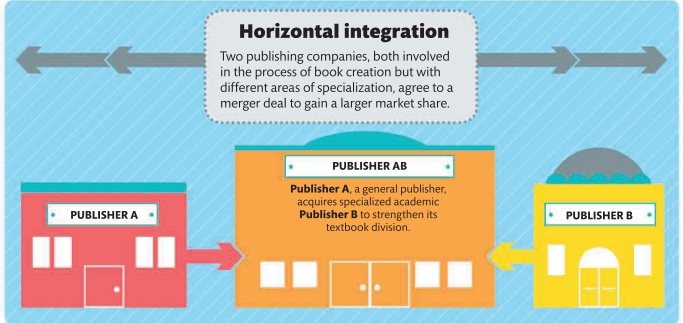
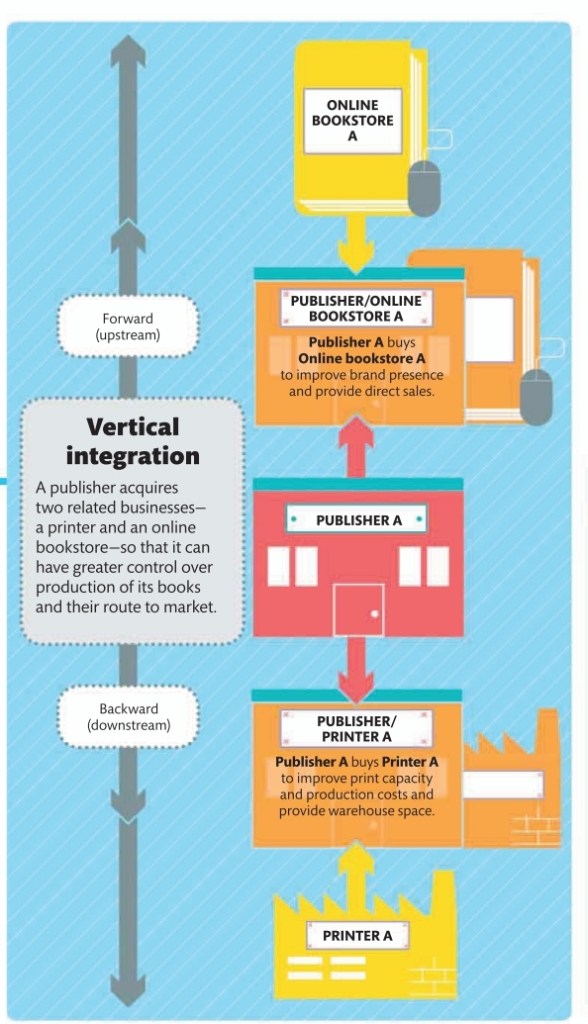


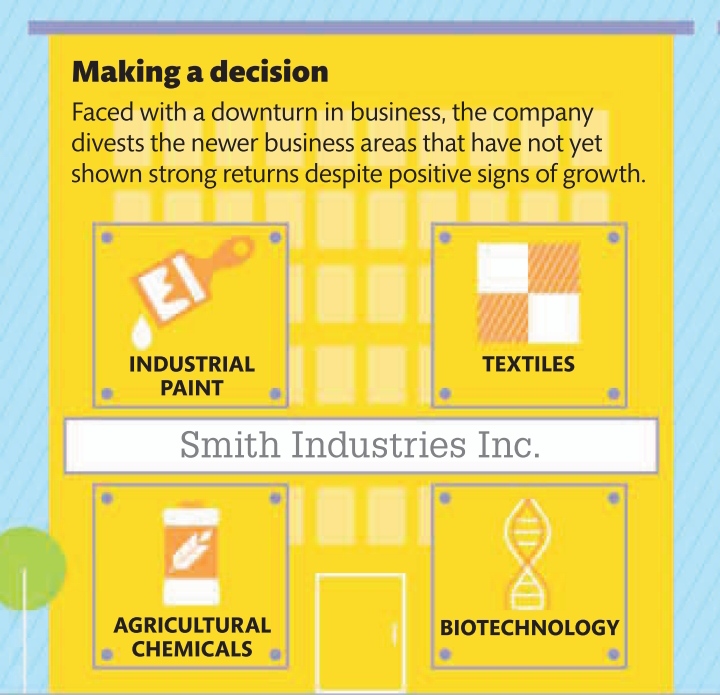

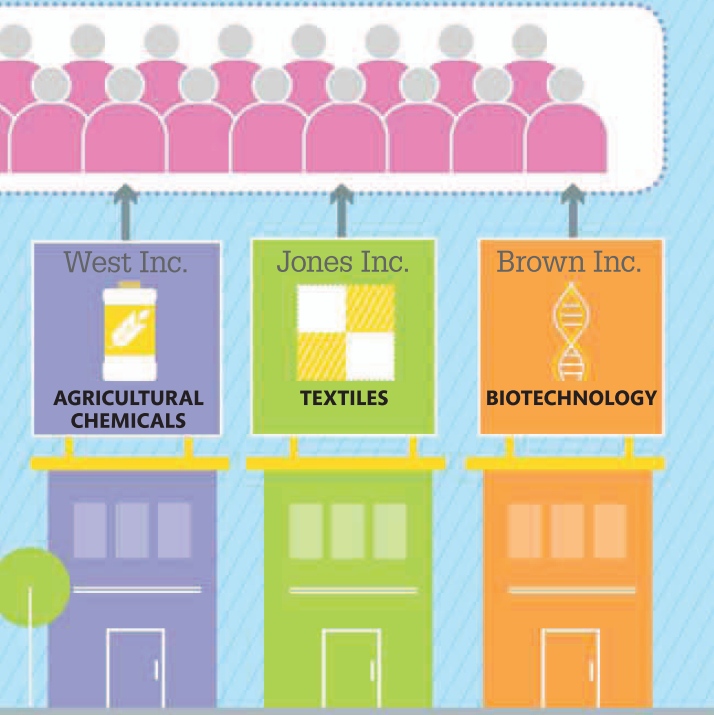

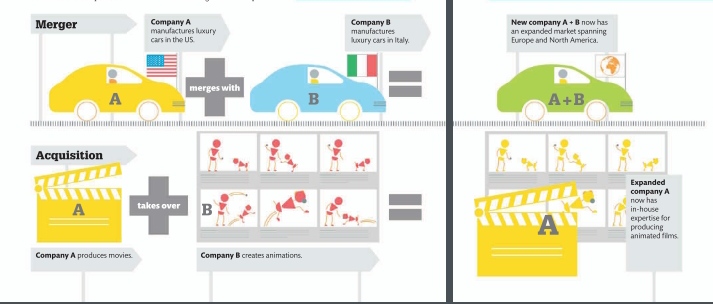


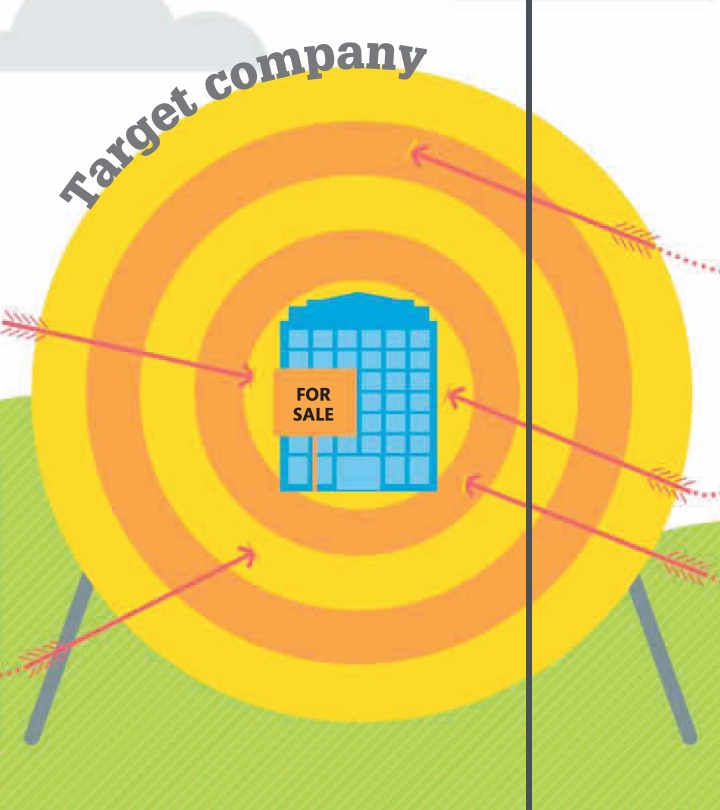
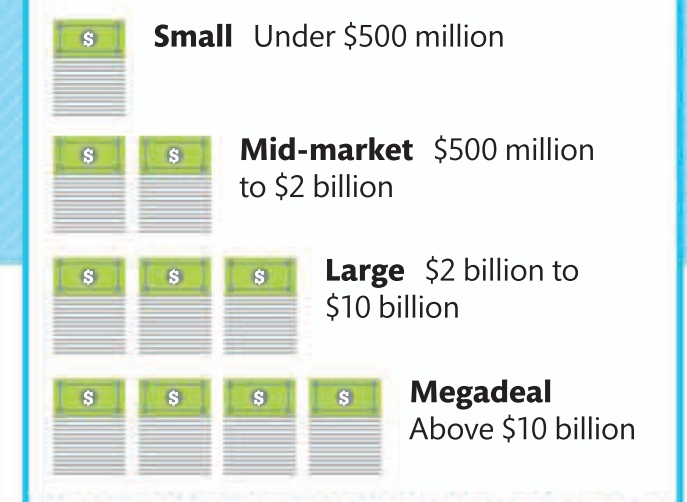


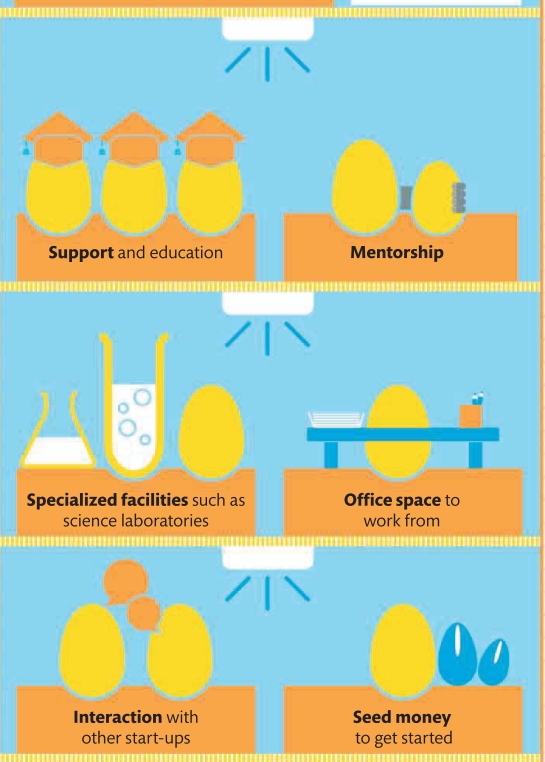


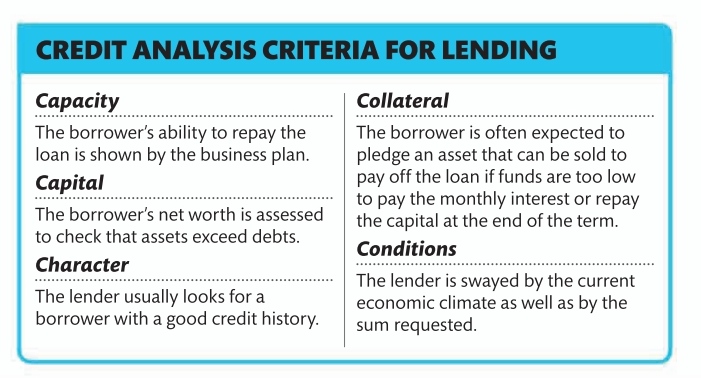
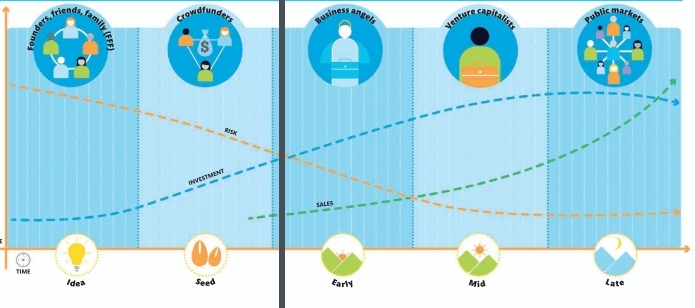

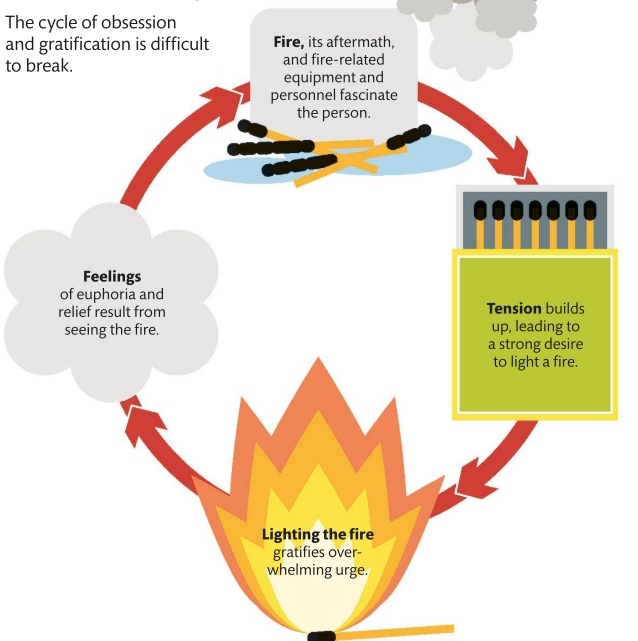

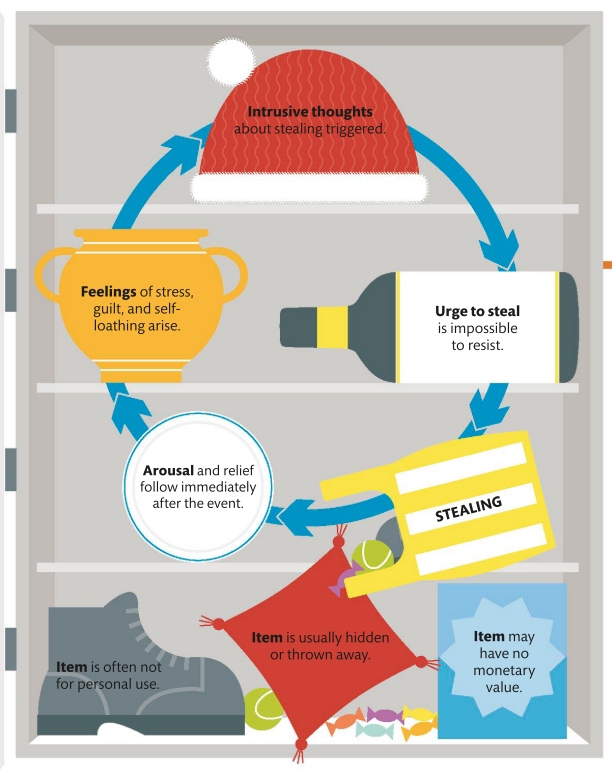

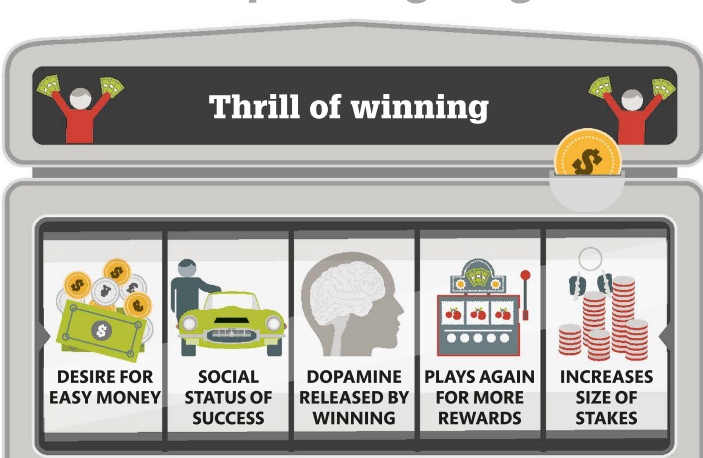
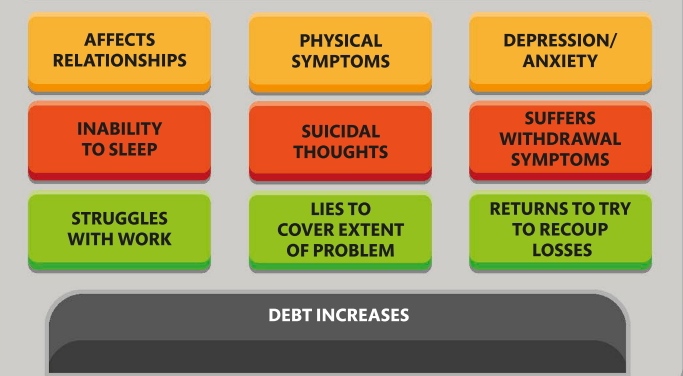

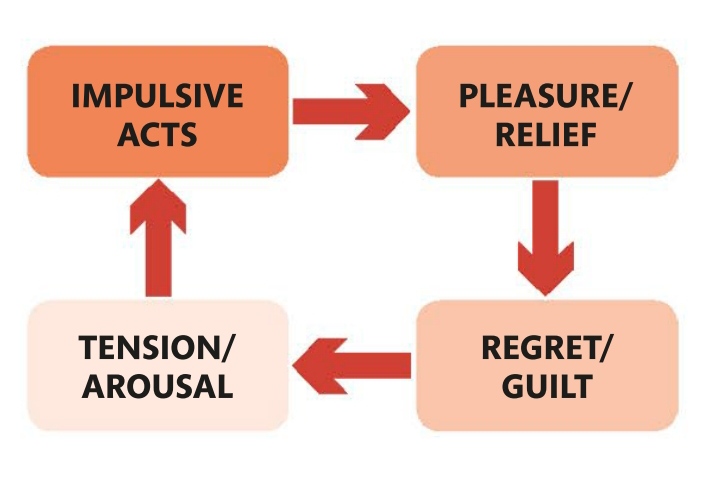
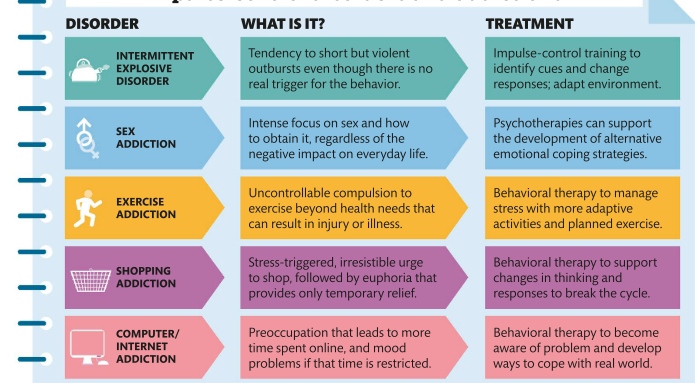

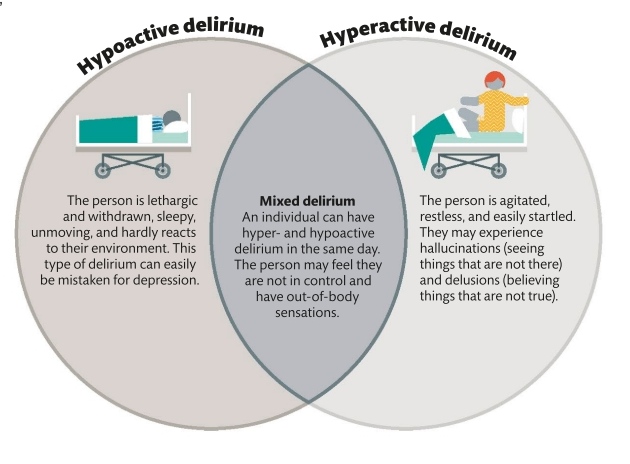

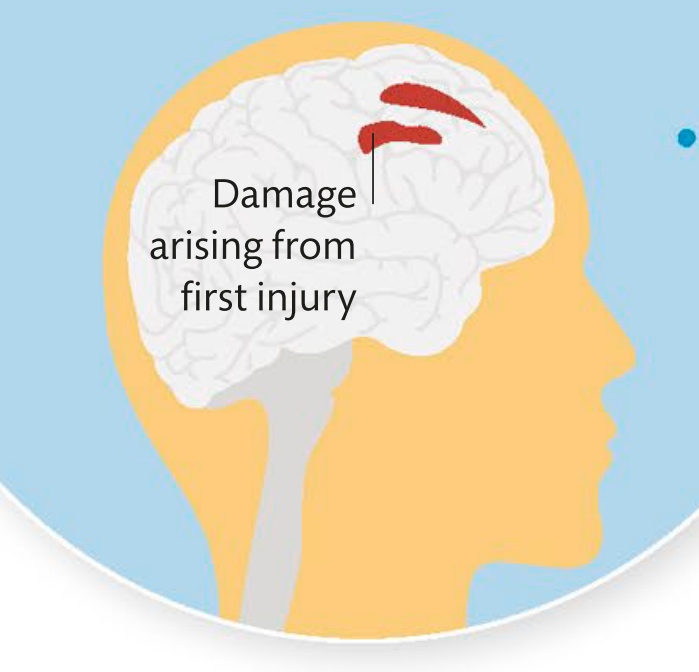
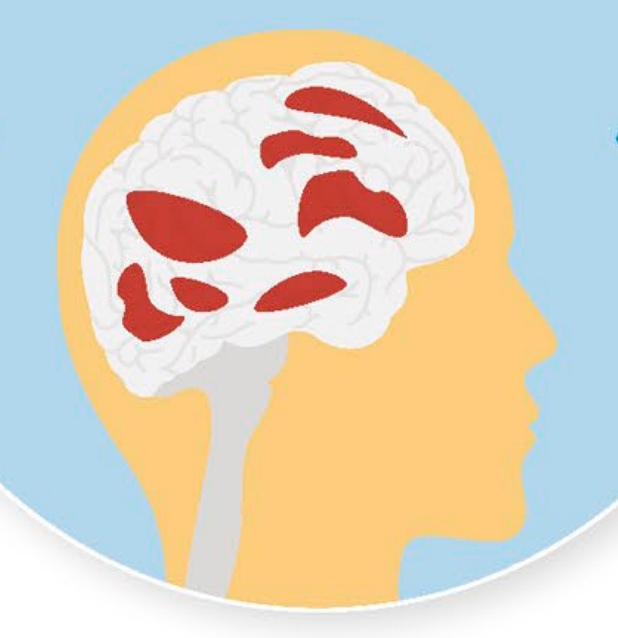
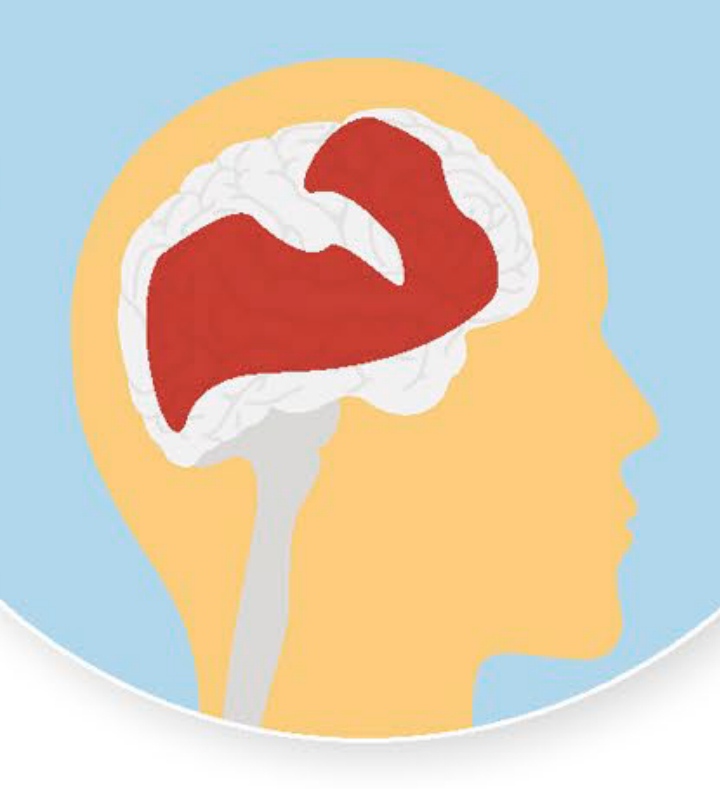

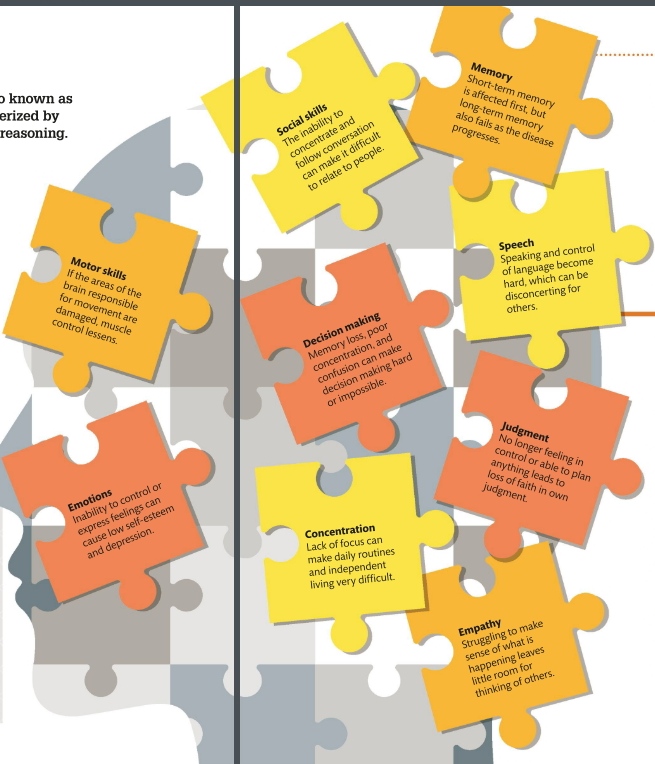


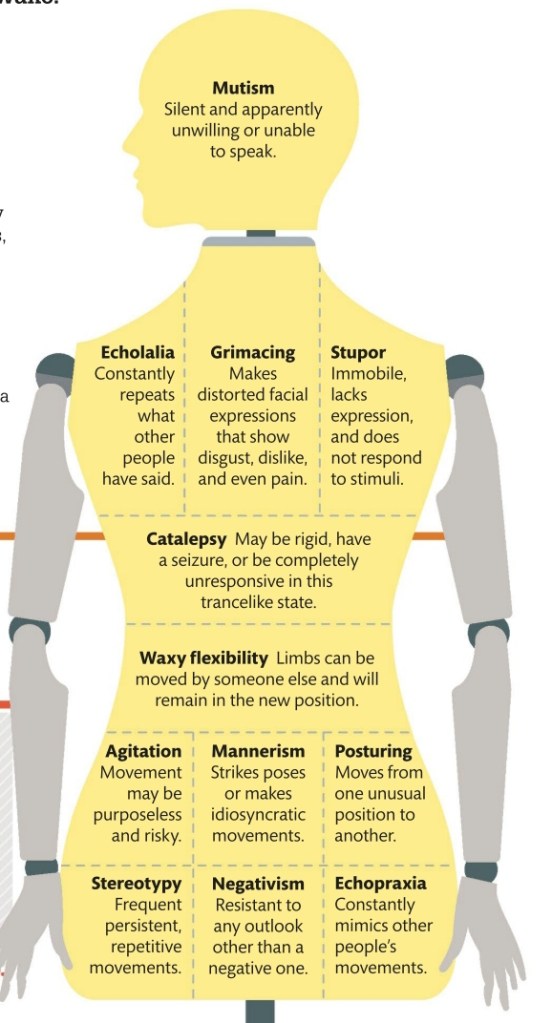

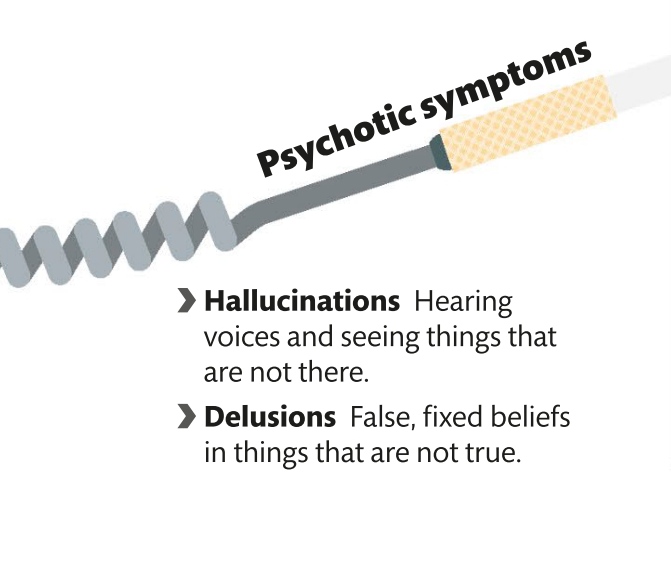

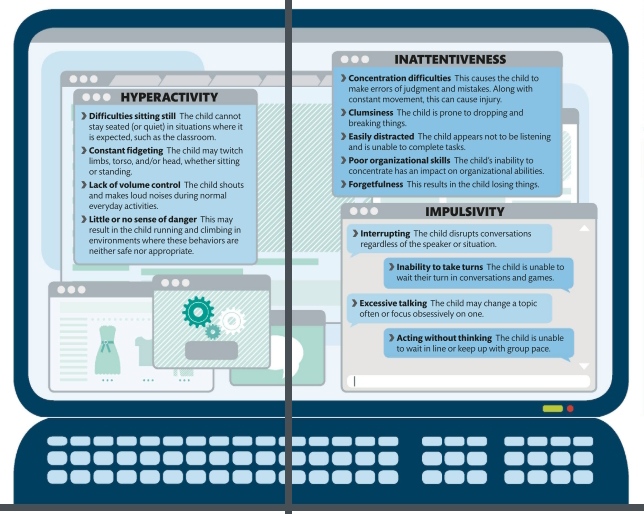

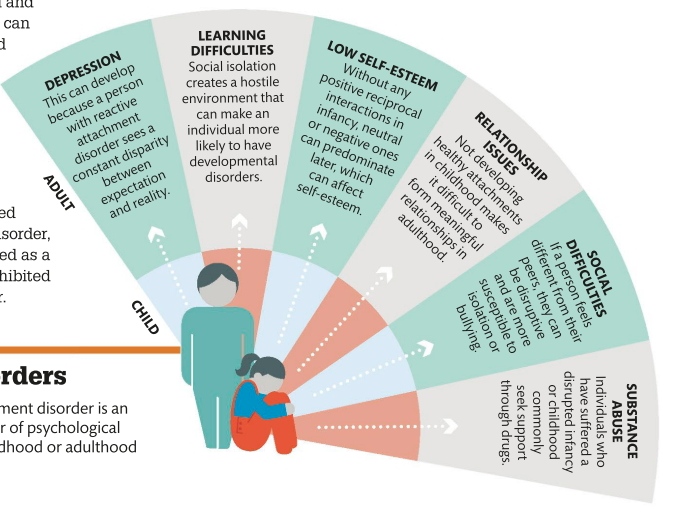

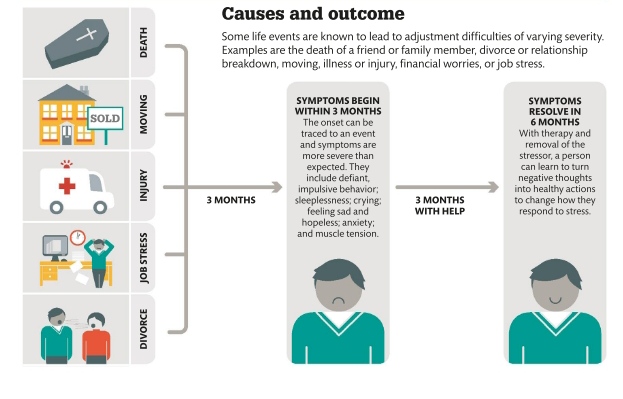



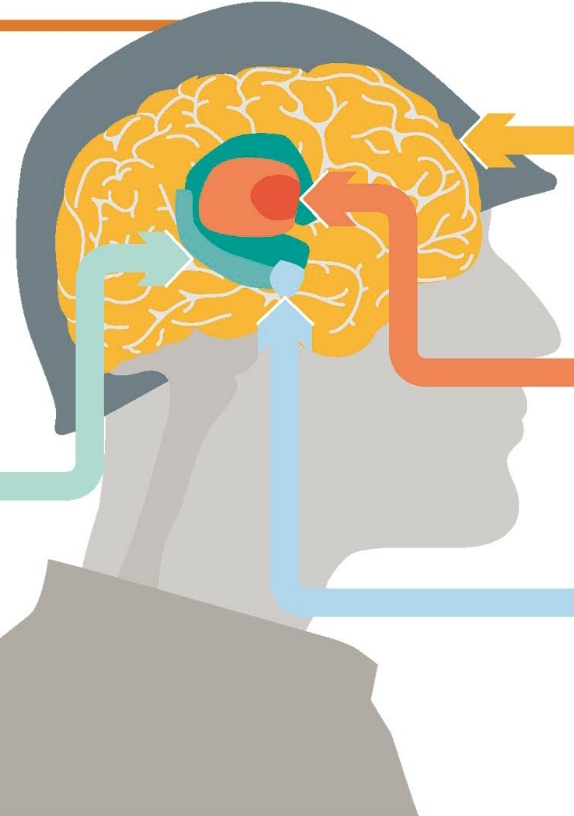

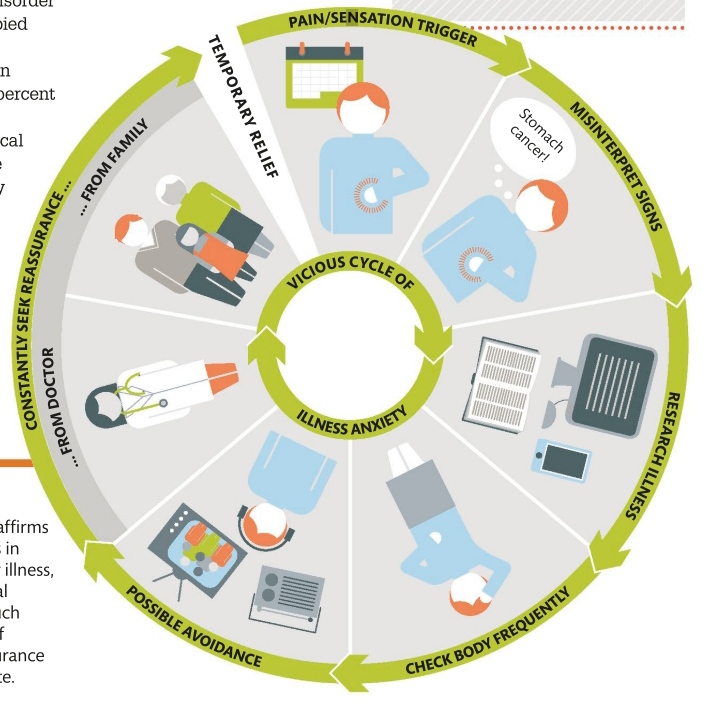

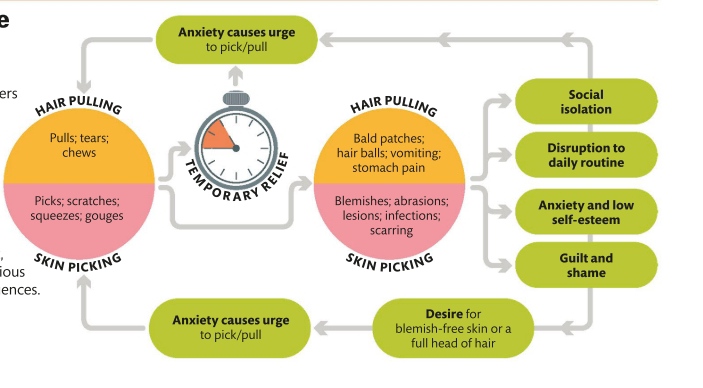

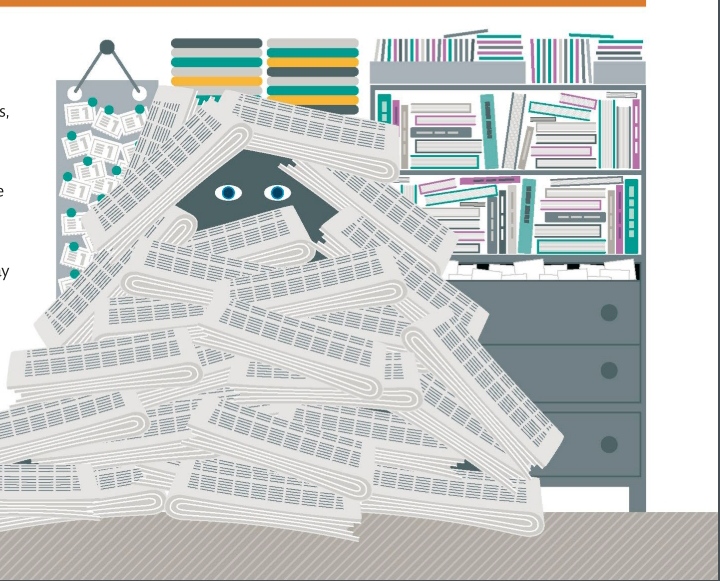

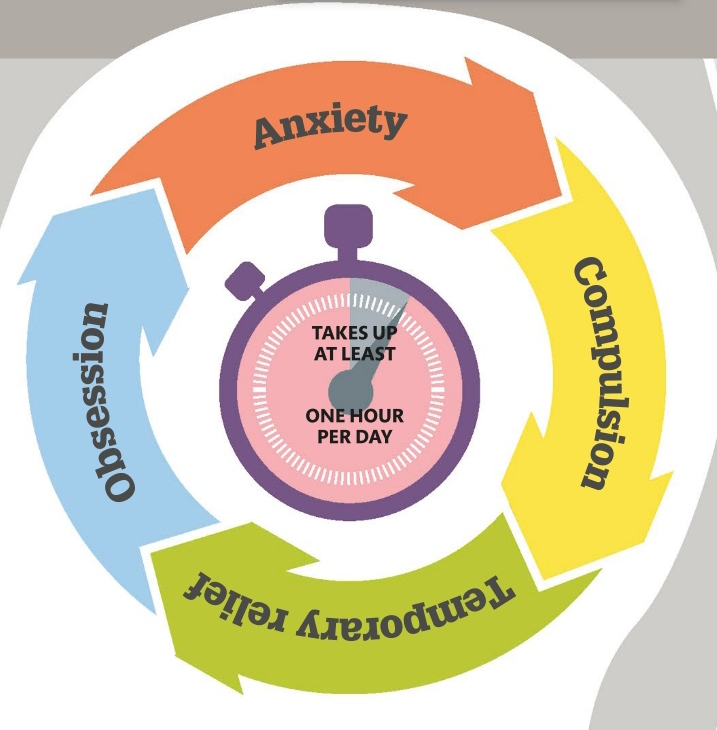


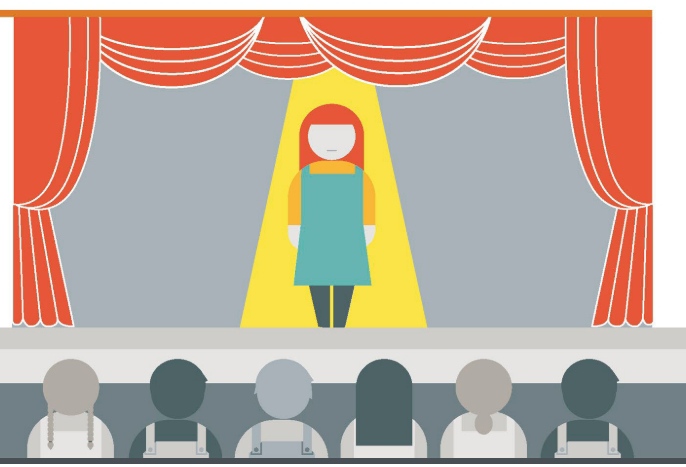

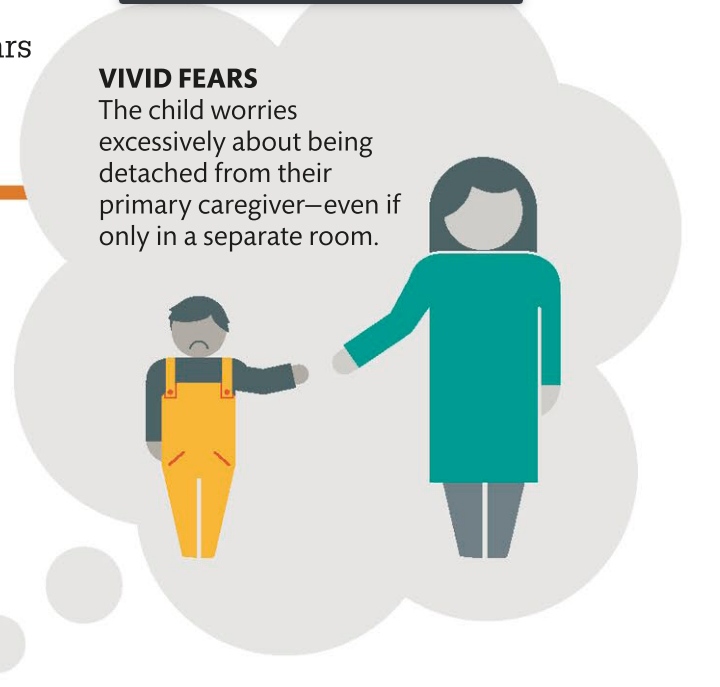
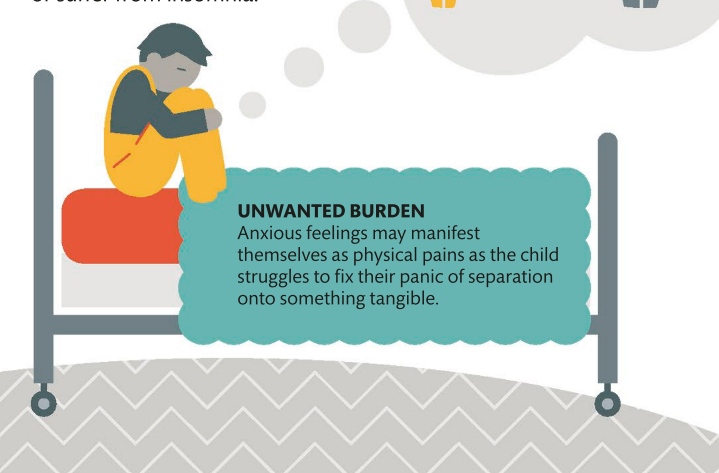







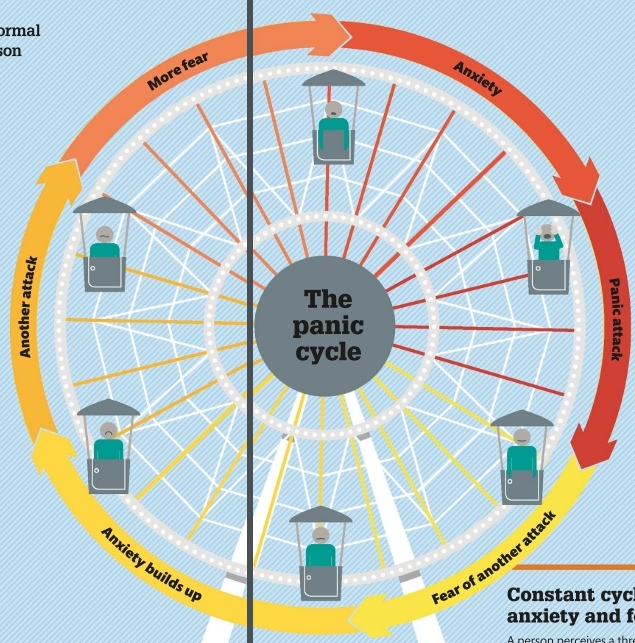

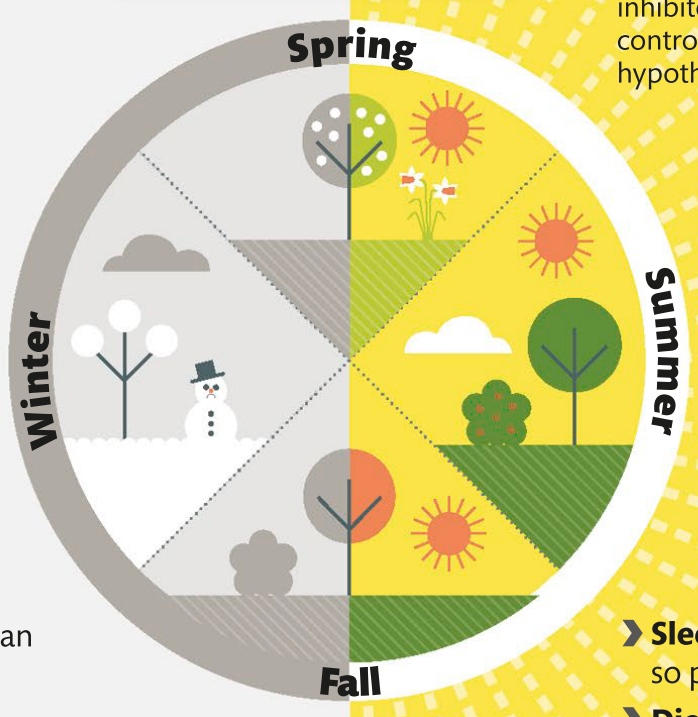
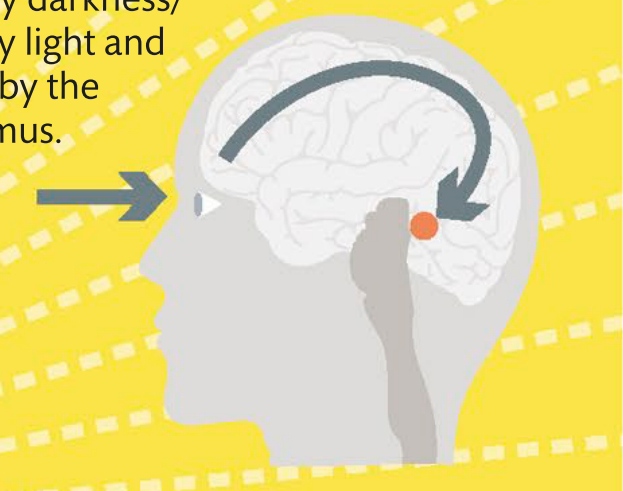

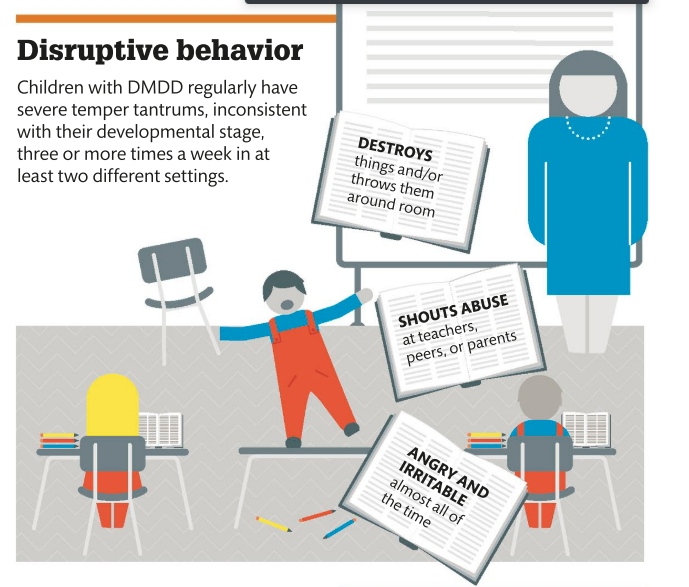

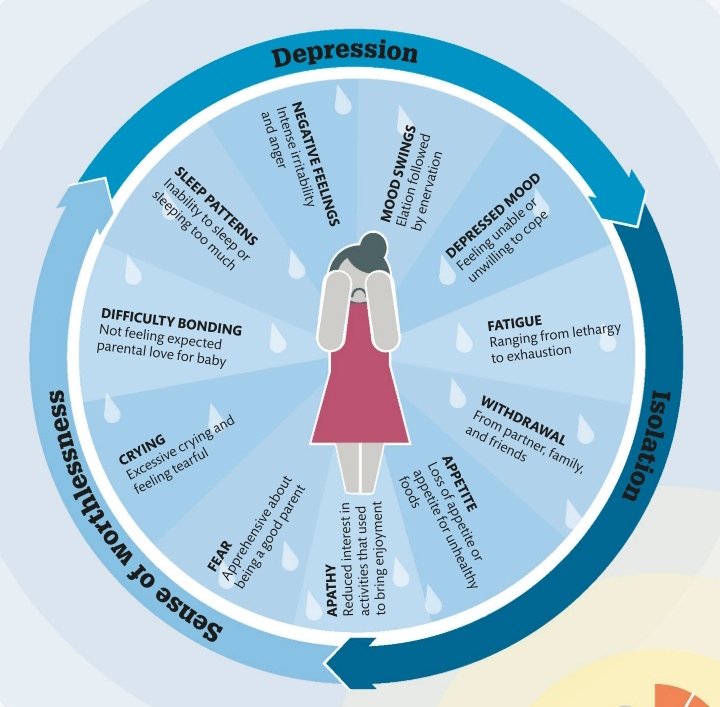

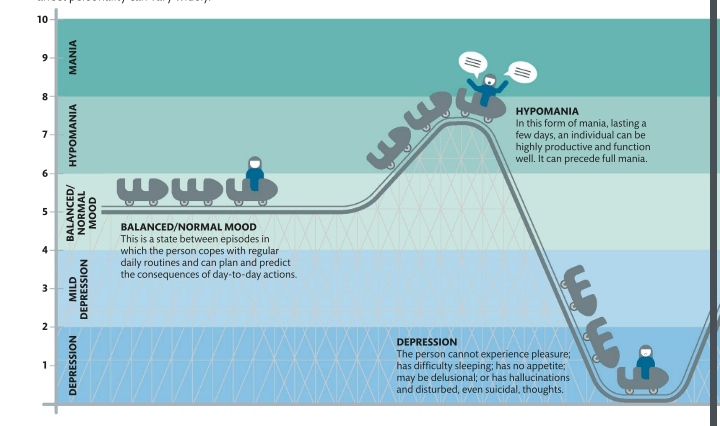
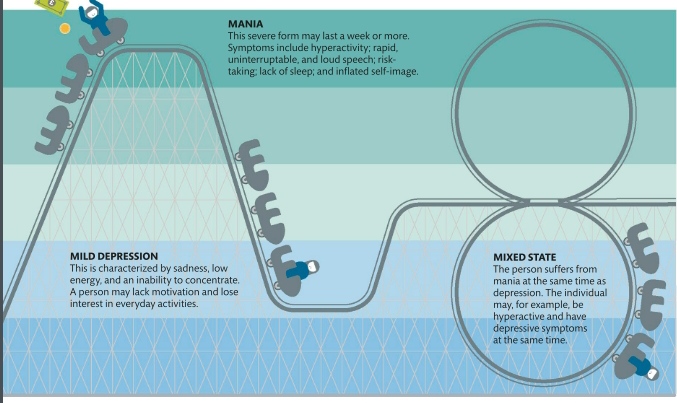



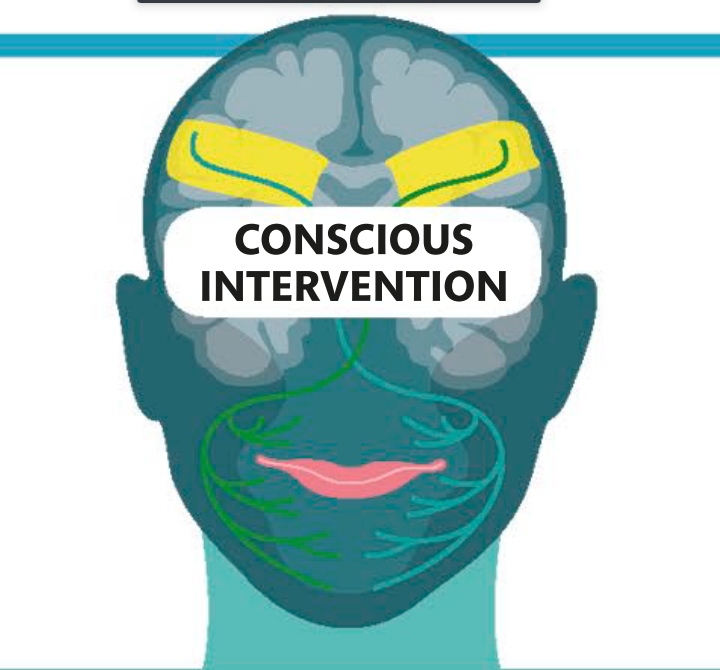
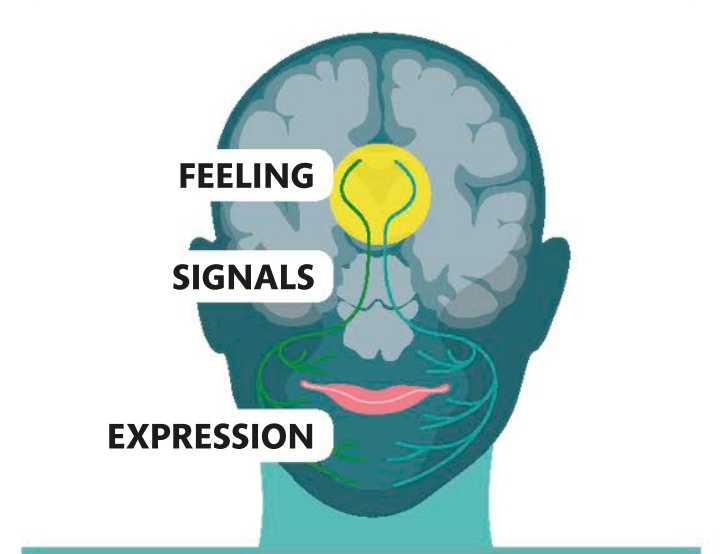
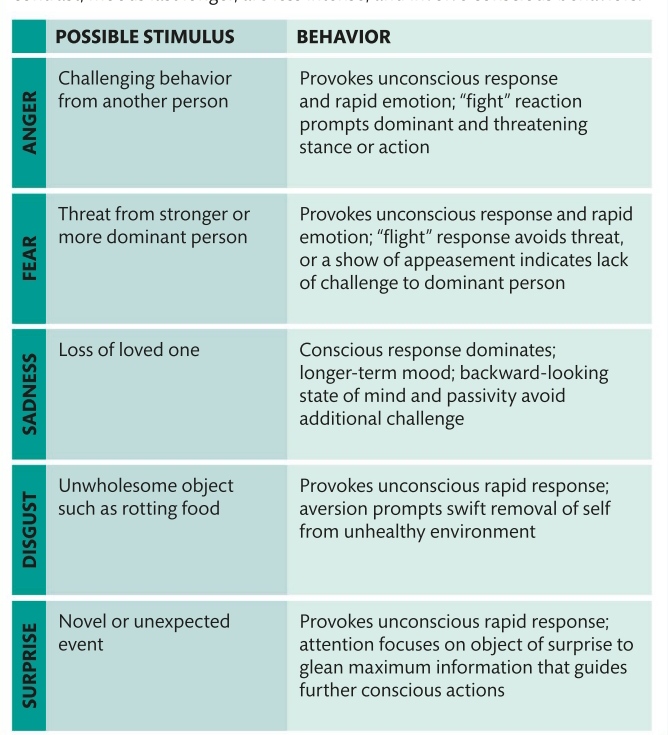

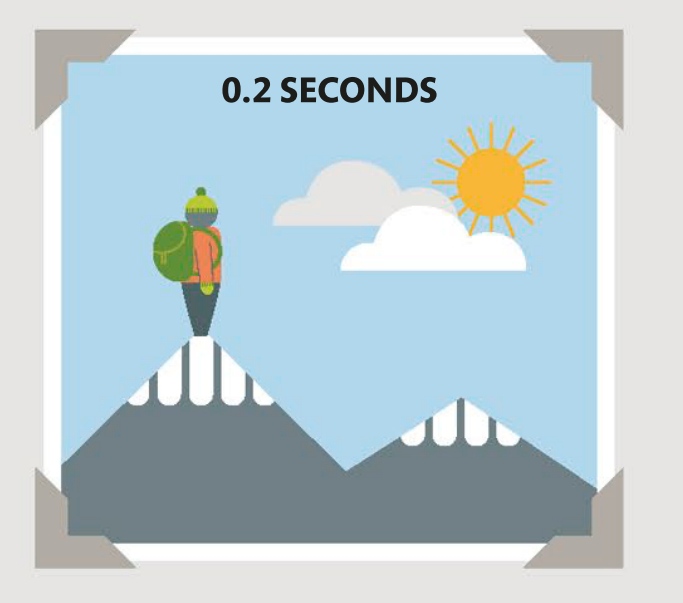
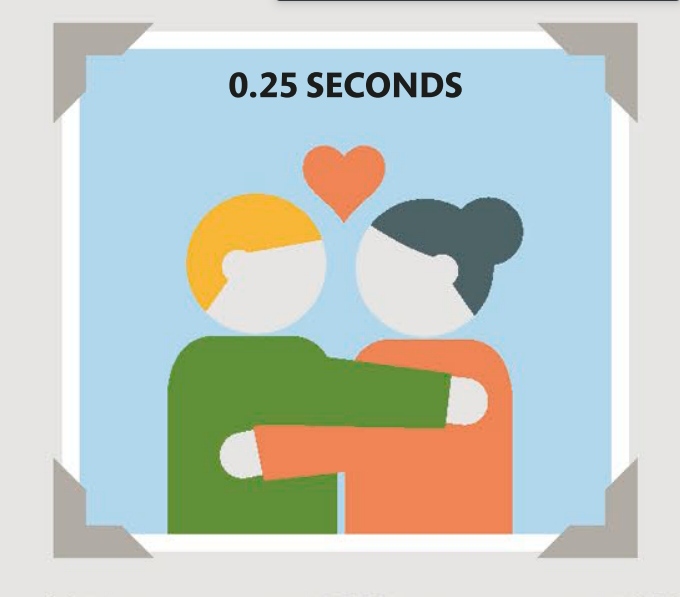
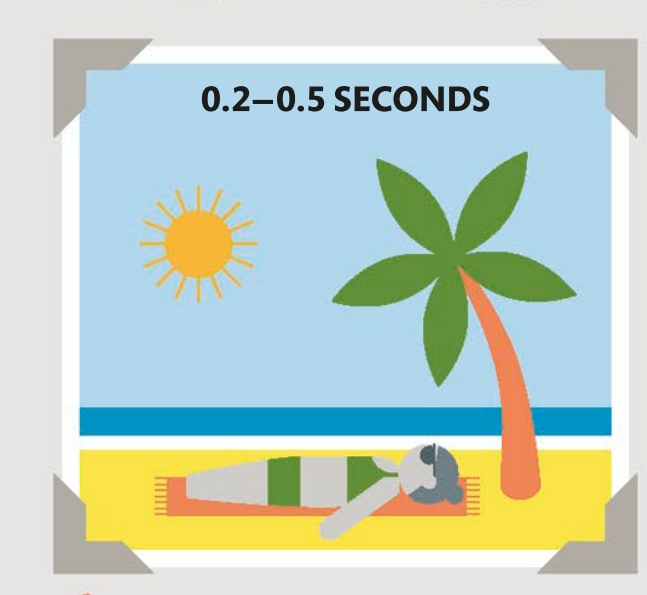
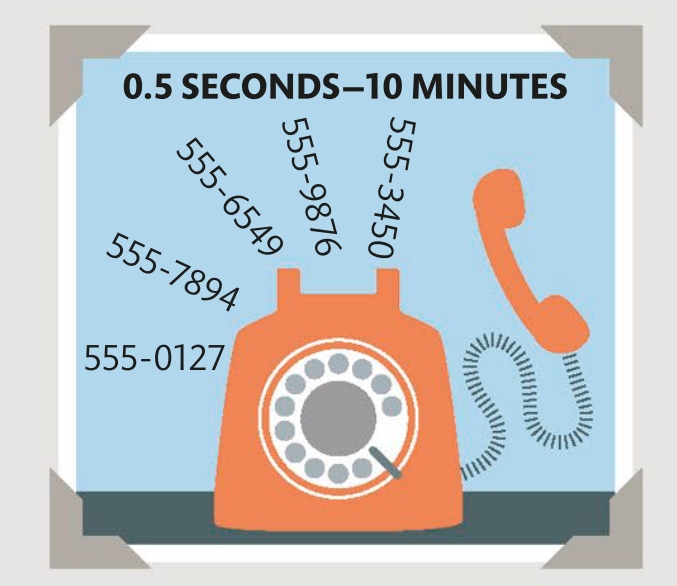
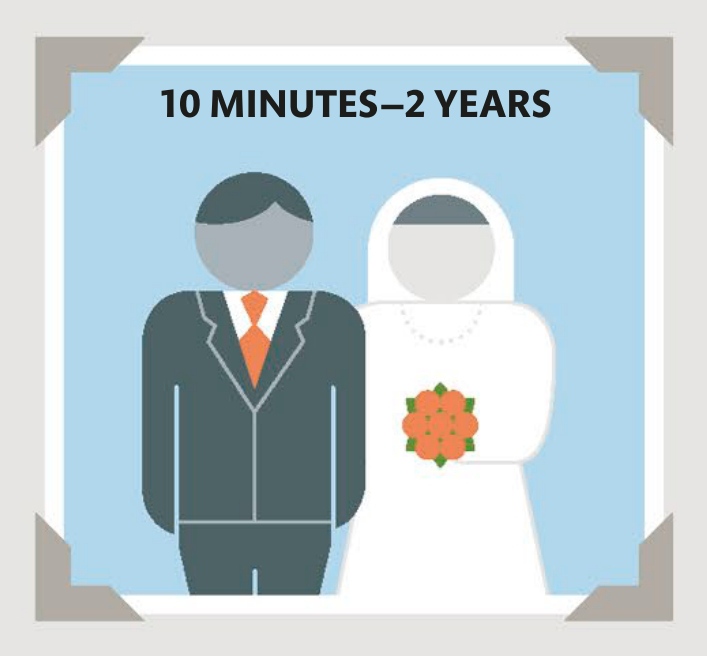
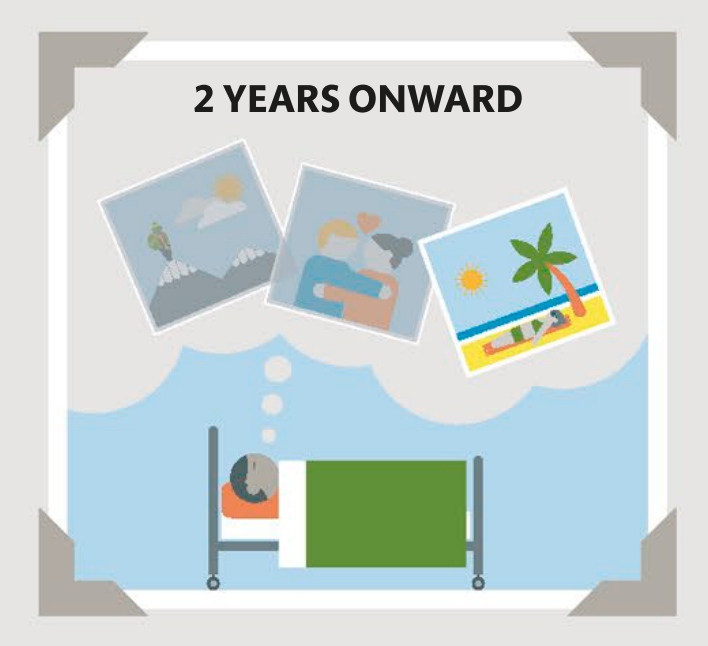

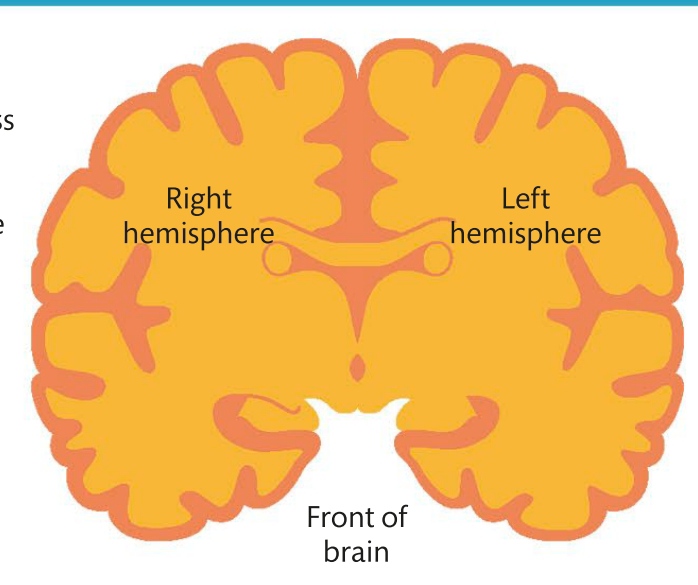
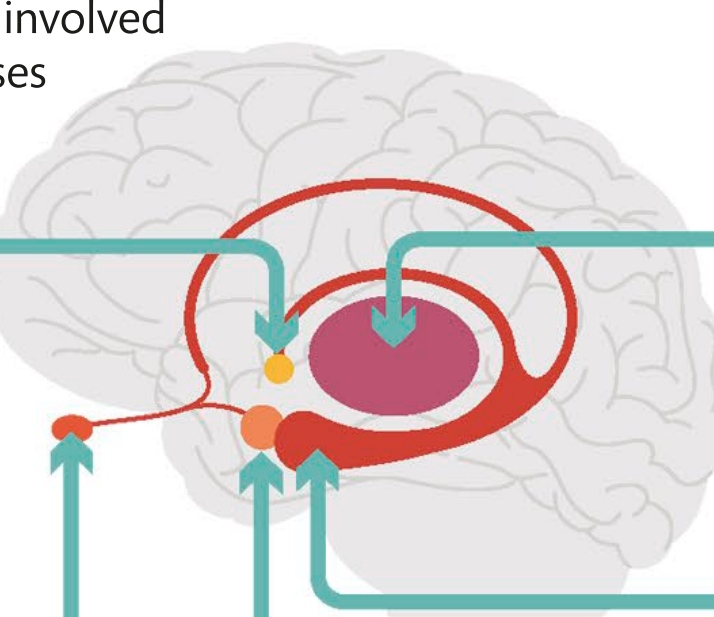
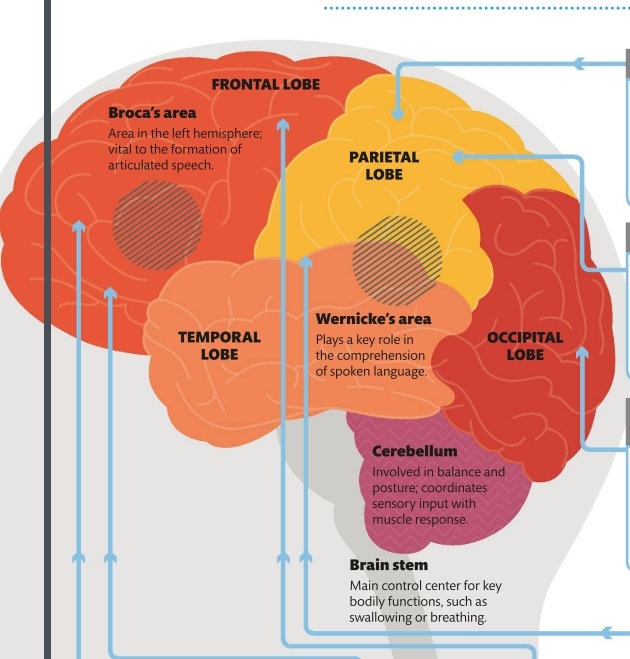
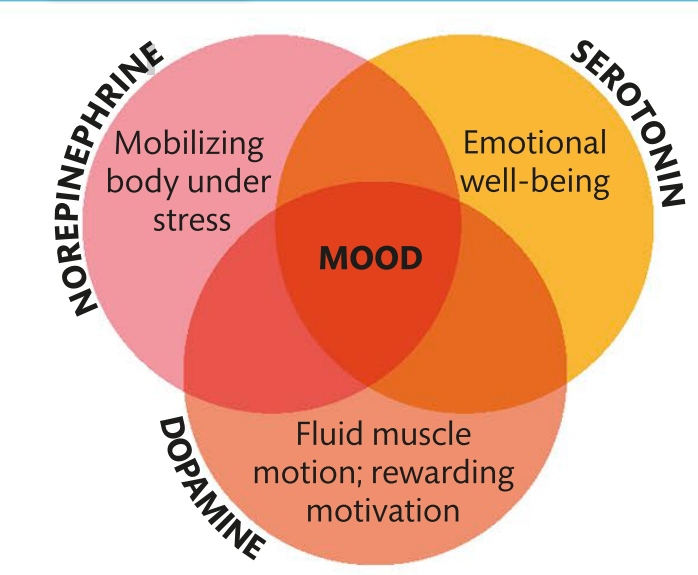



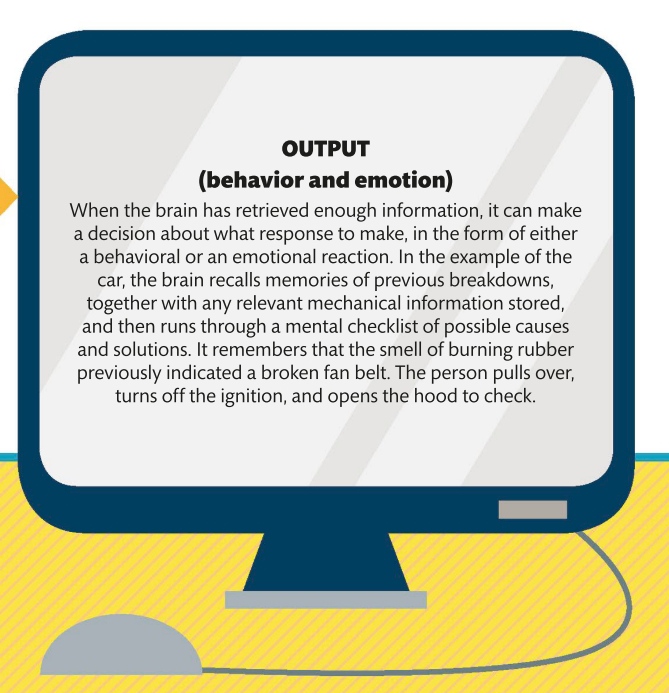

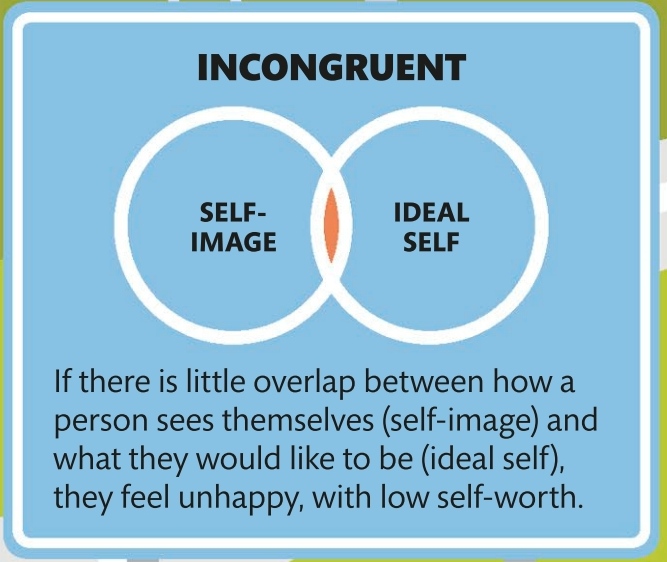
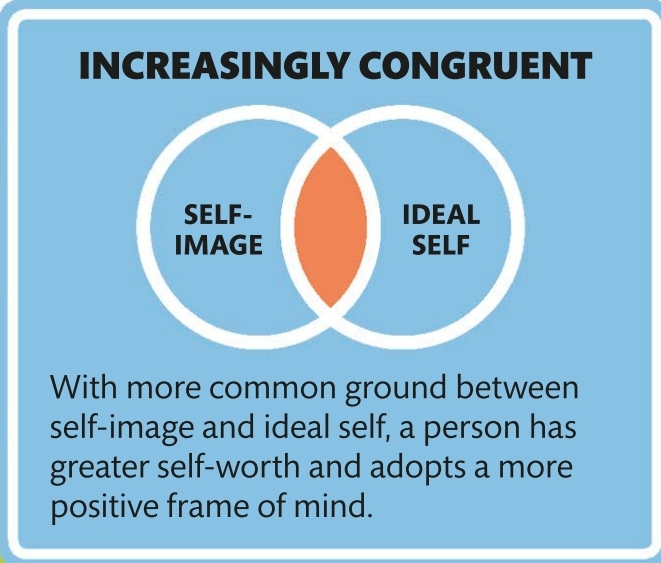
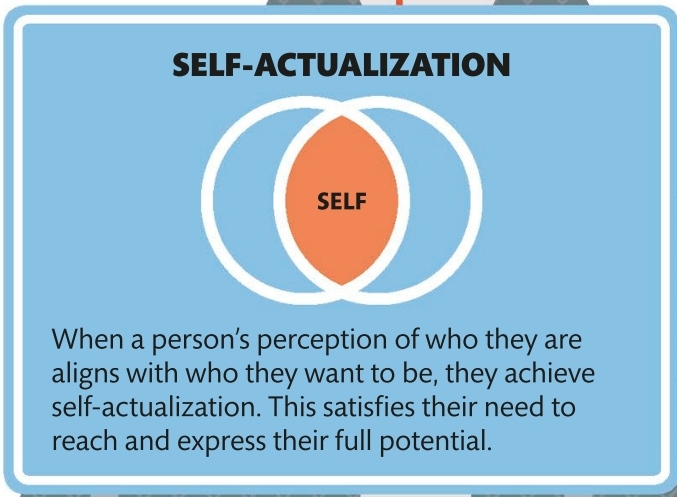


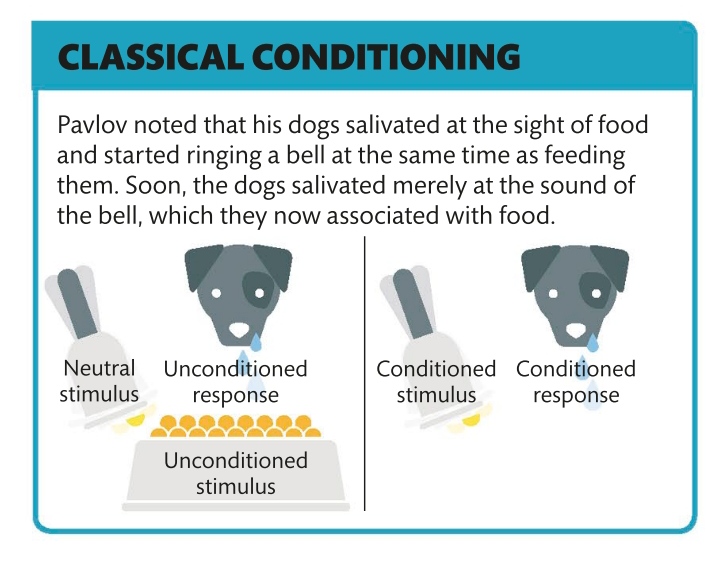

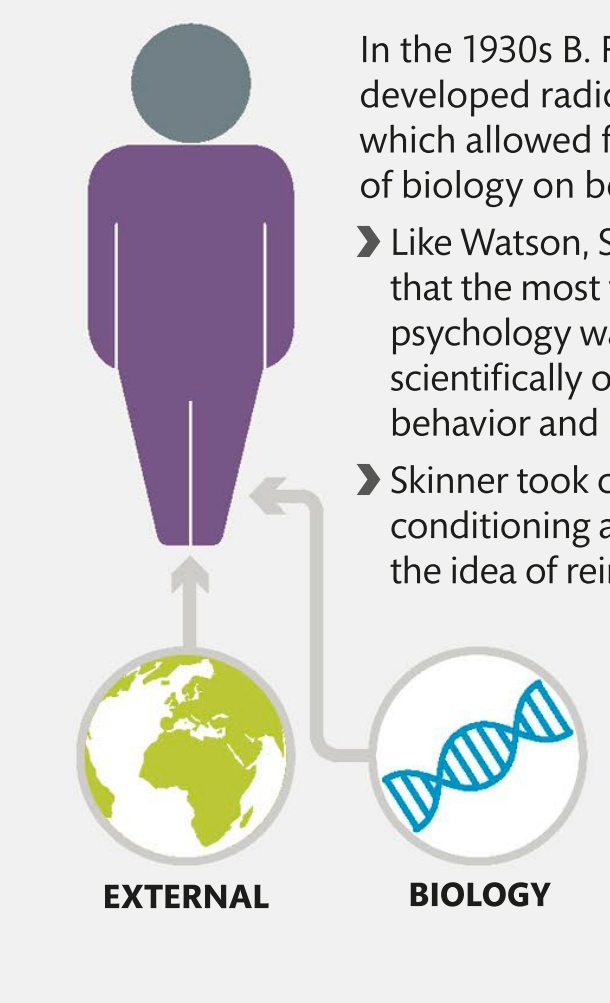
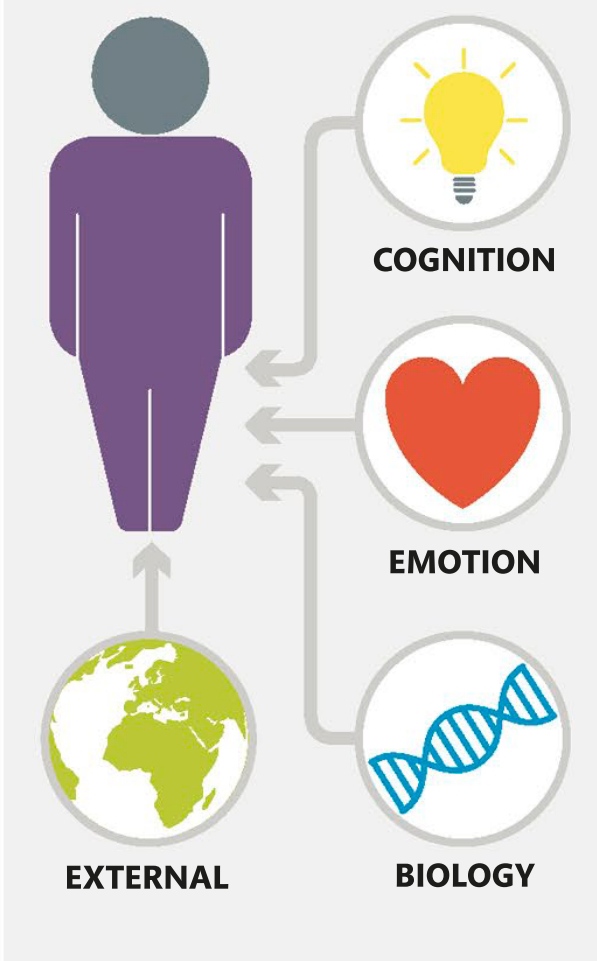

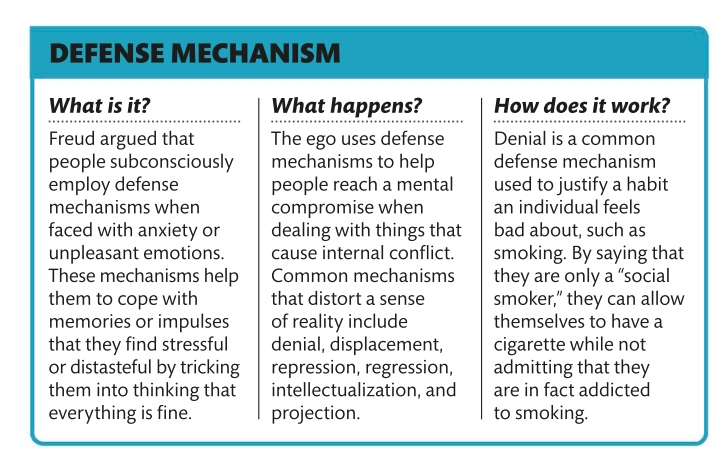
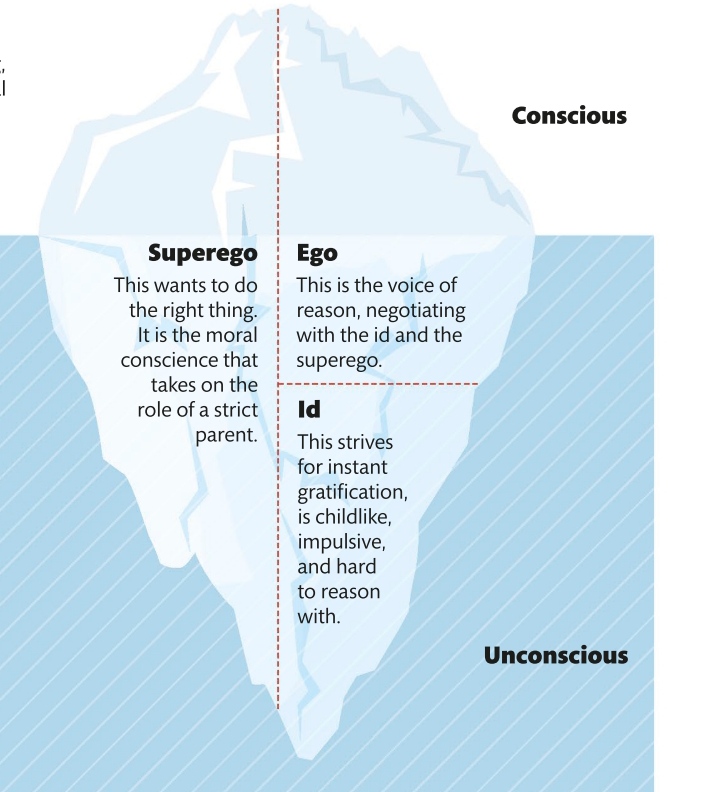


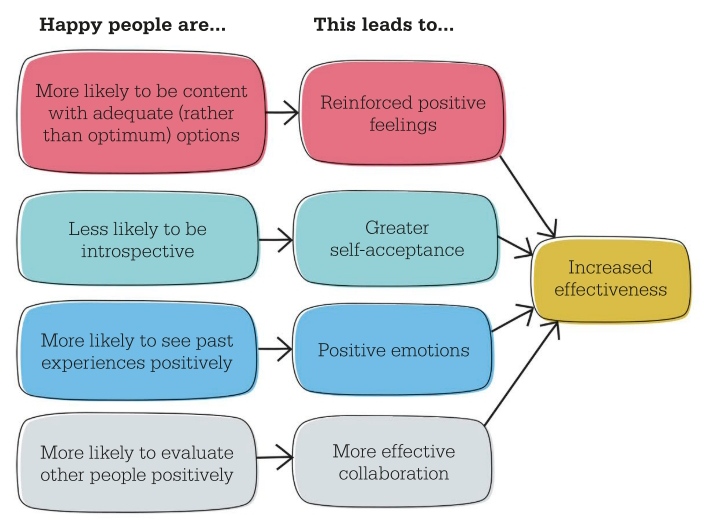

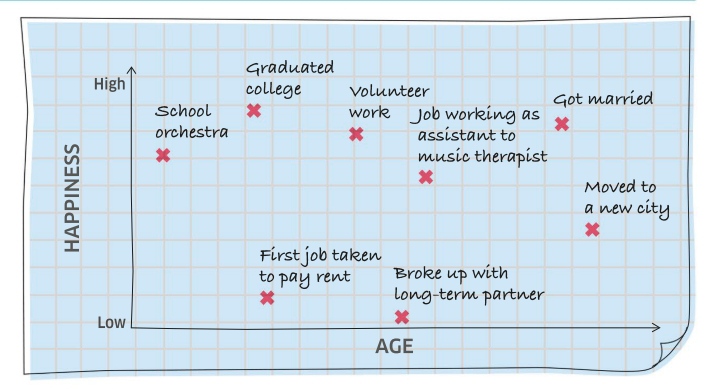
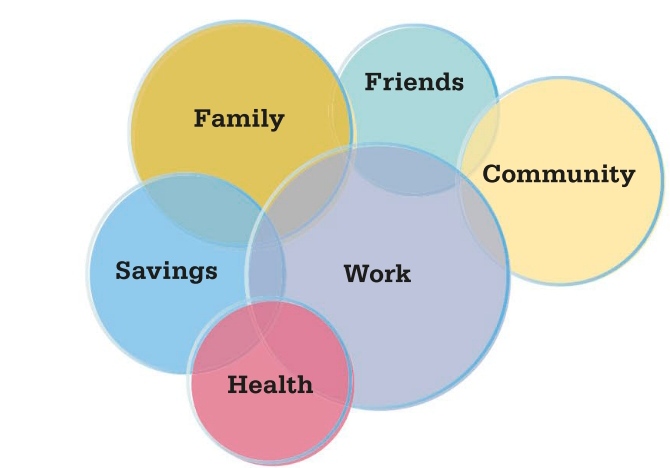


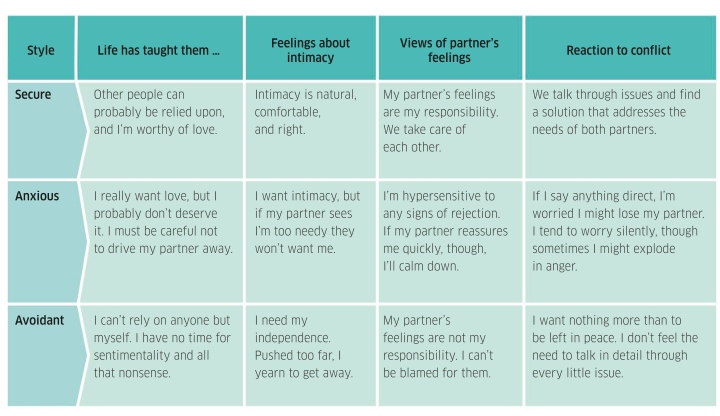
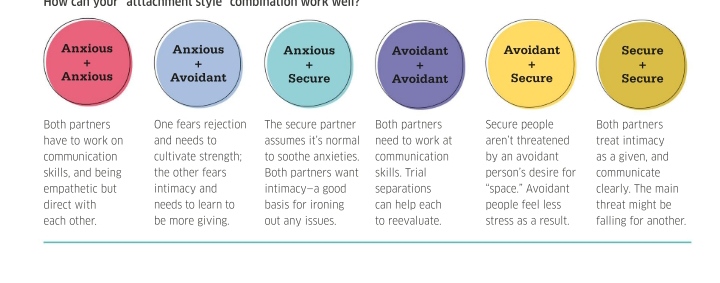

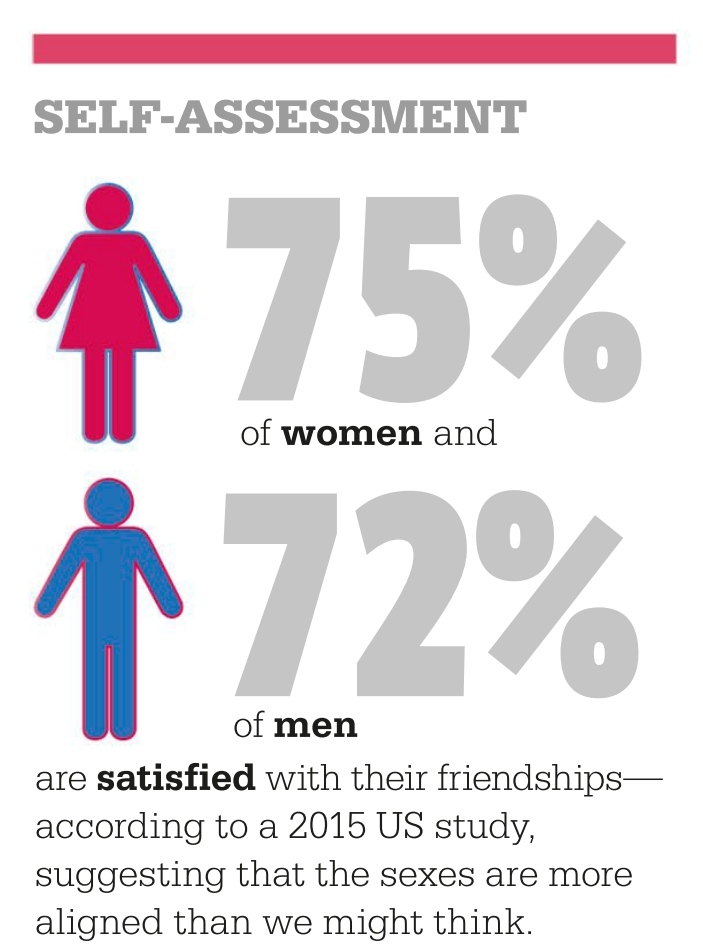
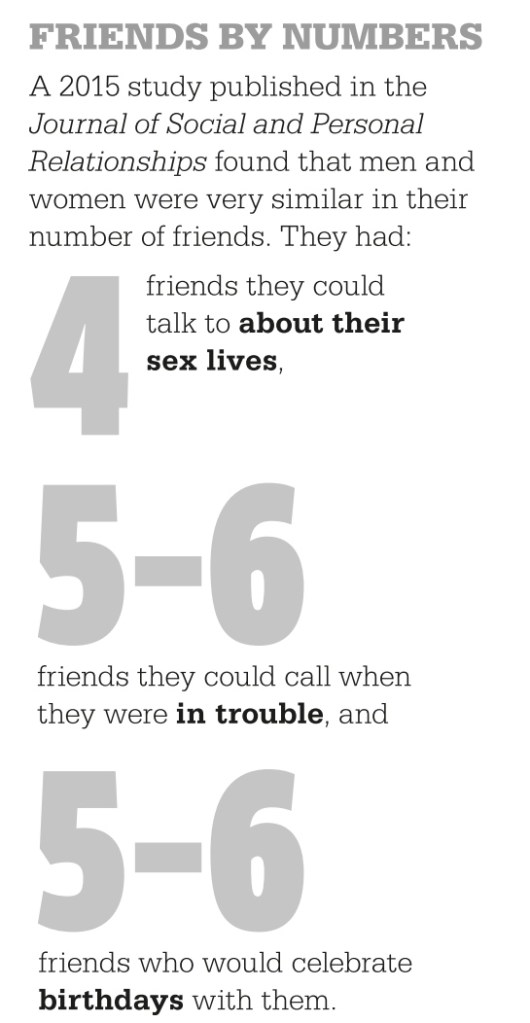

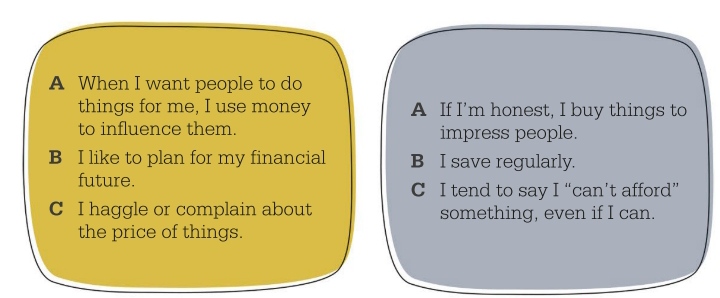
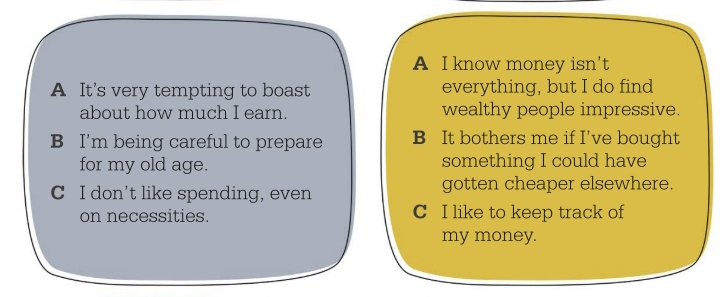
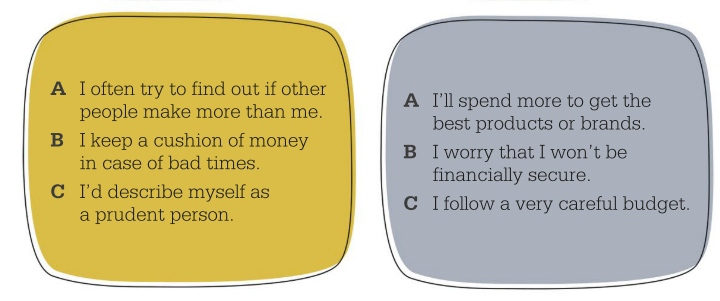


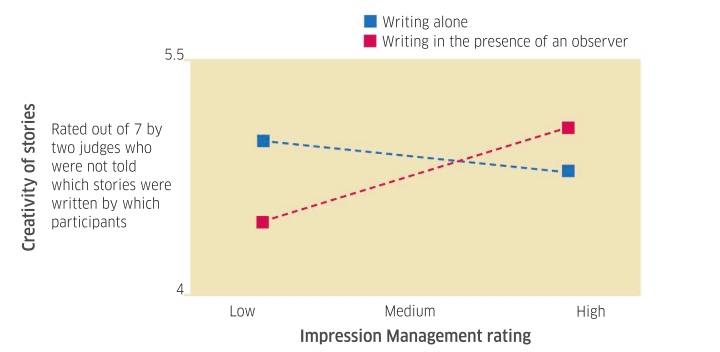
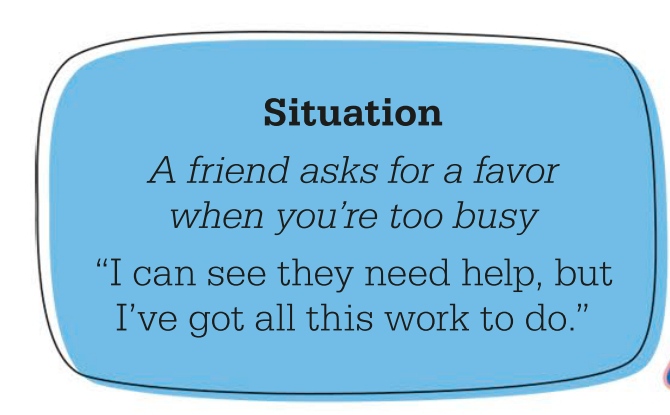

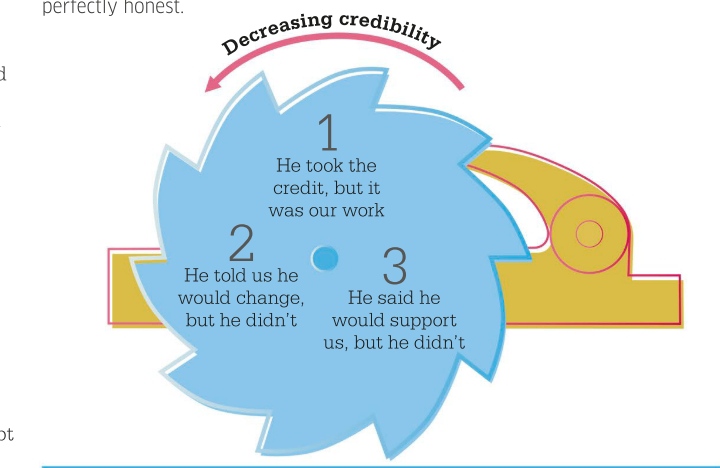
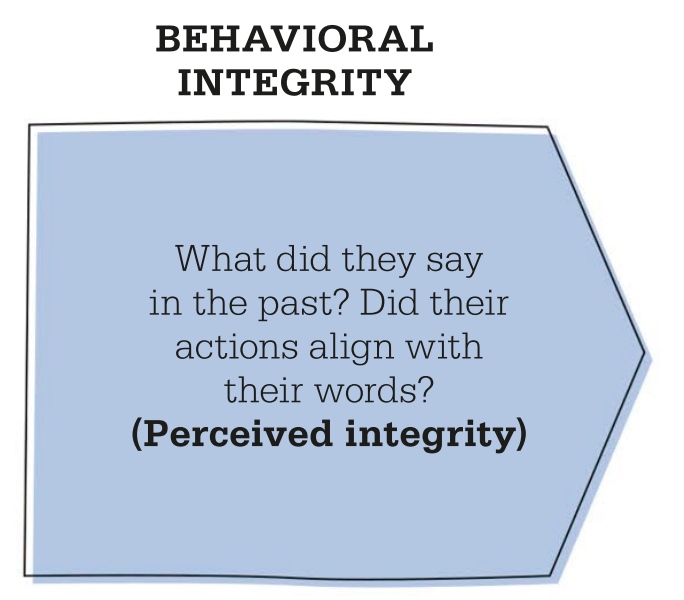
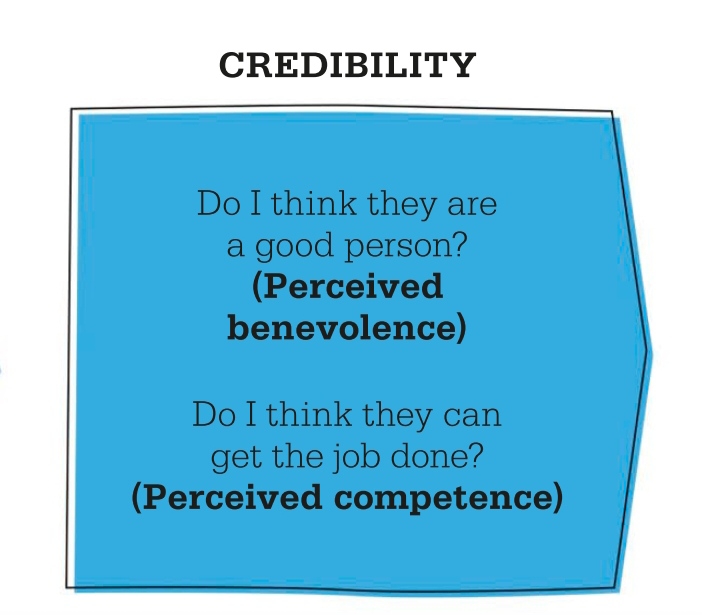



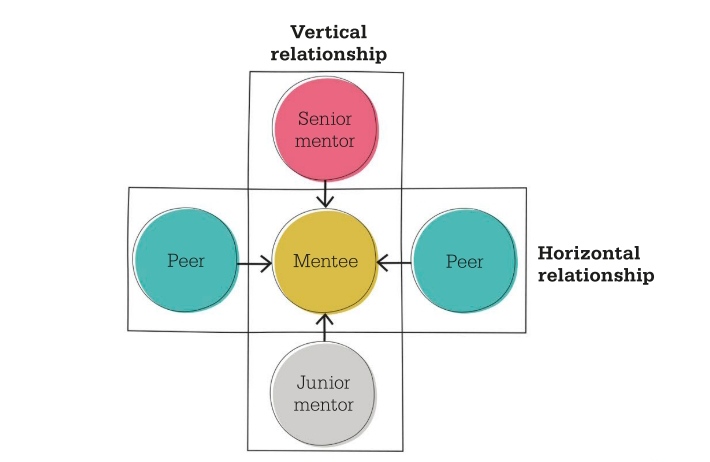


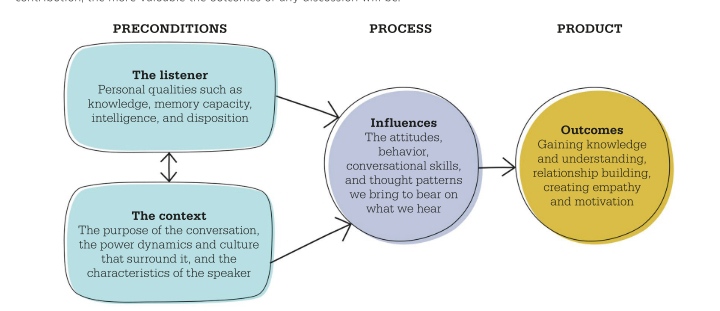
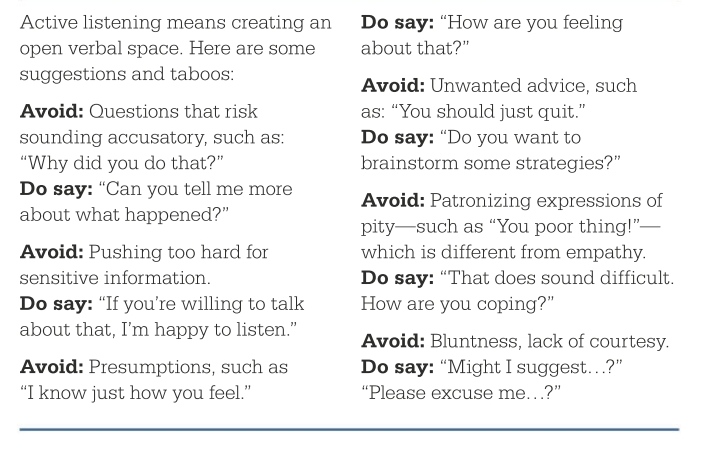


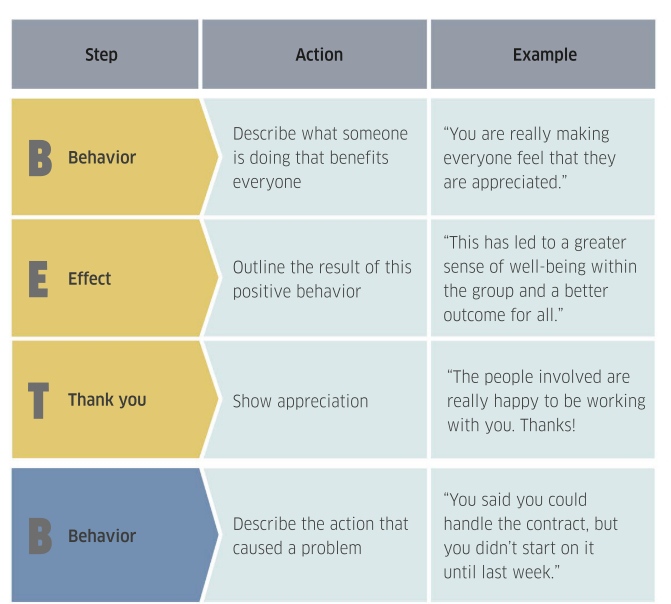
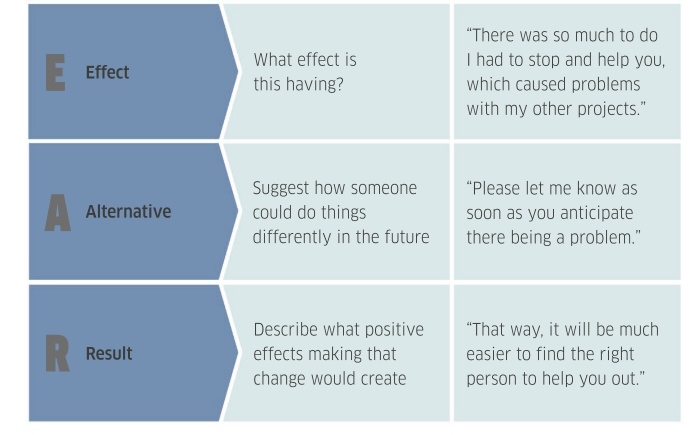



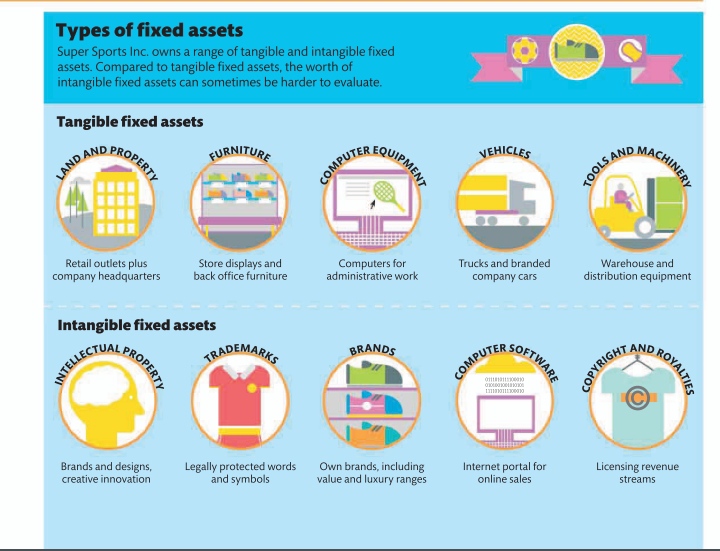

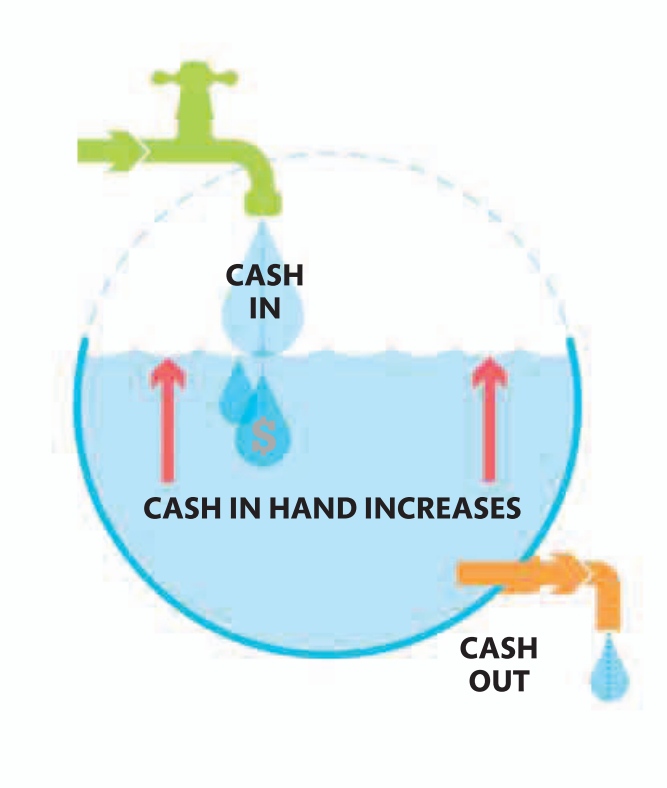
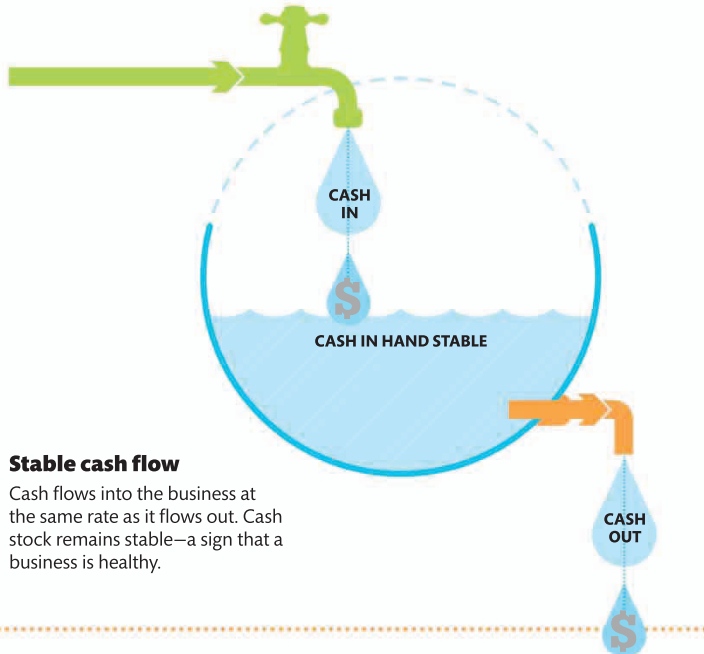
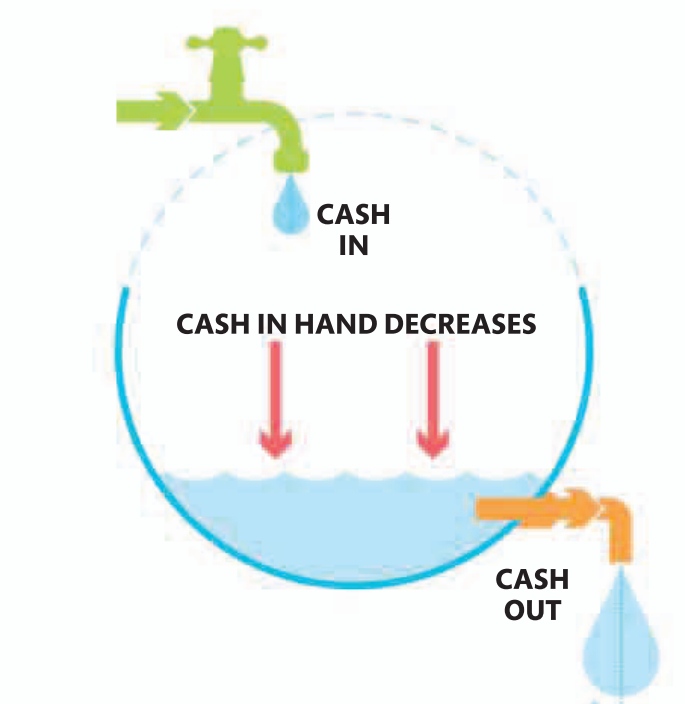
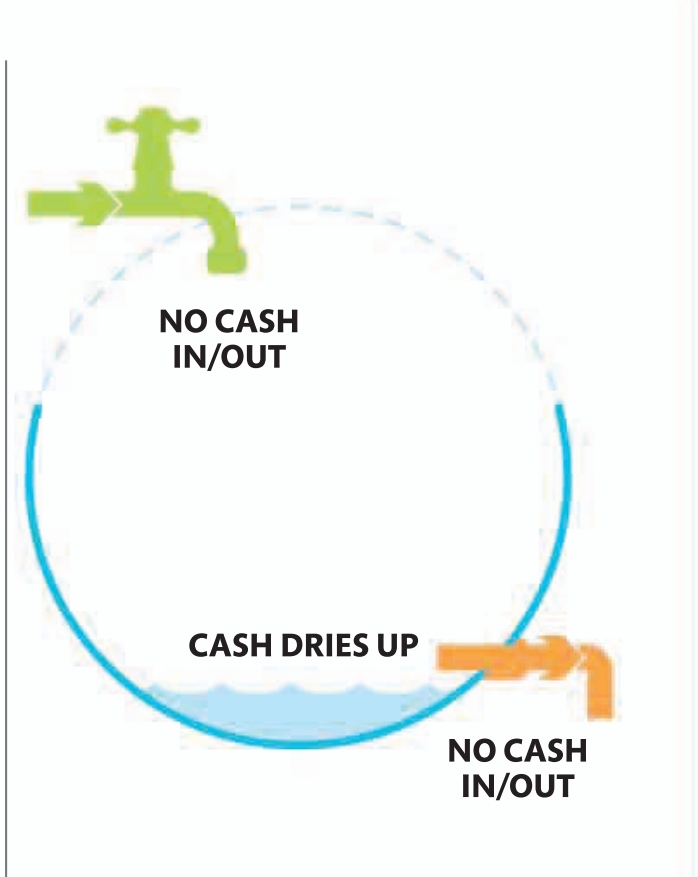

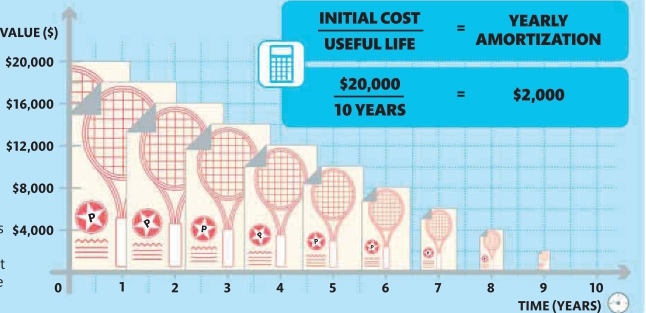
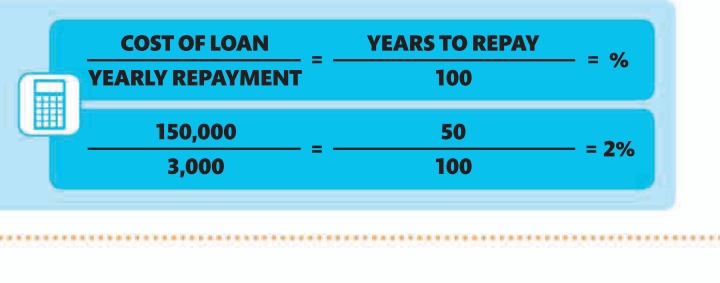
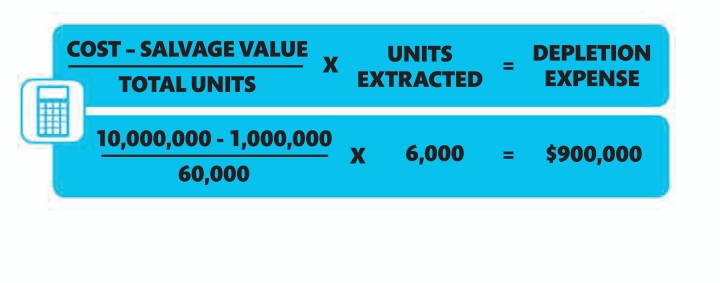
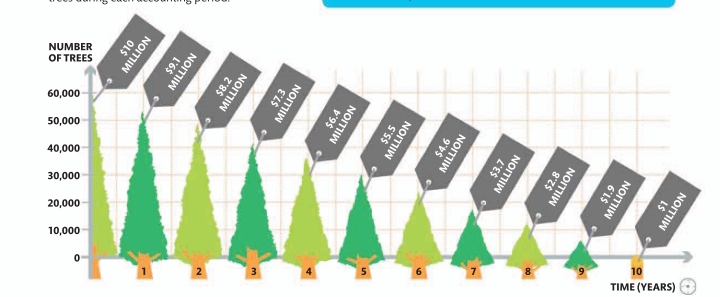


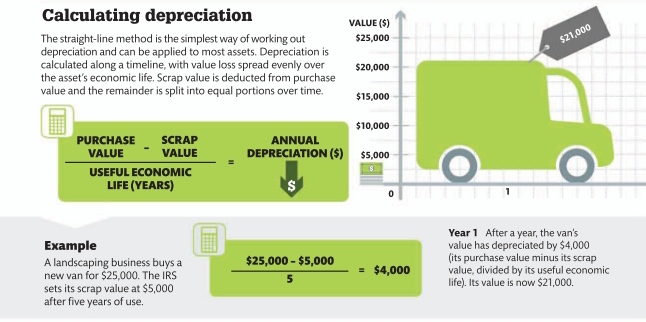
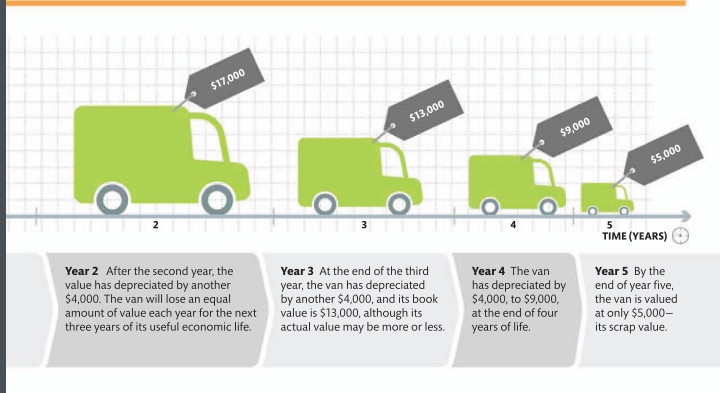
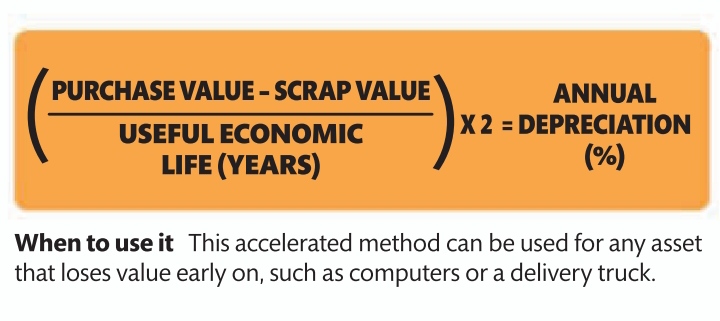
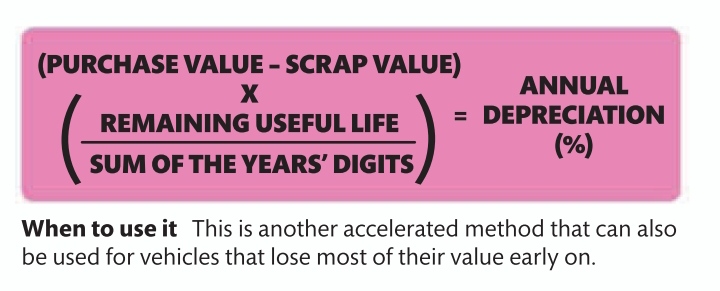
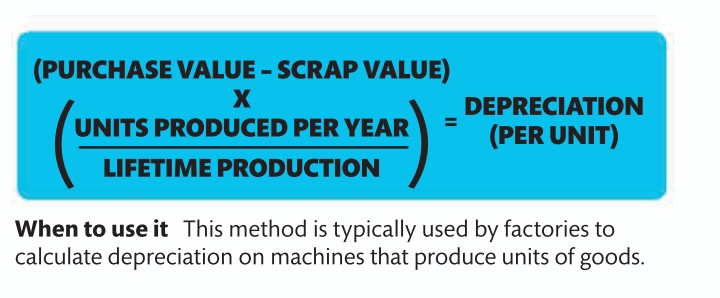
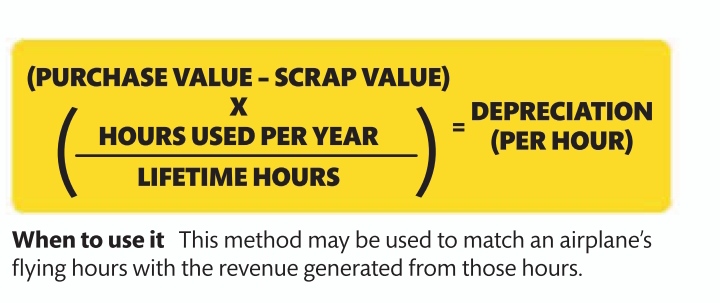

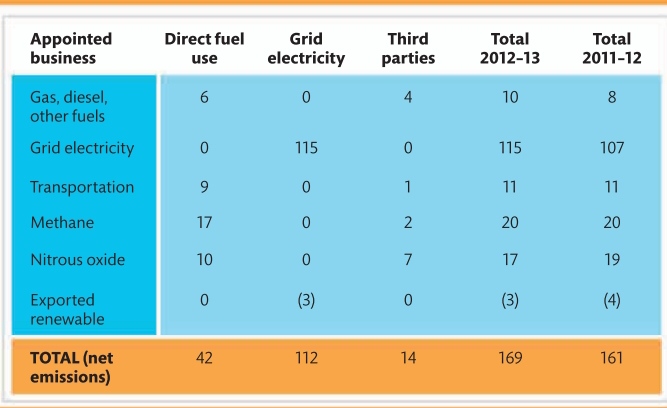

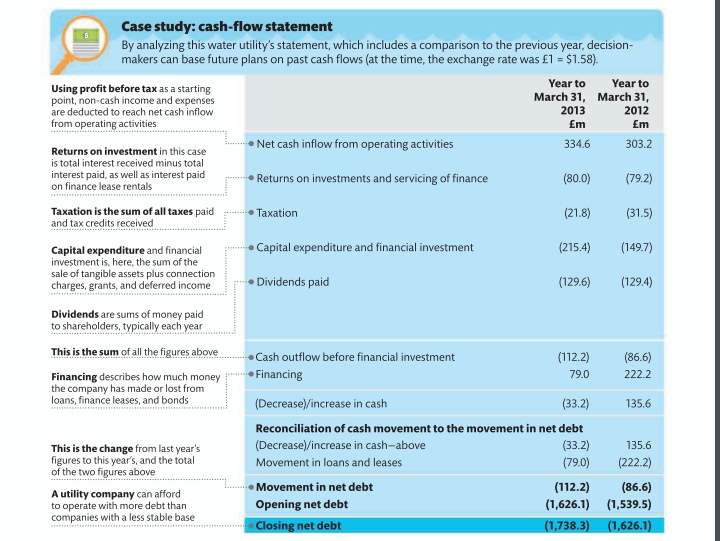
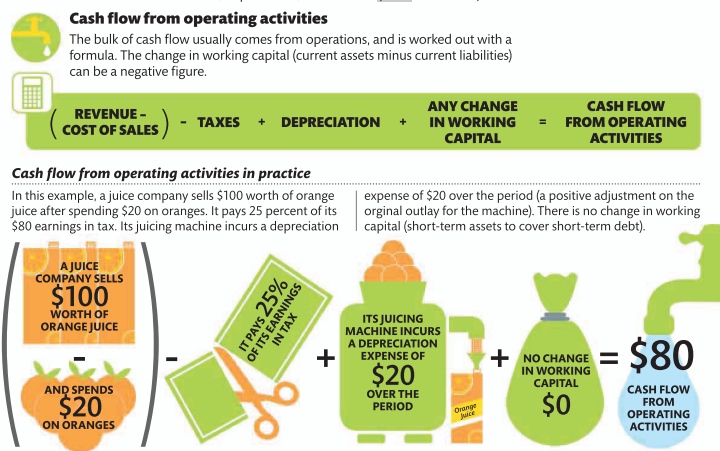

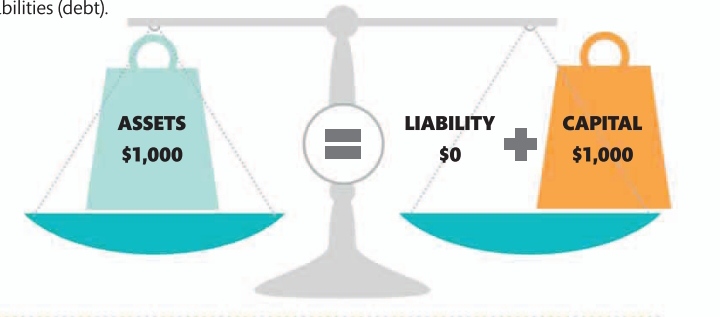
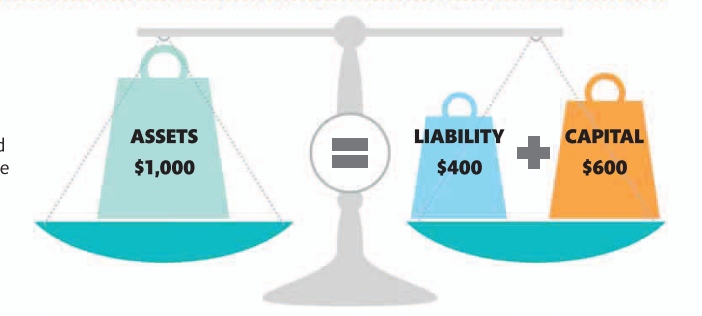
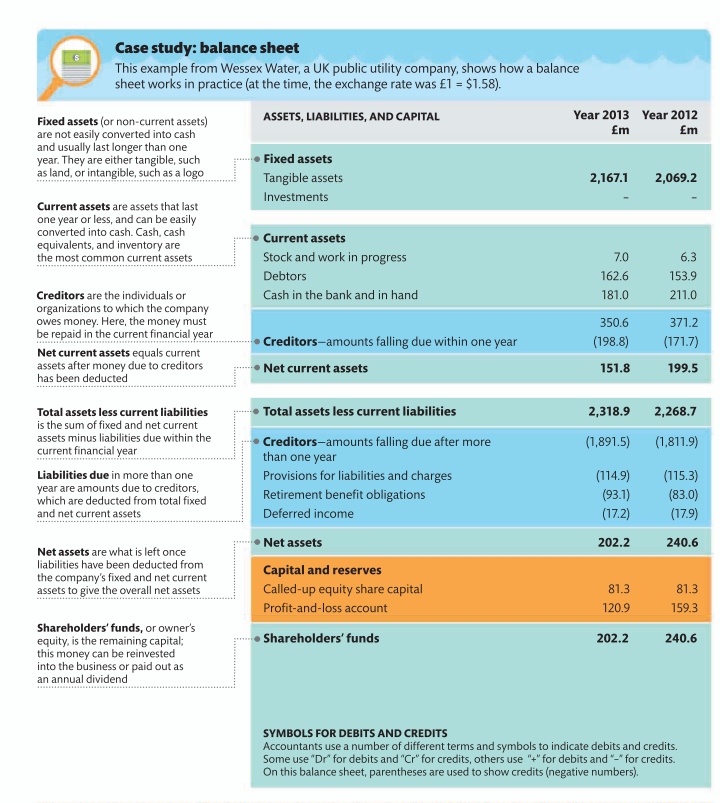
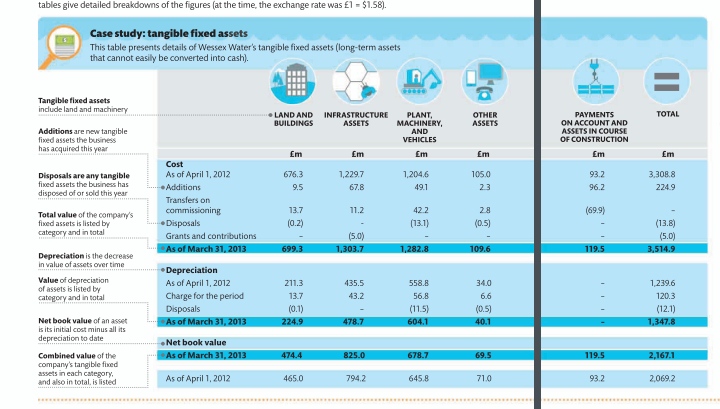
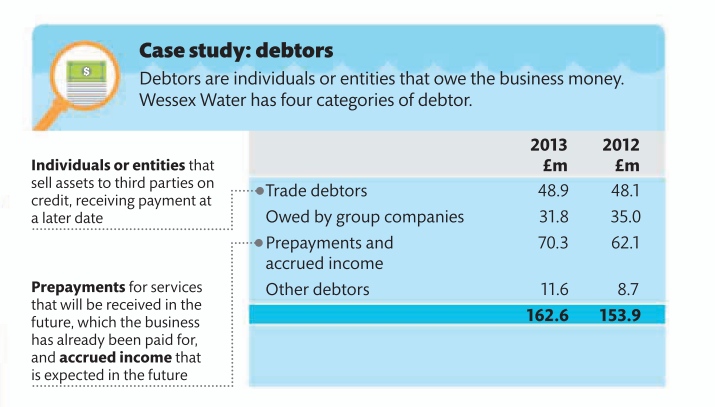
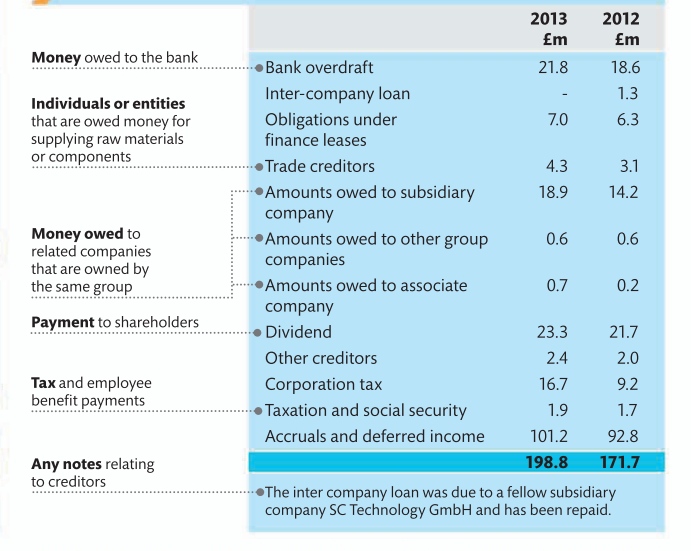

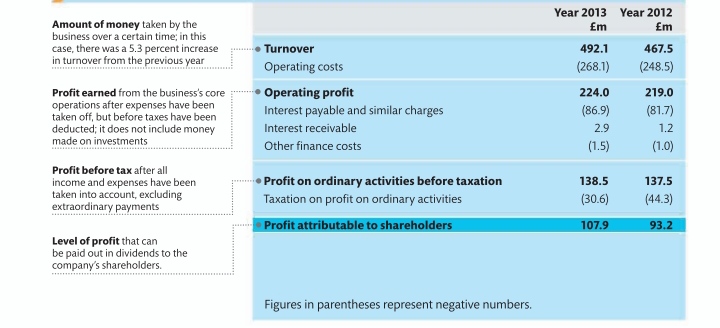
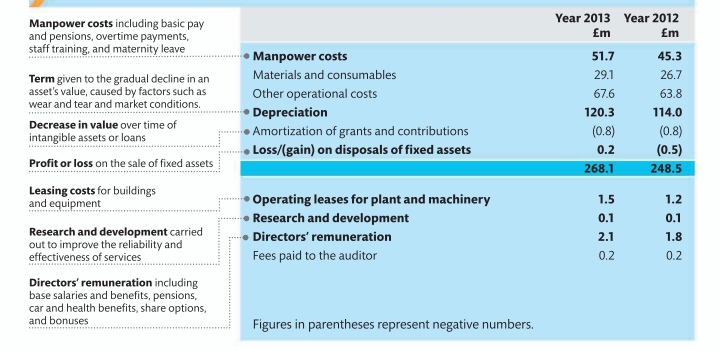

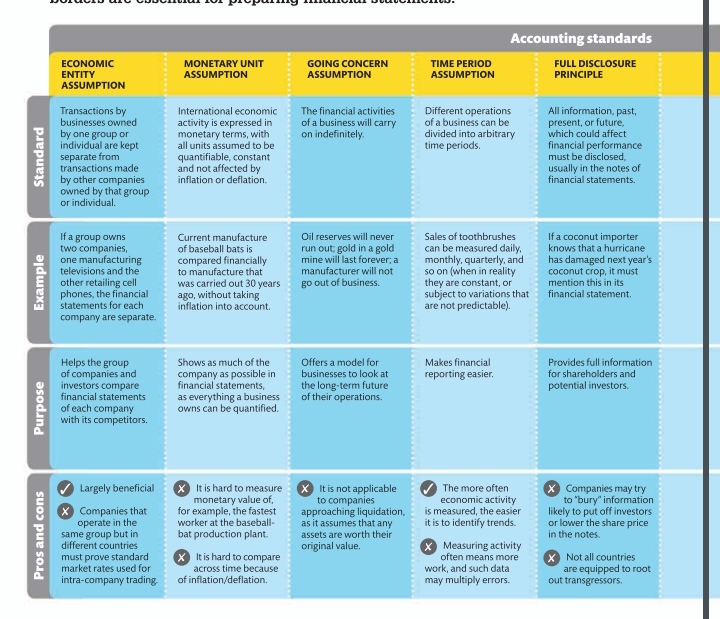
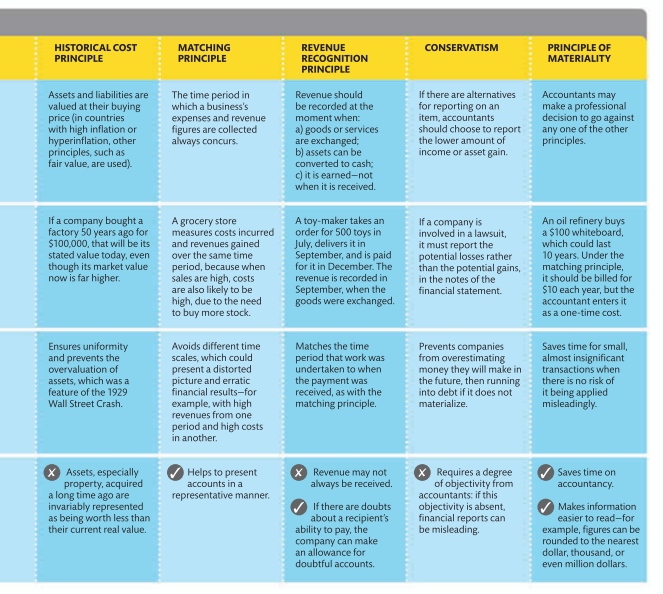

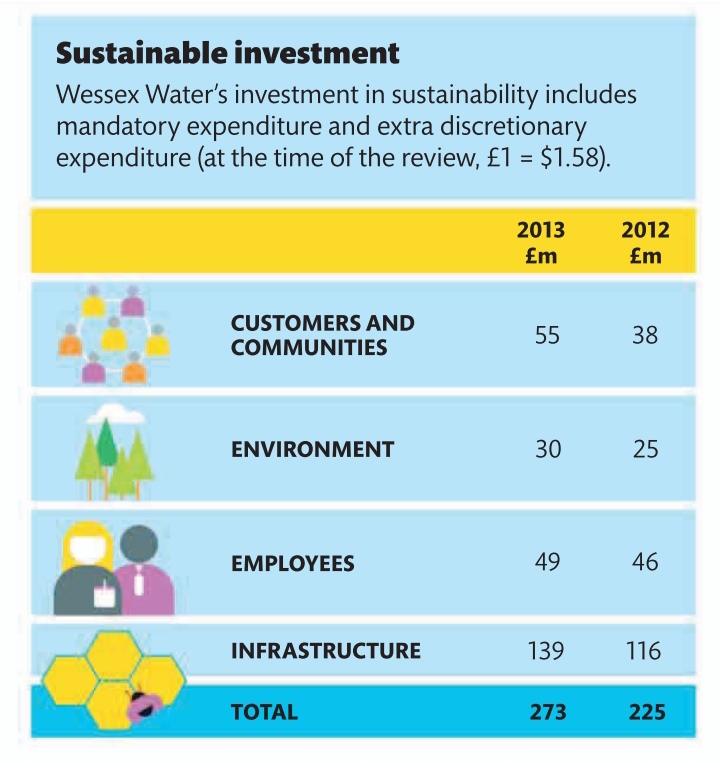
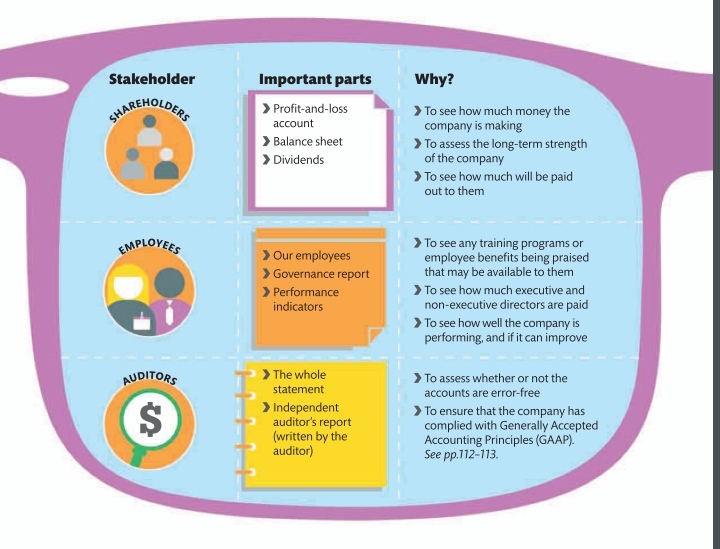
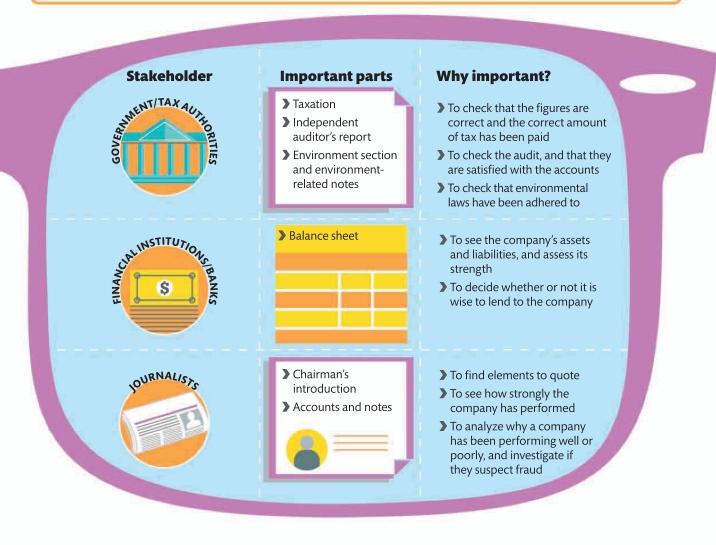

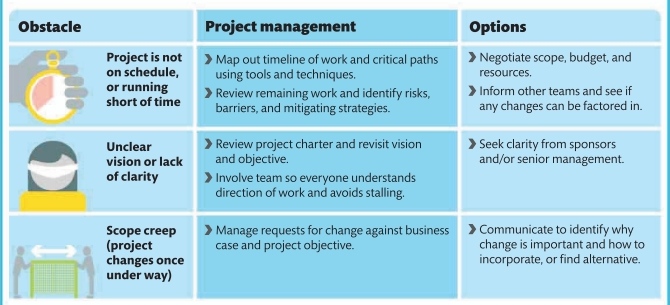

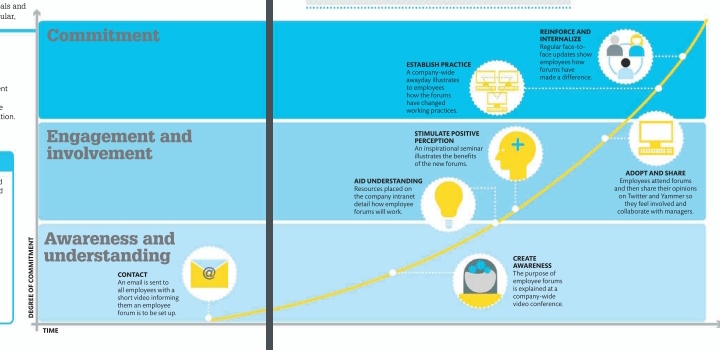

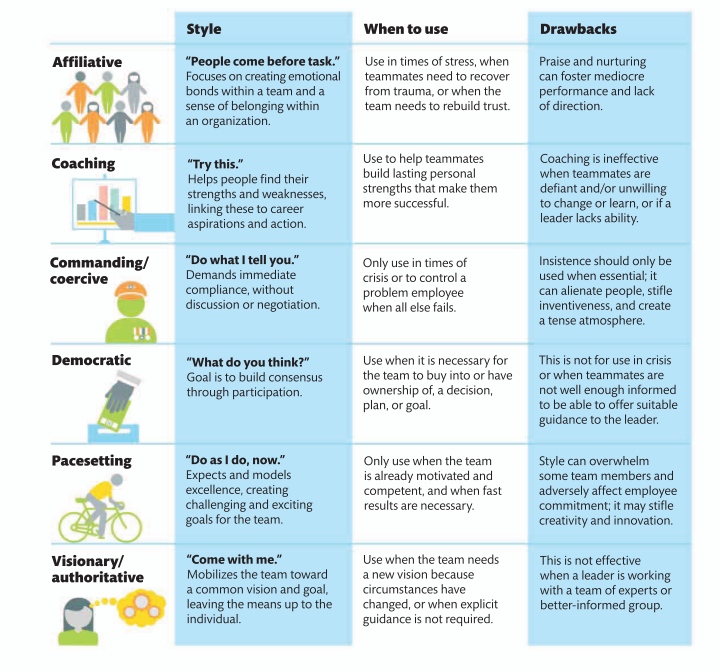

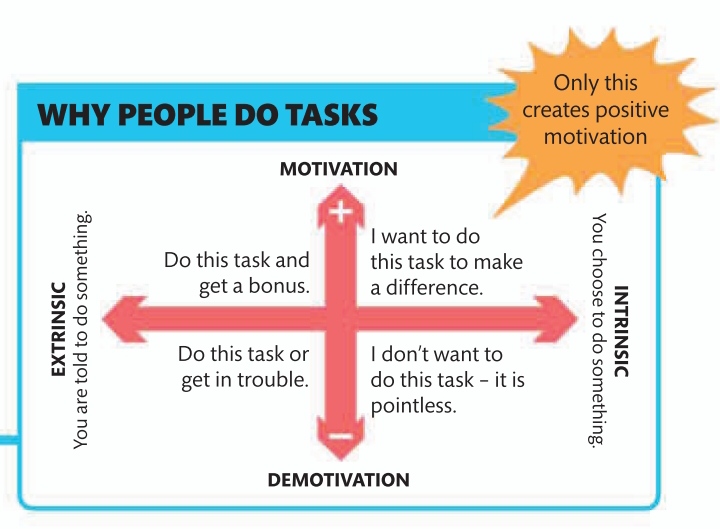

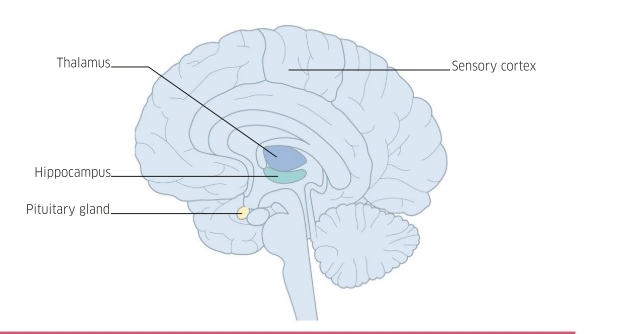


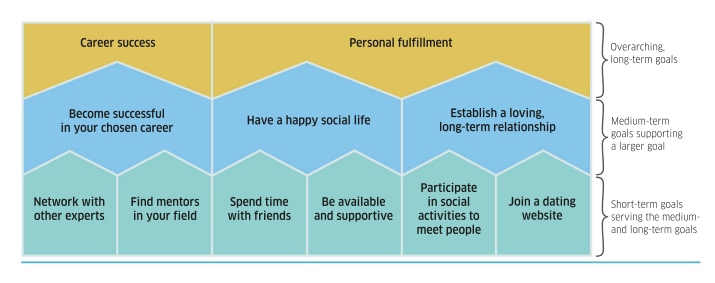


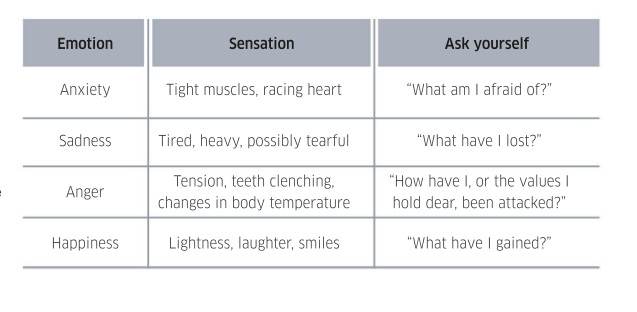
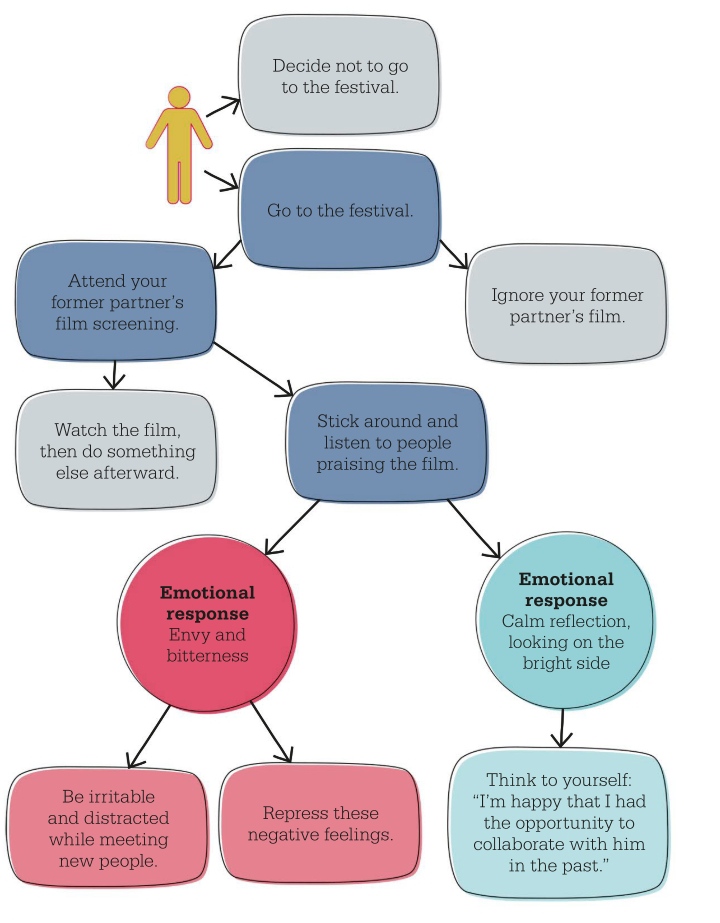





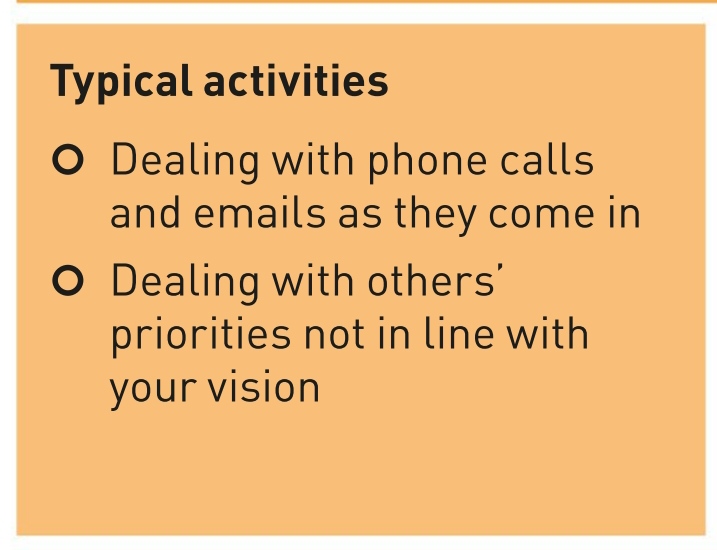
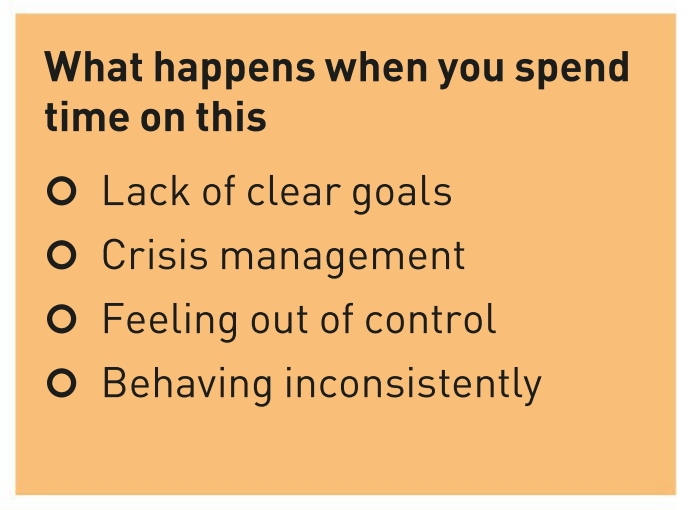
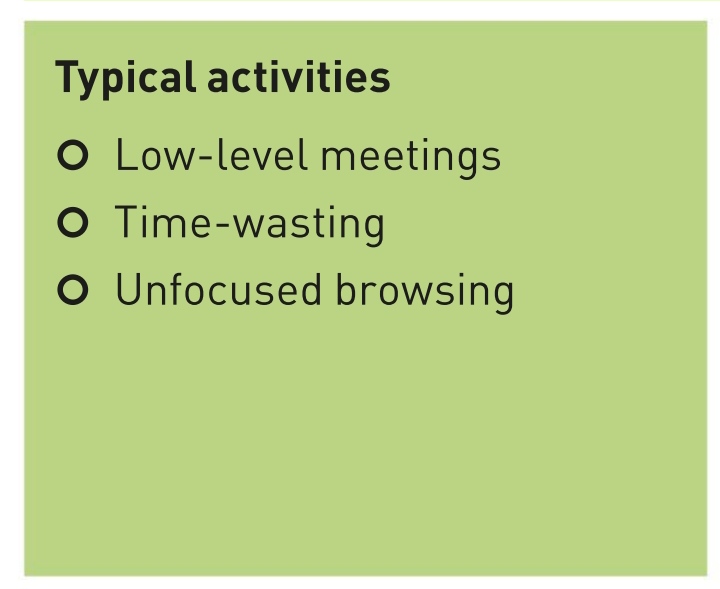
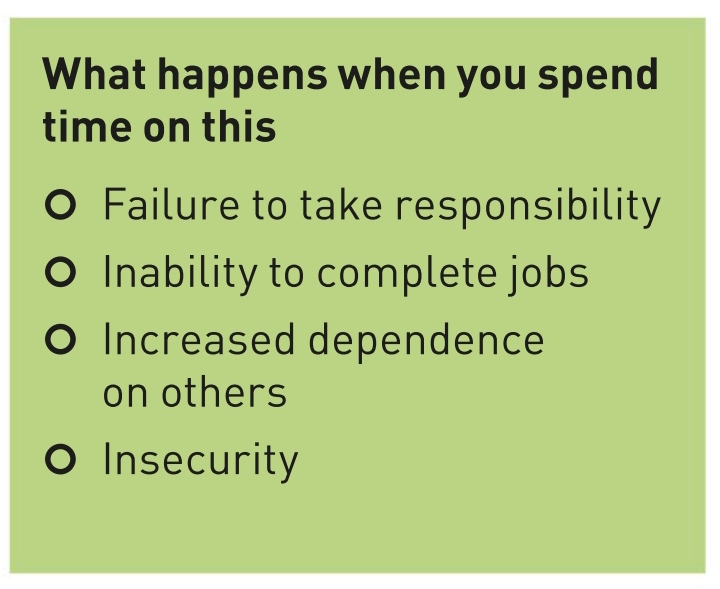
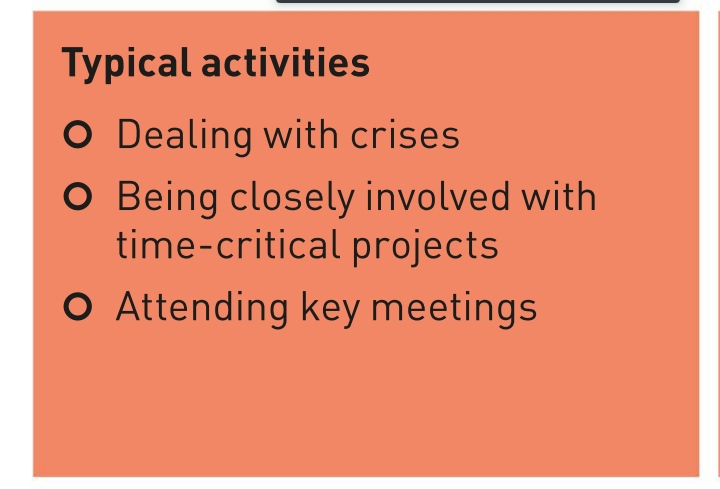
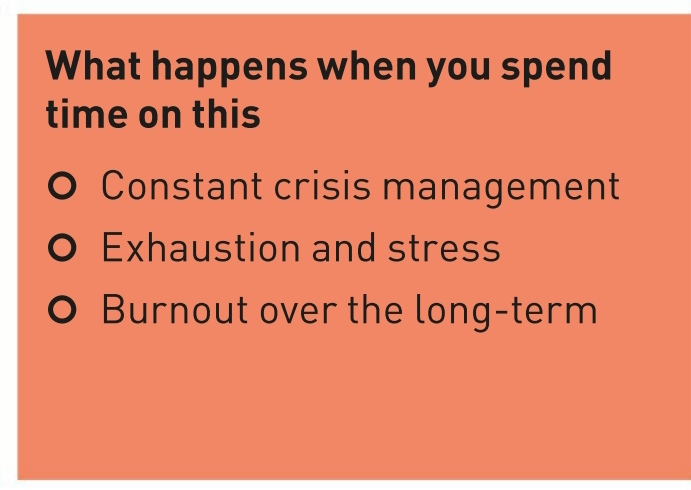
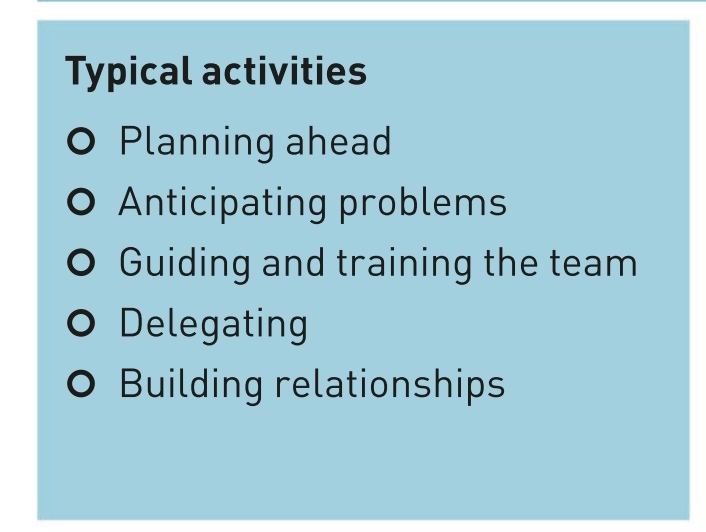
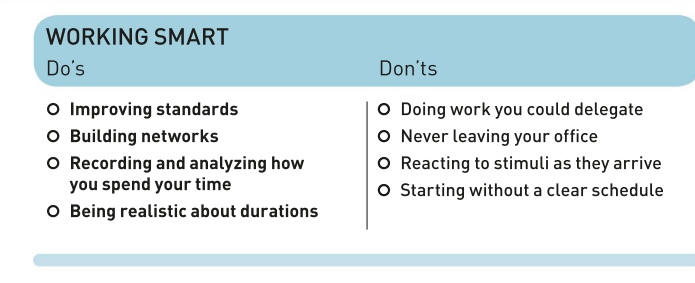
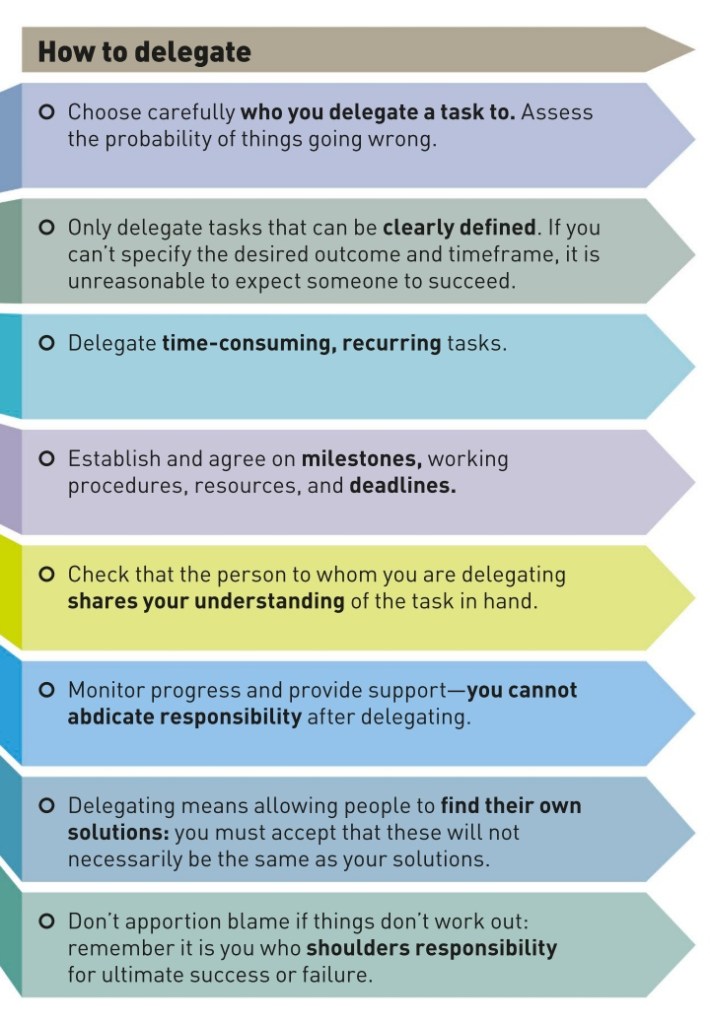
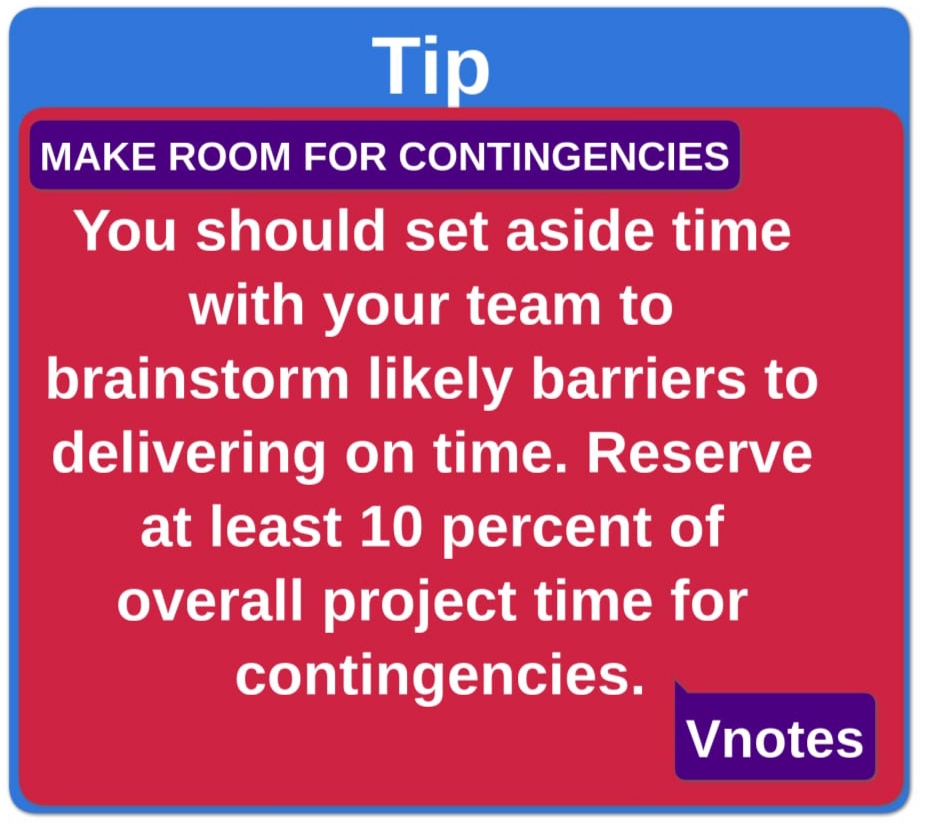


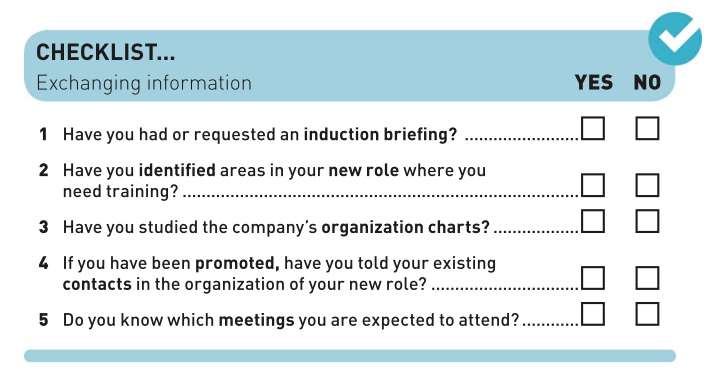


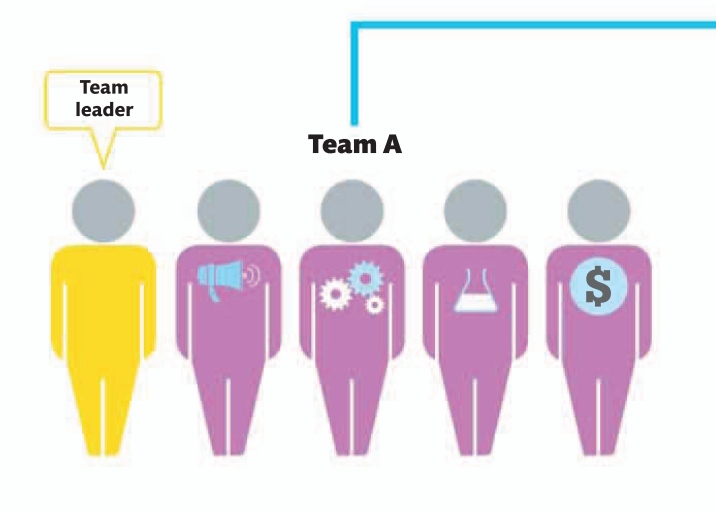
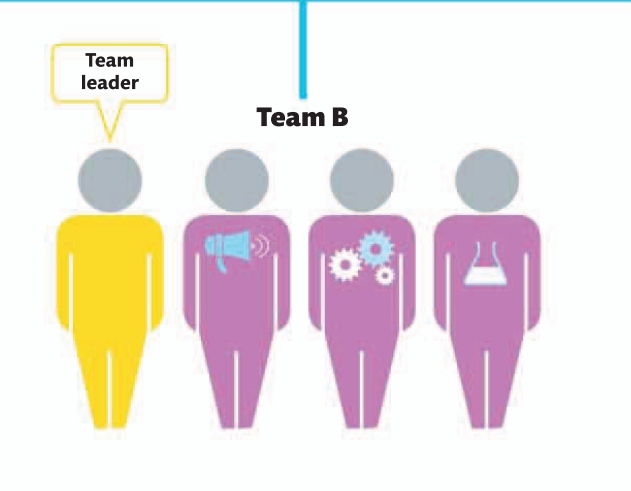
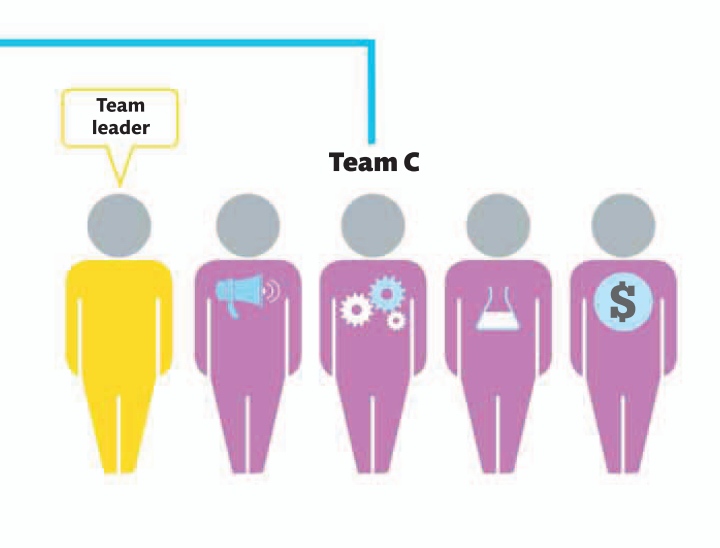
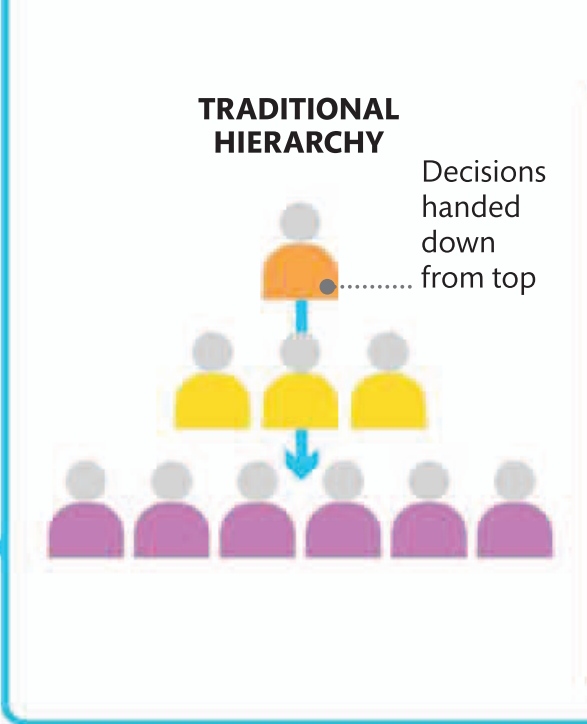
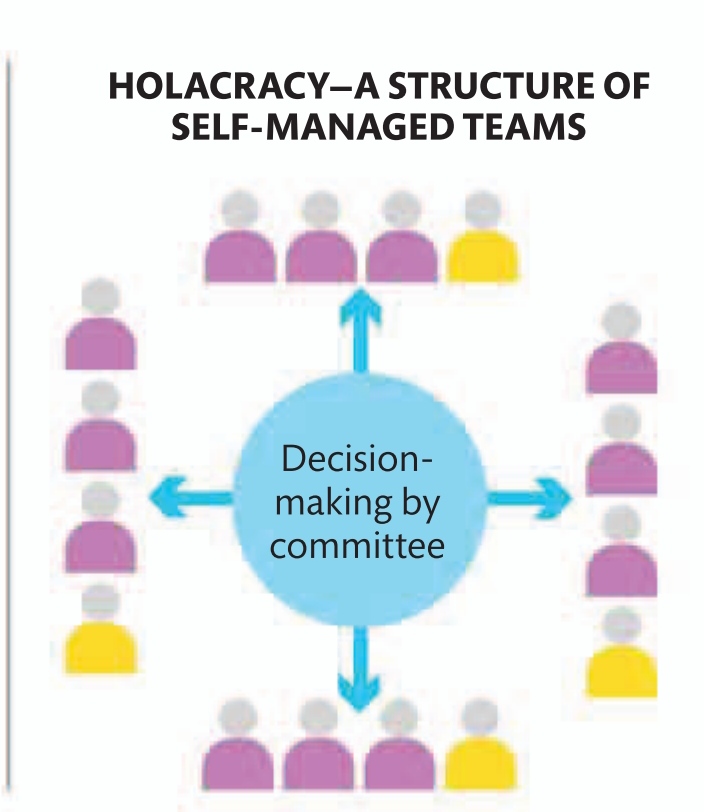

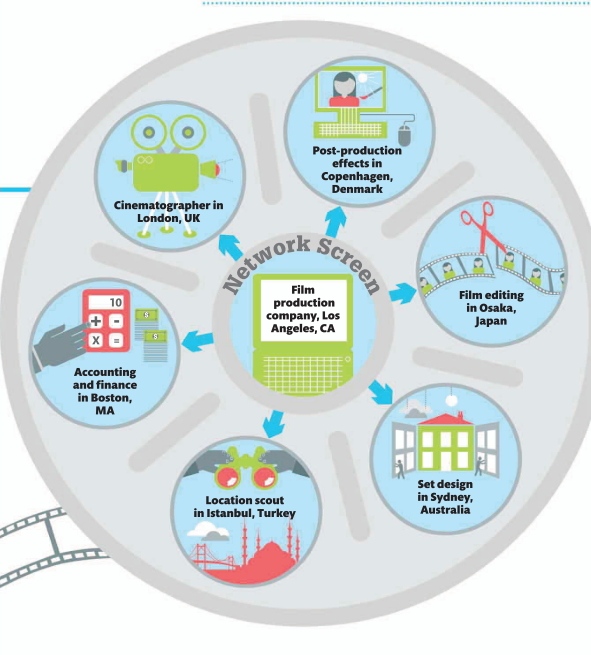

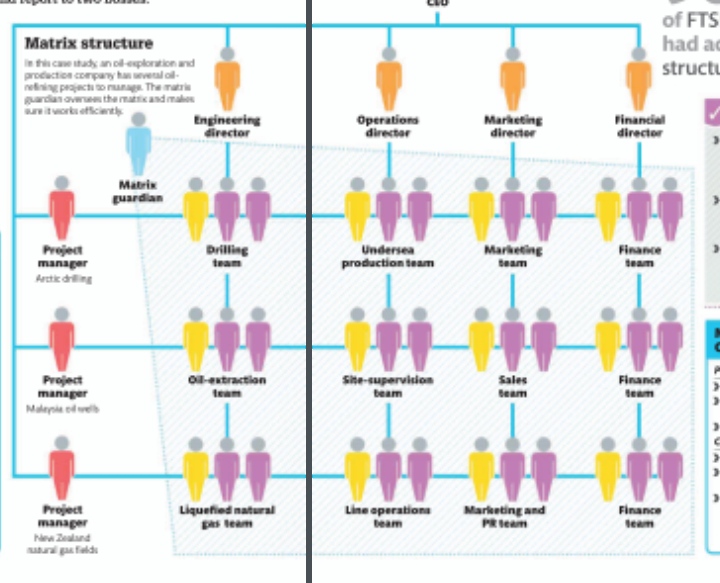
 Vnotes Education